
Directing the Facilities Management Department at H-E-B Food/Drugs, the best and biggest retailer in Texas, for 23 years was an honor.
Anyone who works there knows H-E-B is a learning, giving, and extremely productive organization.

Employees are called “Partners,” the perfect Texas term, because we worked together, crossing boundaries and departments to do whatever it takes to perform our jobs. The ultimate goal was to focus on our communities, customers and each other.
Learning and improving was constant. I studied (through schools, seminars, training sessions, conferences, brainstorming workshops, and books) continuously.
At some point in the late 1990s and early 2000s, the project superintendents for H-E-B Construction were required to read assigned books by a newly hired supervisor who wasn’t quite familiar with the hard and demanding work of building stores, retail centers, manufacturing facilities, giant warehouses and other real estate properties.
I was one of those superintendents in the early 1980s and was very familiar with the time constraints, pressures and deadlines.
Most of these superintendents weren’t book readers. They grew up learning how to read blueprints, going through formal and informal apprenticeships, and with tough on the job experiences.
One day a favorite construction supervisor, Garlan Tschirhart, came over next door to our offices. He looked concerned and explained his plight.
“Jack, you know I’m not a bookreader,” he said. “Never have been and we don’t have the time. I try when I’m out traveling and visiting job sites all over the state, but after a 12 hour day, once I get to the hotel at night, I fall asleep after one or two pages.”
I laughed, understanding.

“Man, Garland, do I have a deal for you,” I walked over to a cabinet and pulled out a large file labeled JackNotes.
“What book do you have to read?”
“Well, it’s about leadership, it’s called ‘How to Win Friends and Influence People,‘” Garland scratched his head. “Hell, I don’t need anymore friends–I have too many as it is–and the only people I need to influence is the job superintendents and they’re all pretty good guys or else they wouldn’t be here.”
I laughed again as I looked through my files.
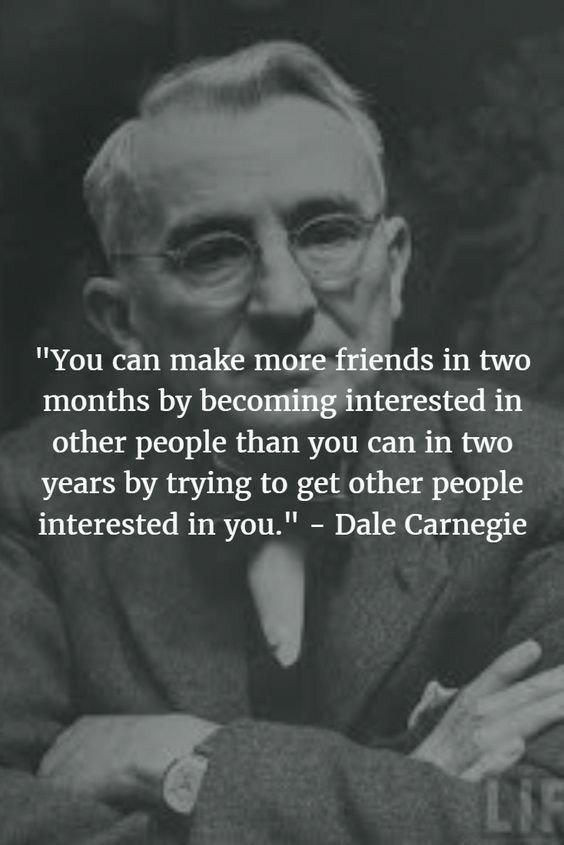
“Yes, that book is by Dale Carnegie and it’s a classic,” I said. “It’s so good even my teenage children have read it. I was 25 when I was introduced to it and it was very helpful.”
I found the file, entitled “JackNotes: Dale Carnegie How to Win Friends…”
“What’s Jack Notes?”
“It’s my version of condensed notes from books I’ve read, seminars and classes I’ve taken,” I explained. “It makes it easier for future reference. It’s summaries of the key points.”
Garland made a copy and was able to turn in his required book report to his new supervisor (Note: I can’t remember his name anymore. He was only there a short time and moved on to less challenging opportunities).
It wasn’t long until some of the other superintendents were coming over to see if I had JackNotes for books they were assigned. In most cases I did (and will be sharing many of them here on Cleverjourneys.com, so ‘Follow’ me below for more).
Hugh Huckabee, James Mensch, Tommy Groesbeck, Max Martin, Don Hatfield and other Construction Department Partners were some who would come over for copies. I’d occasionally share them in our Facilities Alliance leadership meetings with vice presidents and directors like Ralph Mehringer, Rob Easley, Bill Reynolds, Jim Barrows, Bob Manning, Dave Sanchez, Greg Bowman, and Bill Triplett.
Here’s an example (Part 1) of Dale Carnegie’s classic:
Fundamental Techniques in Handling People
Don’t criticize, condemn or complain
Give honest and sincere appreciation
Arouse in the other person an eager want
Six Ways to Make People Like You
Become genuinely interested in other people
Smile
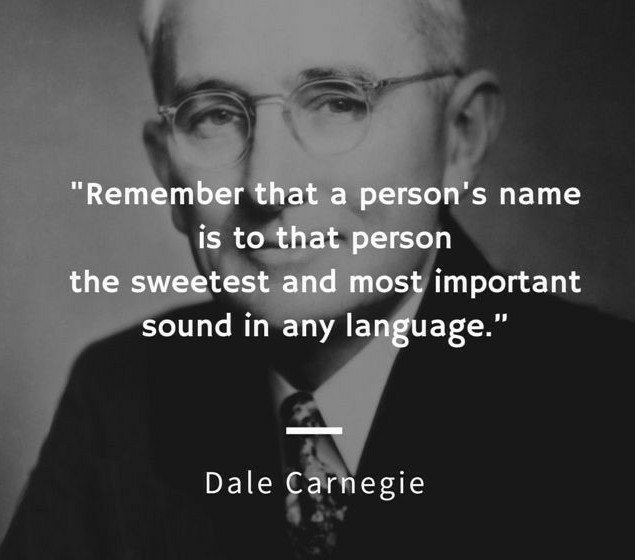
Remember that a person’s name is to that person the sweetest and most important sound in any language
Be a good listener. Encourage others to talk about themselves
Talk in terms of the other person’s interests
Make the other person feel important – and do it sincerely
How to Win People to Your Way of Thinking
The only way to get the best of an argument is to avoid it
Show respect for the other person’s opinions. Never say, ‘You’re wrong’
If you are wrong, admit it quickly and emphatically
Begin in a friendly way
Get the other person saying ‘yes, yes’ immediately
Let the other person do a great deal of the talking
Let the other person feel that the idea is his or hers
Try honestly to see things from the other person’s point of view
Be sympathetic with the other person’s ideas and desires
Appeal to the nobler motives
Dramatize your ideas
Throw down a challenge
Be a Leader: How to Change People Without Giving Offence or Arousing Resentment
Begin with praise and honest appreciation
Call attention to people’s mistakes indirectly
Talk about your own mistakes before criticizing the other person
Ask questions instead of giving direct orders
Let the other person save face
Praise the slightest improvement and praise every improvement. Be ‘hearty in your approbation and lavish in your praise’
Give the other person a fine reputation to live up to
Use encouragement. Make the fault seem easy to correct
Make the other person happy about doing the thing you suggest

Please click follow options below for more JackNotes summaries.

 Clever Journeys