
The answer is fairly simple. It depends on where you are beginning and your destination.

I’ve been on trains from:
-San Antonio to New Orleans, Maricopa AZ, New Orleans, Memphis, Dallas, Little Rock and Pennsylvania.
-Memphis to Chicago
-Chicago to St. Louis
-New York to DC
-St. Louis to Ft. Worth
The pros of train travel are many:
- You don’t have to arrive two hours before departure to go through security. And yes, two hours is the current recommendation for domestic flights.
- You’re more comfortable. More legroom and no middle seat!
- The Wi-Fi is free (if spotty).

- The tickets are typically less expensive.
- It’s better for the Earth: Rail travel has the lowest emissions per passenger mile of any way to travel.
In some cases, the train can get you exactly where you need to go. Train stations tend to be more centrally located, while airports sit on the outskirts of cities. So if you fly, you have to count on the extra time, hassle and costs of getting from the airport to the exact destination in the city you’re visiting.
Of course, there are drawbacks to train travel too. Delays are common:
The percentage of Amtrak trains that are on time has been hovering around 75%.

In the U.S., not every destination is served by rail.
Here are a few examples (based on October 2026 rates) of total costs and times: Train vs. plane.
Washington, D.C. to New York
Flying from D.C. to New York takes about 1 hour and 30 minutes, compared with 3 hours and change for the train. However, be wise by factoring in total travel time: two hours in your departure airport, plus another hour to deplane, get outside, and take a cab or train to Manhattan. That’s when rail can be swifter.
The train also wins when it comes to cost: as little as $40 (Saver) or $230 (Value) on Amtrak vs. $363 to $476 on the airlines.
Result: Taking the train from DC to NY is a win-win: cheaper and faster.
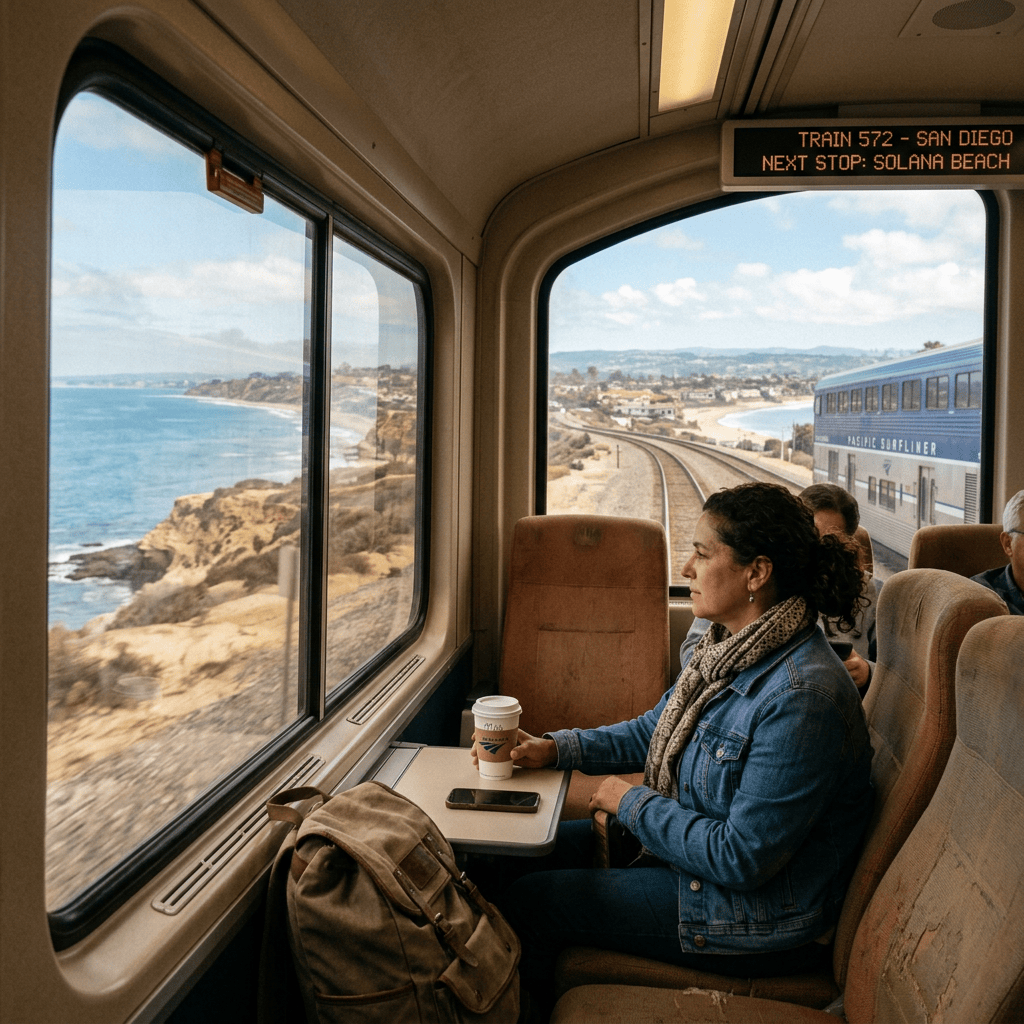
Los Angeles to San Diego
Only 120 miles apart, these two cities are separated by some of the worst traffic in the country. That’s one reason why the train is a better option than the plane—you won’t have to deal with airport congestion. You’ll spend about 3 hours on the train and one hour on the plane (plus two in the departure airport).
Cost also varies greatly on this route, with Amtrak coming in at $72 round trip and the airlines averaging $279 to $365. Another upside: much of the train route runs along the Pacific coastline, offering a scenic trip that beats the view from the air.
Result: The train to Los Angeles is much cheaper than flying, and the total travel time is about the same.
Miami to Tampa
This train excursion through lush Florida backcountry can be worthwhile if you’re not in a hurry. The Amtrak fare runs about $76 to $94 round trip, while airfare averages about $216-$282.
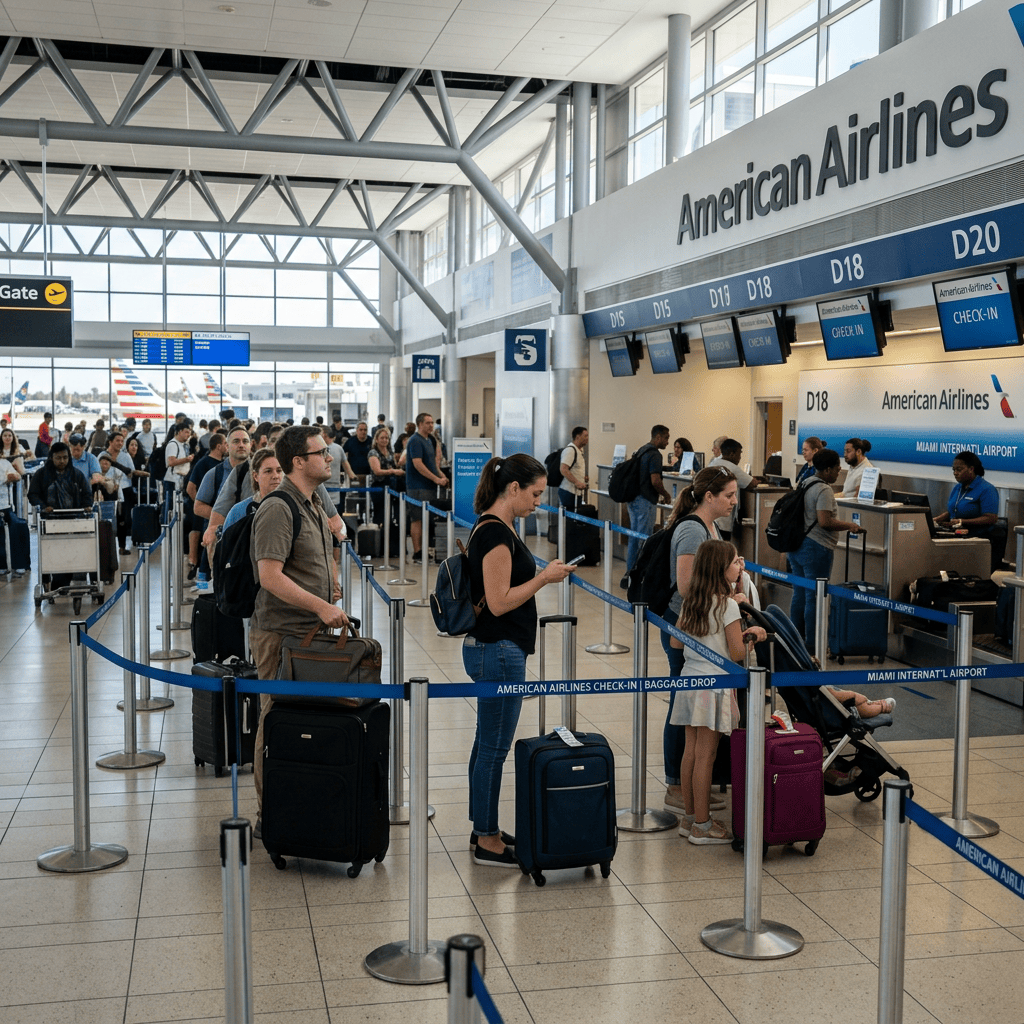
If you don’t mind spending more to fly, the plane is faster, even with airline security and transportation to and from the airport. Total travel time one way on the train is about 5 and a half hours, compared with just over an hour by air.
Result: The train is cheaper—and more fun—even though it’s much faster to fly to Tampa.
In God We Trust
Thank you for reading CleverJourneys.




IN GOD WE TRUST


Thanks for supporting independent true journalism with a small tip. Dodie & Jack


