
President Donald Trump’s decision to limit fake news correspondents and camera at White House press conference was made for good reasons.
He learned fast during his first time in office that there were moles, including his vice president Mike Pence, who were providing information to very government secretive groups interested in maintaining a status quo of Deep State control.
Frankly, today, it’s about time. Fake news has existed for many years, particularly regarding the CIA. Instead of censoring the news themselves, the CIA simply hired the writers.
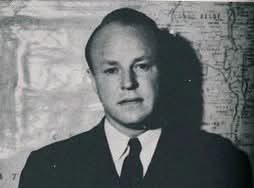
In 1948, Deputy Frank Wisner was handed the CIA’s covert-operations wing, a shadowy branch of the agency dedicated to executing covert missions around the globe. This branch not only orchestrated coups and manipulated propaganda, but also engaged in a variety of dirty tricks designed to destabilize foreign governments and influence public opinion.
Wisner, a man of vision and ambition, had a favorite toy in his elaborate toolkit of subterfuge. He affectionately referred to it as his “Mighty Wurlitzer,” a nod to the grand organ once played in an old movie theater, symbolizing his belief in the power of entertainment and media to shape narratives.
Wisner envisioned this “organ” as a means to play an intricate symphony of deception, skillfully tuning the message to suit the needs of the moment, and creating a harmonious blend of chaos and control in the geopolitical landscape of the post-war world.
The idea: he could sit at the keyboard and play the entire Western press like one instrument. Push a story here, kill one there, and the public heared whatever tune he wanted.
That machine is what people now call Operation Mockingbird.
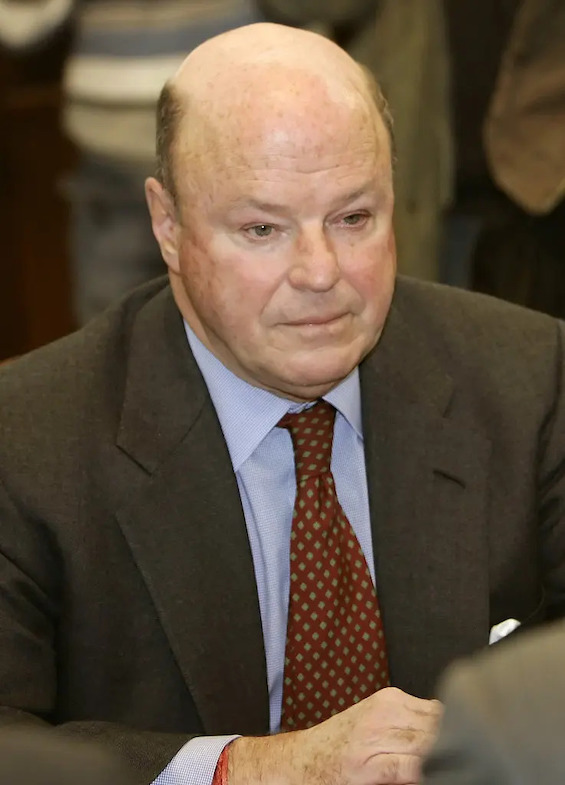
In 1958, however, he experienced a mental breakdown. He retired from the Agency four years later and committed suicide in 1965, despondent that so many of the foreign interventions he’d engineered had gone so badly awry.
In 1976, the U.S. Senate’s Church Committee revealed that the CIA maintained secret arrangements with approximately 50 journalists. Subsequently, in 1977, Watergate reporter Carl Bernstein uncovered that the actual figure exceeded 400 American journalists who had engaged in covert operations for the CIA over a span of 25 years.
Over time, we learned that the CIA literally published hundreds of books that spread its party line on the Cold War.
They were particularly proud of The Penikovsky Papers, supposedly the memoirs of a KGB defector but actually completely ghostwritten by CIA scribes.
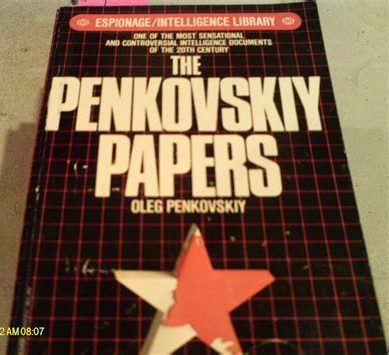
A bit more embarrassing was Claire Sterling’s book which advanced the now-discredited theory that the Russians were behind the 1981 attempt on the life of Pope John Paul II. Even the popular Fodor’s Travel Guides started as a CIA front.
Note: The CIA also owns dozens of newspapers and magazines the world over. These not only provide cover for their agents but allow them to plant misinformation that regularly makes it back to the US through the wire services and the Internet.
The CIA has even placed agents on guard at the wire services, to prevent inconvenient facts from being disseminated.
These operatives ranged from freelancers who were paid for regular debriefings, to actual CIA officers who worked under deep cover. Nearly every major US news organization has had spooks on the payroll, usually with the cooperation of top management.
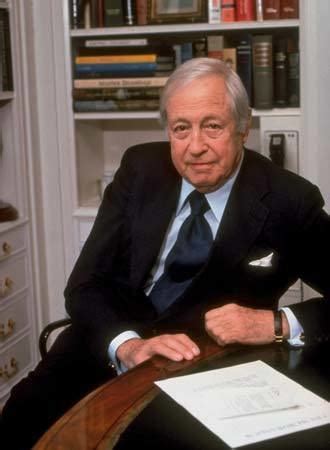
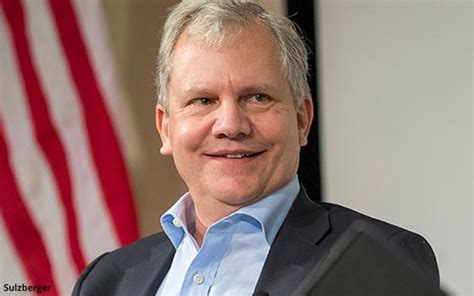
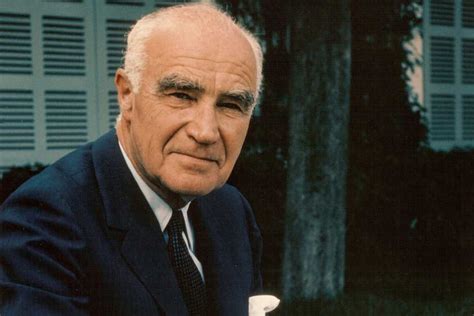
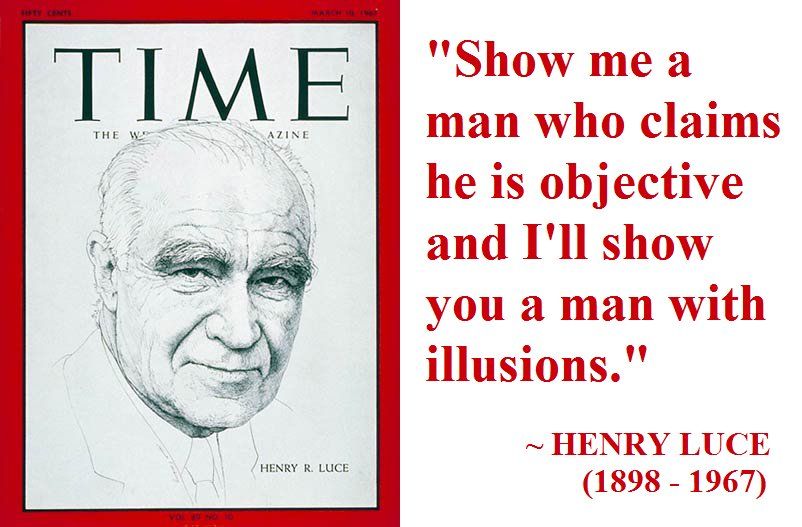
The three most valuable media assets the CIA could count on were William Paley’s CBS, Arthur Sulzberger’s New York Times and Henry Luce’s Time/Life empire. All three bent over backwards promoting the picture of Oswald as a lone nut in the JFK assassination.
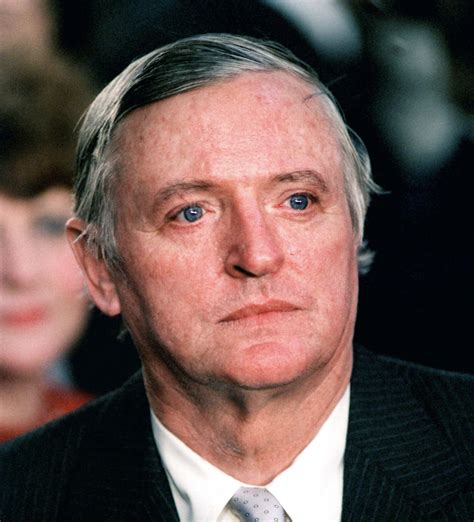
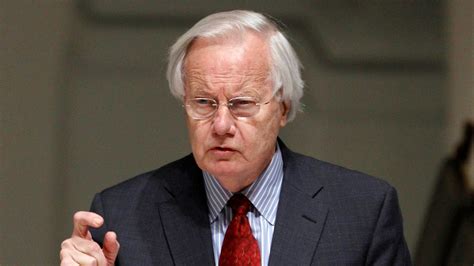
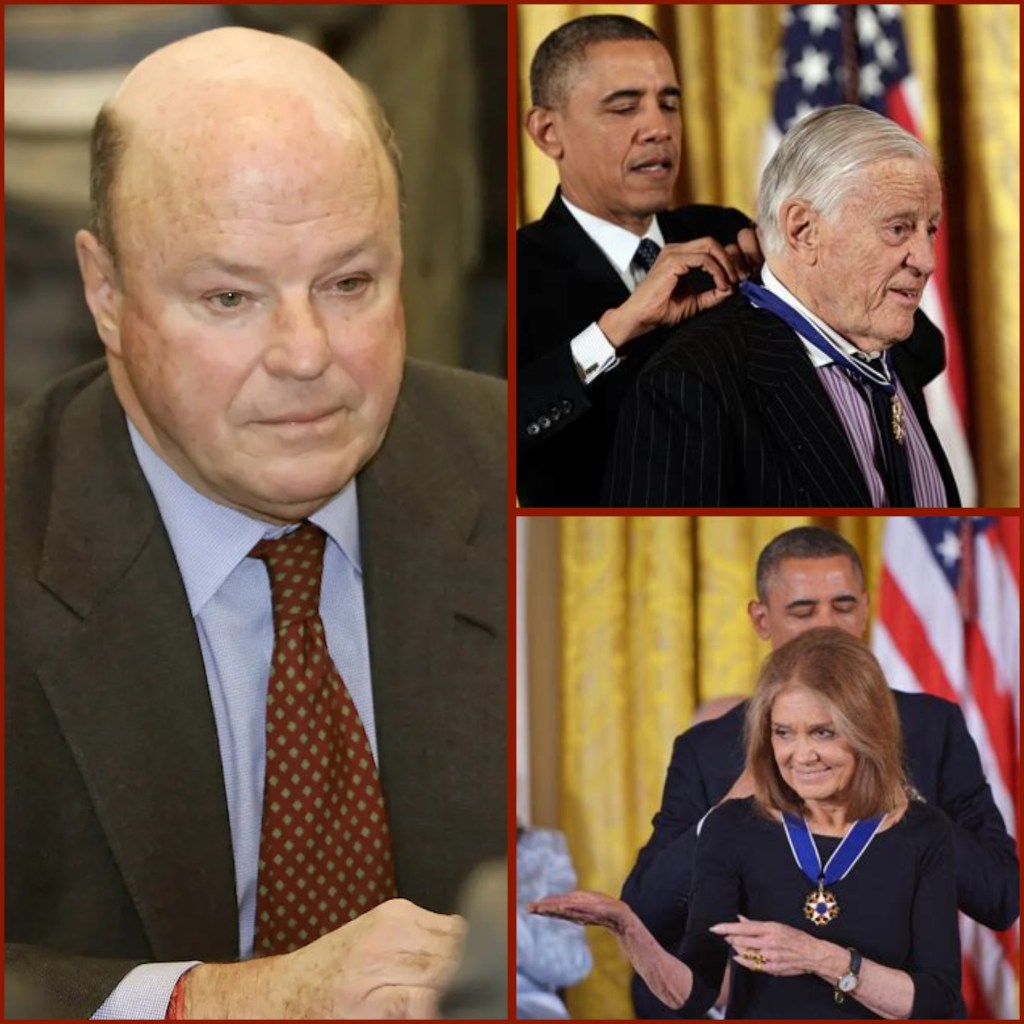
Among prominent journalists who’ve worked knowingly with the CIA are National Review founder William F. Buckley, PBS interviewer Bill Moyers, the late columnist Stewart Alsop, former Washington Post editor Ben Bradlee and Ms. magazine founder Gloria Steinem.
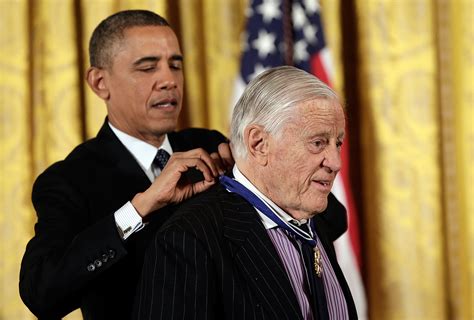
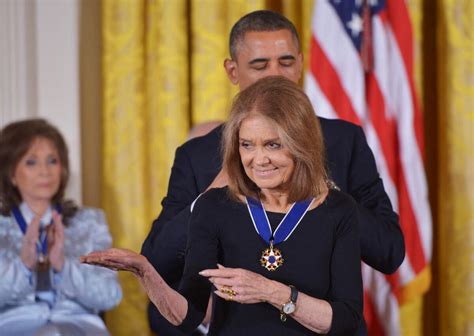
The same media that’s supposed to watch the government was, for decades, taking assignments from its spy agency. Some knew exactly what they were doing. Some had no idea.
In God We Trust




IN GOD WE TRUST
Thanks for supporting independent true journalism with a small tip. Dodie & Jack
To receive free email notification, when we post new articles like this, sign up below. Clever Journeys does & will not sell or share your information with anyone.
Thank you for reading CleverJourneys.


