
Let’s get our working definitions straight.
Between 1930 and 1960 there were musicians from Cuba, Puerto Rico, Mexico, and South America who came to New York to perform. They brought their own native rhythms and musical forms with them, but as they listened to each other and played music together, the musical influences mixed, fused, and evolved.

Famous American percussionist and bandleader Tito Puente, often credited with developing the salsa music sound, was not convinced it was a musical style. He summed up his feeling succinctly when asked what he thought of salsa, by replying, “I’m a musician, not a cook.”
He was right. This article is about cooking, not music.
Today, “salsa” is a wide reaching term that covers a wide variety of sauces, each which bring a different flavor to the table. For instance, salsa roja (or red salsa) typically uses red tomatoes as its base, while salsa verde (or green salsa) is made with green tomatillos.
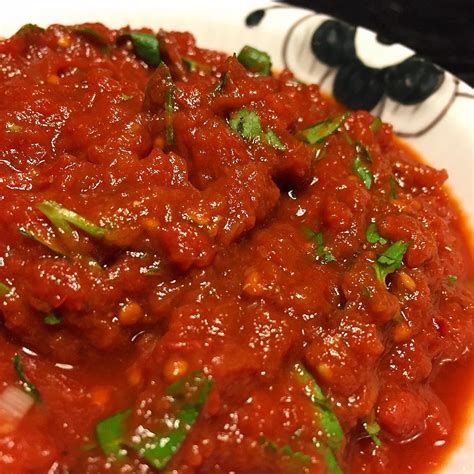
The combination of ingredients, cooking methods, and flavors are virtually endless. Many salsas are cooked, while others are made fresh. You can even incorporate fresh fruits into your salsa recipe to make a fun sauce fit for summer.
Salsa can be made in various ways, including cooking, roasting, or pureeing the ingredients.
Cooked salsas, such as salsa roja and salsa ranchera, often have a deeper, more concentrated flavor due to the cooking process, which melds the ingredients together. On the other hand, roasted salsas gain a smoky depth from the charred tomatoes.
Salsa has roots that can be traced to ancient times, extending as far back as the Aztec civilization. The ancient Aztecs combined tomatoes, chili peppers, and ground squash seeds to create early versions of what we now know as salsa, using it to flavor their meals and as a condiment for meats and other dishes.

The term “salsa” simply means “sauce,” and it was coined during the Spanish colonization of Mexico in the 1500s.
Pico de Gallo
Pico de gallo is actually a type of salsa. It is generally milder, but may contain jalapeño or serrano peppers for a hint of heat as pico de gallo typically excludes spicier peppers.
This usually means we experience a more fresh and tangy flavor profile that complements a wide range of dishes without overpowering the palate with spiciness.

Pico de gallo preserves the natural and individual flavors of the ingredients, making it a perfect option for those who prefer a refreshing topping instead of an intensely spicy one.
In Texas, New Mexico and Arizona restaurants, Dodie and I have seen it sometimes referred to as “salsa fresca” or “salsa cruda.”
In any event, pico de gallo is a fresh, chunky version of salsa that brings a vibrant flavor and texture to dishes.

Overall, Salsa’s popularity has surged in the last 30 years or so, establishing itself as one of the most popular condiments in American households. We don’t use sugared-up ketchup as salsa serves as a tastier alternative for us. In fact, salsa has long surpassed ketchup in terms of sales for decades.
Salsa’s versatility allows it to enhance a wide range of dishes, from scrambled eggs to grilled fish to steak and roasted vegetables, making it a beloved staple across the country.
It is good to note that Pico de gallo is served fresh and uncooked, so it has a shorter shelf life and is best enjoyed soon after it’s made. The chopped ingredients, especially tomatoes, can break down quickly, leading to a softer texture and a less vibrant appearance over time. It may last up to three days.
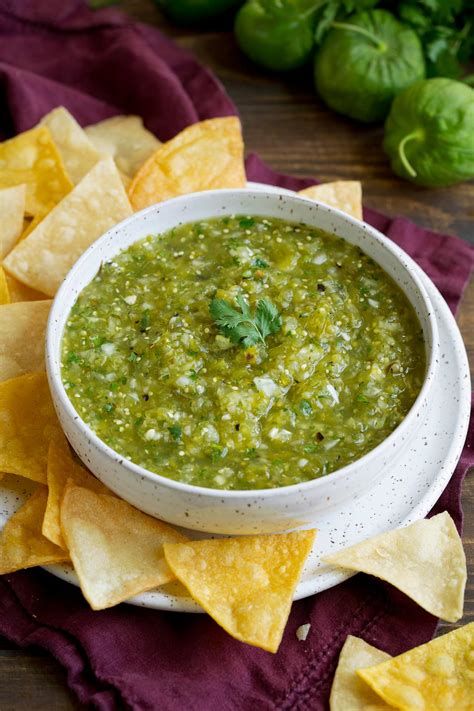
Pico de gallo translates to “rooster’s bill” or “rooster’s beak” in English, likely due to the shape of the serrano pepper traditionally used in the dish.
A classic pico de gallo is made of white onion, tomatoes, cilantro, jalapeño or serrano peppers, and lime juice. These simple, fresh ingredients combine to create a salsa that is delicious and healthy, as it’s packed with vitamins and antioxidants. But pico de gallo can be adapted. For example, you can add diced fruits for a sweet twist, or include other vegetables for added crunch and color. Just like other types of salsa, you can use pico de gallo to enhance any meal, especially those including chicken, fish, tacos, or tortilla chips.

Beyond the standard salsa roja and salsa verde mentioned earlier, the world of salsa includes many others, each with their own individual quirks and flavors.
● Salsa taquera is specifically popular with tacos. It has a smooth, blended texture that makes it easy to drizzle over your favorite taco fillings with a spicy flavor that complements the savory tacos.
● Salsa ranchera is cooked and simmered until the flavors of its ingredients meld together, resulting in a thick, flavorful sauce made with tomatoes, onions, jalapeño or serrano, and spices. Salsa ranchera is often used as a topping for grilled meats, or as a flavorful addition to Mexican dishes like huevos rancheros.
Even as a type of salsa, pico de gallo also has its own variations. The traditional recipe includes white onion, tomatoes, cilantro, and jalapeño, all drizzled with fresh lime juice. However, you can experiment with different kinds of chiles to adjust the heat level, or add ingredients like avocado and cheese for a richer texture.
Fruits like pineapples, mangos, berries or melons can also be incorporated to create a sweet and tangy twist, adding a refreshing contrast to the savory base ingredients.
☆☆☆☆☆
IN GOD WE TRUST

Thanks for supporting independent true journalism with a small tip. Dodie & Jack

Dodie & Jack Dennis are regular customers of Green Pasture. Highly recommended.
Green Pasture Here!


Use Code CLEVER10 for a 10% discount on other Green Pasture products today!

DANGER CLOSE

Byrne’s DANGER CLOSE is available here.
☆☆☆☆☆


Interesting, thank you! One my favorite things is hot dogs with pico and sour cream. Ha, probably not very good for you, but delicious.
I got to make buckets of pico de gallo once with a blade that looked a bit like a giant waffle iron. That’s how you get those tiny, diced up bits without spending half the day chopping them by hand. I am still afraid of that thing.
LikeLiked by 3 people
My dad made his with something similar. He would jar them all up & give them away! Yes, I would be afraid to use that too.
LikeLiked by 3 people
Wonderful explanation of the differences. Yum!
Since you brought up ketchup… when I lived in Kuala Lumpur, I sometimes (not often) patronized McDonald’s because it was walking distance from my office. They routinely offered packets of Chili Sauce to use with your burger and fries, i.e., instead of ketchup. They had packets of ketchup, too; but I quickly realized I preferred the Chili Sauce!
LikeLiked by 3 people
Also, I panic when I realize we are about to use the last of the salsa here at home.
LikeLiked by 3 people
😊❤️😋
LikeLiked by 3 people
I am roaring! 😅🤣😂
LikeLiked by 3 people
This is an education in one article. Fascinating. And salsa is so much older than Italian sauces: it’s the Mother!
1
LikeLiked by 1 person
!!!! Yes Indeed !!!!
LikeLiked by 1 person
[…] Salsa vs. Pico de Gallo […]
LikeLiked by 1 person
Love that passionate enthusiasm–nice to have something delicious to get excited about in the midst of battles! I’ll bet God loves salsa. At His right hand are pleasures forevermore.
LikeLiked by 1 person
Yes, we usually always have salsa of some kind here at home.
LikeLiked by 1 person