
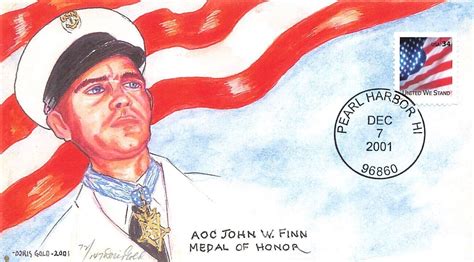
The very first Medal of Honor of America’s Second World War was earned in the opening minutes of it.
He was a sailor who dragged a machine gun into the open at Pearl Harbor and kept firing after being hit 21 times.
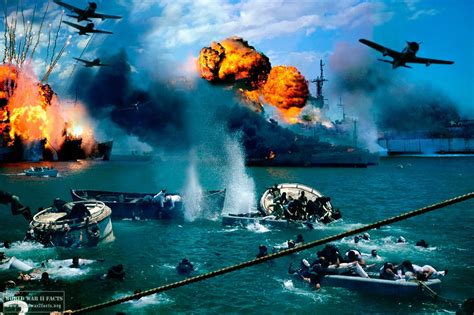
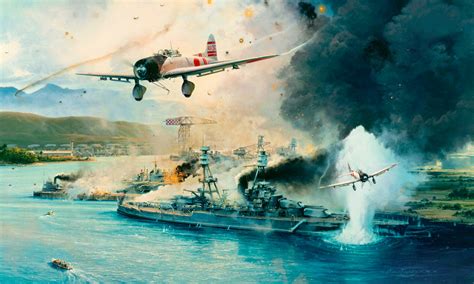
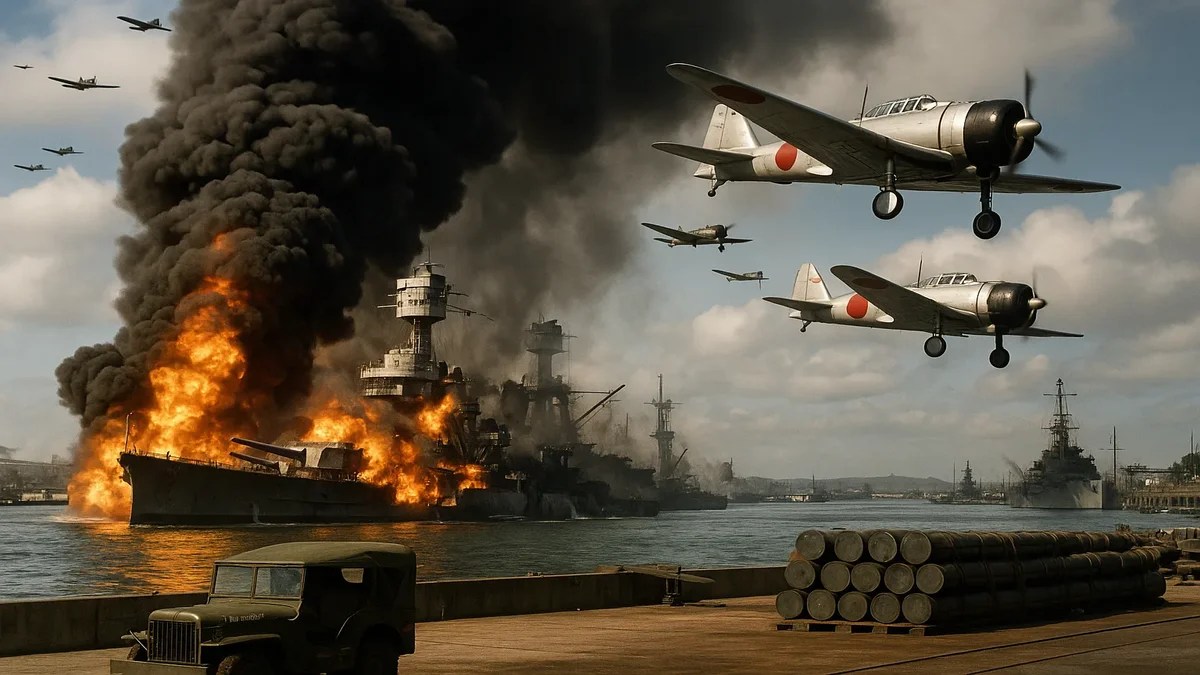
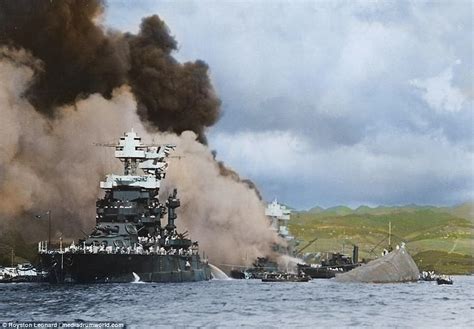
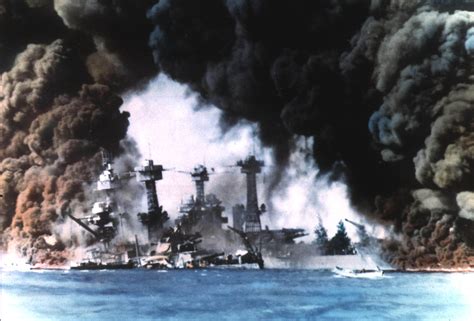
In his own words, “I shot at every damn plane I could see.”
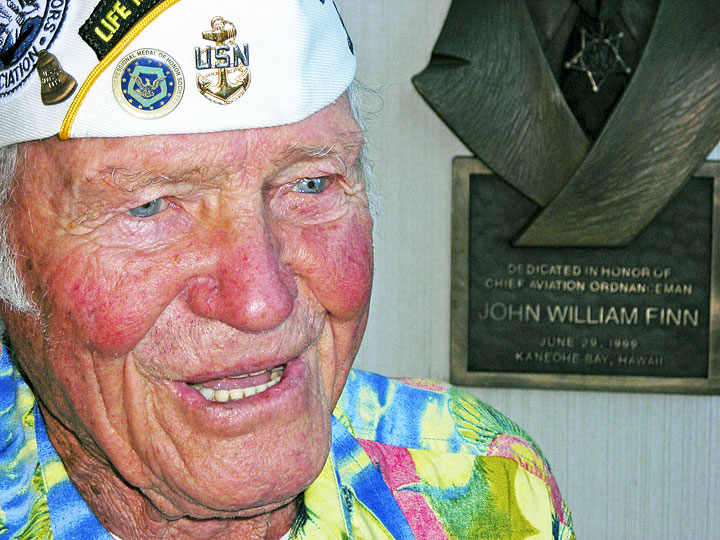
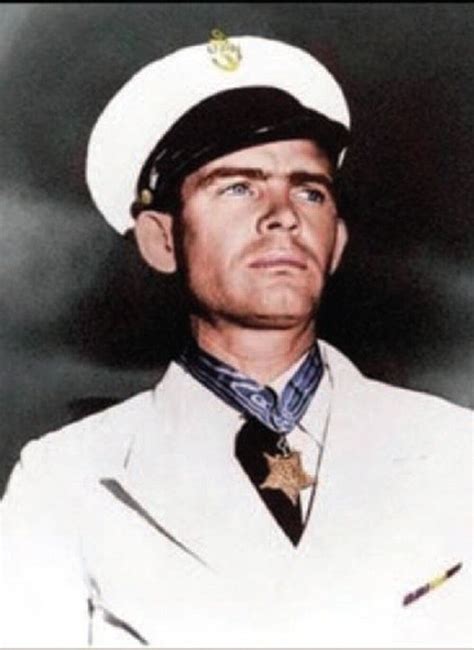
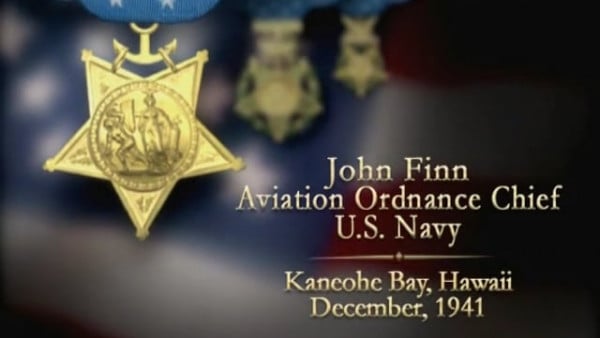
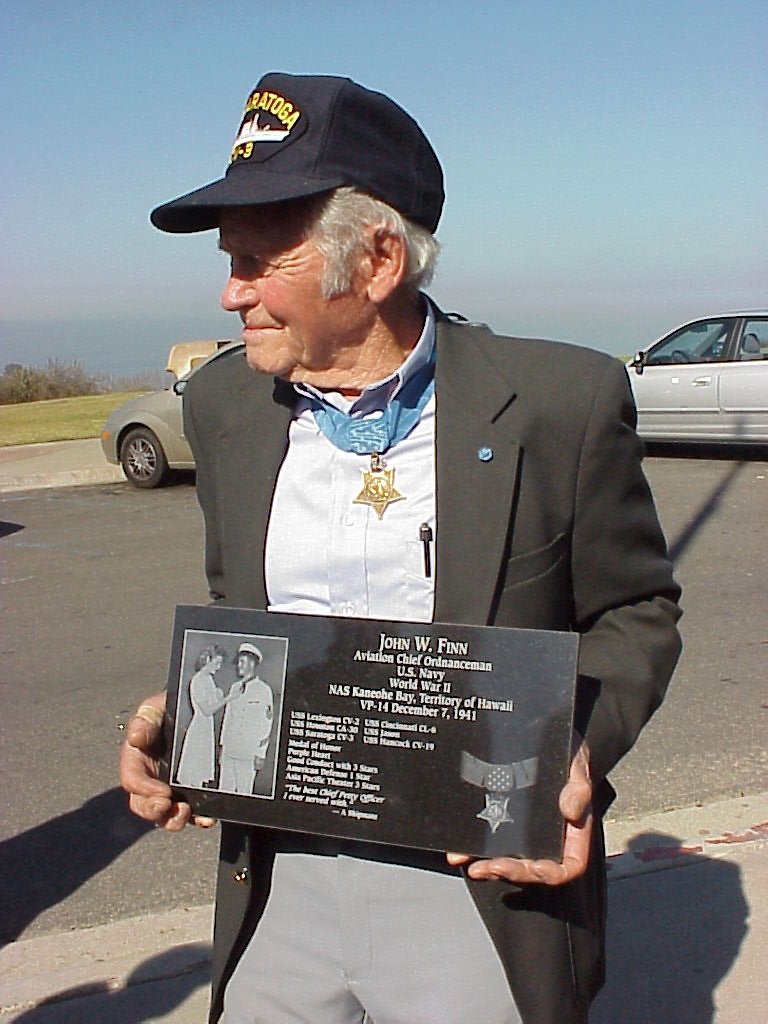
John William Finn was born in Compton, California in 1909. He dropped out of school and joined the Navy at 17, and by December 1941 he was a 32 year old chief petty officer, the chief aviation ordnance man in charge of a detail of twenty men at Kaneohe Bay Naval Air Station on Oahu, up the coast from Pearl Harbor.
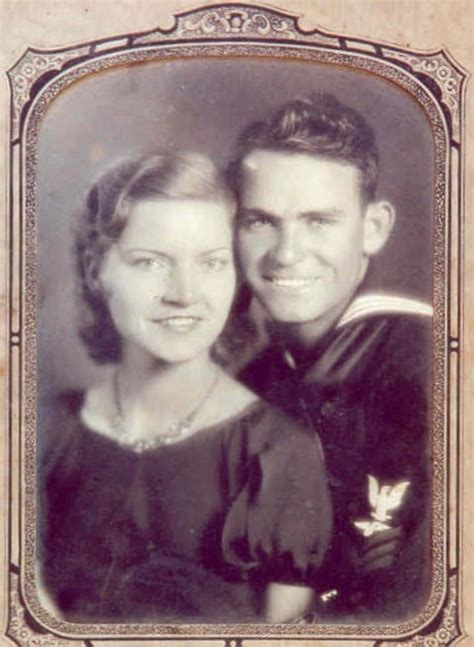
On the morning of December 7, he was asleep at home with his wife when gunfire and a neighbor pounding on the door jolted him awake.
Still not grasping what was happening, he got in his car and drove toward the airfield, at first obeying the base speed limit, until a plane passed overhead showing the Rising Sun on its wing and he understood.
“I threw it into second,” he recalled, “and it was a wonder I didn’t run over every sailor in the air station.”
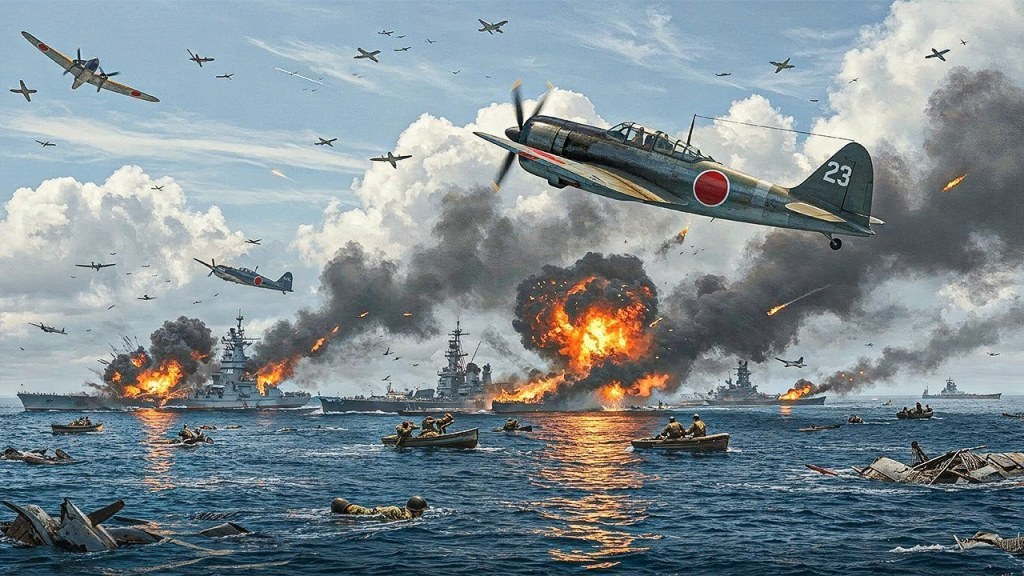
He reached the hangars to find burning planes, scrambling men, and chaos. He spotted his squadron’s painter holding a .50 caliber machine gun salvaged from a wrecked aircraft and took it from him on the spot.
With the straight forward logic of a professional: “I knew I had more experience firing a machine gun than a painter.”
He mounted the gun on a movable training platform and shoved it out into the open, onto an exposed stretch of ground where he had a clear field of fire at the attacking planes and absolutely no cover for himself. He did not hesitate.
“I got the gun and I started shooting at Jap planes,” he said. “In some cases I could see their faces.”
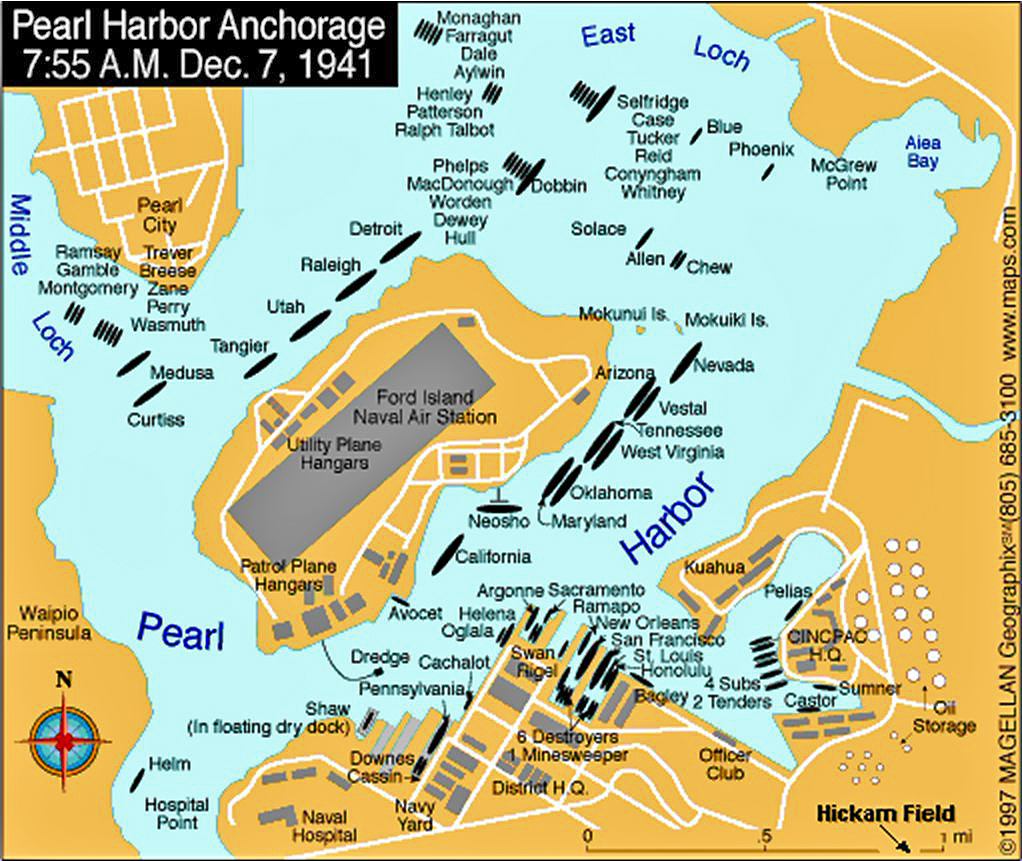
For the next two hours Finn fought his own private war. He kept firing as the enemy raked him again and again, taking 21 distinct wounds, a bullet through his foot, a shrapnel hit to the shoulder that cost him the use of his left arm, and more all over his body.
He never overstated what he achieved, even about the planes he may have downed: “I can’t honestly say I hit any, but I shot at every damn plane I could see.”
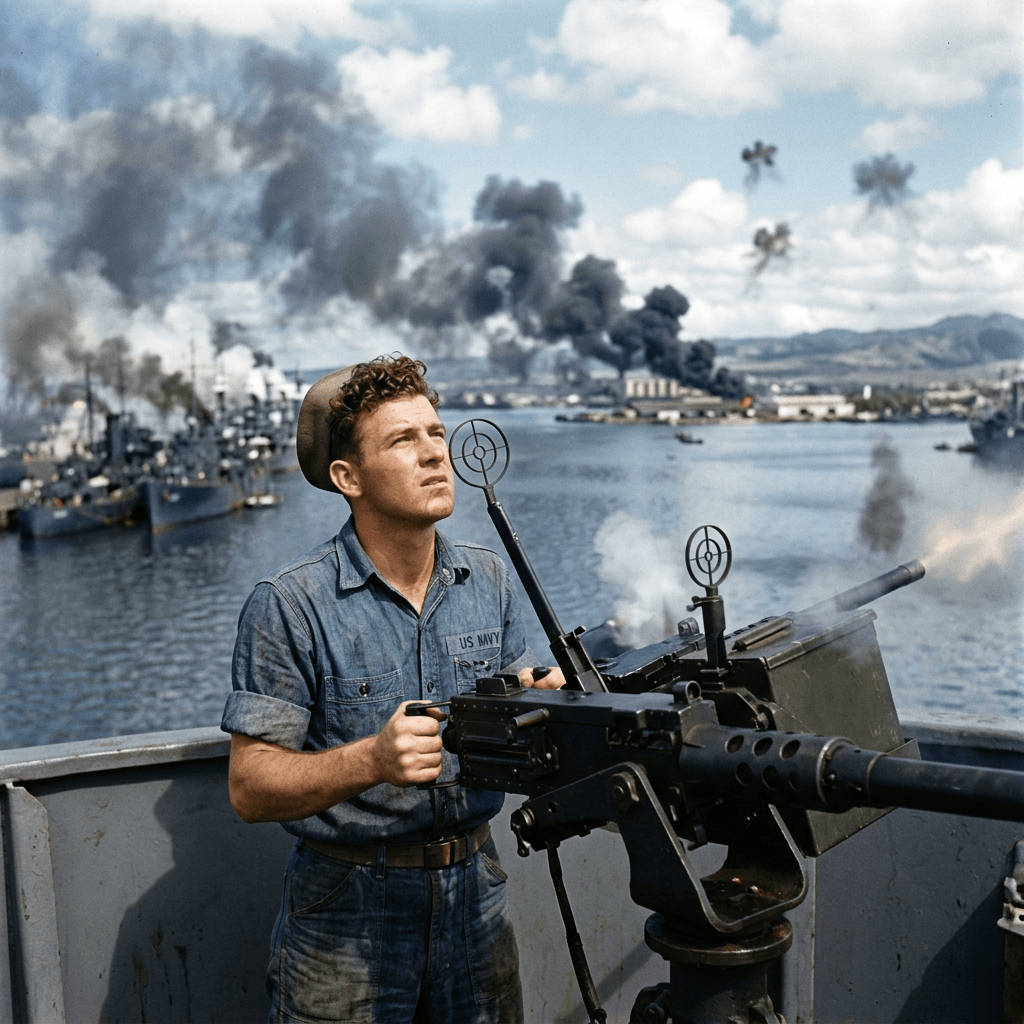
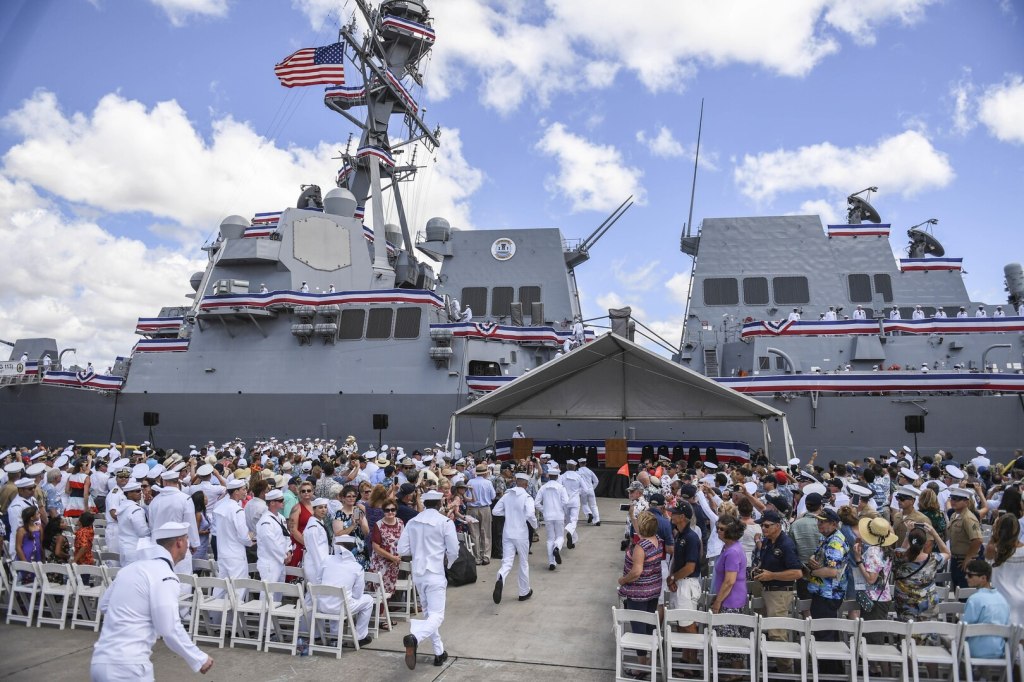
He refused to leave his gun until he was ordered to get medical help. At the sick bay, seeing men far worse off than himself, he let the medics bandage him, then promptly checked himself out and went back to the armory, spending the rest of the day and night repairing damaged weapons in case the enemy returned.
It took a second, more direct order to finally send him back to the hospital, where he spent two weeks recovering.
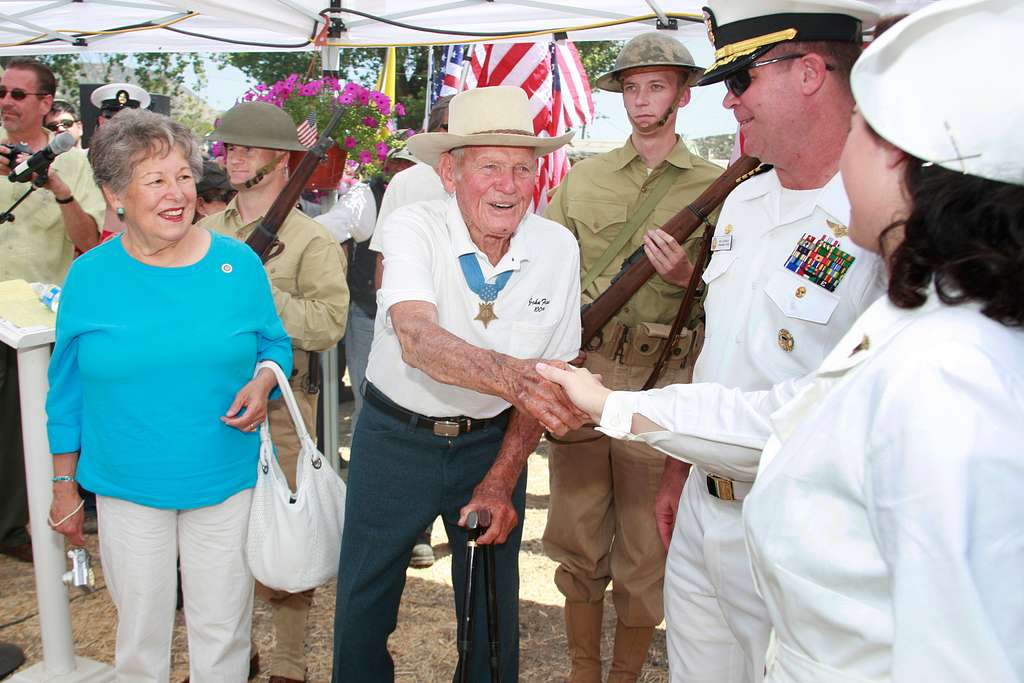
Admiral Chester Nimitz personally presented him the Medal of Honor aboard the USS Enterprise, making Finn the first American to earn it in the war. He accepted it with total humility.
“I was just an uneducated man who got mad as hell one day.”
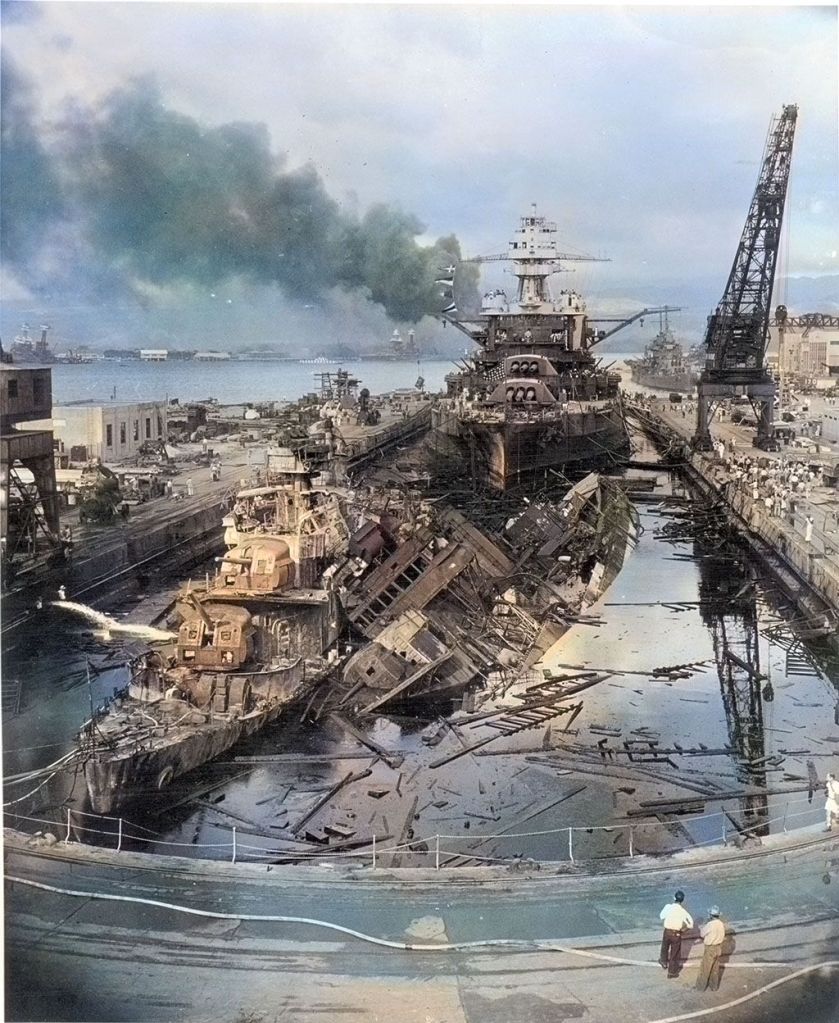
Years later, when someone called him a hero, he pushed back hard: “That damned hero stuff is a bunch of crap, I guess. You gotta understand that there’s all kinds of heroes, but they never got a chance to be in a hero’s position.”
His life after the war was as quiet as his stand was fierce. He served until 1956, retired to a small ranch in California.
He and his wife became foster parents to five Native American children, a kindness that earned them an honor from the Diegueno tribe.
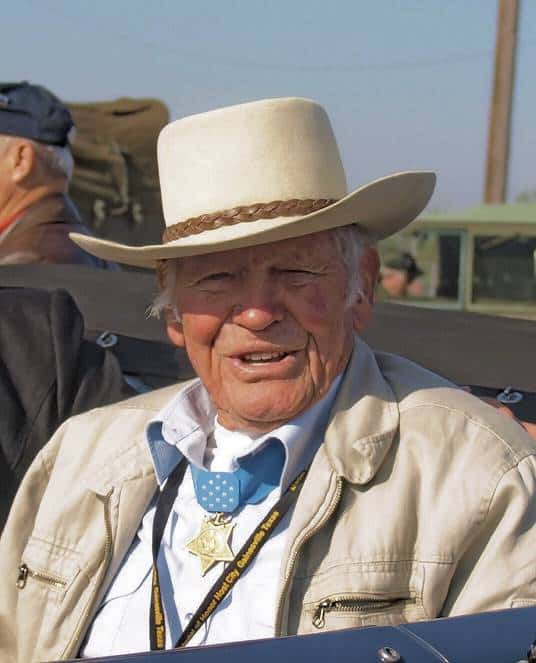
He stayed active on that ranch almost to the end, dying in 2010 at the age of 100, the last surviving Pearl Harbor Medal of Honor recipient. He is buried on the reservation of the children he helped raise.
In God We Trust
Thank you for reading CleverJourneys.




To receive free email notification, when we post new articles like this, sign up below. Clever Journeys does & will not sell or share your information with anyone.
IN GOD WE TRUST

Thanks for supporting independent true journalism with a small tip. Dodie & Jack


I am so impressed I could weep. Let’s don’t ever be thinking of our blasted “legacy” or being noticed as a hero. Let’s just lay it on the line, and do what has to be done. Thank you for telling us this story!
LikeLiked by 2 people
Yes ma’am ~ I so agree! 👍
LikeLiked by 1 person
John Finn was willing to sacrifice himself to benefit others. “No one has greater love than this, to lay down one’s life for one’s friends.” (John 15:13 NAB)
LikeLiked by 3 people
Amen! They don’t make ’em like this anymore… 💜🏅💚
LikeLiked by 1 person
You’re right, Finn was fearless anomaly. So was Charlie Kirk. He knew he was a target, but continued to share God’s Word. 🙏✝️🙏
LikeLiked by 1 person