
Two years ago, a dear friend who was once an airline flight attendant died from cancer. I knew her as a happy, friendly lady–the epitome of what someone with her career should be–smart, friendly and quick on her toes. Her death seemed quick to me. Although I hadn’t seen her much in the last five years, she always appeared to be at the top of her game.

Thinking more about it, I recall two airline pilots (one active and the other retired), both golfers from a country club I worked at (retirement job) who passed away from cancer.
Not too long ago, I was having a quick conversation with an X-ray technician (before having it done on me) and asked if he had any health concerns about his occupation.
It seems natural to assume any kind of nuclear worker or X-ray technician face a challenge with occupational radiation exposure.
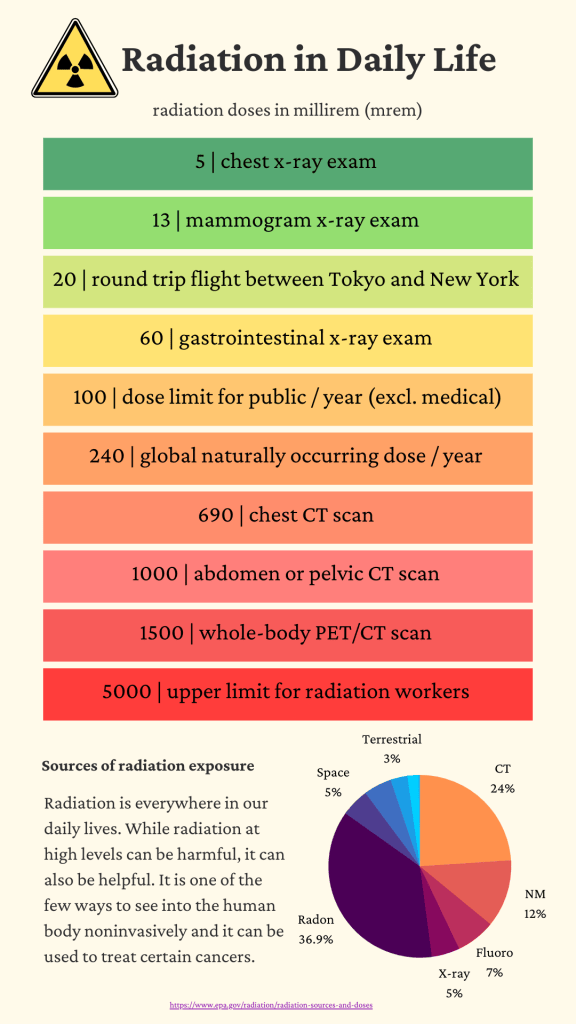
He explained, “we just take the right protocols of protection and we are all okay. “
I assumed wrong, but remained curious. The most recent research points somewhere much less obvious. It is not in X-ray labs or hospitals. It’s in the sky.
An analysis of more than 500 occupations found that flight attendants had the highest proportion of radiation-related cancer deaths, followed by pilots.
Researchers found the likely culprit is cosmic radiation. It becomes more intense at cruising altitude because there is less atmosphere available to absorb and scatter high-energy particles.
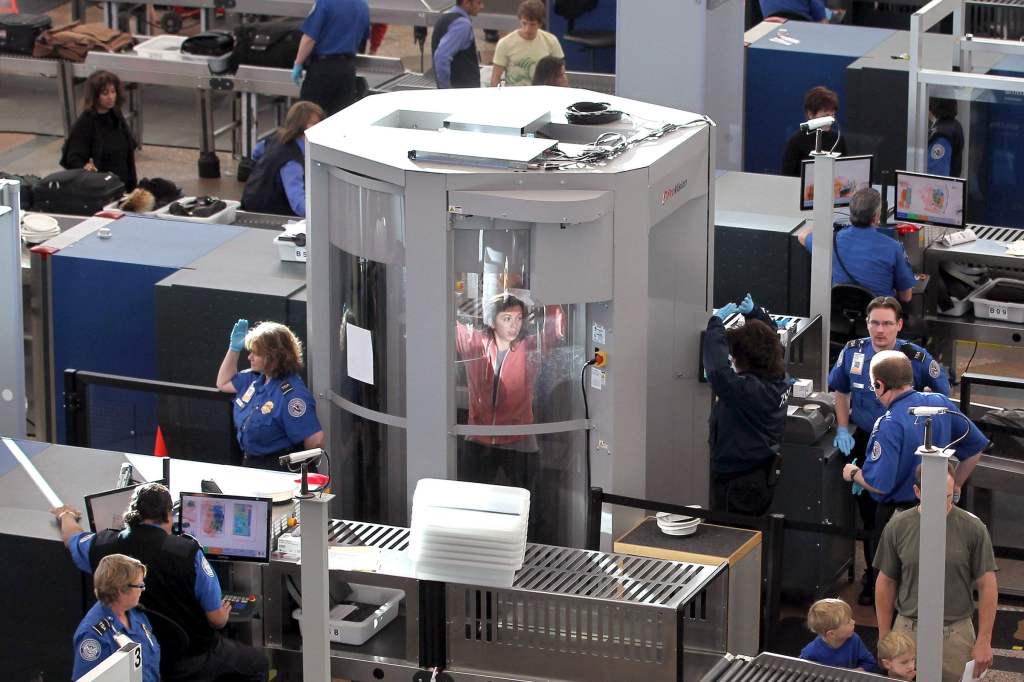
Aircrew members may receive an estimated 3 to 6 millisieverts of cosmic radiation each year, far more than the exposure received by occasional travelers.
The study found that flight attendants were 50% more likely and pilots 36% more likely to die from cancers considered potentially radiation-related compared with other occupational groups.
The researchers emphasized that the study does not prove cosmic radiation caused those cancers, but the pattern stood out because aircrew did not show the same excess for cancers not typically associated with radiation.

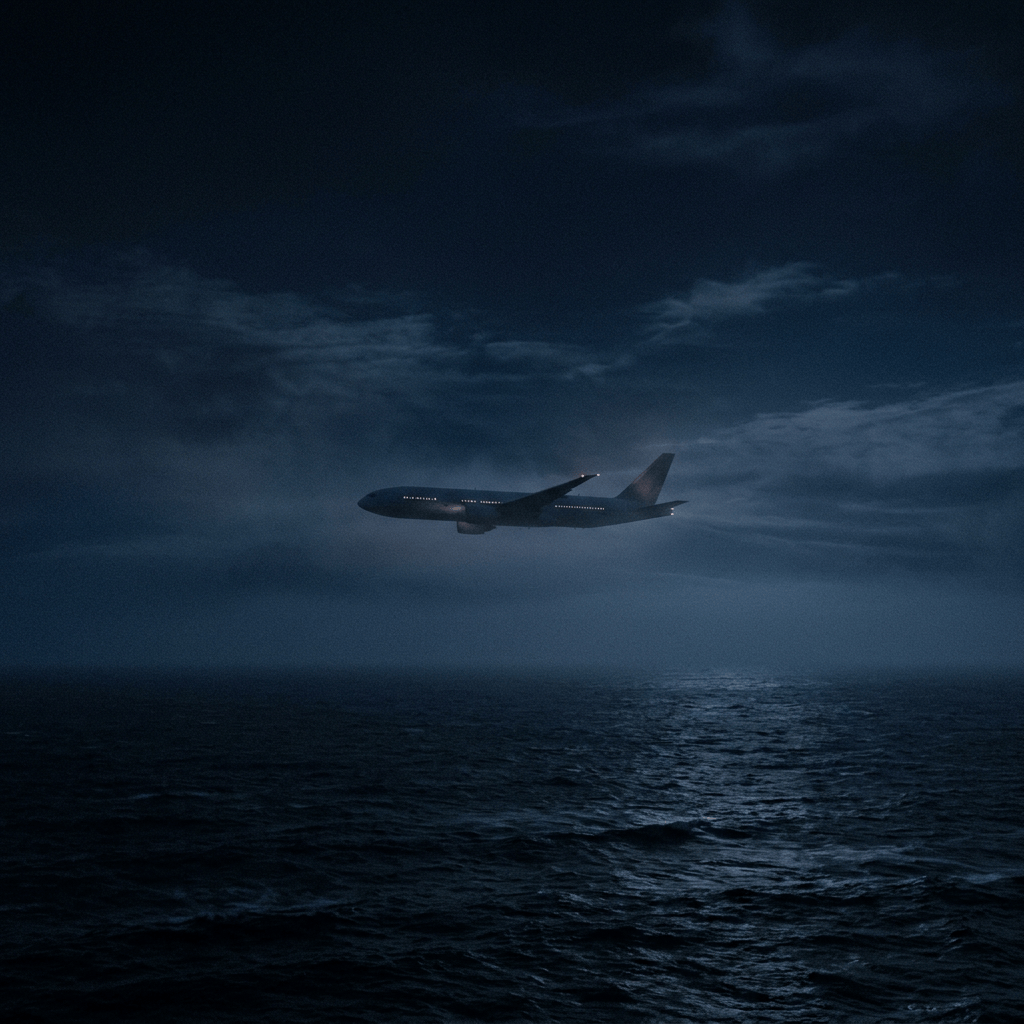
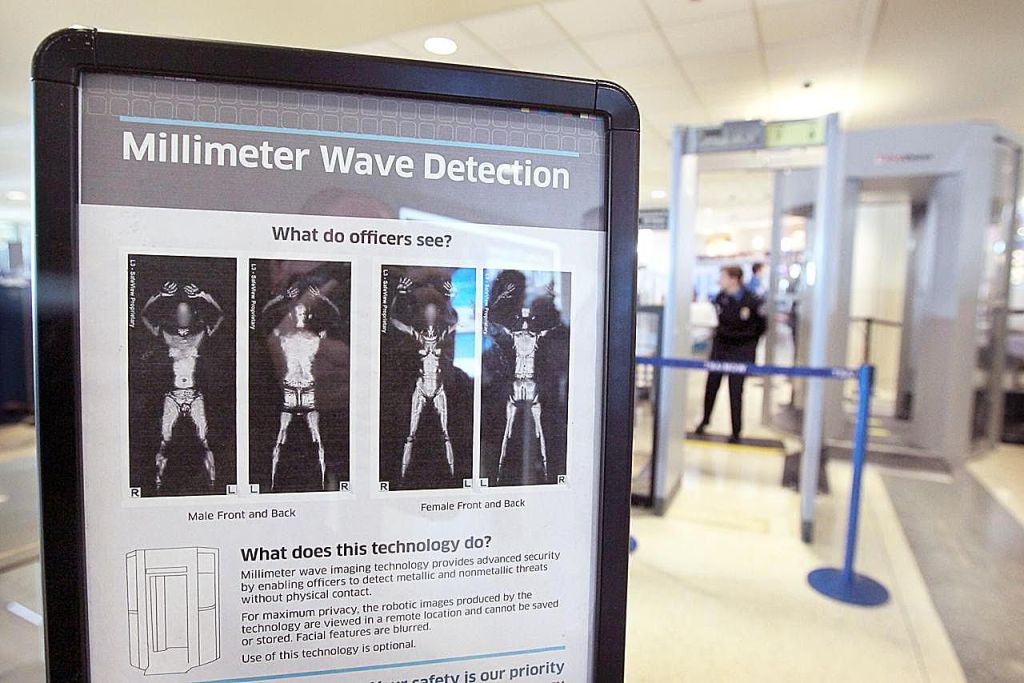
The bigger issue is cumulative exposure. Years spent at high altitude can add up, and frequent night flights may also disrupt circadian rhythms — another factor linked to long-term health concerns.
For people who fly often, especially aircrew, it makes sense to think beyond the destination and consider the biological cost of repeated time in the sky.
Supporting healthy sleep, minimizing unnecessary flights when practical and paying attention to total exposure may be simple ways to reduce some of that burden over time.
IN GOD WE TRUST




To receive free email notification, when we post new articles like this, sign up below. Clever Journeys does & will not sell or share your information with anyone.

Thanks for supporting independent true journalism with a small tip. Dodie & Jack


Interesting health-related information! 🙂
LikeLiked by 1 person
That’s sobering. Just think of all the people who fly so often, like the President, well, just millions of people soaking up radiation continually. Maybe it isn’t just jet lag making them tired.
LikeLiked by 1 person
Do you know what type of cancer frequent fliers are getting? Is it melanoma on the skin or an internal part of their body? I knew a retired airforce pilot who got a tumor under his skull.
LikeLiked by 1 person