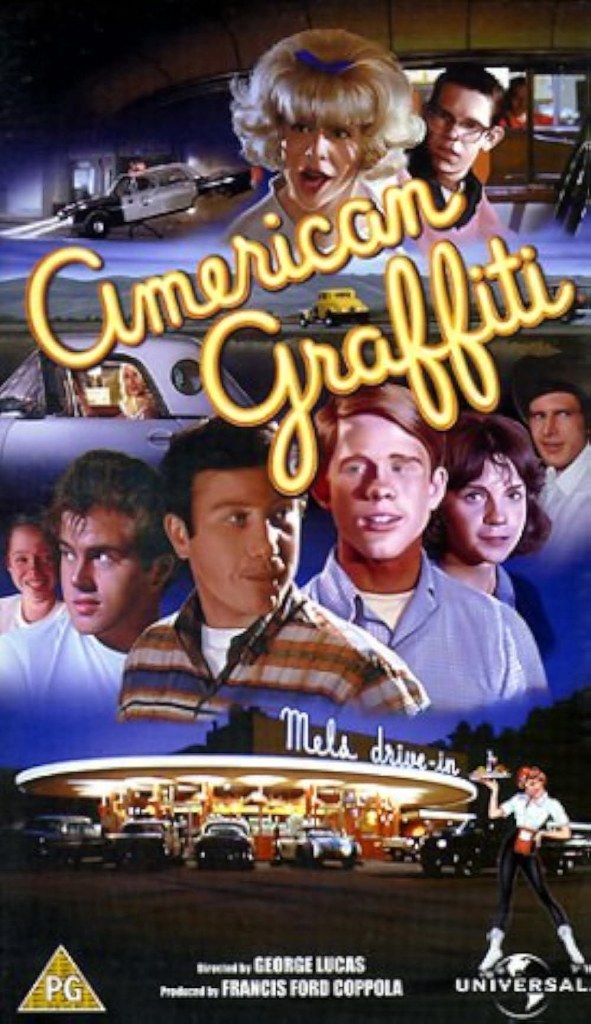
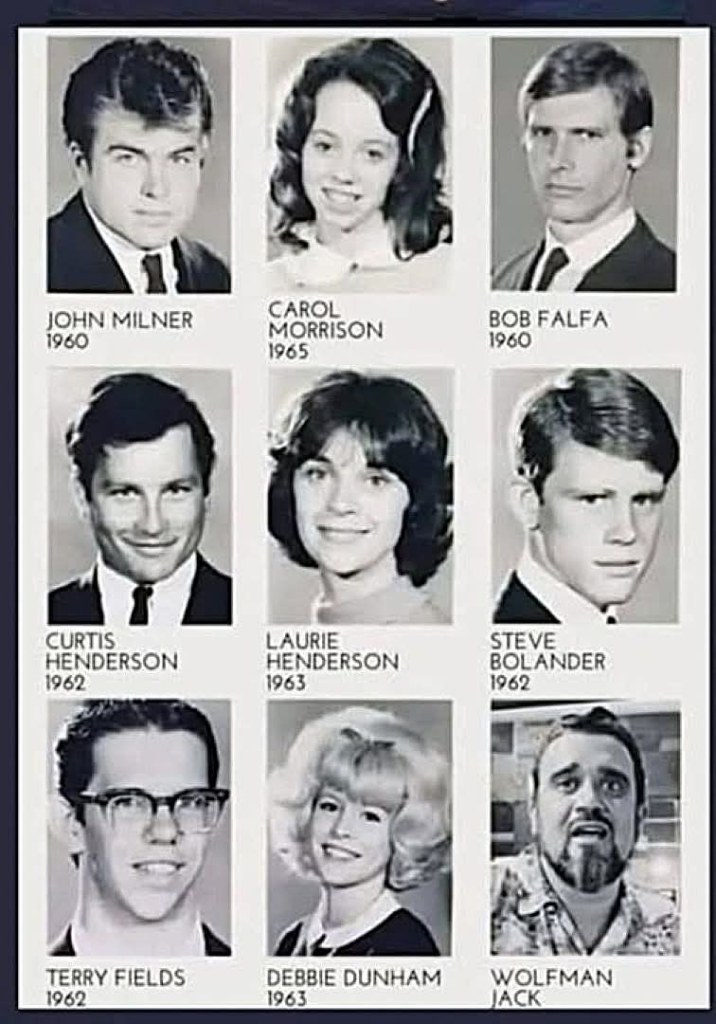
American Graffiti is a 1973 American coming-of-age comedy movie directed and co-written by George Lucas starring Richard Dreyfuss, Ron Howard, Paul Le Mat, Harrison Ford, Charles Martin Smith, Cindy Williams, Candy Clark, Mackenzie Phillips, Bo Hopkins, and Wolfman Jack. Suzanne Somers and Joe Spano also appear in the movie.
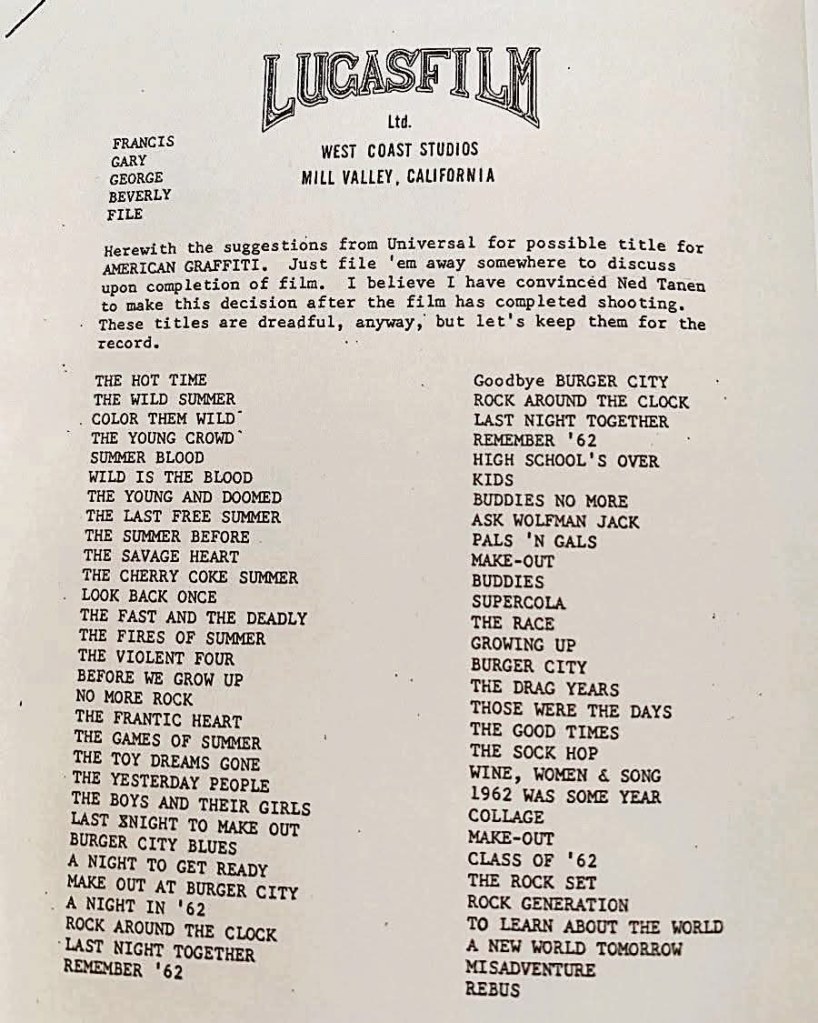
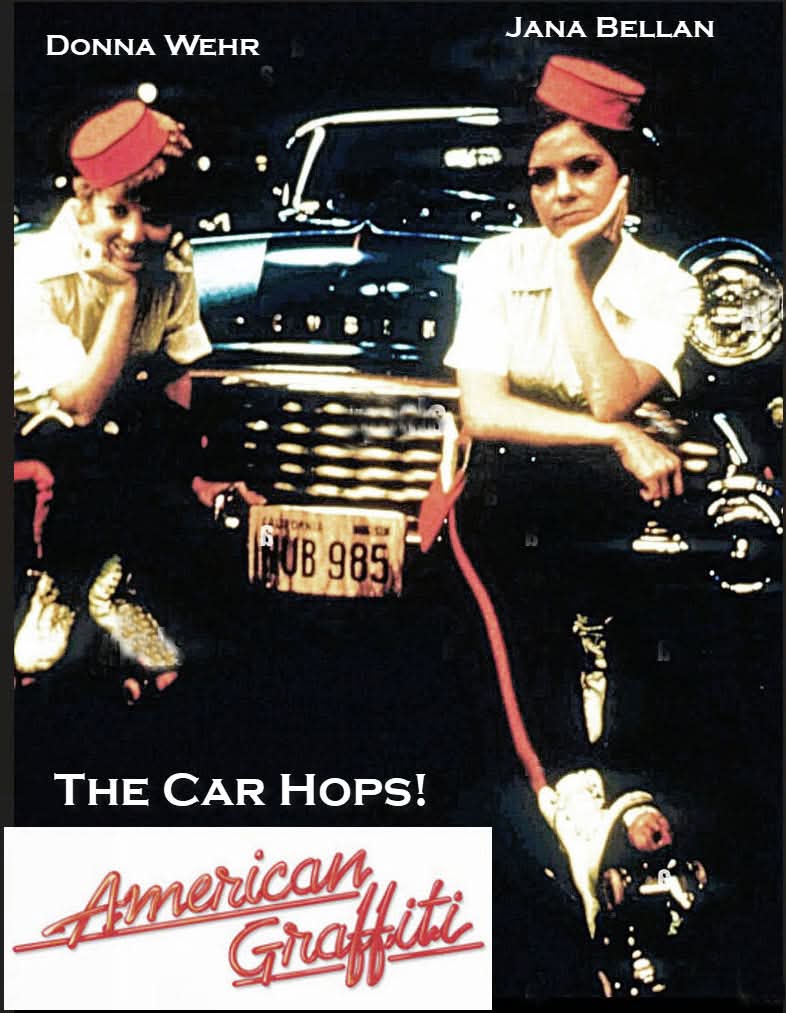
Universal Studio execs were skeptical of the film’s title; they didn’t know what “American Graffiti” meant and demanded it be changed to something that made more sense to them. They suggested many alternates as evidenced by the image in this article, including Rock Around the Block, The Drag Years, Summer Blood and Another Slow Night in Modesto – none of which worked for director George Lucas who insisted the name stay American Graffiti!
Lucas had written the screenplay with Willard Huyck and Gloria Katz, and producer Frances Ford Coppola. It was through support from Francis Ford Coppola that saved the name from being changed, even though Coppola admitted in later interviews that he too didn’t understand what the name meant either but respected George’s desire.
And the rest was history as they say!
1. Set in Modesto, California in 1962, the movie is a study of the cruising and rock and roll cultures popular among the post-World War II baby boom generation.
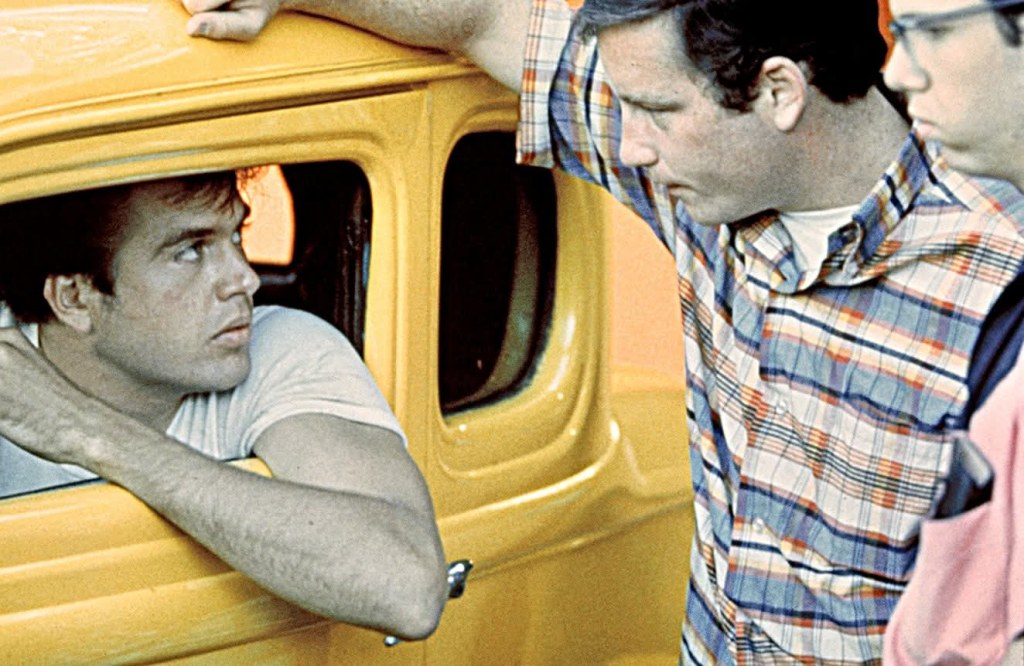
2. The movie is told in a series of vignettes, telling the story of a group of teenagers and their adventures over a single night.
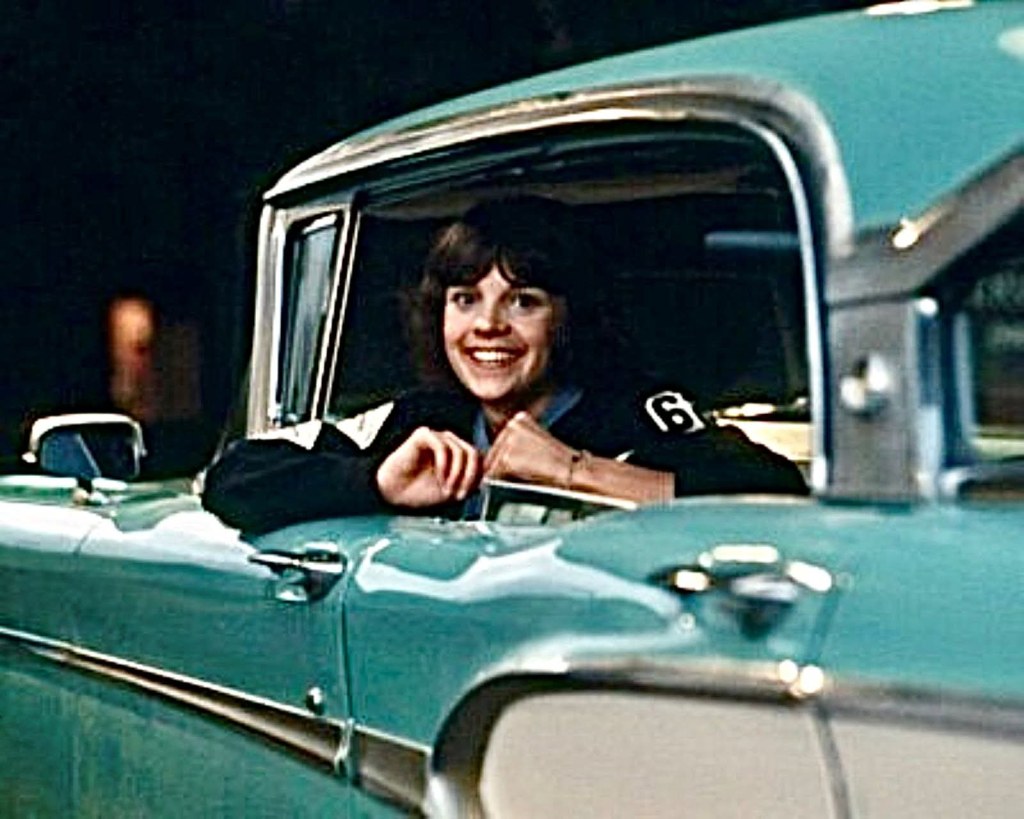
3. The genesis of American Graffiti was in George Lucas’ own teenage years in early 1960s Modesto.
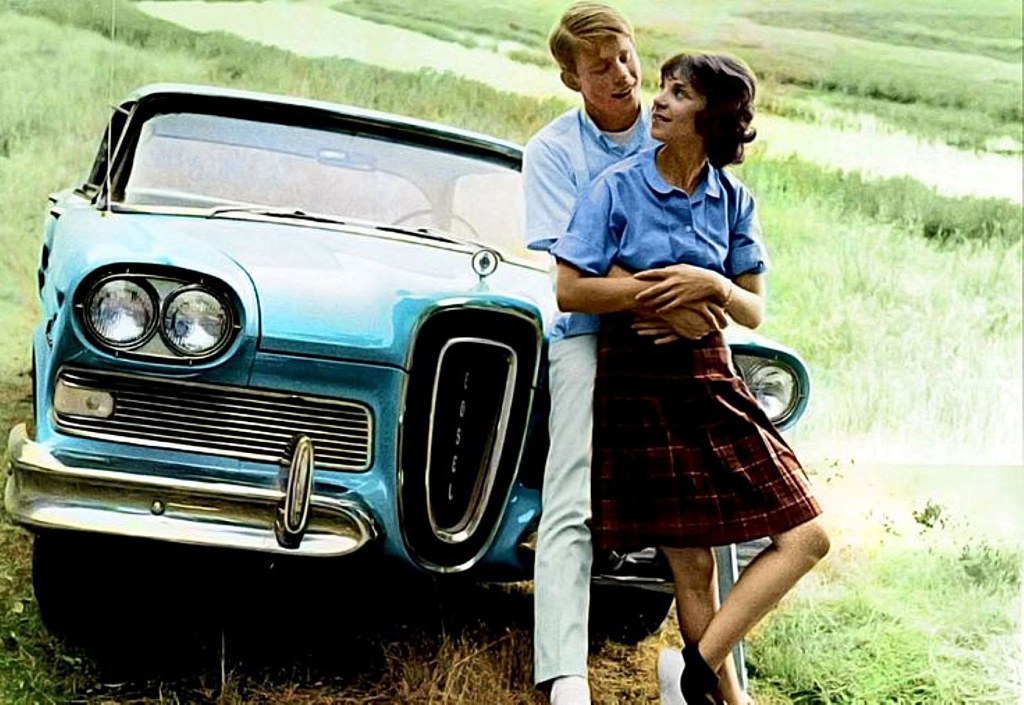
4. Filming was initially set to take place in San Rafael, California, but the production crew was denied permission to shoot beyond a second day.
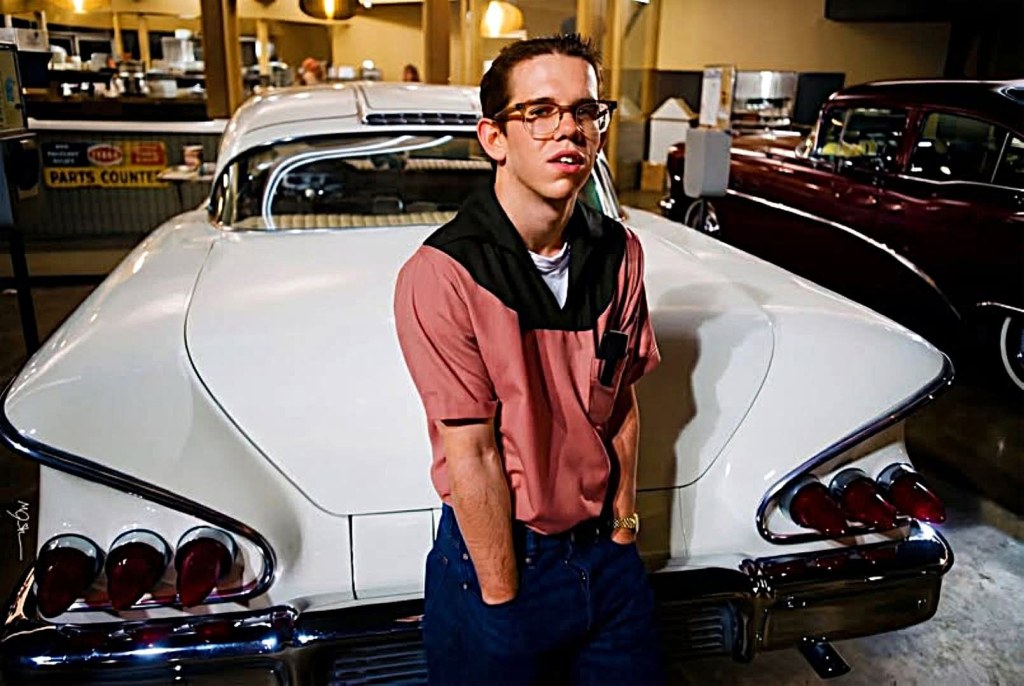
5. American Graffiti premiered on August 2, 1973, at the Locarno International Film Festival in Switzerland and was released on August 11, 1973, in the United States.
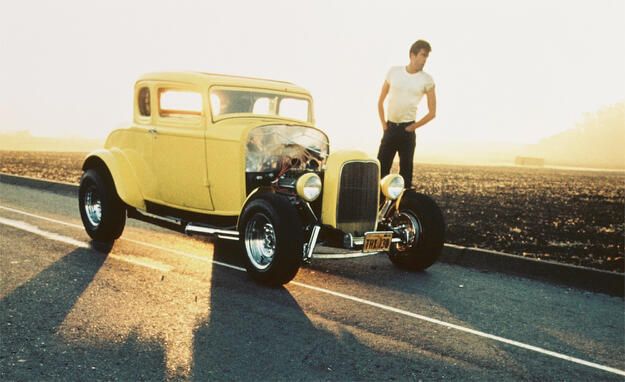
6. American Graffiti received widespread critical acclaim and was nominated for the Academy Award for Best Picture.
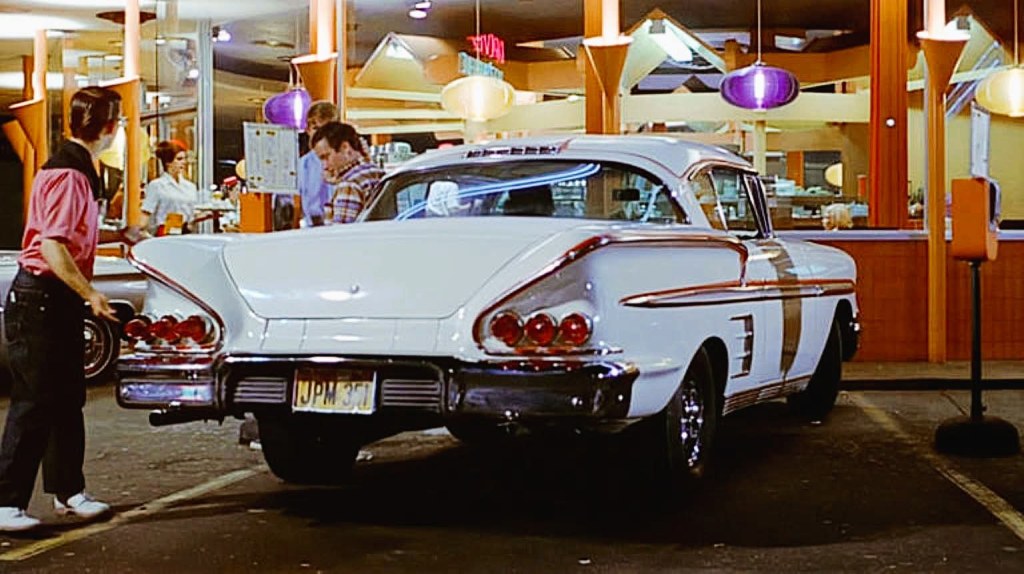
7. Produced on a $777,000 budget, it has become one of the most profitable movies of all time.
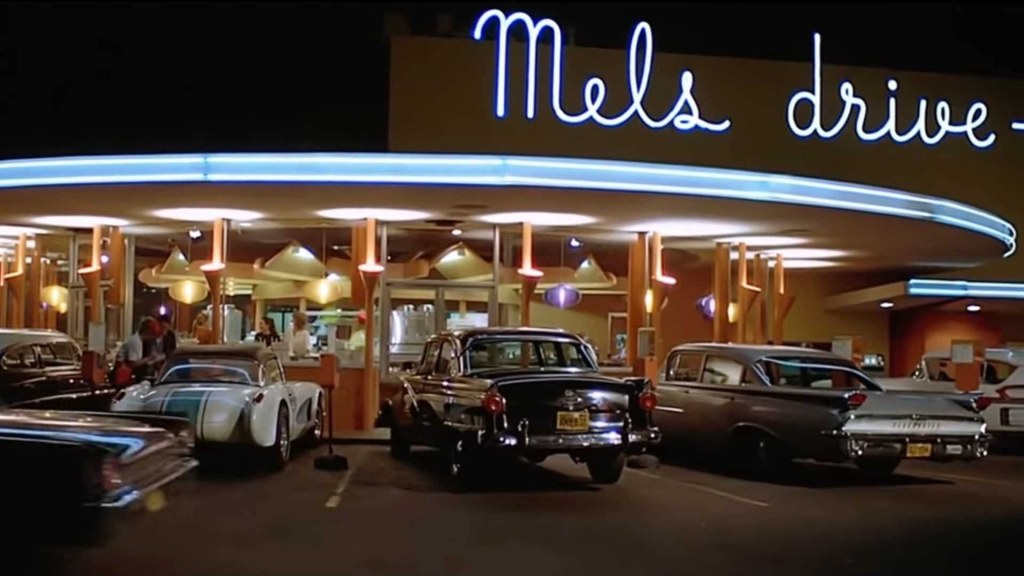
8. Since its initial release, American Graffiti has gained an estimated return of well over $200 million in box office gross and home video sales, not including merchandising.
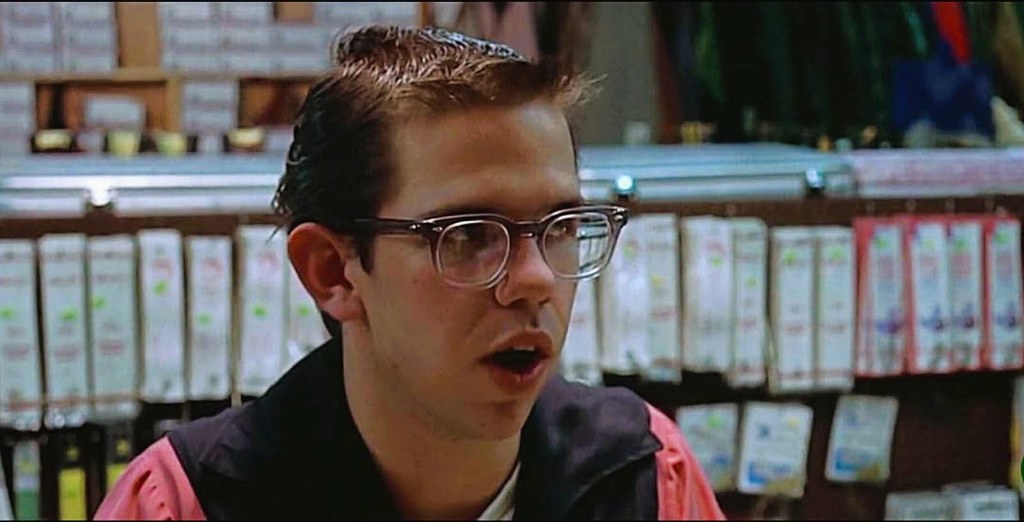
9. In 1995, the United States Library of Congress deemed the movie, “culturally, historically, or aesthetically significant,” and selected it for reservation in the National Film Registry.
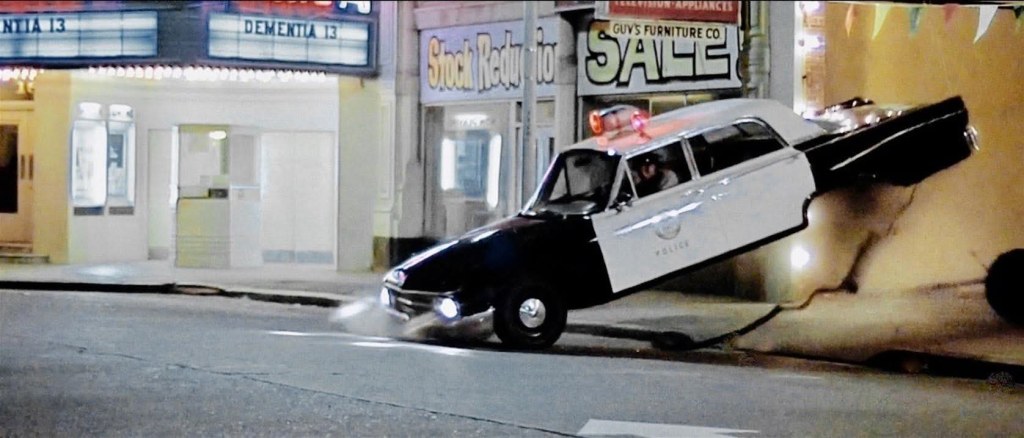
10. Due to the low budget, George Lucas wasn’t able to pay all of the crew members. He offered to give many of them a screen credit in lieu of payment, and they accepted. Traditionally, only department heads received screen credit. Giving screen credit to so many crew members has now become a tradition, which is why closing credits last so long now.
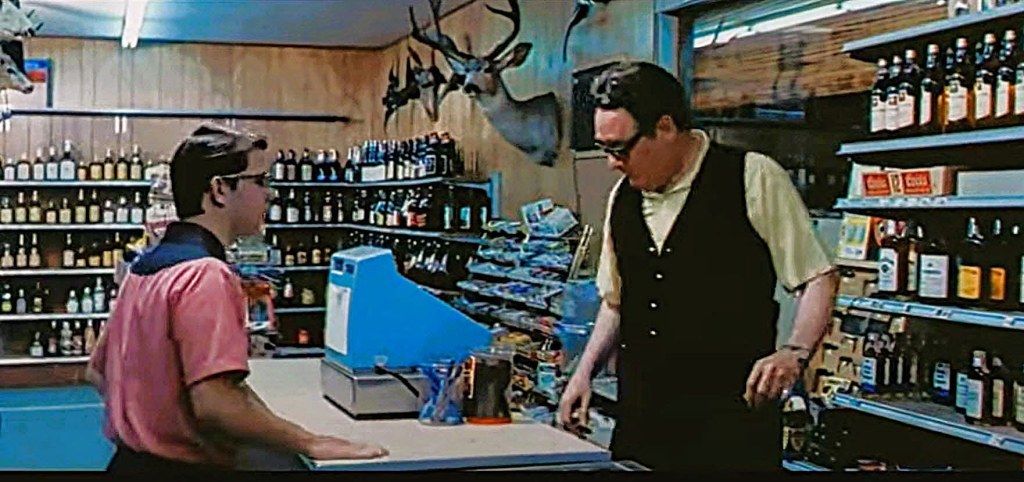
11. Harrison Ford was asked to cut his hair for the movie. He refused, stating that his role was too short, and offered to wear a hat instead.
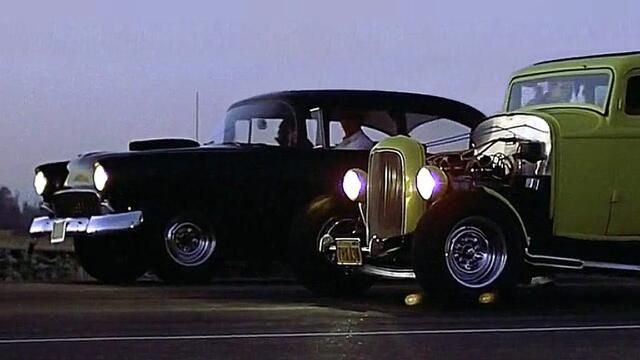
12. When Charles Martin Smith pulls up on the Vespa in the beginning, his crash into the building wasn’t scripted. He genuinely lost control of his bike and Lucas kept the cameras rolling.
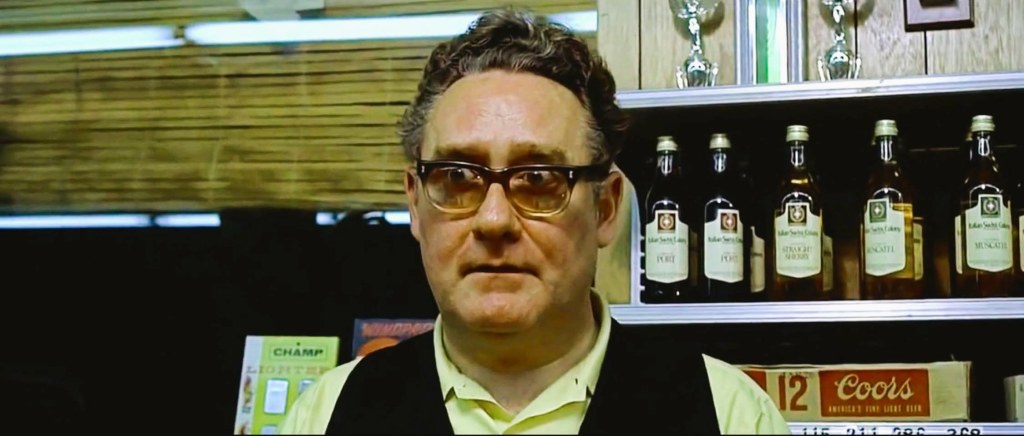
13. When Wolfman Jack makes an on-air prank call to Pinky’s Pizza, the voice on the other end belongs to George Lucas.
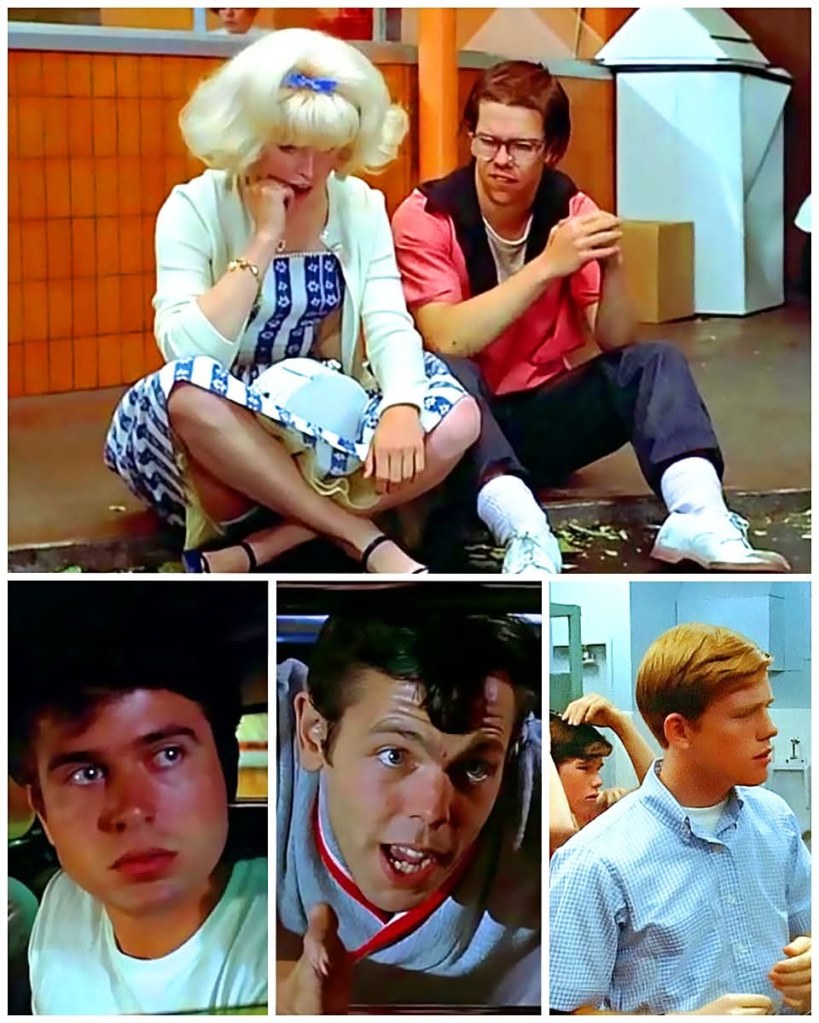
14. Ironically, George Lucas missed his high school reunion because he was too busy shooting American Graffiti.
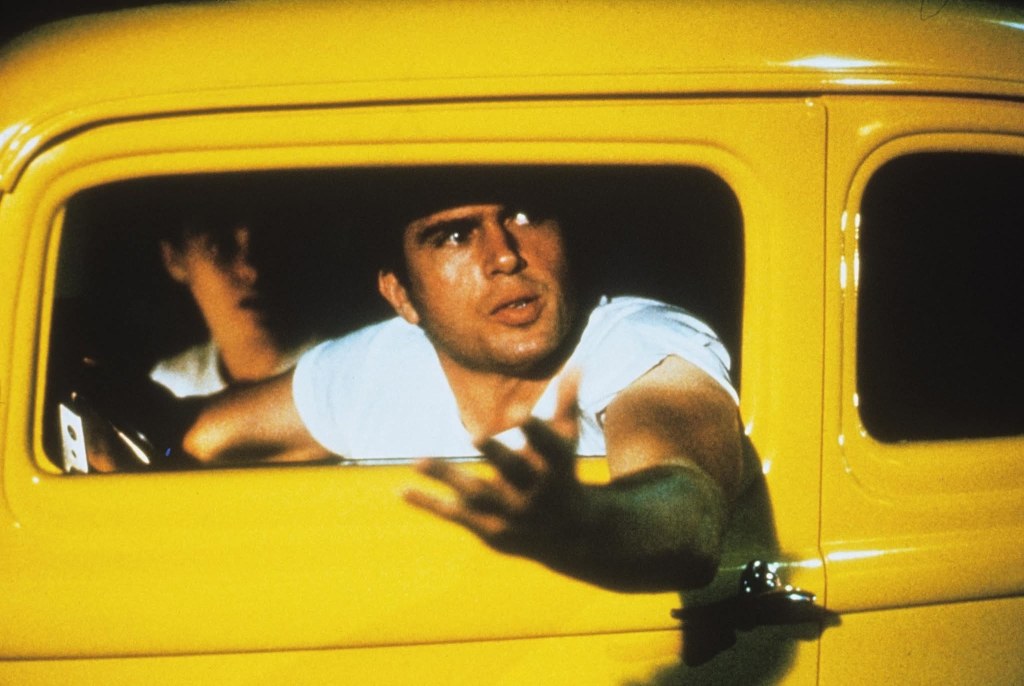
15. Wolfman Jack, who played himself in the movie, was specifically chosen by George Lucas to play a role in the movie because Lucas remembered listening to him on the radio when Lucas was in high school.
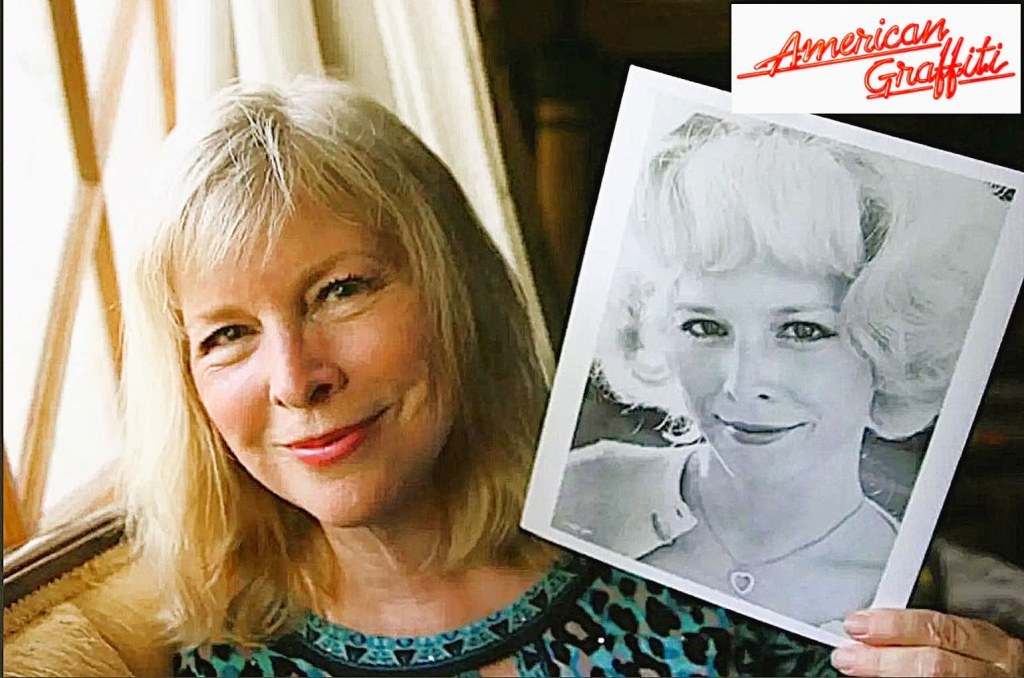
16. The owner of the Thunderbird was never more than a few feet away from his prized possession during filming, and was always wiping her down. He also drove Suzanne Somers crazy telling her what to do and what no to do.
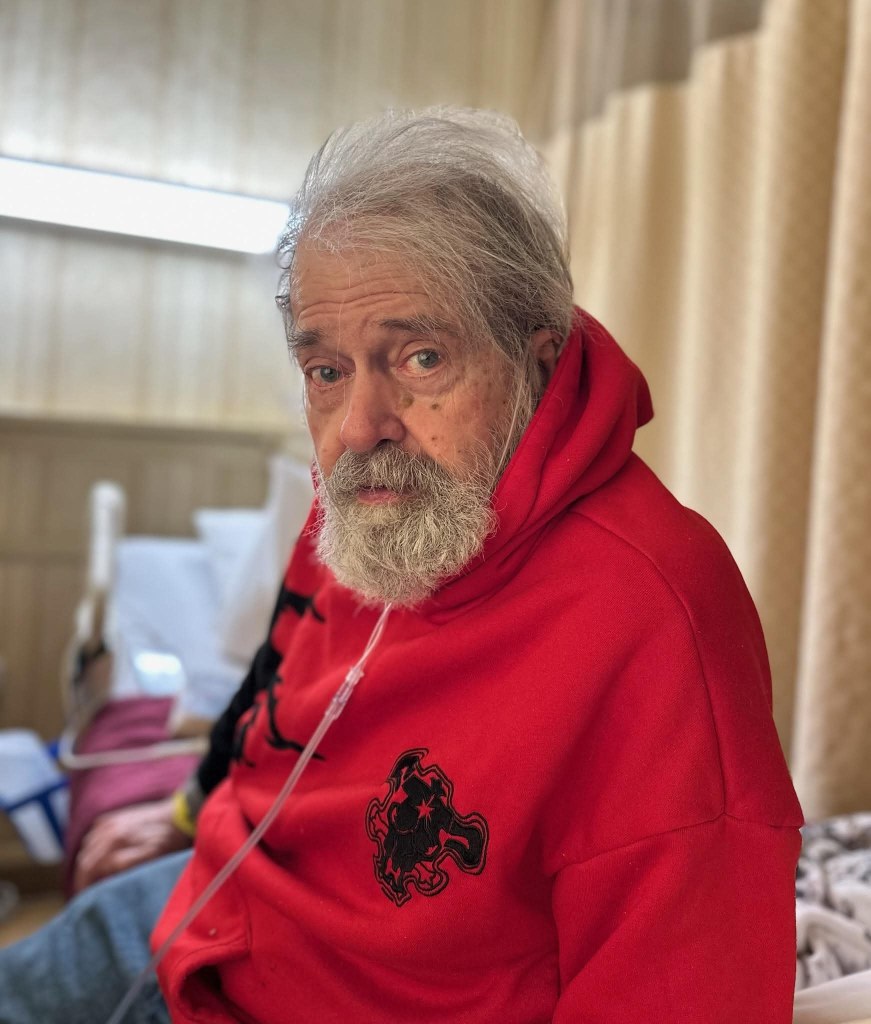
17. The film was shot in sequence, so as filming went on and the actors grew tired from the shooting schedule, the characters they played would also look more and more tired as the night went on.
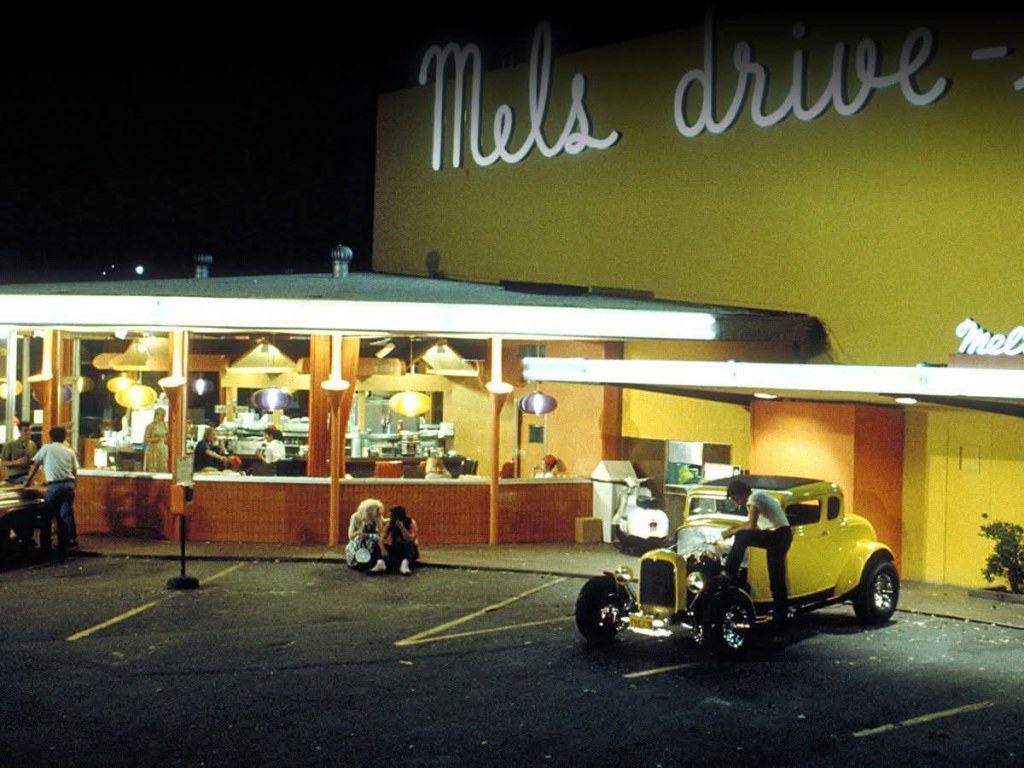
18. Dissatisfied with the name “American Graffiti,” producers Francis Ford Coppola and Ned Tanen suggested that George Lucas rename it, “Another Slow Night in Modesto” or “Rock Around the Block.”
19. Wolfman Jack’s line, “Sticky little mothers, ain’t they,” when shaking Richard Dreyfuss’s hand, was improvised.
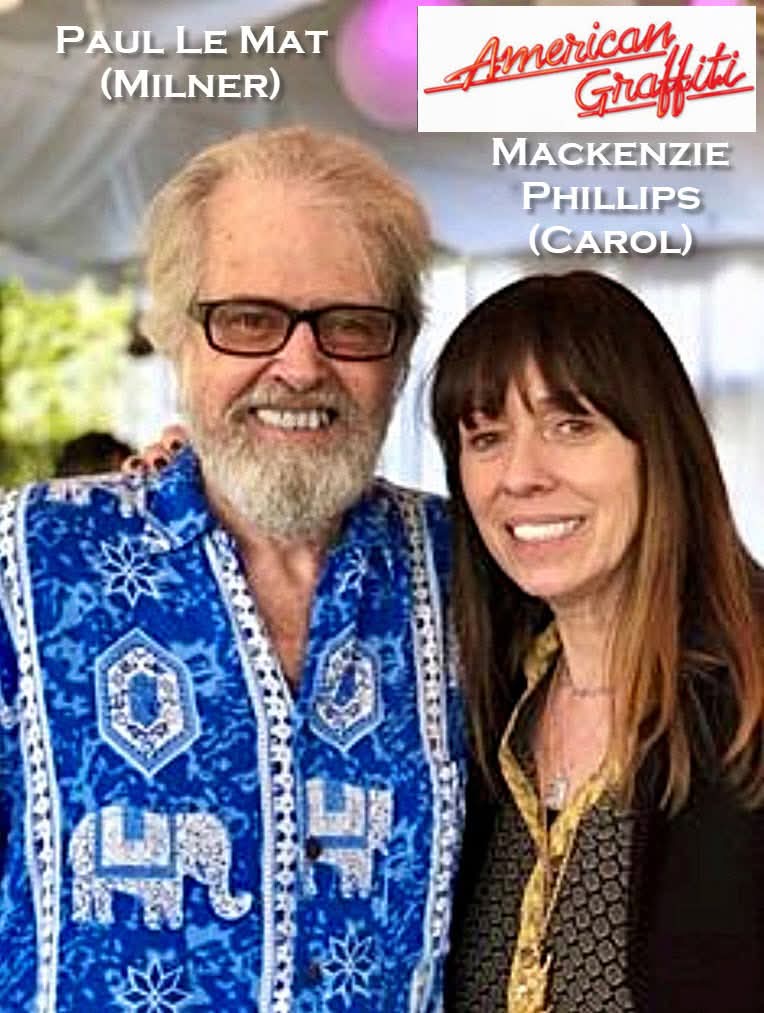
20. Screenwriters Willard Huyck and Gloria Katz wanted an additional title card at the end detailing the fates of the women, but George Lucas refused, arguing it would prolong the ending.
21. The 1955 Chevy Bob Falfa used in the movie is the same 1955 Chevy used in Two-Lane Blacktop.
22. Richard Dreyfuss recalls that he was often called onto the set early during camera setups because the plaid shirt he wears for much of the movie made for an effective test pattern.
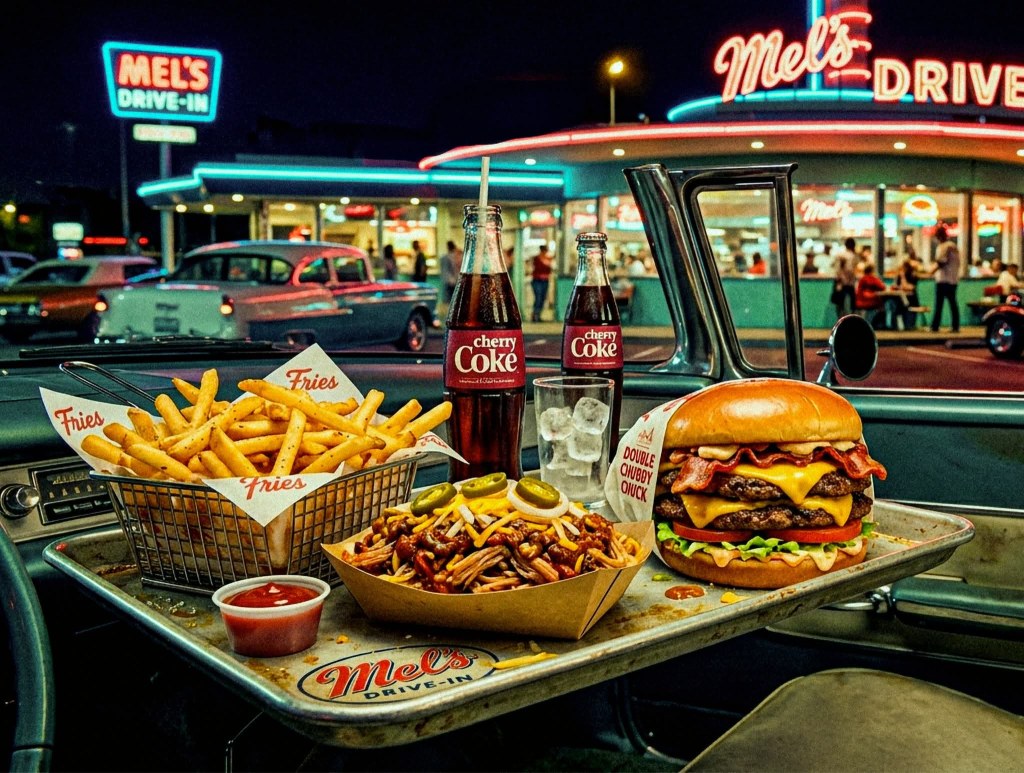
23. About 300 pre-1962 cars were needed to create the cruising scenes, and over 1,000 classic car owners who responded to ads in local newspapers were interviewed.
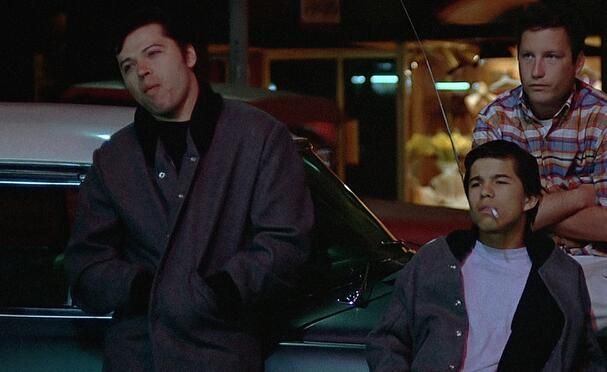
24. The street gang The Pharaohs that “kidnap” Richard Dreyfuss in the movie are based on George Lucas’ car club cohorts growing up in Modesto called The Faros.
25. Paul Le Mat, Harrison Ford, and Bo Hopkins were often drunk between takes, and had conducted climbing competitions to the top of the local Holiday Inn sign.
26. The playing of “oldies” in the soundtrack became part of a 1970s trend where various recordings by the original artists were used to score a movie.
27. The movie was shot almost exclusively at night.
28. Fred Roos, a former casting director on The Andy Griffith Show, suggested Ron Howard for Steve Bolander. Howard accepted the role to break out of the mold of his career as a child actor.
29. Harrison Ford was arrested one night while in a bar fight and kicked out of his motel room.
30. The Douglas DC-7 airplane, shown at the end of the movie was previously owned by the rock group Grand Funk Railroad.
.
To receive free email notification, when we post new articles like this, sign up below. Clever Journeys does & will not sell or share your information with anyone.
IN GOD WE TRUST
Thanks for supporting independent true journalism with a small tip. Dodie & Jack






Being from San Rafael and cruising up and down 4th Street as a teen, I’m pretty sure the cruising footage from movie took place on San Rafael’s 4th street and some in Petaluma. They named a major road after George called Lucas Valley Road which takes you from San Rafael to the historic town of Nicasio. He lives somewhere up that road.
LikeLiked by 2 people
Interesting. So glad to hear from you
LikeLike
Oh my, how society has changed since the 1960s! I guess I’ll soon be watching American Graffiti. I loved finding out about the background stories behind the movie. George Lucas was so young! 🙂
LikeLiked by 1 person
If only we could jet back in time and watch reruns of growing up in those eras. Great story. Now we need Animal House another classic
LikeLiked by 1 person
Wow. I would enjoy seeing Animal House again.
LikeLike