
“Life is nothing but an electron looking for a place to rest.” — Albert Szent-Györgyi, a Hungarian physiologist and Nobel Prize laureate.
This metaphor beautifully encapsulates the essence of life as a series of energy transfers, primarily mediated by electrons.

In biological systems, energy is constantly in flux, and this process is fundamentally driven by redox (oxidation-reduction) reactions.
These reactions are essential for life, as they facilitate everything from cellular respiration to metabolic functions that fuel life processes.
A redox (oxidation-reduction) reaction involves the transfer of electrons between two substances. One substance loses electrons (oxidation), while the other gains electrons (reduction).
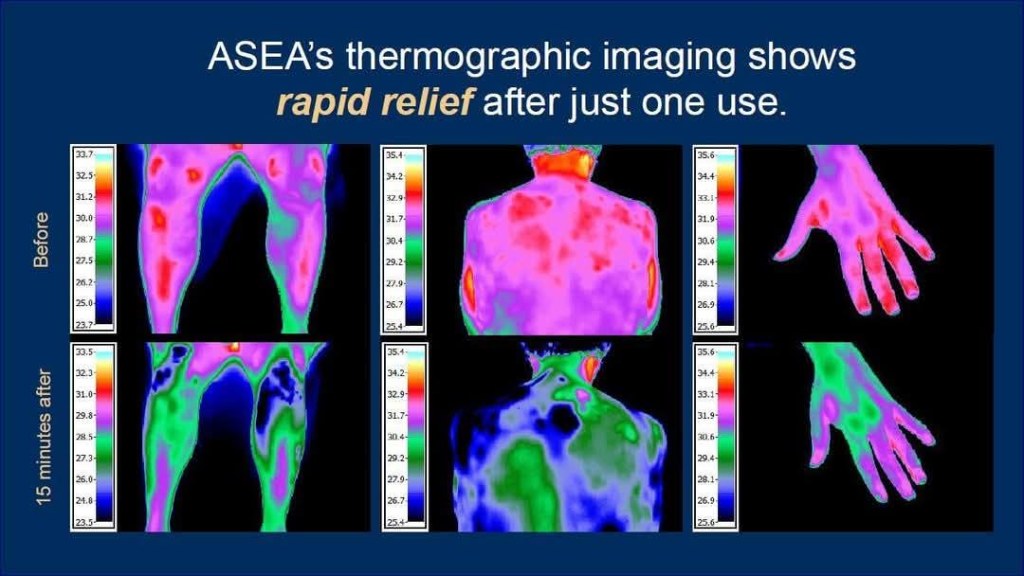
In simple terms, oxidation is the process of giving up electrons, and reduction is the process of accepting them.
This movement of electrons generates an electric potential, which is the basic driving force behind energy transfer.
In certain systems, like batteries, this potential is harnessed to generate electricity. However, in biological systems, this electron movement drives chemical processes that are critical for life.
Redox Reactions in Biological Systems
In living organisms, redox reactions play a pivotal role in generating chemical energy through processes like cellular respiration.
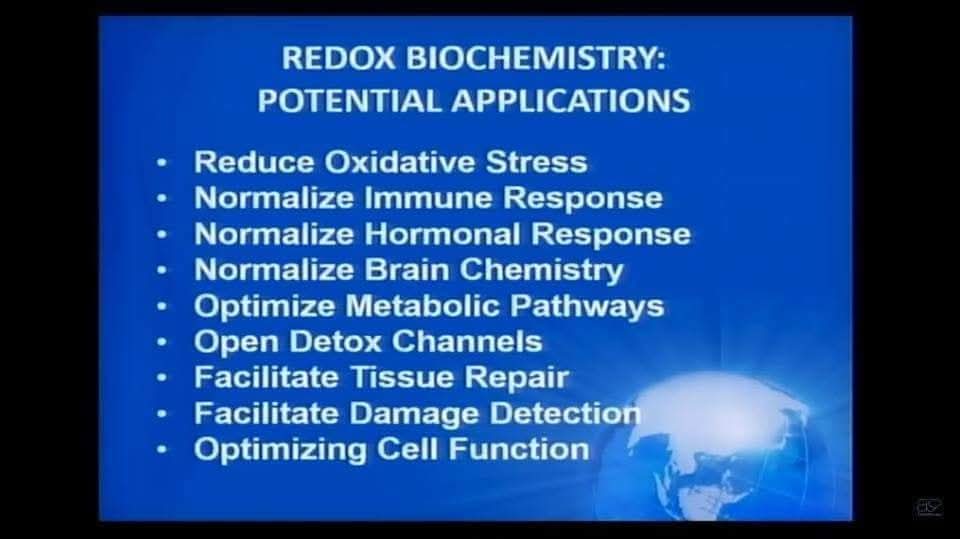
For example, in mitochondria—the “powerhouses” of cells—oxygen is reduced, and nutrients like glucose are oxidized. This series of reactions leads to the production of ATP (adenosine triphosphate), the molecule cells use for energy.
The constant transfer of electrons in redox reactions is what keeps cells functioning. As electrons move from one molecule to another, energy is captured and stored in chemical bonds. Alternatively, it is released to power biological processes.
Linking to Redox Signaling
Beyond energy production, redox reactions have another critical role: redox signaling.
Redox signaling refers to the regulation of cellular activities through controlled oxidation-reduction reactions.
When cells undergo oxidative stress, they produce reactive oxygen species (ROS) and reactive nitrogen species (RNS).

These molecules can act as signaling messengers, affecting processes like gene expression, protein function, and cell survival.
Redox signaling is essential in maintaining cellular homeostasis and responding to environmental stressors. The balance between oxidation (production of ROS) and reduction (neutralizing ROS) is crucial.
When this balance is disrupted, it can lead to cellular damage, aging, or disease. This occurs as cells become overwhelmed by oxidative damage. Alternatively, they may be unable to respond adequately to changes in their environment.
In the context of redox signaling, redox molecules serve as vital communicators, helping cells adapt and respond to stress.
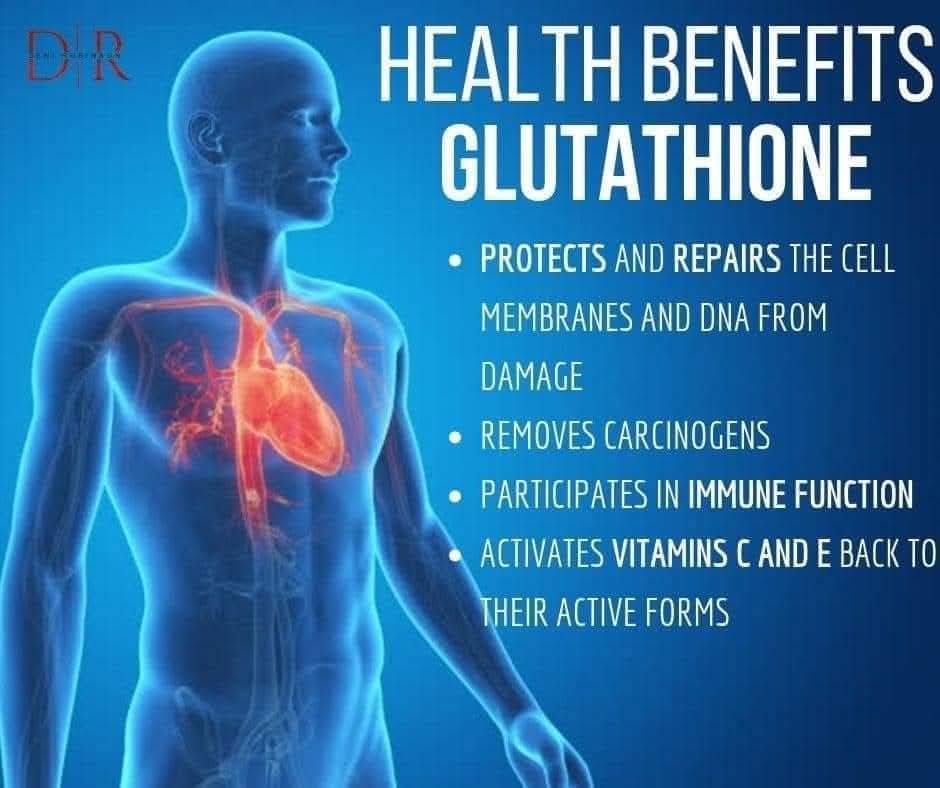
These signaling pathways are not just about energy transfer. They are also crucial for regulating immune responses. They help with cellular repair mechanisms and even cell division. Therefore, proper redox balance is essential for both the energy needs and the overall health of the cell.
Redox Signaling and Cellular Communication
Redox signaling allows cells to communicate through oxidative and reductive signals. These signals help the cell determine when to activate defense mechanisms.

The cell can repair itself. If it’s too damaged, the cell might undergo apoptosis (programmed cell death). It’s part of how the body maintains balance, health, and function.
When redox signaling is properly functioning, cells can effectively repair damage. They can also respond to environmental challenges. This activity contributes to longevity and well-being.
In summary, redox reactions are foundational to the generation of energy. They also serve a broader role in cellular communication through redox signaling. This dual role—providing energy and regulating cell functions—demonstrates the profound importance of electron transfer in life processes.
To receive free email notification, when we post new articles like this, sign up below. Clever Journeys does & will not sell or share your information with anyone.
IN GOD WE TRUST


Thanks for supporting independent true journalism with a small tip. Dodie & Jack

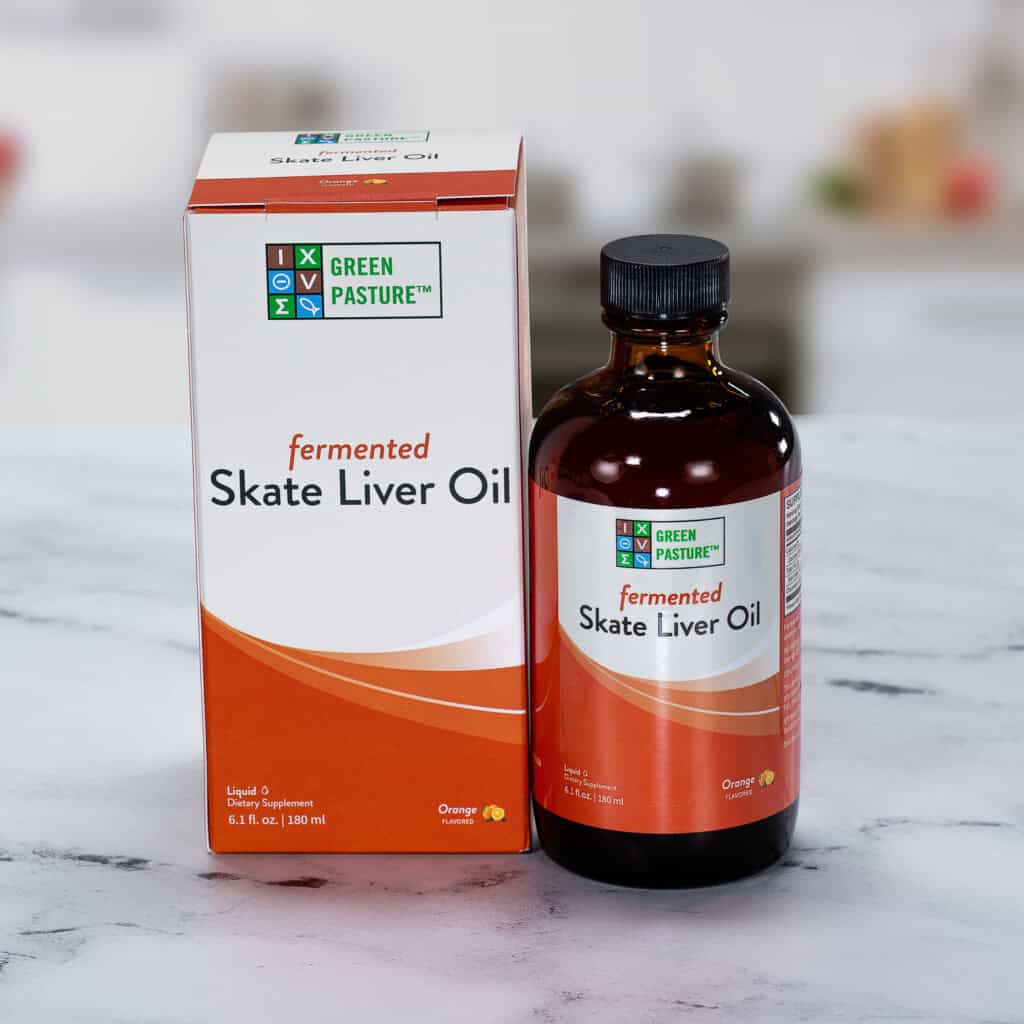
CLICK HERE for GREEN PASTURE BENEFITS

Use Code CLEVER10 for a 10% discount on Green Pasture products today!

☆☆☆☆☆
ASEA Wellness
Fueled on Human Potential


Immune Support: Supports cellular health and normal immune function.
Heart Health: Helps maintain healthy circulation and vascular function.
Brain Function: Supports mental clarity and helps reduce oxidative stress.
Digestive Support: Supports digestive enzyme activity and nutrient uptake.

Hormone & Mood Balance: Helps maintain healthy energy and mood signaling.

For more information on ASEA products click here or contact Elizabeth Hajek at 210-779-0994.
Books


☆☆☆☆☆

Thank you for sharing this
To receive free email notification, when we post new articles like this, sign up below. Clever Journeys does & will not sell or share your information with anyone.
.
IN GOD WE TRUST

Thanks for supporting independent true journalism with a small tip. Dodie & Jack
CLICK HERE for GREEN PASTURE BENEFITS
Use Code CLEVER10 for a 10% discount on Green Pasture products today!
☆☆☆☆☆

☆☆☆☆☆
☆☆☆☆☆


Thank you for the discussion. I’ve spent time and energy studying subject a few years ago.
My conclusion: We need oxygen to live! The oxidative process in body is essential for life and health
My favorite researcher on subject is Dr. R. Howes. (Randolph) He has 3 you tube videos. The one that caught my attention on subject is titled “Free Radical Theory of Aging and Oxidative Stress” The other Two videos are titled; Antioxidant Pollution and Antioxidant Overkill.
Consider taking a few minutes to watch. They are 5 to 15 min clips
Dr. Howes is a pioneer in this field and definelty challenges todays THEORY on Subject .
LikeLiked by 2 people
Boy is this amazing; so simple and yet so complex: I’m trying to wrap my head around it. And they expect us to bellieve that we, so fantastically made, evolved from a single cell? We do need oxygen to live, and enough in our cells gives us proper PH balance so we stay healthy. So much to this.
LikeLiked by 1 person