“He kept fighting despite his painful wounds, continuing to repel the attack until his position was overrun. When last seen he was fighting ferociously against an overwhelming number of enemy soldiers,” according to his Medal of Honor citation.

“I just thought I was doing my duty,” Army Corporal Miyamura later recalled. “I wasn’t trying to be a hero.”
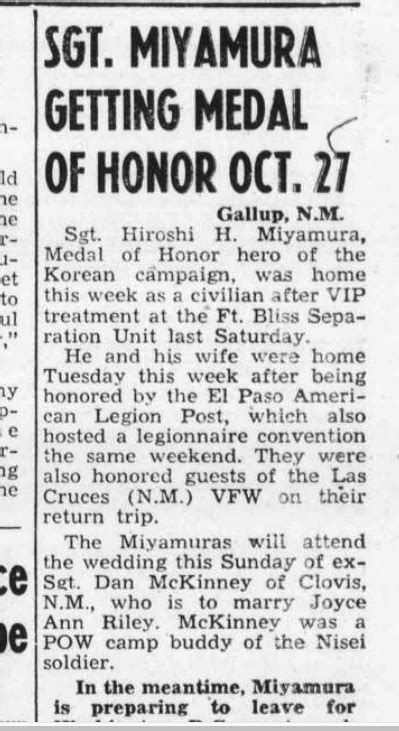
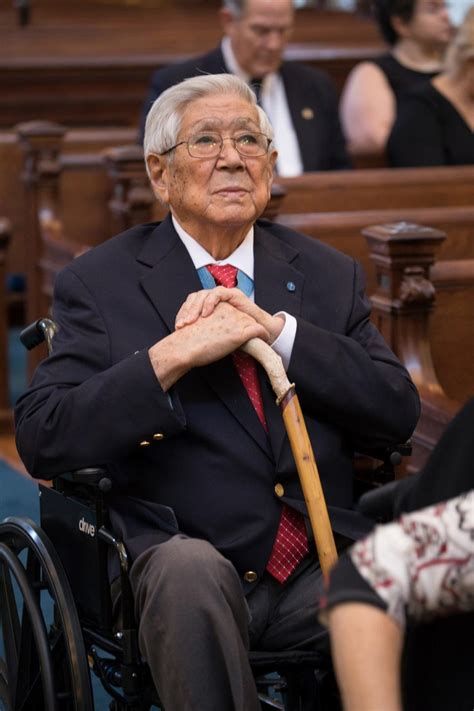
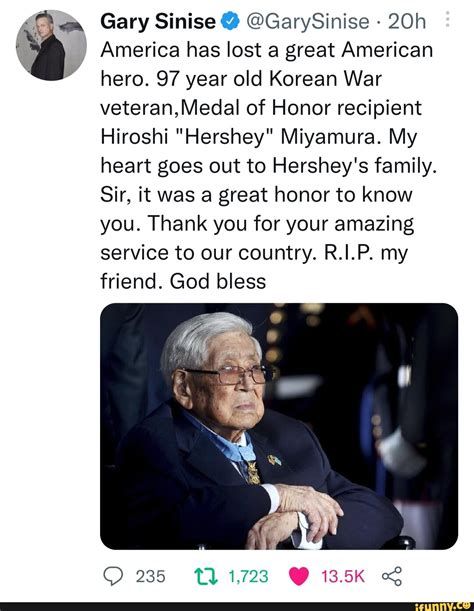
When the Korean War began, Army Cpl. “Hershey” Hiroshi Miyamura, a second generation American, could never have expected that he, the son of humble Japanese immigrants, would go on to receive America’s highest decoration for military valor.
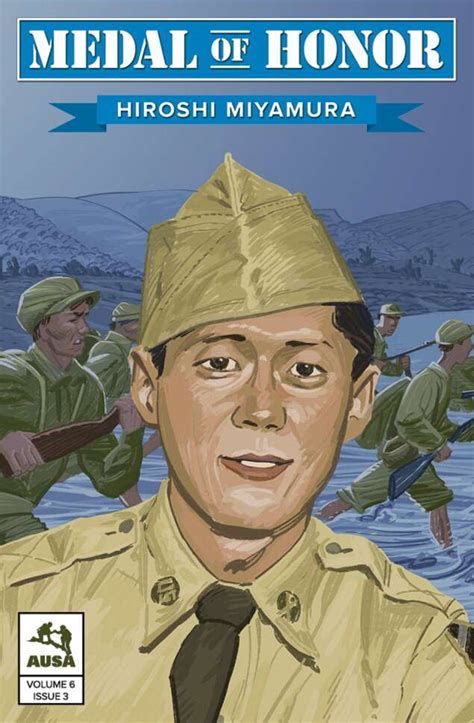
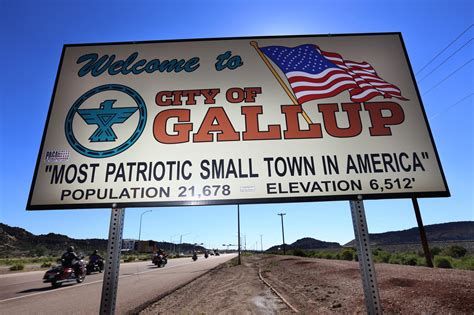
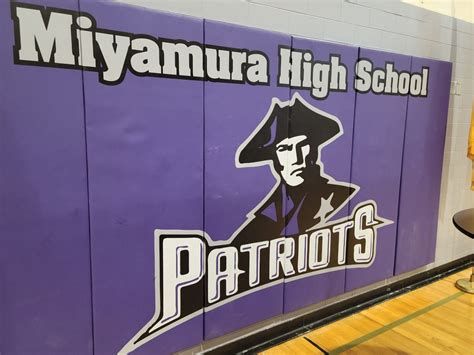
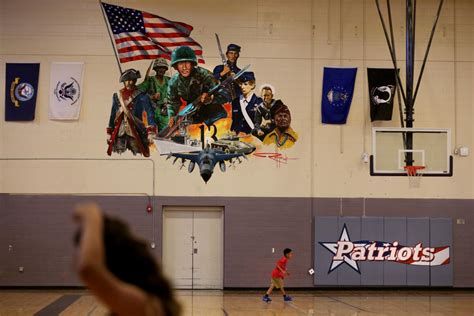
His parents had moved to Gallup, New Mexico in 1922 and bought a 24-hour diner there. He was the fourth of eight children. His mother died when he was 11. He got the nickname “Hershey” because his 4th grade teacher could not pronounce his first name correctly.
Miyamura joined the United States Army in January 1945. He volunteered to be part of the 100th Infantry Battalion, 442nd Infantry Regiment, where he trained as a machine gunner. This army unit was mostly made up of Japanese-Americans from Hawaii and the mainland.
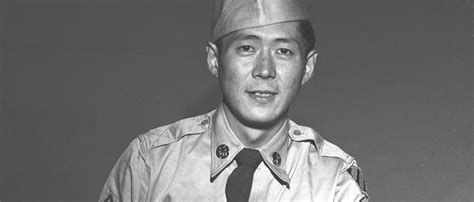
He was discharged from the army shortly after Japan surrendered in World War II. He later enlisted in the United States Army Reserve.
Miyamura deployed to Korea in November 1950. As a corporal in 3rd Infantry Division, Miyamura was serving as a machine gun squad leader when his group was suddenly attacked near Taejon-ni on April 24, 1951. U.S. forces defending the hill where Miyamura was located were overrun by a literal human wave of attacking Chinese troops.
“After I heard the bugles and saw a flare or two going off, that’s when the firing commenced,” said Miyamura. “I was positioned between two other machine gunners, I had two cases of grenades, an M-1 rifle, a carbine and a pistol. I don’t recall how long the guns were firing, but pretty soon, the first gunner came by and said it was getting ‘too hot.’ I fired as long as I could until the machine gun jammed on me, then both gunners were gone, I was there by myself.”
Miyamura heroically ordered his men to withdraw to save their lives. He resolved to stay behind and was willing to sacrifice himself to repel the enemy. “While they were leaving, I just fired and threw grenades all that I could,” he recalled.
Leaving cover, he killed 10 Chinese soldiers with his bayonet in hand-to-hand combat. He also manned a vacant machine gun position and fired at the enemy, while evacuating fellow soldiers and trying to give aid to the wounded. Miyamura single-handedly killed more than a dozen enemy soldiers.
“He maintained his magnificent stand despite his painful wounds, continuing to repel the attack until his position was overrun. When last seen he was fighting ferociously against an overwhelming number of enemy soldiers,” according to his Medal of Honor citation.
Miyamura sustained shrapnel injuries to his leg when he came face to face with a Chinese soldier, who tossed a grenade as Miyamura bayoneted him. After crawling through barbed wire to escape the area, Miyamura fell unconscious. When he regained his senses, he was taken prisoner by the Chinese.
“I heard the noise die down, and then thought I was safe but before I even moved I heard a voice in English saying ‘Get up, you’re my prisoner. Don’t worry, we have a lenient policy. We won’t harm you.’”
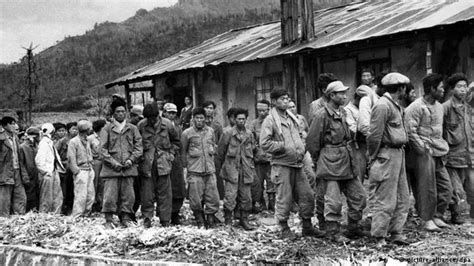
What happened after the battle was a test not only of physical strength but of willpower. Life became hell for Miyamura and other Allied prisoners as they were forced on a long march. They were given no medical assistance and only scant food.
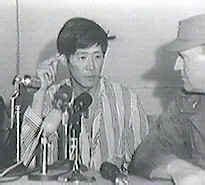
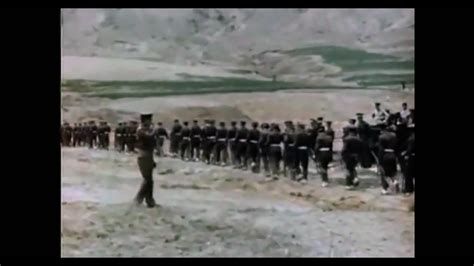
“On my third week into the march, I suffered from what I guess you would call hallucinations. I saw a mirage of pancakes that wasn’t there … almost the time when I was ready to give up,” Miyamura remembered.
Their only rations consisted of rice and barley powder infested with weevils. Some soldiers refused to eat and died. Many men simply expired after giving up hope. Miyamura could barely keep moving and did not think he could last. Yet he clung to his will to live.
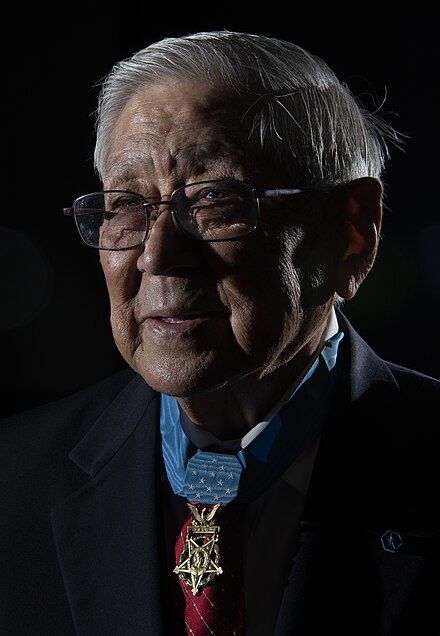
“I didn’t want to think about what was happening,” he said. “I wanted to concentrate on raising a family once I got home. I think that’s what kept me going.”
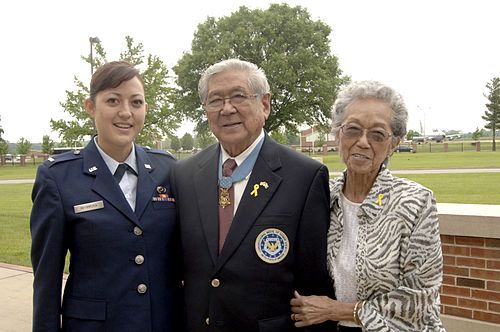
He spent two years in a POW camp in Changson. Things “got to the point later that we thought we would never be released,” he remembered.
Miyamura’s weight had dropped to barely 100 pounds by the time the U.S. and North Korea signed an armistice on July 15, 1953. He arrived in Freedom Village in the Demilitarized Zone in August. He could not focus on anything but the sight of the American flag he saw flying there.
“To this day I don’t remember crossing the bridge,” he said. “All I can remember is seeing a big U.S. flag flying in the breeze, and I just concentrated on that flag. That was such a wonderful sight, to see that Star-Spangled Banner fluttering in the breeze.”
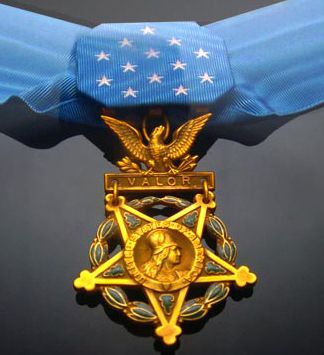
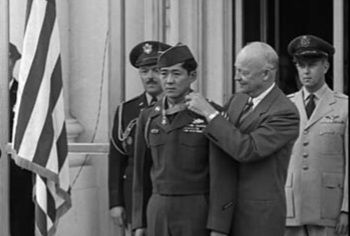
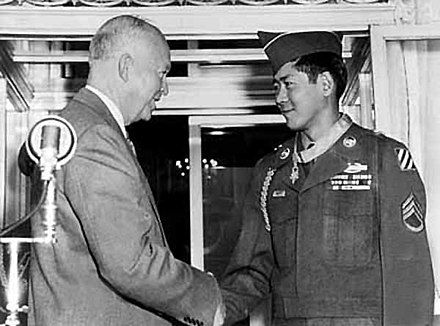
Miyamura received the Medal of Honor but the government kept it secret until his release as a POW so as not to endanger his life in captivity. It was the first Medal of Honor to be kept secret.
His medal was presented to him by President Dwight D. Eisenhower in October 1953 at the White House.
God Bless our Veterans!
☆☆☆☆☆
To receive free email notification when we post new articles like this, sign up below. Clever Journeys does & will not sell or share your information with anyone.
☆☆☆☆☆
IN GOD WE TRUST
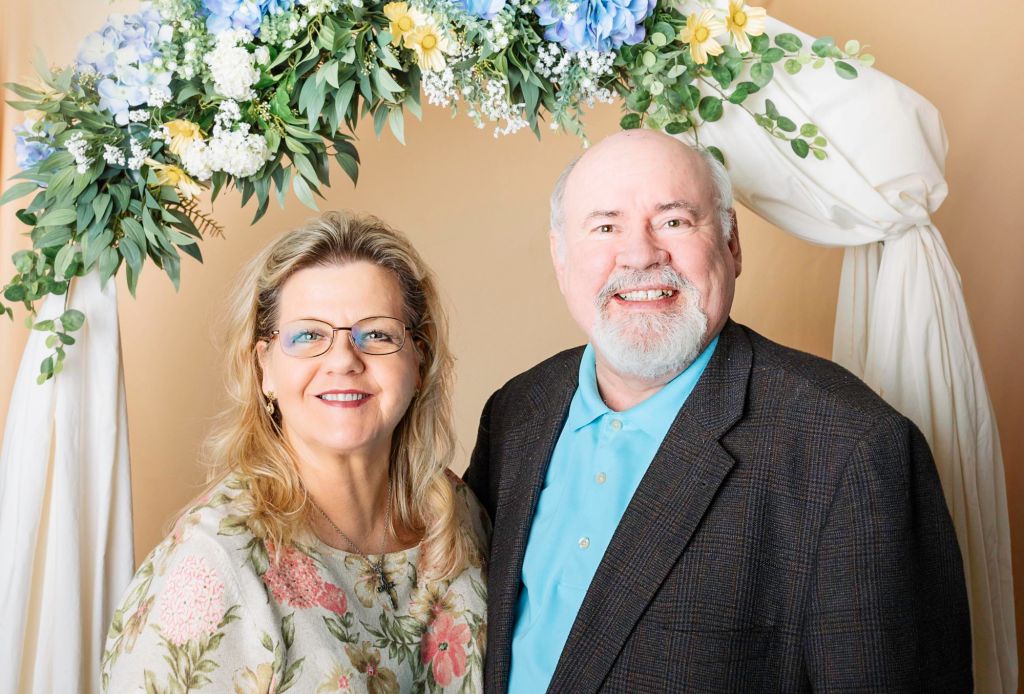
Thanks for supporting independent true journalism with a small tip. Dodie & Jack

Dodie & Jack Dennis are regular customers of Green Pasture. Highly recommended.
Green Pasture Here!


Use Code CLEVER10 for a 10% discount on other Green Pasture products today!

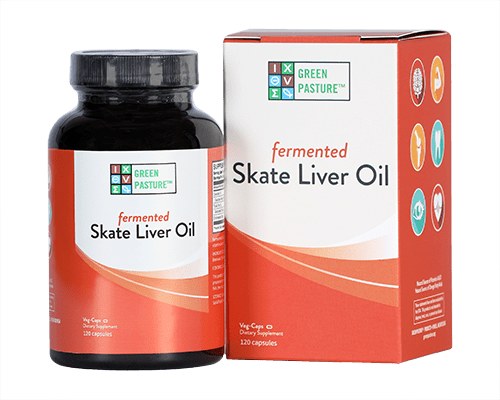
Get Your Natural Vitamins A & D from the Sea!

☆☆☆☆☆

See details here!



Inspiring. We don’t have those kind of men anymore, most are gone. Thanks, Jack for honoring him.
LikeLiked by 5 people
Hope you two are doing well.
LikeLiked by 3 people
An incredible life story. A role model we can all learn from!
LikeLiked by 5 people
Telling this kind of story is what brings it back to life and breathes hope to others to be like this too.
LikeLiked by 2 people
Jack, I received a response from you saying “hope you two are doing well.” It’s from a Chinese site called news. Legit or something like that. Have you been hacked? or spammed?
LikeLiked by 2 people
No, but I did write that on here. The reason it says NewsLegit is because that is how WordPress identifies me. I wrote for Examiner, The Rowdy, & AXS Entertainment from 2009-2011. When they elected to get out of the news business, I signed up with WordPress to form my NewsLegit blog. It was successful until COVID & massive social media censorship hit.
So, under the NewsLegit WordPress plan, I created Cleverjourneys.com. Now we have 2.2 million readers (via Gab, Facebook, Gettr,X, telegraph, Parler, etc). But I only reply in this WordPress account. They feel more like friends & family. I don’t have the time to respond from those other sites.
All Is good 👍
LikeLiked by 2 people
Good deal.
LikeLiked by 2 people
we should hear more wonderful stories about great American patriots like him, RIP Hershey
LikeLiked by 2 people
Yes, agree. Here is one of my favorites because I have been to his grave site on occasion.
True American Bad-Ass Hero:
LikeLiked by 1 person