
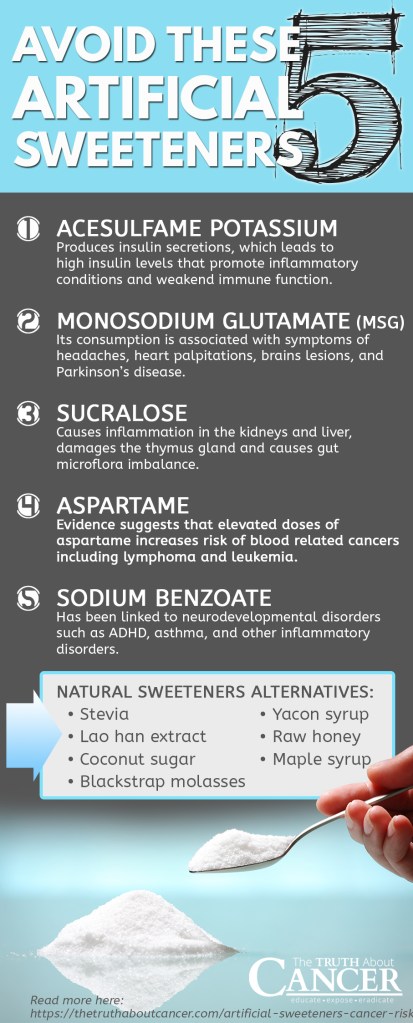
When researchers of a comprehensive major study examined artficial and “natural” sweeteners separately, six were associated with faster declines in overall cognition, particularly memory.
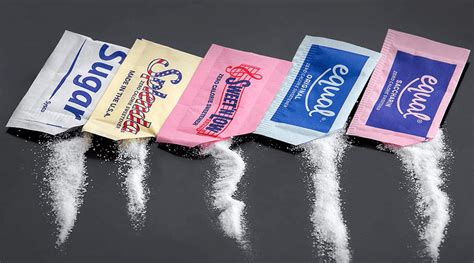
Those sweeteners were aspartame, saccharin, acesulfame K, erythritol, sorbitol and xylitol.

The American Academy of Neurology summary indicates that popular sugar substitutes may not be as harmless as they seem. Adults who consumed the most artificial sweeteners showed substantially faster declines in memory and thinking, especially if they were under 60 or had diabetes.
The highest intake was linked to cognitive aging roughly 1.6 years faster than the lowest intake.
The connection between sweetener intake and faster cognitive decline was also stronger among people with diabetes than among those without the condition. People with diabetes may use sugar substitutes more frequently because they are often advised to limit products that rapidly raise blood sugar.
Stronger Association in Adults Under 60
Age appeared to influence the results. Among participants younger than 60, those who consumed the most sweeteners experienced faster declines in verbal fluency and overall cognitive performance than those who consumed the least.
Researchers did not find the same association among participants older than 60.
According to research published in Neurology, the medical journal of the American Academy of Neurology, the study followed nearly 13,000 adults and examined seven sweeteners that contain little or no calories.
People who consumed the largest total amounts showed a more rapid decline in cognitive abilities than those who consumed the smallest amounts. The association was especially strong among people with diabetes.

Seven Common Sweeteners Examined
Researchers studied aspartame, saccharin, acesulfame K, erythritol, xylitol, sorbitol and tagatose.
These ingredients are frequently added to ultra processed products, including flavored water, soft drinks, energy drinks, yogurt and desserts marketed as low in calories. Several are also sold separately for use in coffee, tea, cooking or baking.
“Low- and no-calorie sweeteners are often seen as a healthy alternative to sugar, however our findings suggest certain sweeteners may have negative effects on brain health over time,” said study author Claudia Kimie Suemoto, MD, PhD, of the University of São Paulo in Brazil.
Tracking Brain Health for Eight Years
The research included 12,772 adults living across Brazil. Participants were 52 years old on average and were monitored for approximately eight years.
At the beginning of the study, participants completed detailed food questionnaires describing what they had eaten and drunk during the previous year. Researchers then placed them into three groups according to their total sweetener intake.
People in the lowest consumption group averaged 20 milligrams per day (mg/day), while those in the highest group averaged 191 mg/day. In the case of aspartame, the amount consumed by the highest group was roughly equal to the aspartame in one can of diet soda.
Sorbitol was consumed in the largest quantity of any individual sweetener, with an average daily intake of 64 mg/day.
Participants completed cognitive assessments at the beginning, midpoint and end of the study. The tests measured several aspects of brain function, including verbal fluency, working memory, word recall and processing speed.
Verbal fluency refers to the ability to quickly retrieve and produce words. Working memory is the brain’s short term system for holding and using information, while processing speed reflects how quickly a person can understand and respond to information.

Higher Intake Linked to Faster Cognitive Decline
After accounting for age, sex, high blood pressure, cardiovascular disease and other relevant factors, the researchers found a clear difference between the intake groups.
People who consumed the greatest amounts of sweeteners experienced a 62% faster decline in overall thinking and memory abilities than those who consumed the least. Researchers estimated that this difference was comparable to about 1.6 additional years of aging.
In God We Trust
Thank you for reading CleverJourneys.



To receive free email notification, when we post new articles like this, sign up below. Clever Journeys does & will not sell or share your information with anyone.
IN GOD WE TRUST

Thanks for supporting independent true journalism with a small tip. Dodie & Jack



Consumers should read labels and reports/studies to determine which food ingredients have nutritional value and which are detrimental to health. A big thanks to Clever Journeys for publishing health updates and medical news. 🙂
LikeLiked by 3 people