
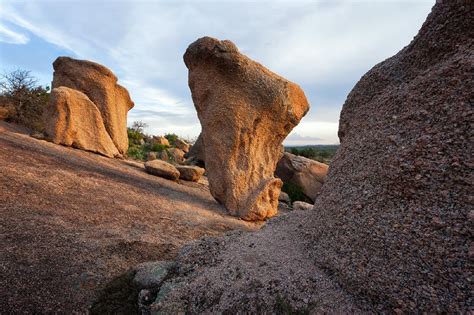
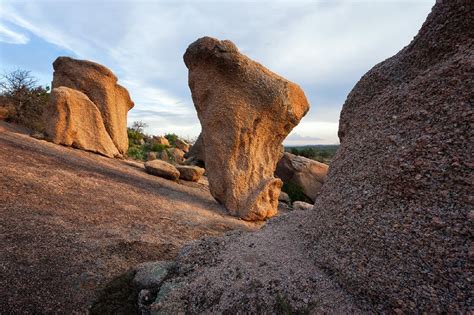
In the fall of 1841, deep in the rugged Texas Hill Country, a quiet and uncertain episode unfolded near Enchanted Rock—a massive pink granite dome rising dramatically above the surrounding plains.
What has been remembered as a dramatic and overwhelming confrontation has, over time, blurred into legend. Yet when examined closely, the story may be less certain and more complex.
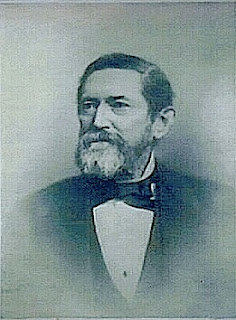
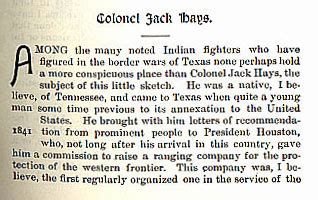
At the center of this narrative is Jack Hays, a young Texas Ranger captain navigating a volatile frontier.

Hays was a Tennessee native whose father and grandfather had fought with Andrew Jackson. The second of seven children, he was orphaned at fifteen and struck out on his own that same year of 1832.
After Hays served some time as a surveyor in Mississippi, he headed for Texas around 1837 and volunteered as a Texas Ranger to fight for independence from Mexico. Hays played a critical role with the Rangers while still in his 20’s.
In 1841, just five years after the battle at the Alamo, Texas was still a fragile republic, with limited resources and constant tension across its borders.



The Rangers themselves were not yet the structured force they would later become. They were loosely organized men, often operating without formal support, relying on personal skill and endurance to survive.
According to widely repeated accounts, Hays became separated from his group while surveying land near the area. At some point, he made his way up Enchanted Rock, possibly to gain a vantage point or avoid danger below.
The towering granite formation offered visibility and natural cover, but it also came with risk—limited resources, isolation, and no guarantee of rescue.
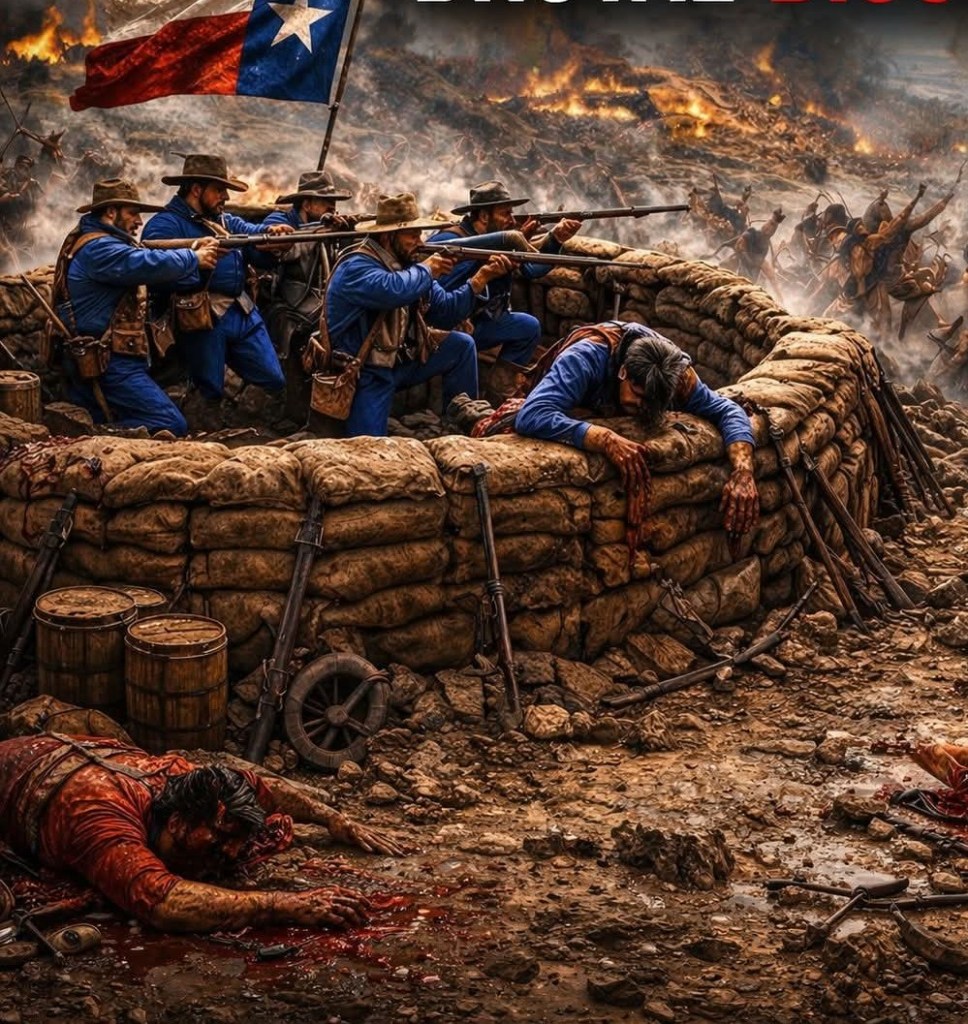
The traditional version of events claims that Hays held his position on the rock for several hours while facing a group of Comanche warriors below.
This version paints a picture of endurance and tactical awareness, often emphasizing a prolonged standoff. However, a critical issue emerges: there is almost no direct evidence of confirmation.
The most frequently cited written source comes from an 1848 account that does mention Hays traveling in the vicinity of Enchanted Rock. Notably, it does not describe any extended confrontation or dramatic stand. Beyond that, the story relies heavily on oral tradition—stories passed down over decades, shaped by retelling and interpretation.
Because of this, historians cannot verify the scale, duration, or intensity of what actually happened. It is entirely possible that an encounter did occur. The region was active, and interactions between Rangers and Comanche groups were common during that period. However, the idea of a prolonged event is not totally supported by contemporary documentation.
Another important layer of this story involves the cultural and environmental context of Enchanted Rock itself.
Long before settlers arrived, the site held deep significance for Indigenous groups, including the Comanche. The rock produces unusual sounds due to temperature changes in the granite—creaking or groaning noises that can carry across the landscape. To those unfamiliar with the scientific explanation, these phenomena could feel mysterious or even unsettling.
These environmental factors may have influenced how any encounter at the site was perceived. If a confrontation or standoff occurred, the setting alone could have amplified its intensity in memory. Over time, this may have contributed to the transformation of a modest event into a dramatic legend.

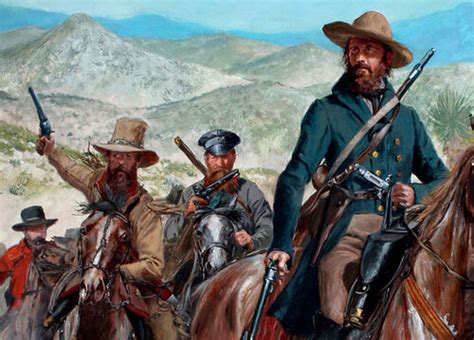

It is also important to recognize how such stories evolve. In the decades following the event, narratives about Texas Rangers often emphasized resilience, independence, and near-mythical capability. Stories like the one at Enchanted Rock fit perfectly into that framework. They reinforced a broader identity and helped build the reputation of the Rangers as formidable figures of the frontier.
By the early 20th century, the story had become widely accepted. A historical marker was eventually placed at the site, presenting the event as fact. However, this occurred nearly a century after the supposed incident—far removed from any firsthand accounts. By then, the line between history and storytelling had largely disappeared.
What makes this episode particularly striking is not just what is claimed, but what is missing. There are no detailed reports, no confirmed participant accounts, and no physical evidence tied directly to the event. Even the opposing perspective—the Comanche account—is absent from written records. This silence leaves a significant gap in understanding.

So what actually happened at Enchanted Rock in 1841?
Based on the available data, the most responsible conclusion is this: something likely occurred, but its scale and nature remain uncertain. It may have been a brief encounter, a tense standoff, or even a situation that ended without significant escalation. The widely known version appears to be shaped by repetition rather than documentation.
In the end, the story of Enchanted Rock reveals less about a single moment in history and more about how history itself is formed. When evidence is limited, narratives can expand, filling gaps with interpretation and imagination. Over time, those narratives can become accepted as truth.
The rock still stands today, unchanged and silent. Whatever happened there remains partially hidden—caught somewhere between fact and legend.
IN GOD WE TRUST





🔴⚪🔵


For free email notice when we post a new article like this, sign up below.
We are thankful to our incredible sponsors!




Great read about Enchanted Rock. I bet that would be Erie hearing sounds come from the rock.
LikeLiked by 2 people
He is mentioned in the book, “The Borderland” by Bud Shrake, running buddy of Dan Jenkins and Ann Richards, and was a great Texas author.
LikeLiked by 3 people