
Think about it. I have.
When a Pediatric neurologist told me my son, at age 3 at the time, would grow up not ever being able to talk, read, write, ride a bike, play sports, or go to a regular school, I asked him to “please explain, in layman terms, how Brady will be as an adult.”
He looked me in the eyes and delivered a verbal message no parent would ever want to hear.

“He will have to be institutionalized,” this doctor said with no emotion. “With no verbal skills or cognitive maturity he will not be capable of living any kind of normal life.”
I excused myself, ran out of his office and contained my emotions going down the elevator, then ran out of the building to my car.
“Please God,” I prayed with my hands gripping the steering wheel. “Please Lord, help my son. Oh God, I’m begging you. Help me help him. I am going to aim high. Very high. I’m not going to accept this prognosis. I pray for your mercy and love. Help me be strong and do whatever I need to do….In Jesus’ name, with love, I pray. Amen.”
I took my hands off the wheel. Caught my breath and immediately thought, “Okay, let’s do this.”
Long story, short: Brady learned to speak, read, do math, understand science, ride a bike, played baseball, had the lead role in a community theater production (as well as acting, singing, dancing parts in high school, community plays) and graduated with a B+ average.
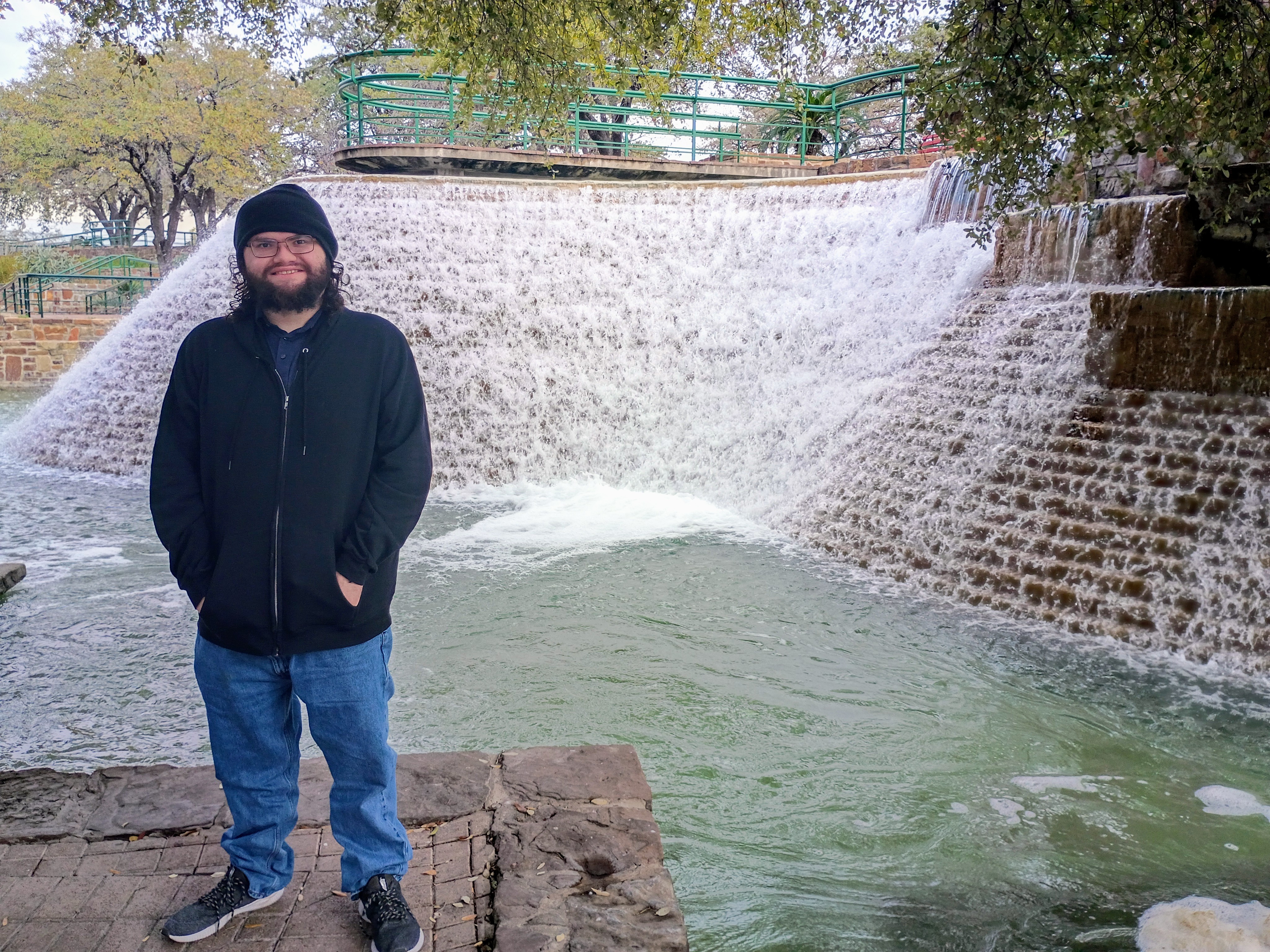
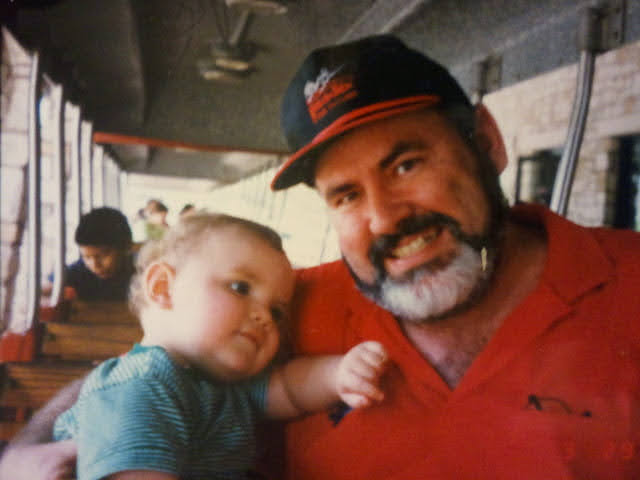
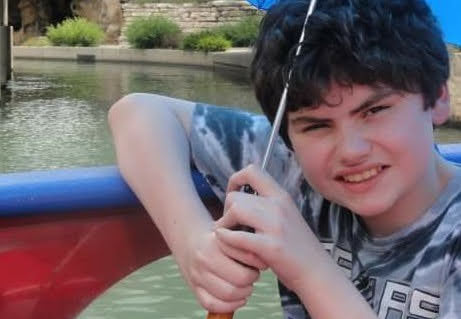
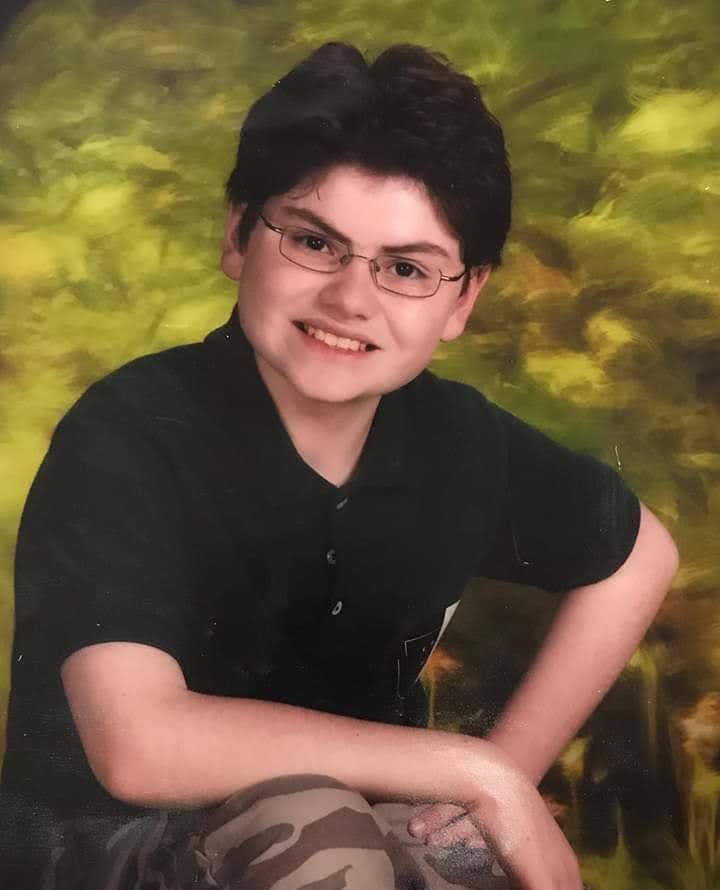
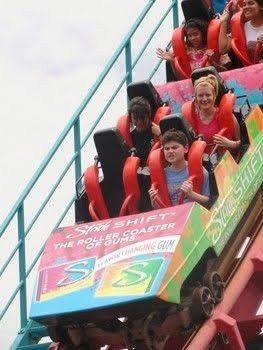
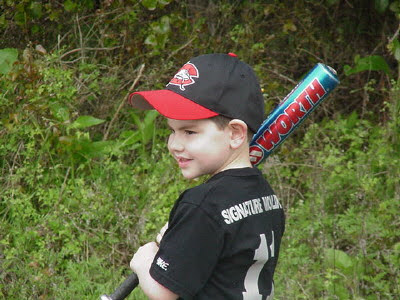
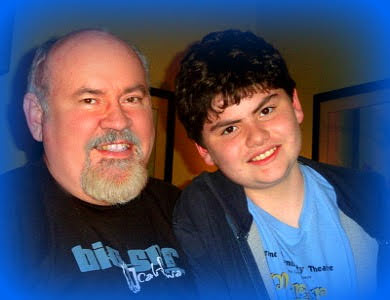
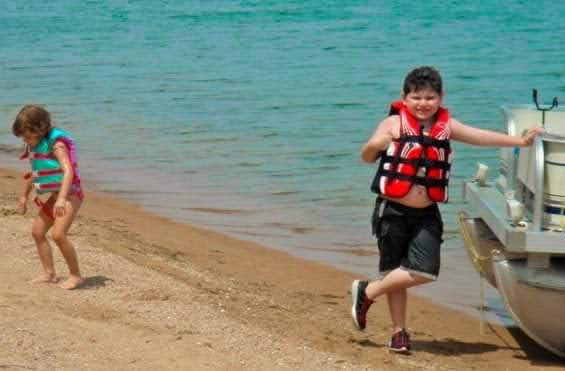
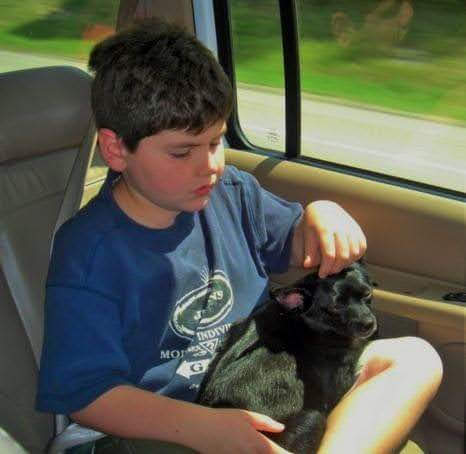
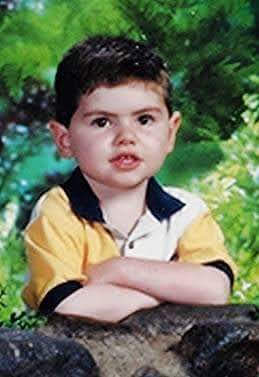
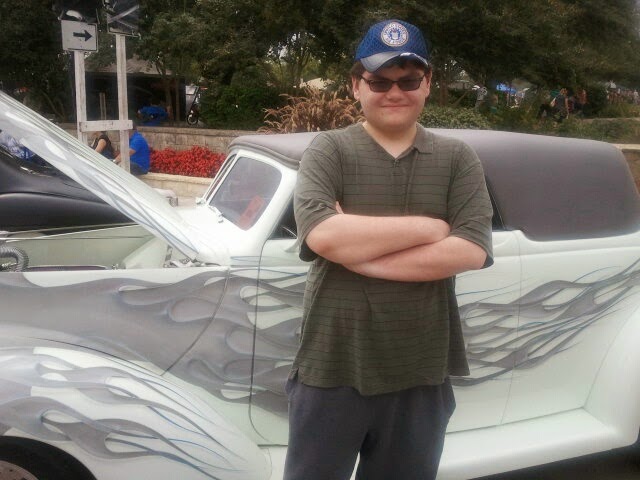
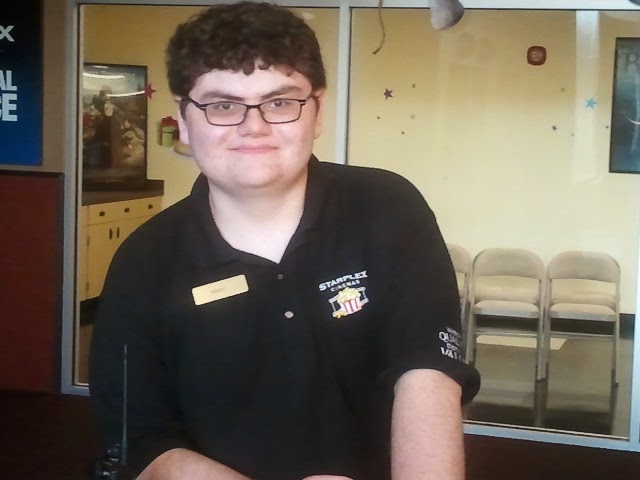

As with his sister and brothers before him, I taught him to drive by starting out in cemeteries (thinking they couldn’t hurt anyone there).
He has successfully worked at a local movie theater and at Walmart. Today, weather permitting, he walks over an hour, 5 days a week. He has been baptized and attends church every Sunday.
That encounter was nearly 27 years ago when one out of almost 100 children were diagnosed with Autism.
To date, no comprehensive scientific study has ever evaluated the safety of the full pediatric vaccine schedule for long-term neurodevelopmental outcomes through age 9 or 18.
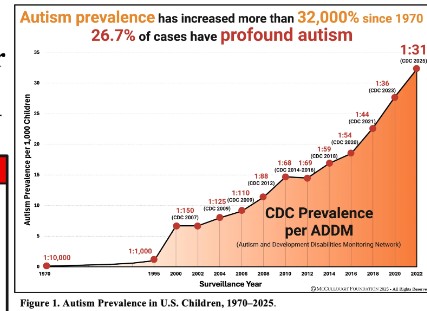
With autism now affecting 1 in 31 U.S. children, a comprehensive reevaluation of cumulative vaccine exposure and timing is an urgent moral, scientific, and public-health imperative.
For too long and for decades, the causes behind the relentless rise in autism have been hotly debated. Some claim it’s due to better diagnosis or changing definitions; others point to environmental stressors and genetics.
Until recently, no comprehensive analysis has ever examined all potential factors—genetic, environmental, immunologic, and iatrogenic (induced by a physician)—together within a single scientific framework.
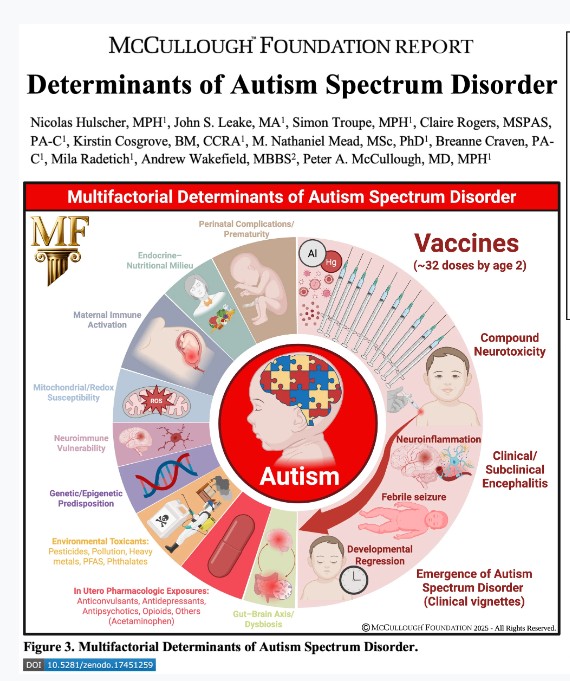
The McCullough Foundation’s landmark report, Determinants of Autism Spectrum Disorder, represents the most exhaustive synthesis ever conducted on the causes of autism.
Drawing from over 300 peer-reviewed studies across epidemiology, clinical medicine, toxicology, immunology, and molecular biology, this analysis provides an authoritative, data-driven evaluation of how vaccination and other determinants contribute to autism risk.
By comparing the strength, direction, and biological plausibility of every major proposed risk factor, this landmark report delivers unprecedented clarity: autism is a multifactorial neurodevelopmental disorder—but one major, modifiable factor stands out above all others:
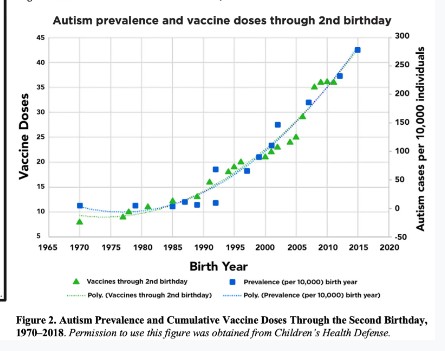
Combination and early-timed routine childhood vaccination emerges as the single most significant driver of autism risk.
This is supported by convergent mechanistic, clinical, and epidemiologic evidence that challenges long-standing assumptions and underscores the urgent need for a full reassessment of the U.S. childhood vaccine schedule—now administered in greater volume and frequency than at any point in history.
Key Findings
Comprehensive Scope —
Over 300 studies analyzed across epidemiologic, clinical, mechanistic, and molecular domains, integrating genetic, environmental, and iatrogenic factors within one unified framework.
Vaccine Association Evidence —
Of 136 studies evaluating vaccines or their ingredients, 107 (79%) identified evidence consistent with a vaccine–autism link, including findings of neuroimmune injury, mitochondrial dysfunction, and developmental regression following immunization.
Healthier Unvaccinated Cohorts —
All 12 studies comparing fully vaccinated versus completely unvaccinated children found superior overall health outcomes—and dramatically lower risks of autism and chronic disease—among the unvaccinated.
Mechanistic Convergence —
Independent lines of evidence across disciplines converge on shared biological pathways of immune dysregulation, mitochondrial injury, oxidative stress, and neuroinflammation, triggered by antigen, adjuvant, and preservative exposure during critical neurodevelopmental windows.
Cumulative and Timing Effects —
The data indicate that clustering multiple vaccines within short timeframes and administering them at earlier developmental stages significantly increases neurodevelopmental risk, particularly among genetically or immunologically susceptible children.
Sidenote: The incidence of Autism is reported to primarily affect male children.
To receive free email notification, when we post new articles like this, sign up below. Clever Journeys does & will not sell or share your information with anyone.
In God We Trust
______________
Please Support This Stellar American Owned Business
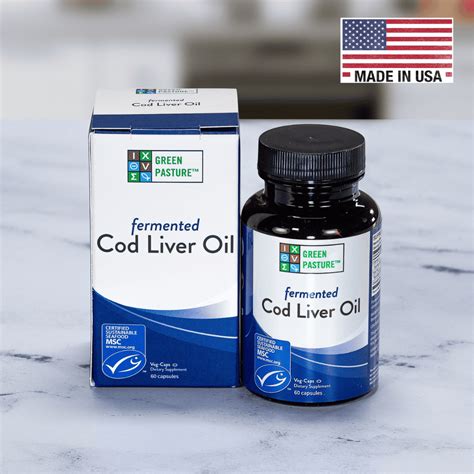
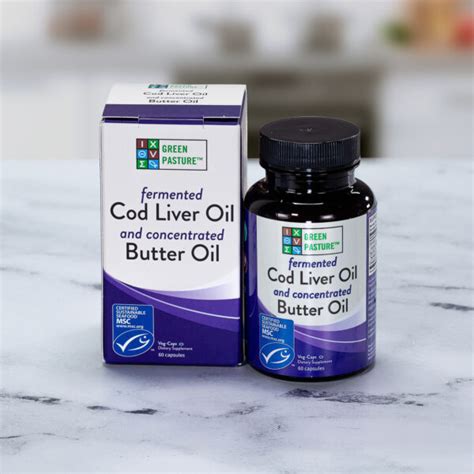
Green Pasture
Get Your Natural Vitamins A & D from the Sea!


















From 2021 to the present you can blame the jabs on the reason a lot of children have autism ? Don’t believe me, look it up. There is all kinds of proof of it on the internet. And I’m not talking about hoax stories. Find the doctors that will tell you the truth like Nicolas Hulscher, MPH
>
LikeLiked by 3 people
There’s no question that jabs have caused Autism in children and it started long before the Covid debacle. Just ask any parents of vaccine injured children. Check out the organization Children’s Health Defense. Search for and watch documentaries by Del Bigtree and others titled VAXXED (1,2,and 3). Parents have been lied to and suppressed for decades by big pharma, especially vaccine manufacturers. They have a LOT of money and high powered attorneys to push back against parents that are claiming their children have been damaged by vaccines. They aren’t affected at all by having to pay a fine because they get right back in the game and are allowed to continue to pedal their poison. That’s why RFK, Jr is aggressively revisiting the Childhood Vaccine Schedule. Much of the problem with vaccines and Autism is from combination vaccines (DTP, MMR) and multi-dose vials. Those vials contain mercury based preservatives that wind up in children’s brains. That’s been reported by thousands of parents that their children were healthy and thriving before vaccination, then severely damaged afterward, never to be the same. That’s criminal and it has to stop.
LikeLiked by 1 person
I was giving the short take on the jabs. Vaccines have injured people for the past few centuries. Greg
>
LikeLiked by 2 people
I’ll always be grateful to Walmart for giving my nephew a job (which he worked for several years), even though he has poor conversational skills and minimal eye contact. Kudos to Brady! 🙂
LikeLiked by 2 people
I just started hearing that song they sang in the Martin Luther King marches, “We Will Overcome.” Keep telling the truth, Jack. We’ve been slaves in our own nation, but it’s over. Like when you prayed for Brady and then got to work. I love that story. Brady glows.
LikeLiked by 2 people