There are several signs that indicate you might be dealing with a scammer.
Remember that if something doesn’t seem right, you can always hang up or walk away.
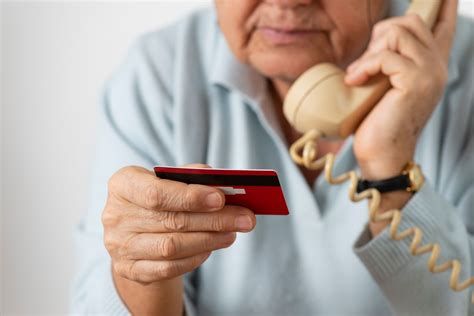
Scammers often want you to make a quick decision without thinking about it. Slow down, do your own research about the offer or consult with someone you trust.
They include contact from someone:
- Calling or emailing you, claiming to be from the government and asking you to pay money.
- Asking you to pay money or taxes upfront to receive a prize or a gift.
- Asking you to wire them money, send money by courier, or put money on a prepaid card or gift card and send it to them.
- Asking for access to your money-such as your ATM cards, bank accounts, credit cards, or investment accounts.
- Pressuring you to “act now” or else the deal will go away. Or someone who seems to be trying hard to give you a “great deal” without time to answer your questions.
Criminals and con artists use many scams to target unsuspecting people who have access to money.
Consumer scams happen on the phone, through the mail, e-mail, or over the internet. They can occur in person, at home, or at a business.
Here are some tips to protect yourself from scams:
- Don’t share numbers or passwords for accounts, credit cards, or
Social Security. - Never pay up front for a promised prize. It’s a scam if you are told that you must pay fees or taxes to receive a prize or other financial windfall.
- After hearing a sales pitch, take time to compare prices. Ask for information in writing and read it carefully.
- Too good to be true? Ask yourself why someone is trying so hard to give you a “great deal. If it sounds too good to be true, it probably is.
- Watch out for deals that are only “good today” and that pressure you to act quickly. Walk away from high-pressure sales tactics that don’t allow you time to read a contract or get legal advice before signing. Also, don’t fall for the sales pitch that says you need to pay immediately, for example by wiring the money or sending it by courier.
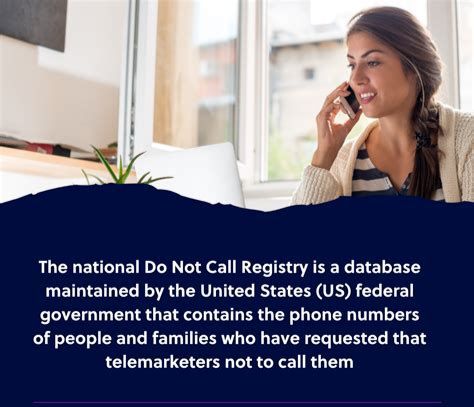
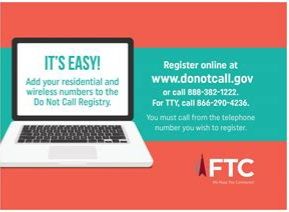
- Put your number on the National Do Not Call Registry. Go to www.donotcall.gov or call (888) 382-1222.
☆☆☆☆☆
IN GOD WE TRUST

Thanks for supporting independent true journalism with a small tip. Dodie & Jack
Green Pasture Here!


Use Code CLEVER10 for a 10% discount on other Green Pasture products today!

☆☆☆☆☆


Excellent advice. I did put my number on the Do Not Call list, and it worked. I get very few calls. Of course, the RNC still tries, but I tell them all my money goes to Trump. They don’t like that.
LikeLiked by 2 people
Ha! Ha! Ha! Same here. It always does me good to know others are like minded.
LikeLiked by 2 people
Spread the joy, annoy corrupt politicians.
LikeLiked by 3 people
My number has been on it for years and I still get calls. The most recent ones are guys that sound east Indian calling with a spook number 817 area code. They claim to be from Walgreens or CVS and want to enroll me in a drug savings plan, of course they need my info and a cc card number. I have very specific words I use for these scammers, and I can’t say them on your site, but trust me, they are good, and it causes them to explode every time. Great advice and a important piece.
LikeLiked by 3 people
Those 817 #s are popular for scams. I get maybe 2 a month.
I can just image you’re very specfic words are similar to my choice comments.
LikeLiked by 4 people
Native Texas minds run in the same herd.
LikeLiked by 3 people
The National Do Not Call Registry doesn’t work once they’ve got your number, and I refuse to change my number because it’s mine. I bought a whistle, and when an unwanted caller calls, I blow it in their ear until they hang up. It’s very effective. Just hanging up didn’t stop them from calling.
LikeLike