
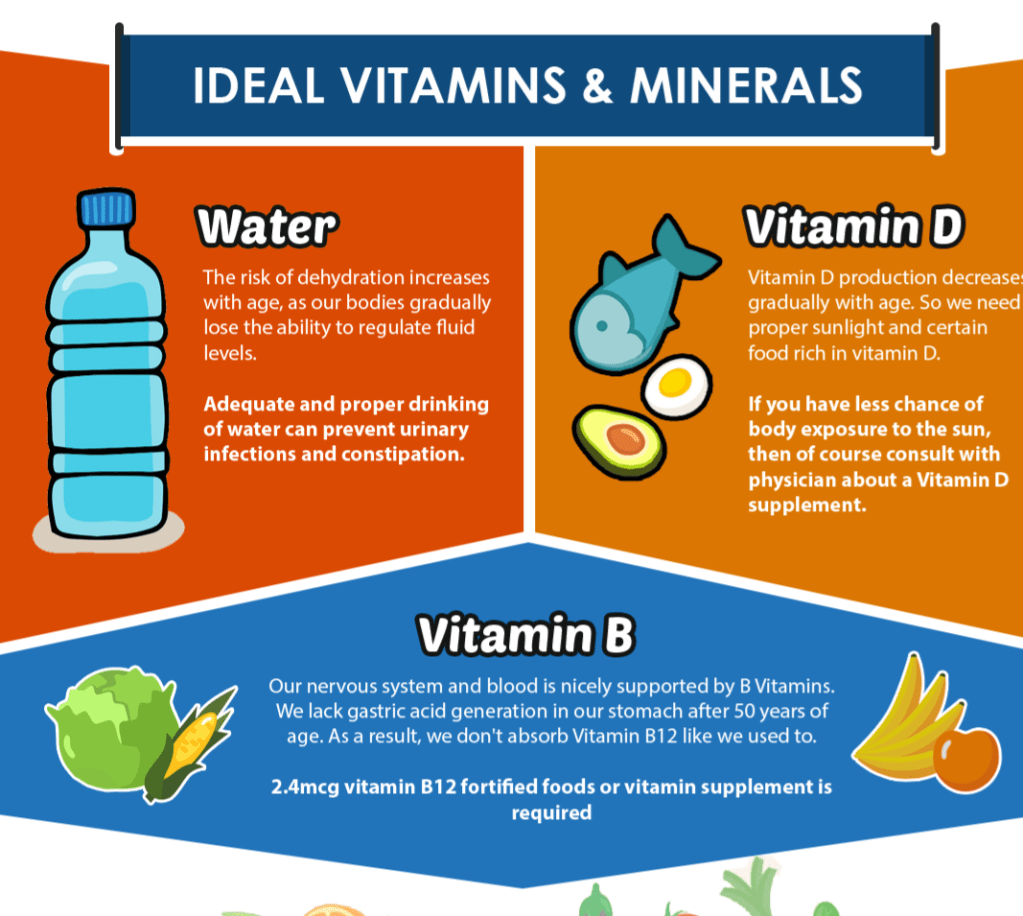
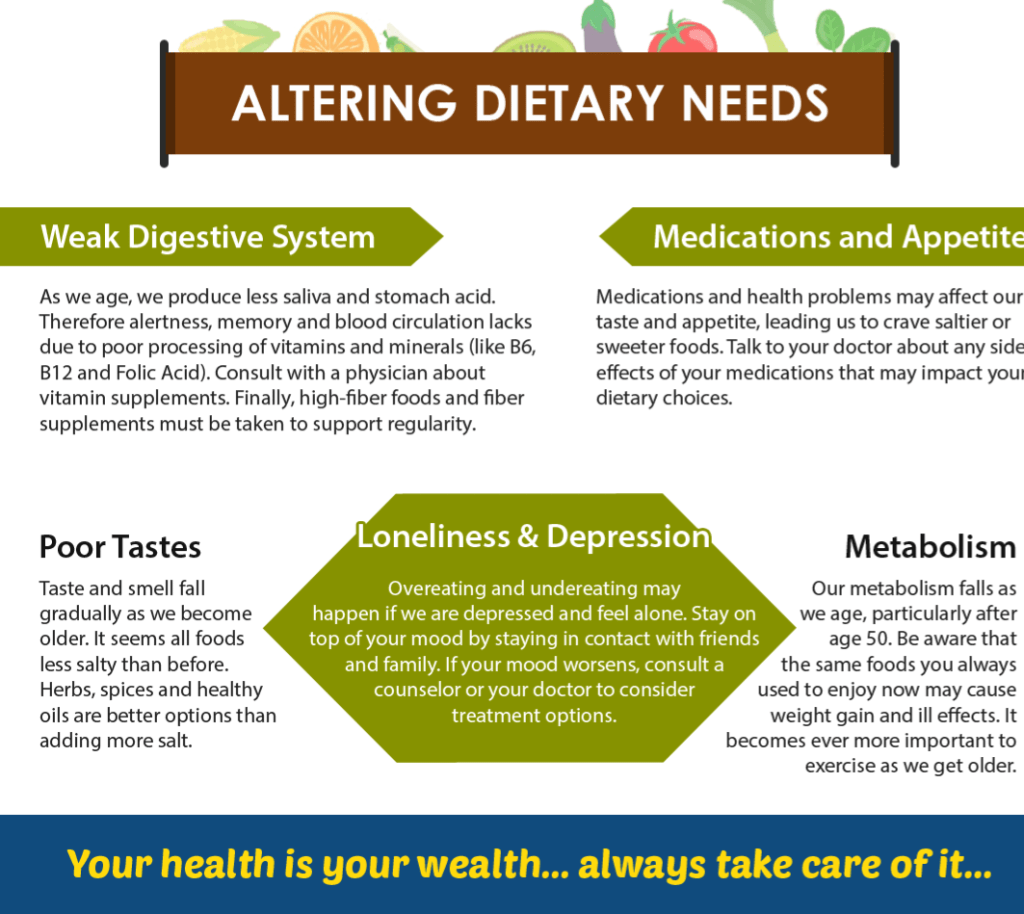
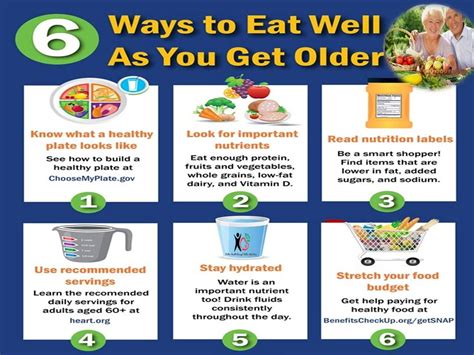
Living a graceful life physically, as we age, we may lose some of our sense of thirst. Drink water often.
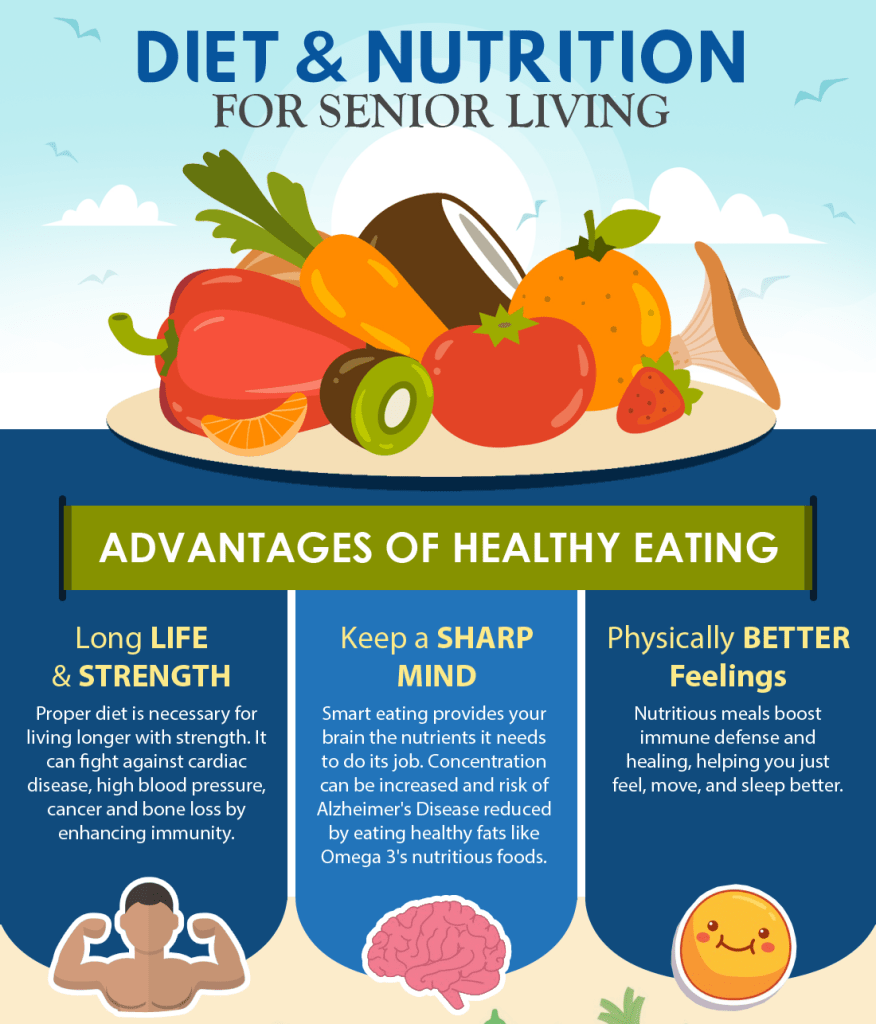
Older Americans have the healthiest diets in the United States, according to the United States Department of Agriculture (USDA), but that’s not much to brag about.
The USDA rate Americans’ diet quality with a “Healthy Eating Index,” which has a range of zero to 100. Overall, the typical American receives a low score of 59. As a group, older adults score higher, but are still flunking, with a Healthy Eating Index of 63.

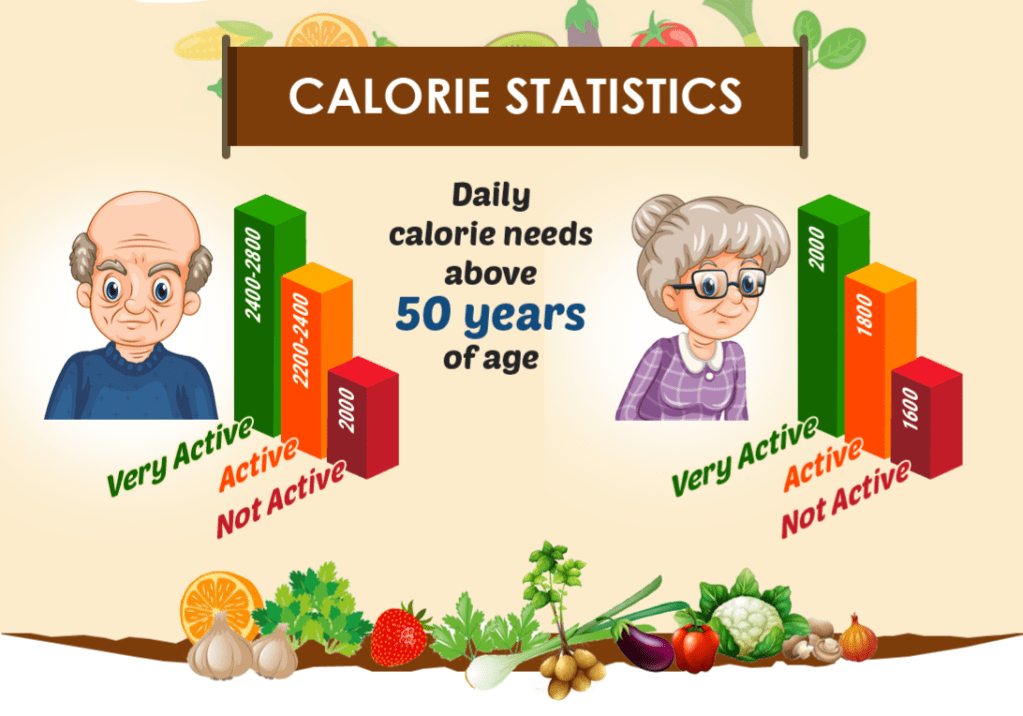
Our metabolism — the rate at which we burn food as energy — slows down with age. We may also become less active over time, which reduces our fuel needs. But if we keep eating the same amount as we did in our younger days, unused fuel gets stored as body fat.
About 1 in 10 seniors in the United States don’t eat enough, especially nutritious foods, a problem known as undernutrition.
Losing 10 pounds or more without trying over a 6-month period is a sign of undernutrition, which can cause many health problems, such as a weakened immune system.
Having a specific mealtime to look forward to enjoying every day can be good for both our physical and mental well-being.
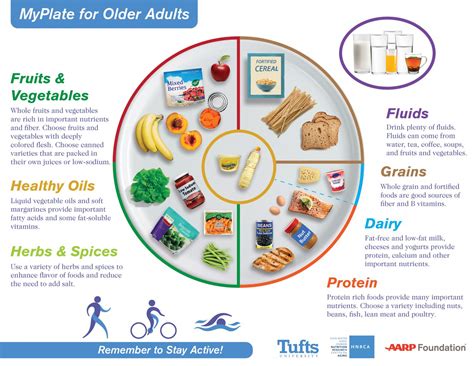
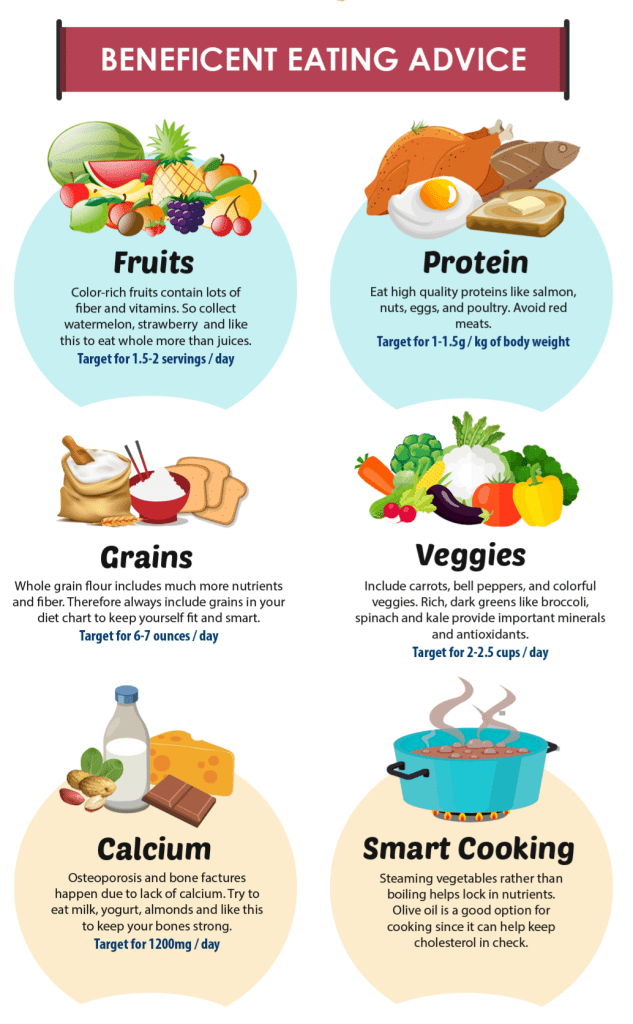
Someone requiring 2,000 calories per day should aim for:
- Fruit: 2 cups
- Vegetables: 2 ½ cups
- Grains: 6 ounces (half whole grains)
- Dairy: 3 cups
- Protein: 5 ½ ounces (including meat, eggs, seafood, nuts, and seeds)
- Oils: 27 grams
☆☆☆☆☆
IN GOD WE TRUST

Thanks for supporting independent true journalism with a small tip. Dodie & Jack
Green Pasture Here!


Use Code CLEVER10 for a 10% discount on other Green Pasture products today!


CINDY LEAL MASSEY, TEXAS AUTHOR


Great info for seniors diet👍
LikeLiked by 2 people