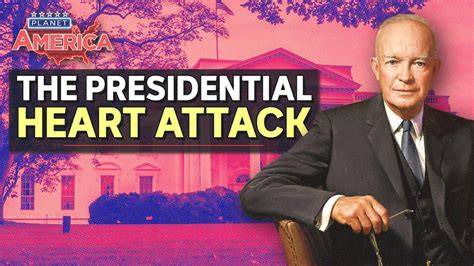
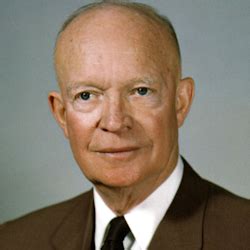
On September 26th 1955, America’s President Dwight D. Eisenhower had a heart attack.
That same day, stock markets plummeted over 6%, losing $14 billion in the worst day for markets since WW2.
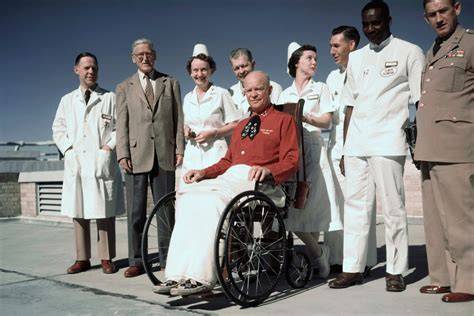

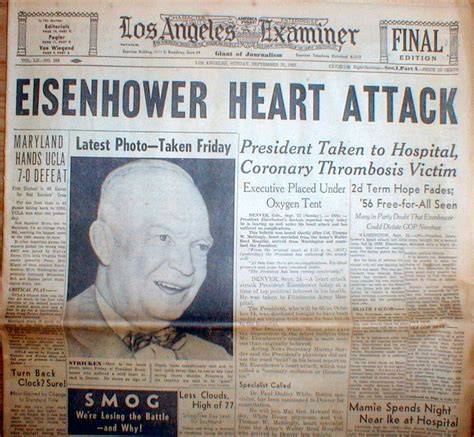

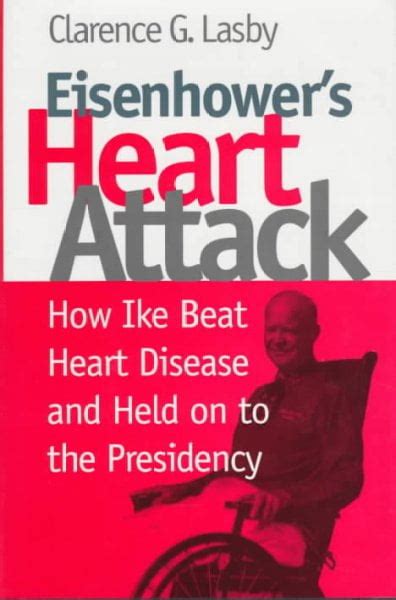
President Eisenhower, despite being a war-hero and having access to the world’s best doctors, was still vulnerable to the vicissitudes of heart disease.
From 1900 to the 1950s, coronary heart disease skyrocketed in the US. Fear pervaded America, and President Eisenhower’s heart attack epitomized the crisis.
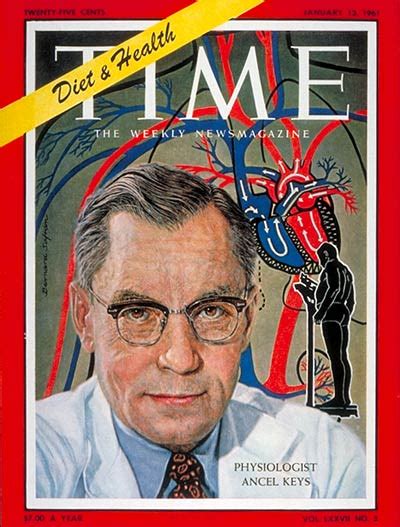
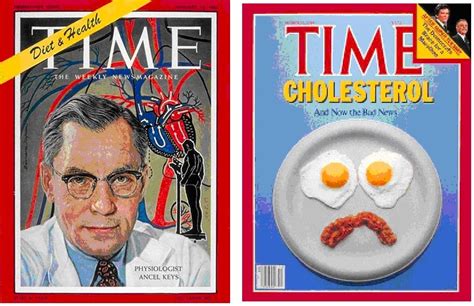
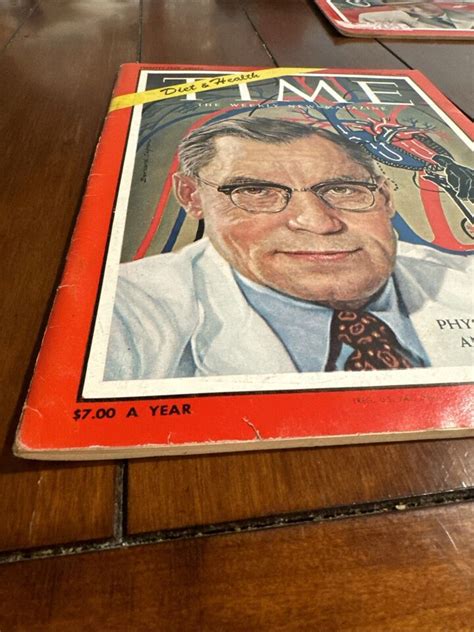
On January 13, 1961, Americans opened their mailboxes to see the bespectacled face of Ancel Keys on the cover of Time magazine, a spot usually reserved for politicians, movie stars, or top athletes. What on earth had a physiologist done to compete for that exalted space?
He made sure the dietary community was forced to rely on circumstantial evidence. From the beginning, his study was sloppy in its methods.
Only 3.9% of the tested subjects were consulted on the kind of food they ate. In the US, the food sample was taken only on a one day period.

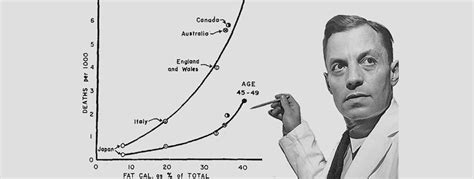
One of the most troubling errors was that one of the studies in Greece was conducted during fasting season, when people consumed much fewer animal products.
This is like taking the US diet sample on Halloween and concluding that eating 17 candy bars before bed was responsible for 100% of our adverse health effects. You cannot conclude that it’s our typical diet, and that it’s responsible for all adverse effects over a 20 year period.
Despite these factors, Keys’ study went to be cited over 1 million times, and it would go on to become the cornerstone of dietary guidance.
Basically, the false conclusion indicated that coronary heart disease tended to be related to cholesterol…which tends to be related to saturated fat…so supposedly coronary heart disease is related to saturated fat.
This shouldn’t have gotten a passing grade in a high school science class, let alone direct our country’s nutritional approach.
The hypothesis that saturated fat causes heart disease became accepted as truth before it was rigorously tested. We were in a public health crisis and the public demanded certainty.
By 1961, the American Heart Association recommended that butter should be replaced with polyunsaturated seed oils, and that animal fats should be avoided. The aim was to lower cholesterol levels.

Then, in 1970, in the first explicit government statement on the issue, the Senate-backed USDA released the food pyramid.
Ancel Keys killed saturated fat. The nail was in the coffin.
Soon, the U.S. government released dietary guidelines recommending people eat less fat and more carbohydrates. “Heart healthy” became synonymous with low-fat, high-carb eating.
The food industry exploded with low-fat yogurts, cereals, and processed snacks. But when fat was stripped away, something had to replace it. That something was sugar and refined carbs.
Going back to even the early 1900s, Procter and Gamble came up with the idea to use cotton seeds — a toxic waste product — and turn them into a cooking oil.
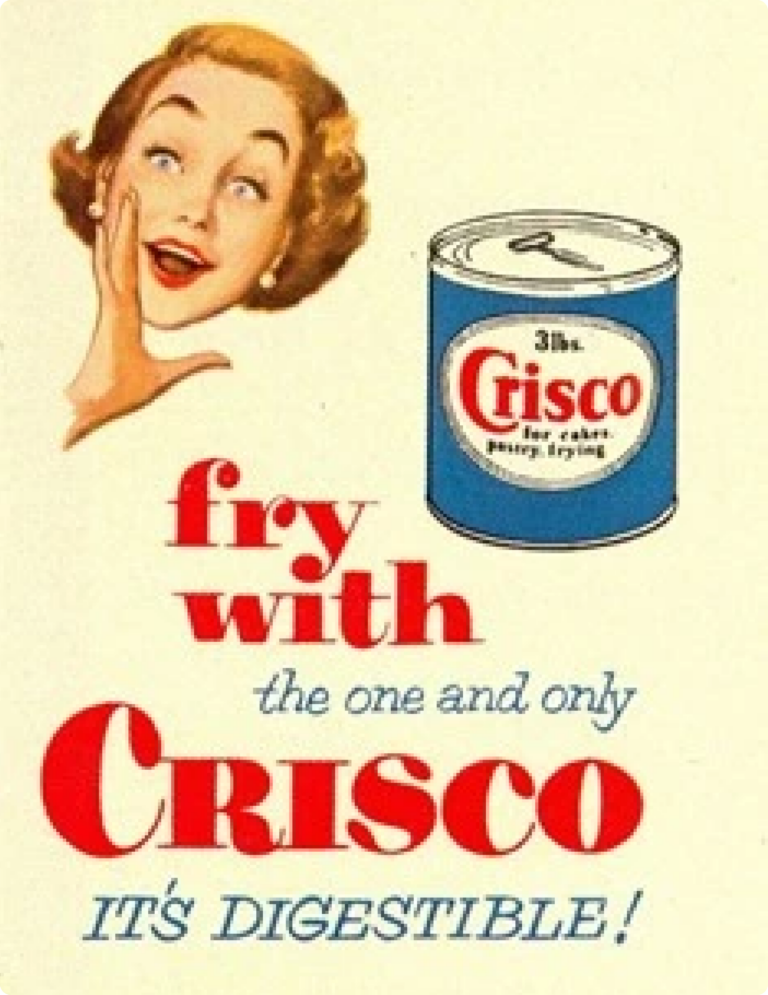

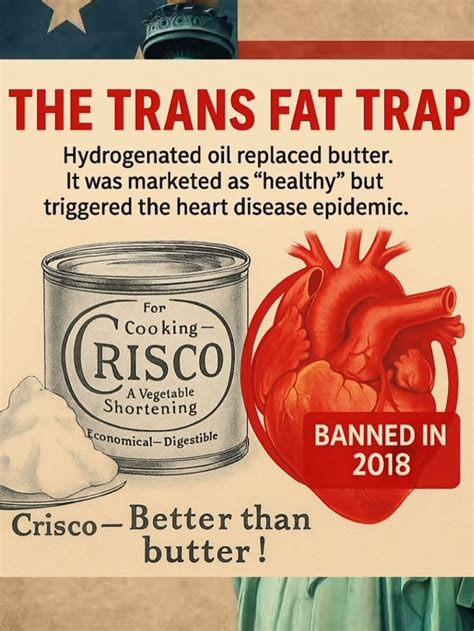
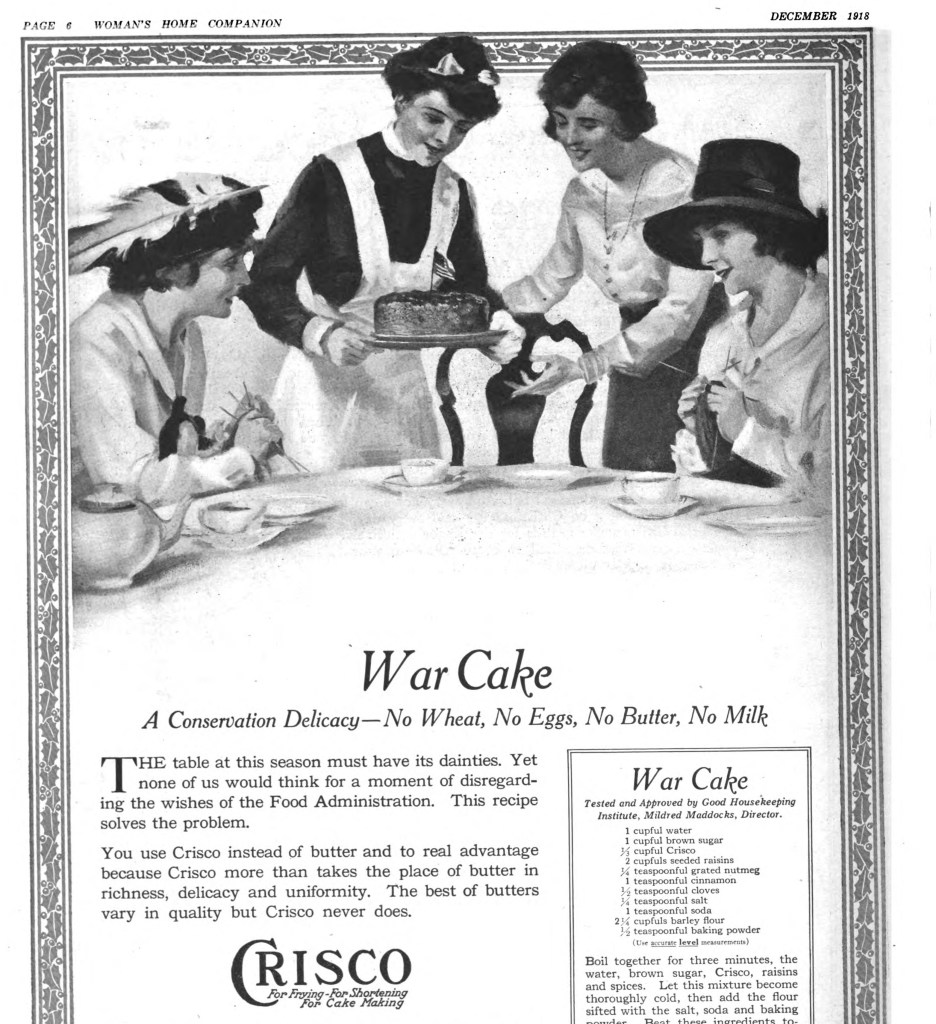
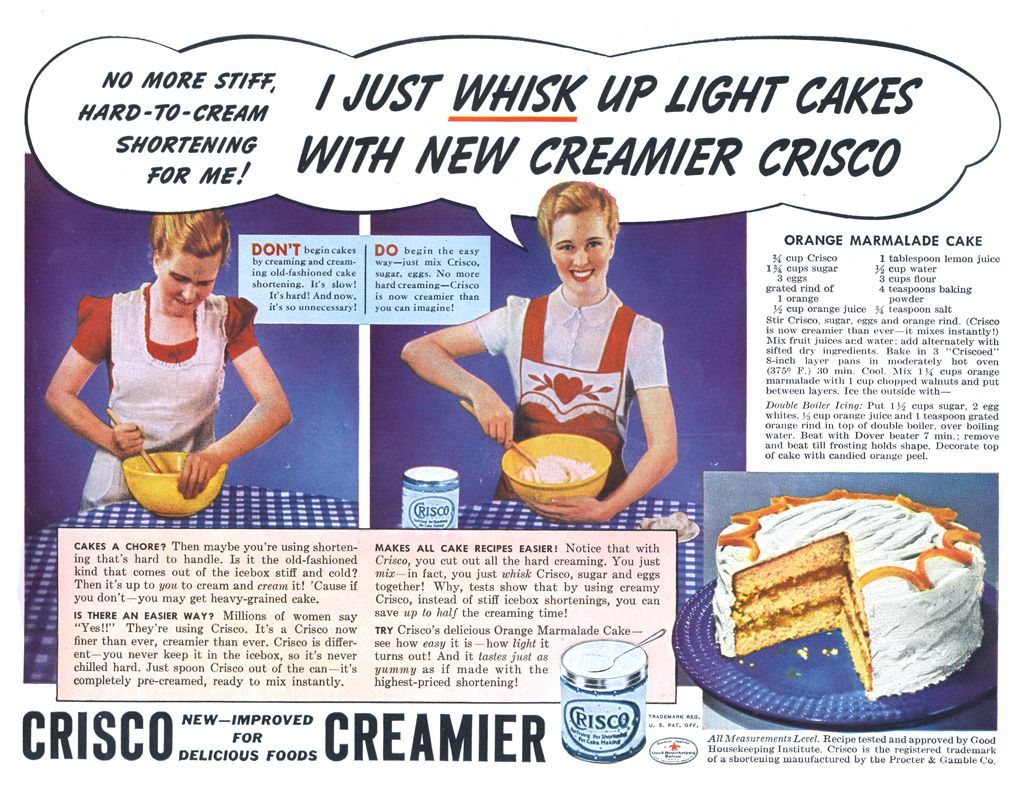
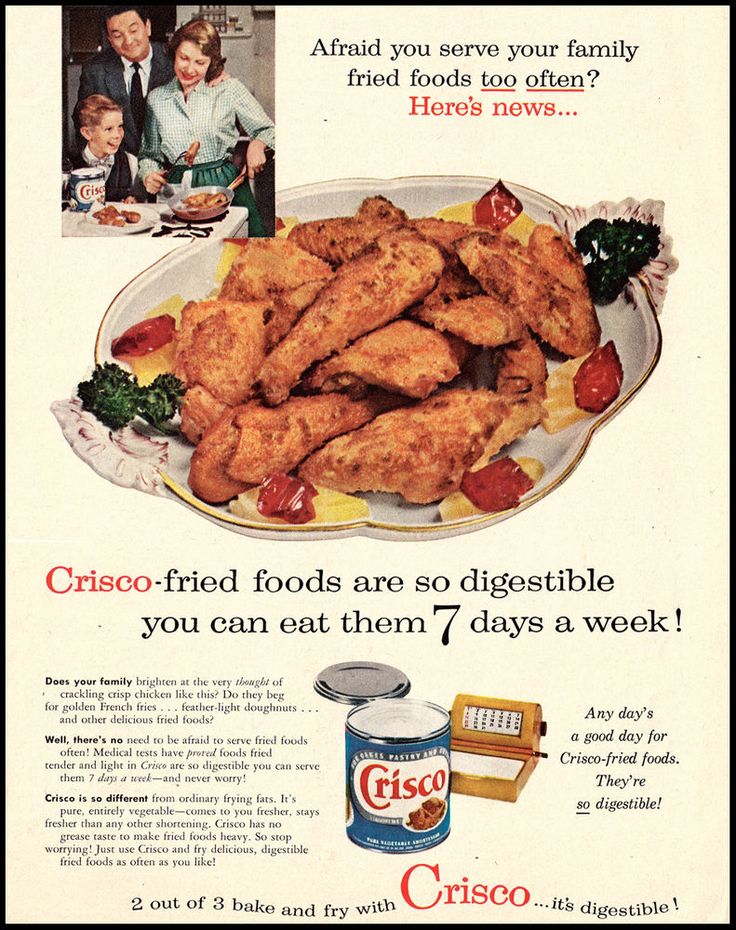

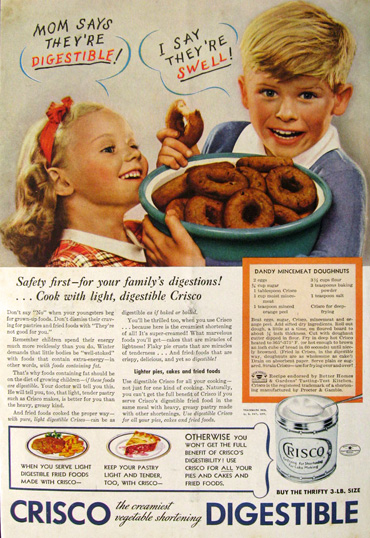
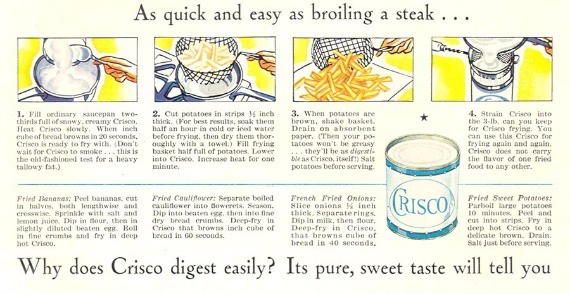
P&G used cottonseed oil for candles and soap, but later discovered that they could hydrogenate the oil into a solid that resembled animal fats.
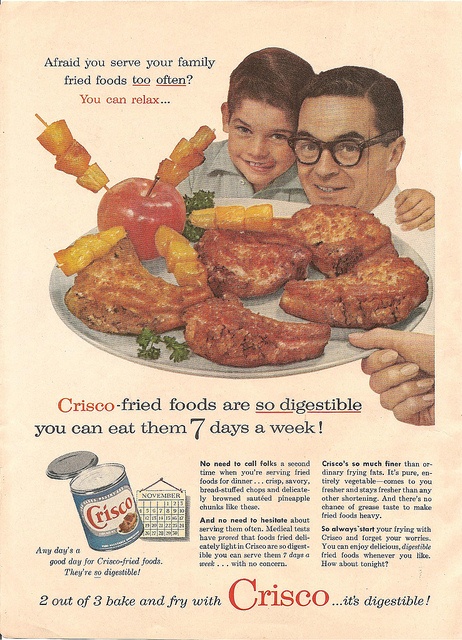
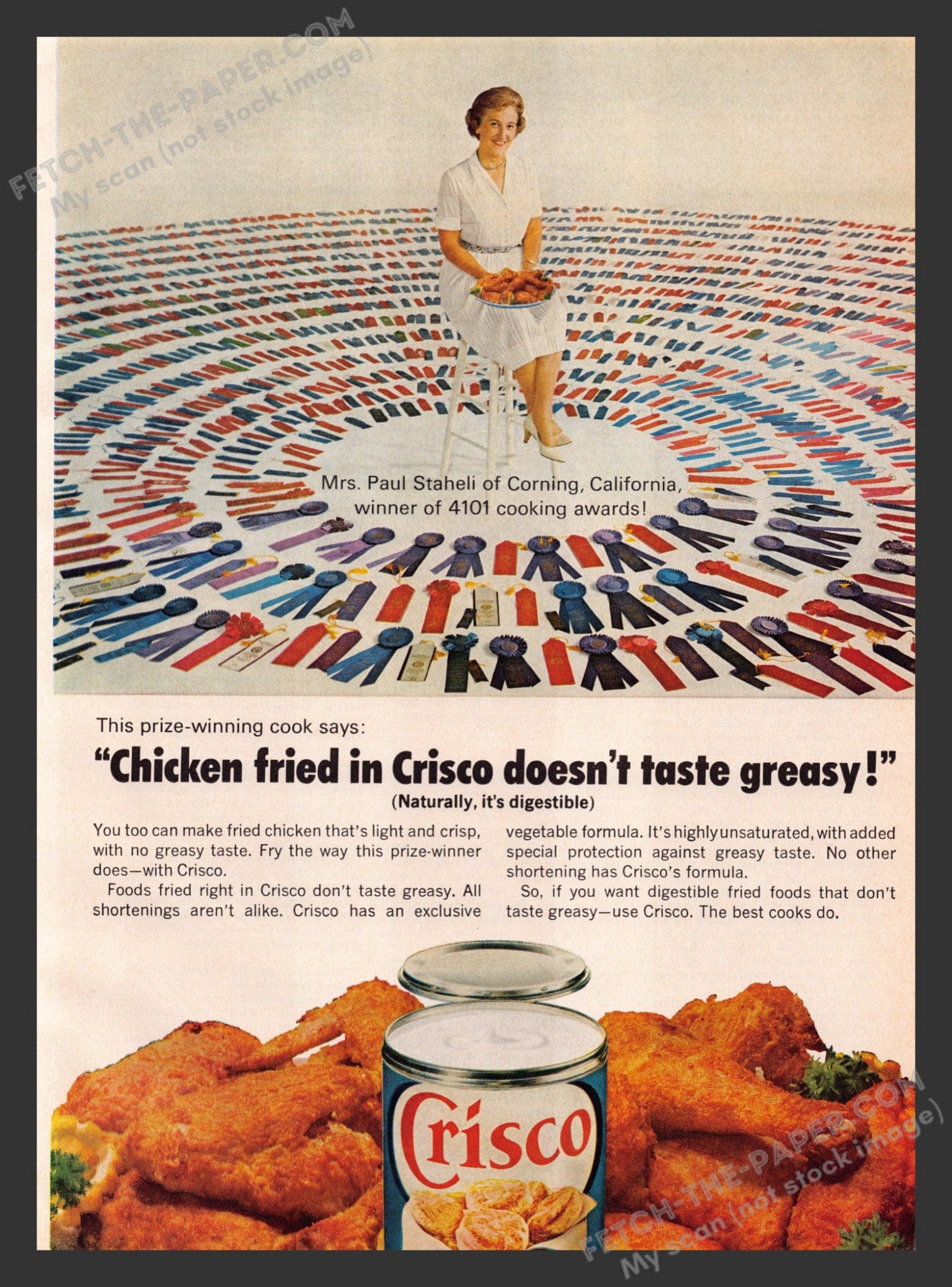
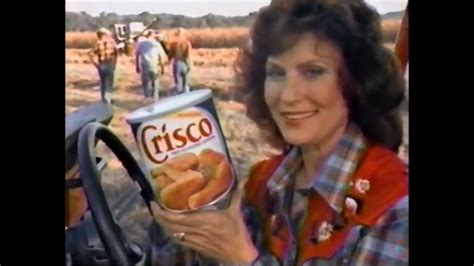
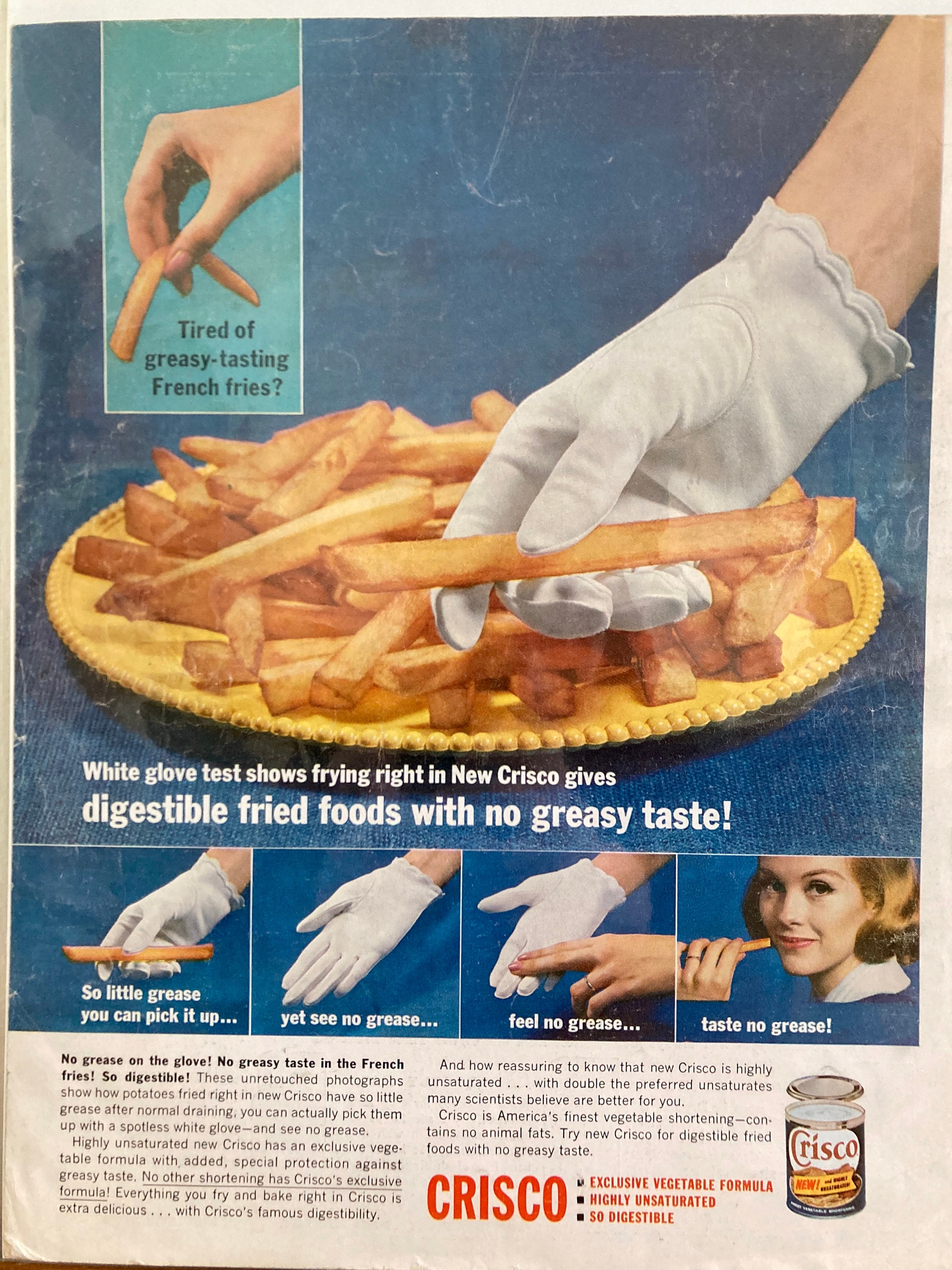
Behold…Crisco. Soon a FREE cook book (unheard of at the time) was released across the country featuring recipes made with Crisco.
Crisco was adeptly marketed as a more versatile butter. It could be used for frying, baking and cooking. It could be stored at room temperature. They even claimed it was easier to digest and healthier too.
The American Heart Association (AHA) got behind the health claims in the early 1960s, recommending Crisco and other unsaturated seed oils because of their ability to lower cholesterol.
Throughout the 1900s, Crisco and other cottonseed oils consumption skyrocketed.

The P&G alchemy of toxic byproducts into an ostensibly healthy cooking product was indeed too good to be true.
Hydrogenation created “trans-fats” which studies indicate doubled the risk of heart disease for every 2% consumed. Meanwhile, American’s were consuming upwards of 10kg a day.
Some estimates are that trans fats were responsible for 100,000 deaths. The number is likely higher if you count all the second and third order effects. The AHA, an entity that we still trust today, was basically recommending that people consume poison.
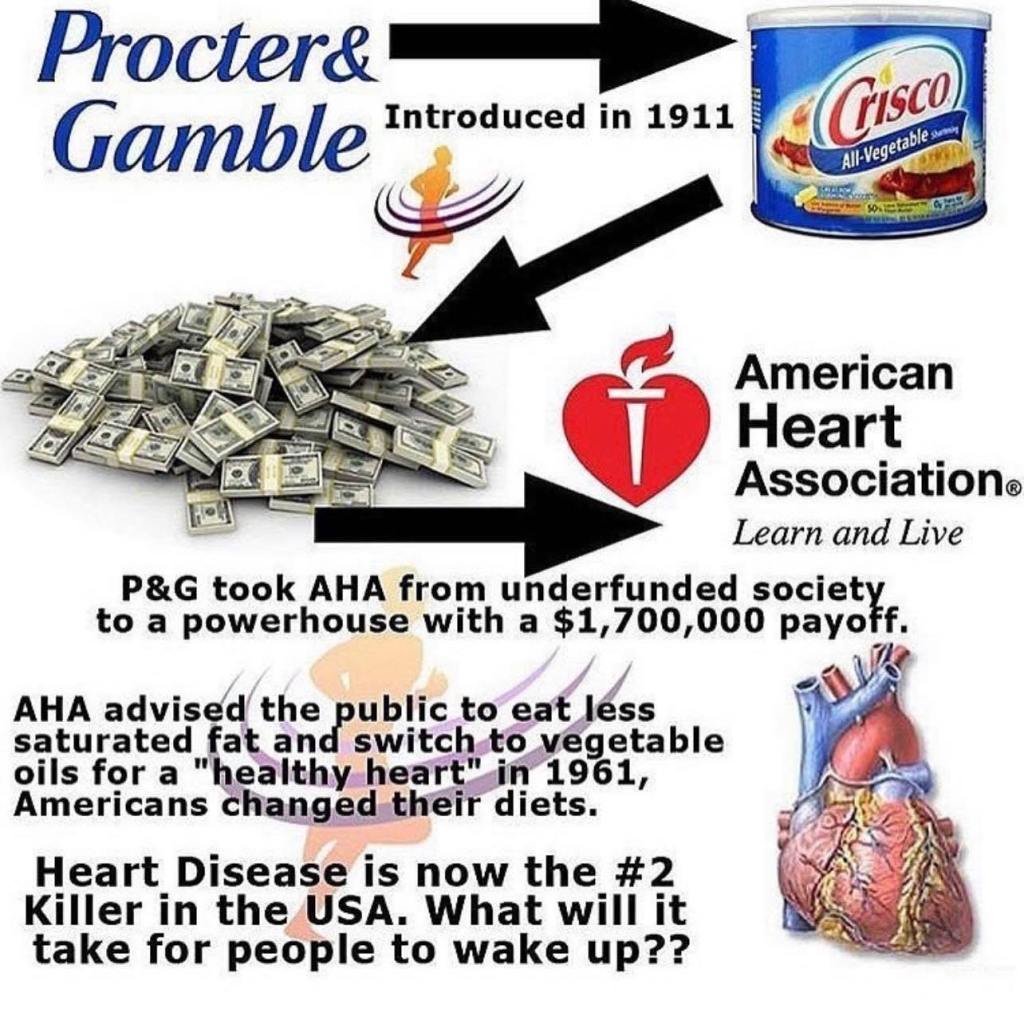
This is the backdrop that led to the Eisenhower heart attack. Heart disease was rampant, but instead of blaming it on this new food manufactured from cheap toxic byproducts, the government decided to blame it on a product we’ve been eating for millions of years.
Instead of making people healthier, it fueled an epidemic of obesity, diabetes, and metabolic disease that continued until President Donald Trump, Robert F. Kennedy, Jr. and MAHA entered the picture to take on Big Media, Big Food, Big Pharma, and Big Government.
The Evidence Did Not Fit
Even back in the 1960s and 70s, not everyone agreed with Keys. Some researchers pointed out:
- Populations eating high-fat diets weren’t all dying of heart disease.
- Total cholesterol wasn’t a reliable predictor of cardiovascular risk.
- Other factors — like smoking, sugar intake, and lifestyle — mattered more.
But the narrative was too powerful. Once governments, media, and industry invested in the “fat is bad” message, dissenting voices were drowned out.
Remember:
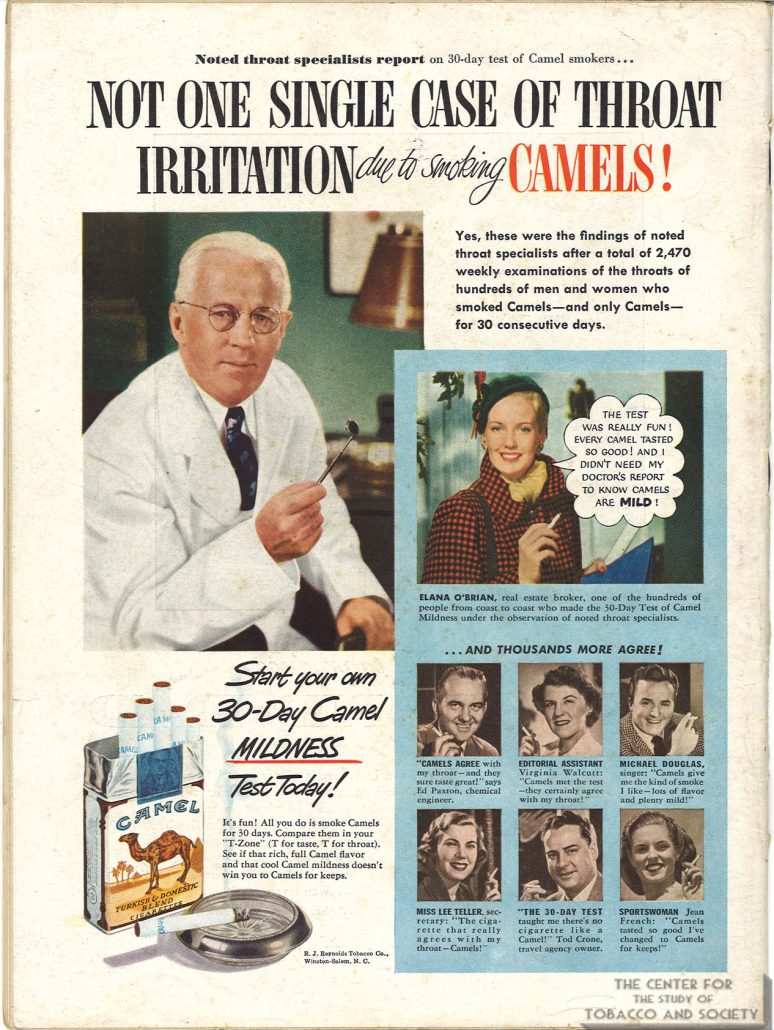
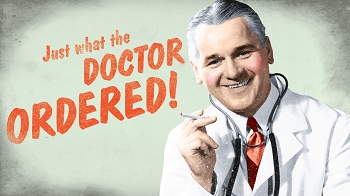
The year is 1950. Your doctor lights a cigarette and tells you smoking is fine. He read it in a study. He is telling the truth about having read it. He does not know, or is not saying, that the study was funded by the tobacco industry.

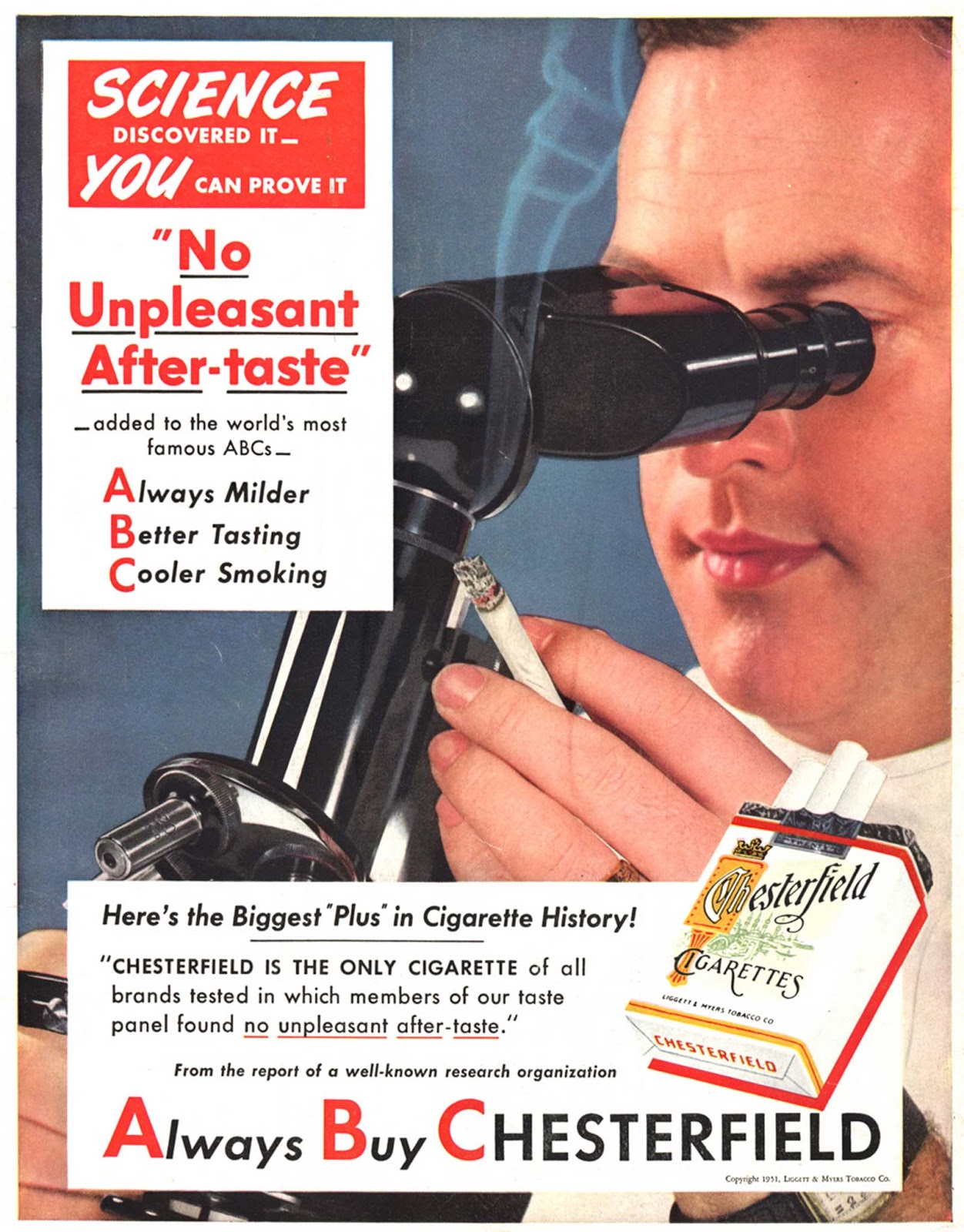
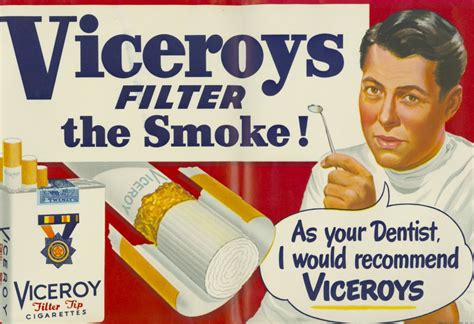
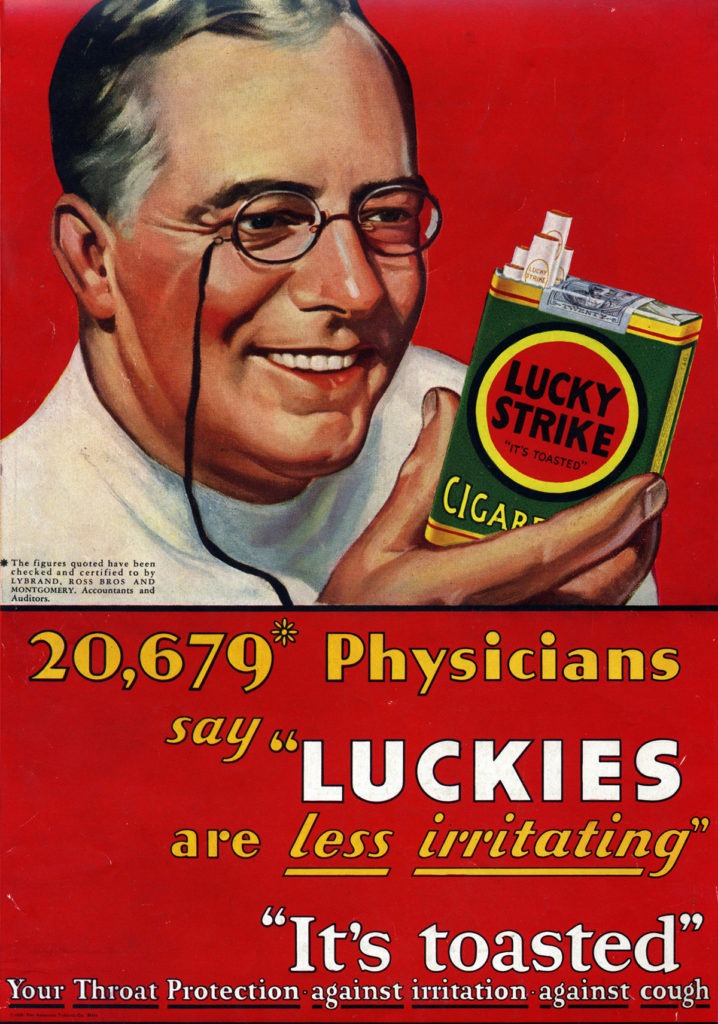
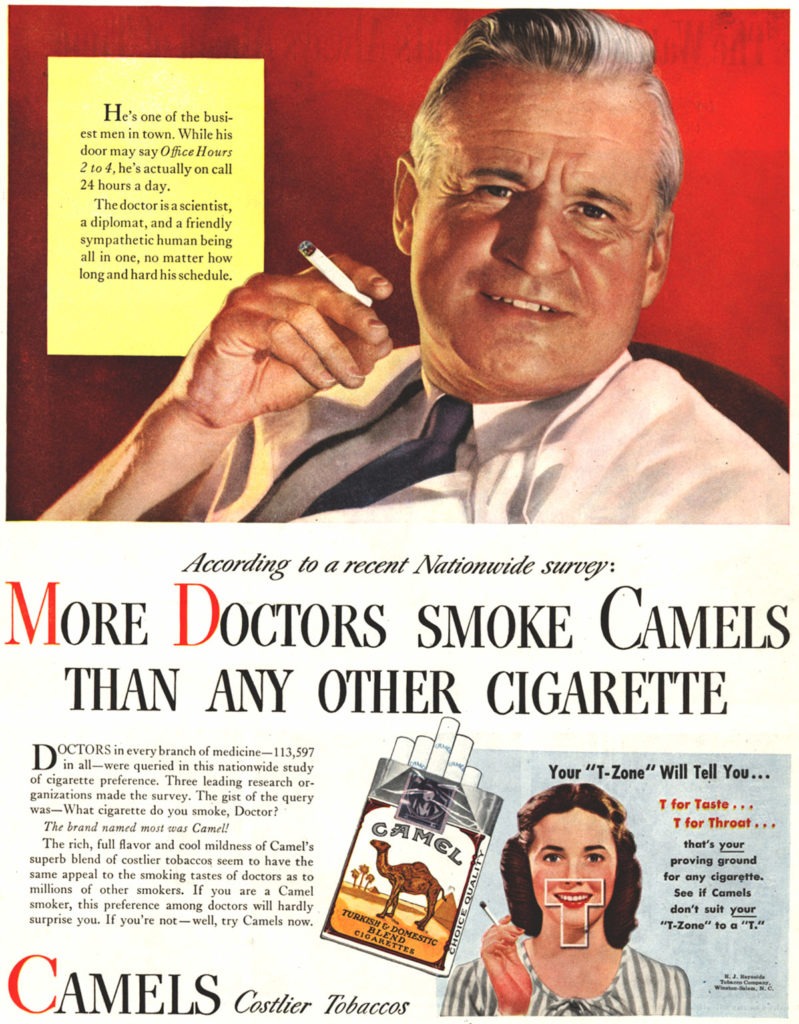
The year is 1958. Your doctor tells you to eat less fat. The evidence is contested. The contestation is not in the public messaging. The food industry has been helpful in clarifying which findings deserve attention. Some researchers who published contradictory data have been quietly defunded. Ancel Keys is on the cover of Time magazine.
The year is 1962. Your doctor prescribes thalidomide to your pregnant wife for morning sickness. It has been approved. The FDA gave it the green light and in Europe regulators did the same.
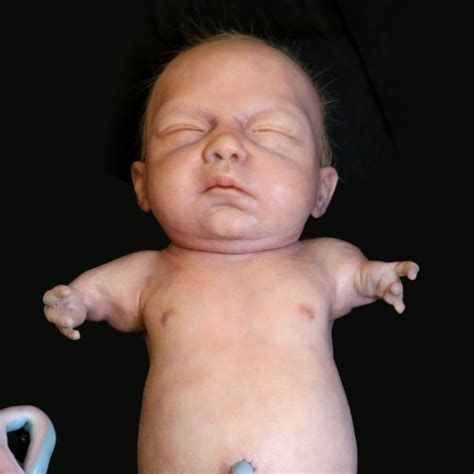
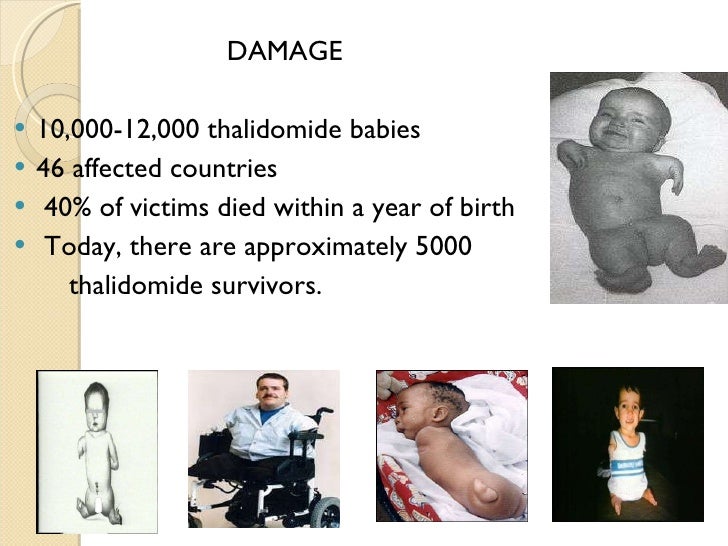

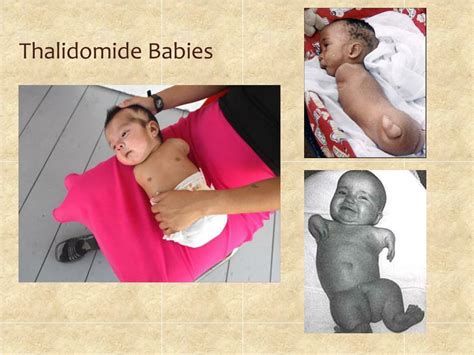

Twelve thousand children would be born with severe limb malformations before anyone in an official capacity acknowledged the problem. The families were told the drug was safe. The drug was approved. Both of these things remain true.
The year is 1972. Your doctor prescribes Valium. Britain is in the grip of a benzodiazepine wave that will last two decades. The dependency risk is known internally. It is not shared. Your doctor is not lying to you. He was not told either.
The year is 1999. Your doctor prescribes Vioxx for your arthritis. It is newer than ibuprofen, well-tolerated, and Merck has a study showing it works.
Merck also has internal data suggesting it roughly doubles the risk of heart attack. This data will not reach your doctor for four more years. Fifty thousand people are estimated to have died in the interim. Merck eventually settles for 4.85 billion dollars. No criminal charges are brought.
The year is 2002. Your doctor prescribes OxyContin. Purdue Pharma trained its sales representatives to tell doctors the addiction risk was less than one percent. That figure came from a letter, not a study. The letter was about patients with terminal cancer on short-term doses in hospital settings. Your doctor is a General Practitioner with a patient who has a bad back. Nobody draws a distinction. Nobody is required to.
The year is 2008. Your doctor checks your cholesterol. Your LDL is elevated. You are prescribed a statin.
Nobody mentions that the number needed to treat for primary prevention is approximately 250.
Nobody mentions that the muscle deterioration you’ll notice over the next two years is listed as a rare side effect rather than a documented pattern affecting a meaningful percentage of patients. The trial that informed the prescription was funded by the manufacturer.
Now it is today.
Your doctor has new guidelines. New studies. New consensus. He/She is confident. They have continuesl been confident.
The confidence has never been the problem?
The confidence is, in fact, precisely the problem.
To receive free email notification, when we post new articles like this, sign up below. Clever Journeys does & will not sell or share your information with anyone.
In God We Trust
______________
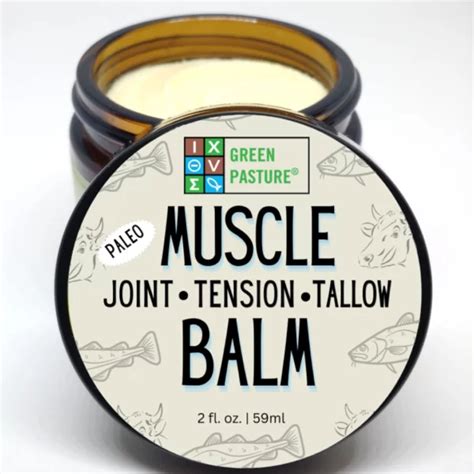
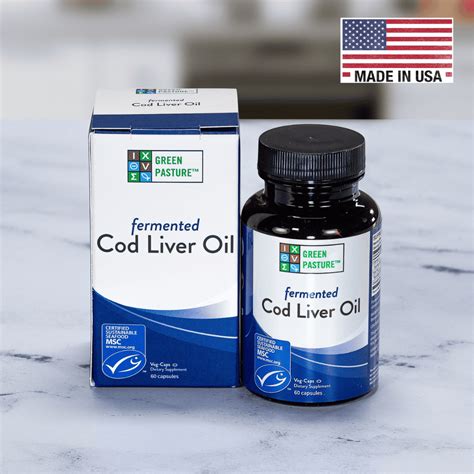
Please Support This Stellar American Owned Business
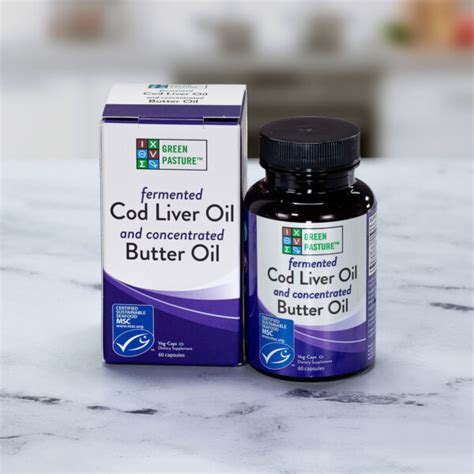
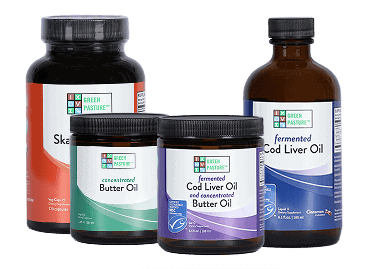
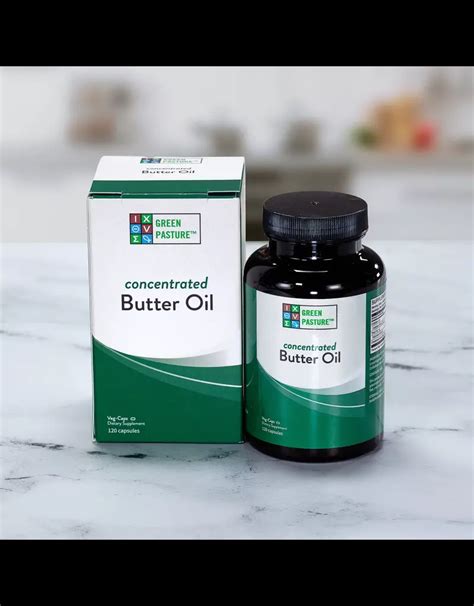
Get Your Natural Vitamins A & D from the Sea!








 Clever Journeys
Literally sickening.
LikeLike
Your historical summary of health crises is eye-opening. Hopefully, the FDA will be reformed to safeguard public health, not the greedy corporate world. 😦
LikeLike
This drives home the two truths of for all have sinned and fallen short of the glory of God (Romans 3:23) and the wisdom of limited government (having as few sinners over me as possible).
LikeLike