
Lonesome Dove (1989) is a Western miniseries about two former Texas Rangers, Augustus “Gus” McCrae and Woodrow Call, who embark on an ambitious cattle drive from Texas to Montana.
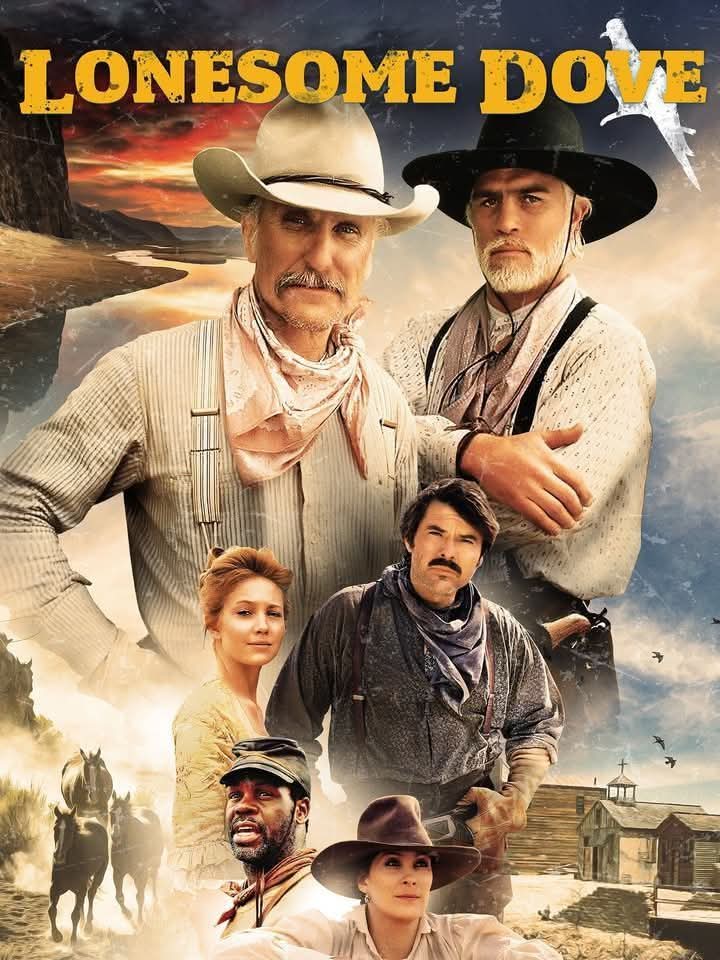
Captain Augustus “”Gus”” McCrae is one of the central characters in Larry McMurtry’s classic Western novel Lonesome Dove, which was later adapted into the highly successful TV miniseries.
The character is portrayed by actor Robert Duvall. He is a rugged yet charming former Texas Ranger. He embarks on a dangerous cattle drive from the Rio Grande to Montana with his longtime partner, Woodrow F. Call, played by Tommy Lee Jones.
Gus is also a man of contrasts. He is tough and capable when needed. He is also sensitive and reflective. He especially reflects as he contemplates life, death, and the meaning of friendship. His relationship with Call, full of shared history and often silent understanding, is a central aspect of Lonesome Dove.
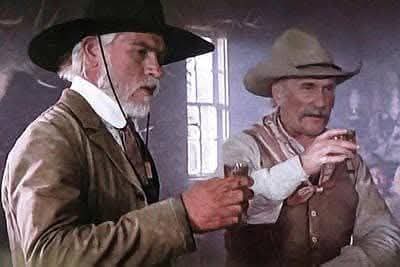
The two characters are opposites in many ways—Call being stoic, disciplined, and emotionally distant, while Gus is more free-spirited, with a love for life and a deep, though often complicated, sense of empathy.
Lonesome Dove earned critical acclaim, and Robert Duvall’s portrayal of Gus McCrae became one of his most iconic roles, earning him an Emmy Award and widespread praise for his performance. Gus McCrae remains a quintessential Western character, embodying both the harshness and beauty of the American frontier.
As they lead a diverse group of cowboys, they face harsh landscapes, dangerous outlaws, and personal struggles. Along the way, Gus rekindles an old romance, while Call grapples with his duty and emotions.
Tragedy strikes when Gus is fatally wounded, forcing Call to fulfill his dying wish of being buried in Texas.
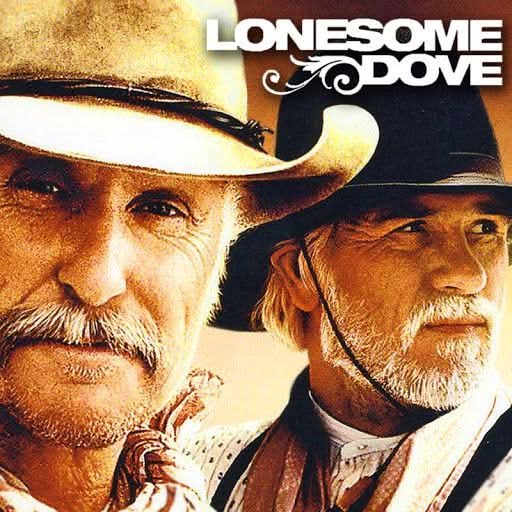
Larry McMurtry wanted to cast John Wayne as Woodrow Call and James Stewart as Augustus “Gus” McCrae.
This might have worked the way that Wayne’s star trip in 1969’s True Grit worked. But it wouldn’t have been great the way Lonesome Dove was great because Tommy Lee Jones and Robert Duvall were not cast for their star power but because they were Woodrow and Gus.
McMurtry and William Wittliff wrote Lonesome Dove’s script. It had the advantage of being based on one of the three greatest Western novels. (Number one is Thomas Berger’s Little Big Man, while Charles Portis’s True Grit and McMurtry’s Lonesome Dove tie for a close second.)
The greatness of Lonesome Dove starts with its source material. The material comes from a man who knew his subject.
In his essays on Texas, In a Narrow Grave, McMurtry correctly noted that movie Westerns “fault the myth when they dramatize gunfighting, rather than horsemanship, as the dominant skill.”
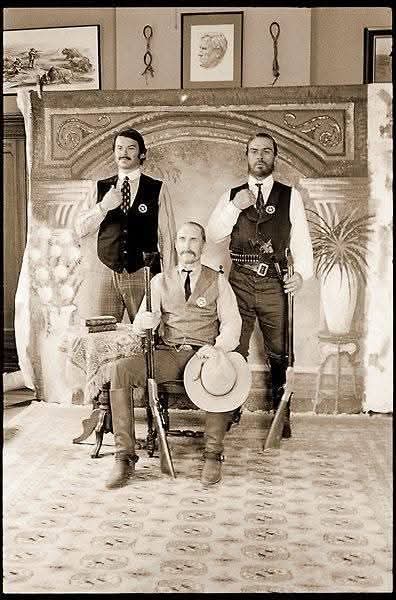
The killing in Lonesome Dove is invariably regarded with a wry salty humor of the kind that Mark Twain thought was essential to American storytelling (and which is woefully missing from Westerns by highly regarded novelists such as Cormac McCarthy).
The novel’s famous first sentence, for instance: “When Augustus came out on the porch the blue pigs were eating a rattlesnake—not a very big one.”
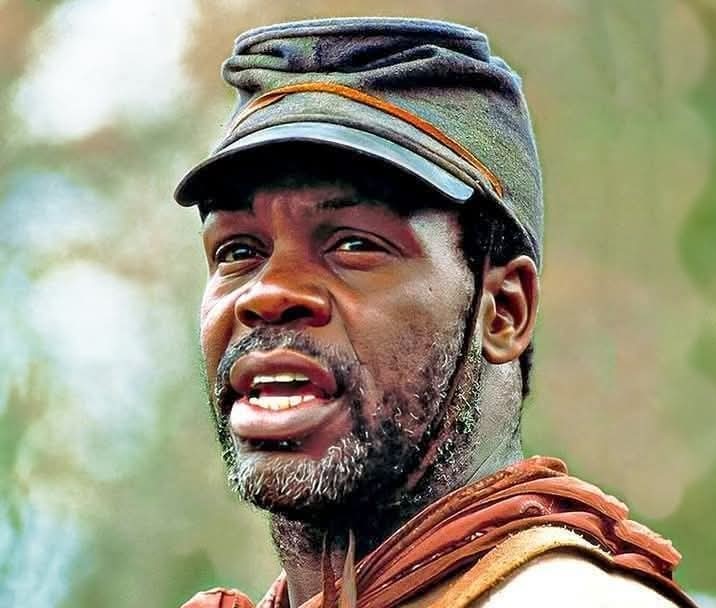
Danny Glover was Joshua Deets in Lonesome Dove
Danny Glover brought to life one of the most unforgettable characters in Western history: Joshua Deets.
As the loyal scout and trusted companion to McCrae and Call, Deets wasn’t just along for the ride—he was family. His courage, wisdom, and quiet dignity made him a steady force on the wild frontier.
As a Black cowboy in the 19th century, Deets also highlighted the often-overlooked contributions of African Americans in shaping the West.
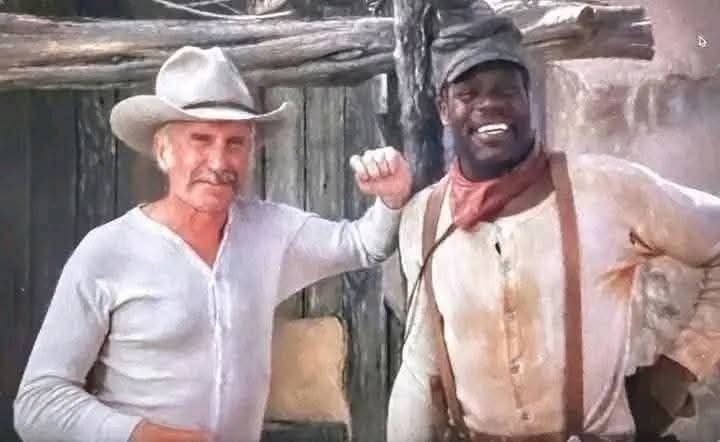
Glover’s performance gave him depth, humanity, and heart, making Deets one of the most beloved figures in the saga.
When his fate came, it broke the hearts of viewers—a poignant reminder of the sacrifices made on the frontier, and why Lonesome Dove remains timeless.
Thanks to Danny Glover, Joshua Deets rides tall in memory—a trailblazer, a hero, and a legend of the Old West.
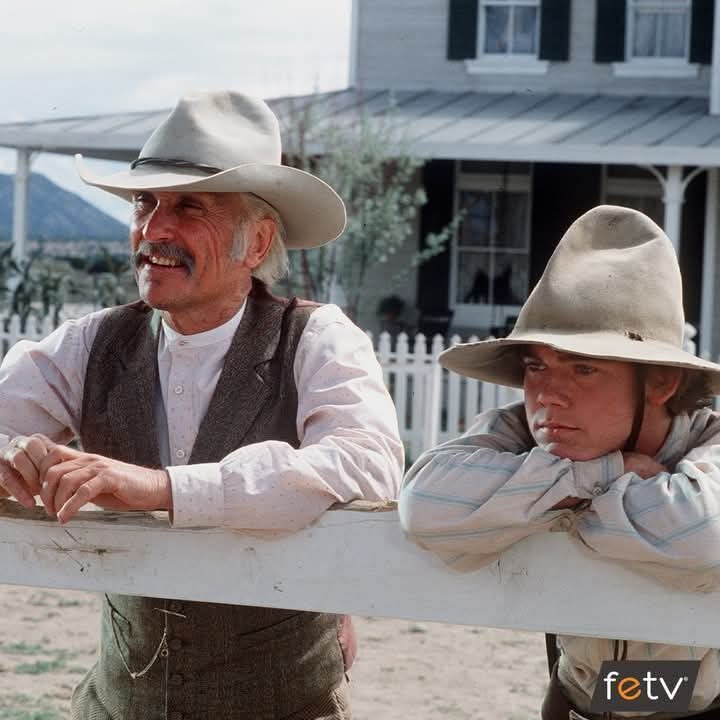
The character “Newt”, played by Ricky Schroeder symbolizes an accurate portrayal of an orphaned, fatherless boy. His mannerism and deportment were on point.
The men around him, including his real father, imputed a portion of their selfless character. As woodcarvers, they valued wood and helped Newt grow tall, strong, and broad shouldered. He became ramrod straight. Newt was a fine character to include into the many other characters of Lonesome Dove.
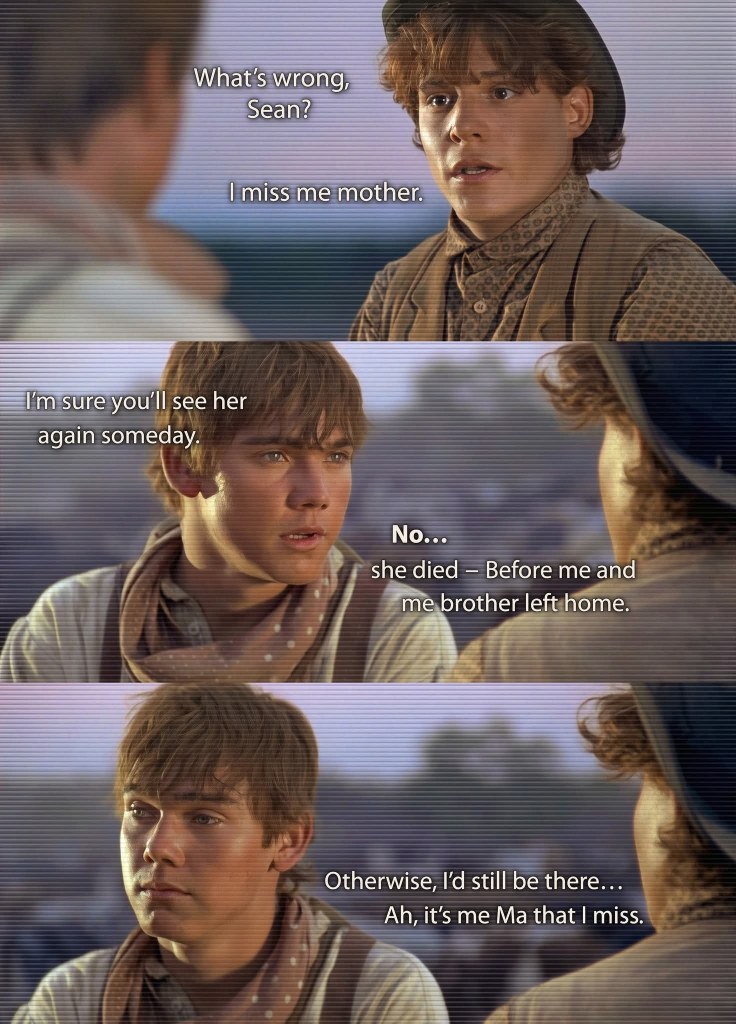
“I like to keep Woodrow feelin’ that he’s caused a peck of trouble,” Augustus said. “I don’t want him to get sassy. But I wouldn’t have missed comin’ up here. I can’t think of nothin’ better than ridin’ a fine horse into a new country. It’s exactly what I was meant for, and Woodrow too.”
“Do you think we’ll see Indians?” Newt asked.
“You bet,” Augustus said. “We might all get killed this afternoon, for all I know. That’s the wild for you—it’s got its dangers, which is part of the beauty. ’Course the Indians have had this land forever. To them it’s precious because it’s old. To us it’s excitin’ because it’s new.”
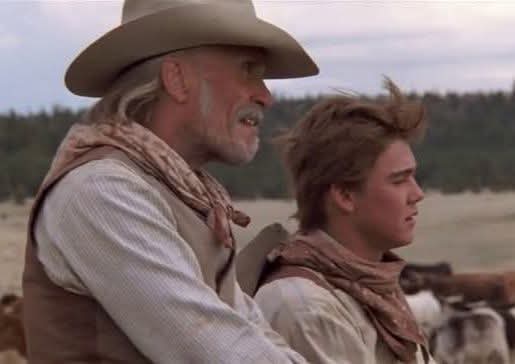
Newt noticed that Mr. Gus had a keen look in his eye. His white hair was long, almost to his shoulders. There seemed to be no one who could enjoy himself like Mr. Gus.
To receive free email notification, when we post new articles like this, sign up below. Clever Journeys does & will not sell or share your information with anyone.
.
IN GOD WE TRUST

Thanks for supporting independent true journalism with a small tip. Dodie & Jack
CLICK HERE for GREEN PASTURE BENEFITS


Use Code CLEVER10 for a 10% discount on Green Pasture products today!


☆☆☆☆☆


☆☆☆☆☆


 Clever Journeys
Well composed report! Ah, Lonesome Dove; among my favorites. The casting of the series was perfect all around.
LikeLiked by 1 person
Best western ever. I’ve read the book twice and own the series DVD. Robert Duvall is an American treasure.
LikeLiked by 1 person