
The Evidence for Jabal Maqla
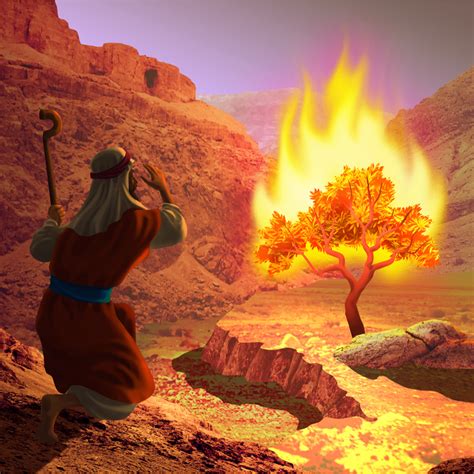
Few locations in biblical history are as significant as Mount Sinai. It is where God descended in fire and gave His covenant to Israel.
For centuries scholars, Christians, and Jews have debated its true location.
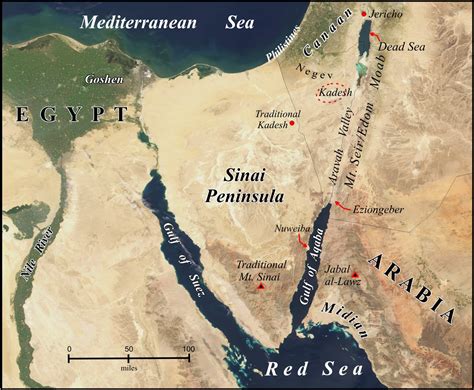
Three sites are most often suggested:
• Mount Musa in Egypt’s Sinai Peninsula,
• Jabal al-Lawz in northwest Saudi Arabia,
• Jabal Maqla, also in northwest Saudi Arabia.
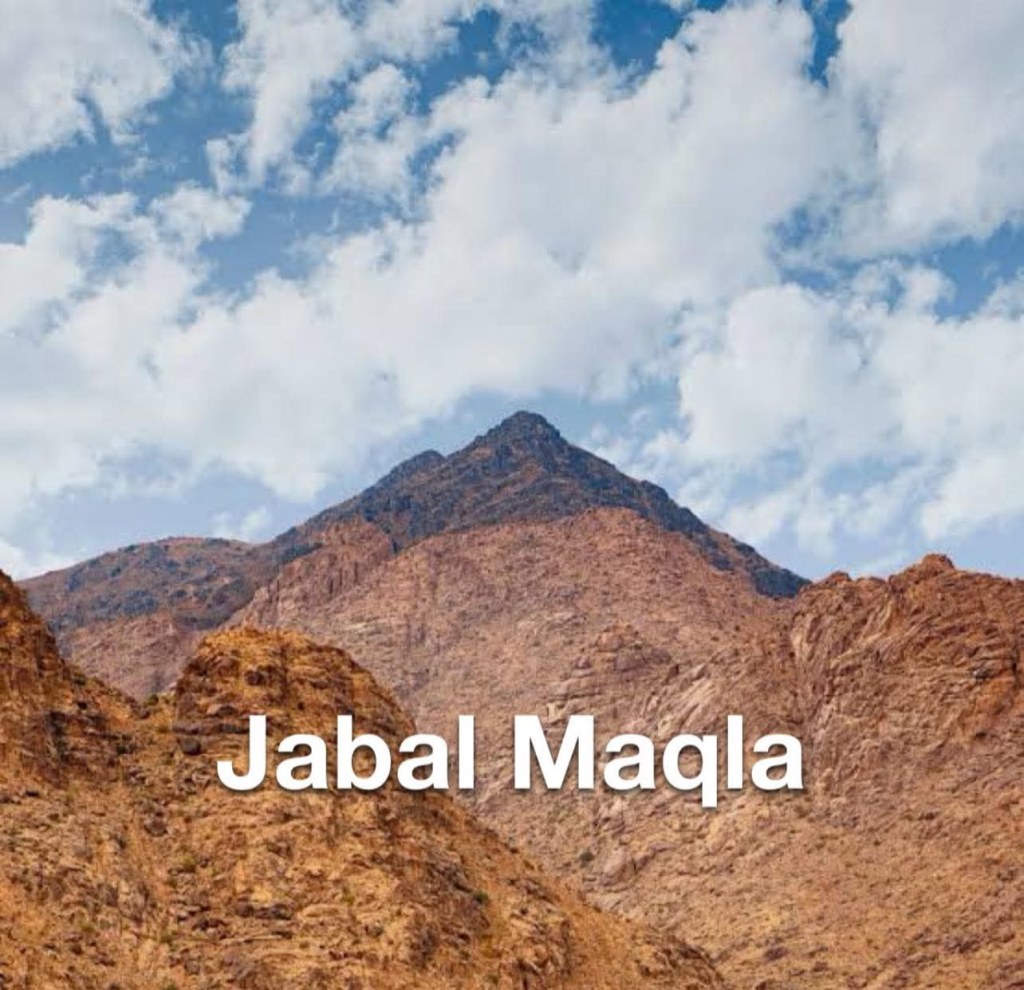
Jabal Maqla (which in English means “Burnt Mountain”), better fits the biblical Exodus narrative. The combined evidence is based on its geographical location. It includes ancient historical references, the surrounding archaeology, and the bare attributes of the mountain.
A careful examination of Scripture, historical records, and physical evidence points strongly to Jabal Maqla as the biblical Mount Sinai.
The traditional identification of Mount Sinai with Mount Musa, home to St. Catherine’s Monastery, began only in the third or fourth century A.D., long after the events described in Exodus.
This tradition is well-established. However, both the Bible and archaeological findings raise significant challenges to Mount Musa as the true location.
The book of Exodus clearly places Mount Sinai within the land of Midian. This is a region east of the Gulf of Aqaba in what is now northwestern Saudi Arabia (Exodus 2:15).
After fleeing Egypt, Moses settled in Midian, where he married the daughter of Jethro, the priest of Midian (Exodus 2:16, 21).
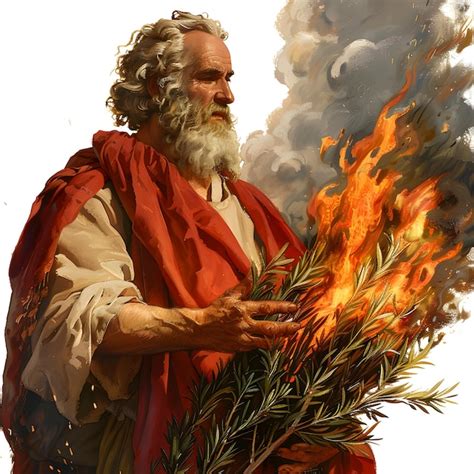
While tending Jethro’s flock, Moses encountered the burning bush and heard God’s voice at Mount Sinai, also called the “Mountain of God” (Exodus 3:1–2).
The Bible indicates that after crossing the Red Sea, the Israelites had definitively left Egypt. They were traveling in the wilderness (Exodus 14:29–30; 15:1–4; 15:22).
The apostle Paul reinforces this geographical understanding, stating, “Now Hagar stands for Mount Sinai in Arabia” (Galatians 4:25).
In his day, Arabia referred to the region east of the Gulf of Aqaba, which corresponds to modern-day northwest Saudi Arabia.
Ancient historians, such as Agatharchides of Cnidus, also noted that the Sinai Peninsula was not considered part of Arabia.
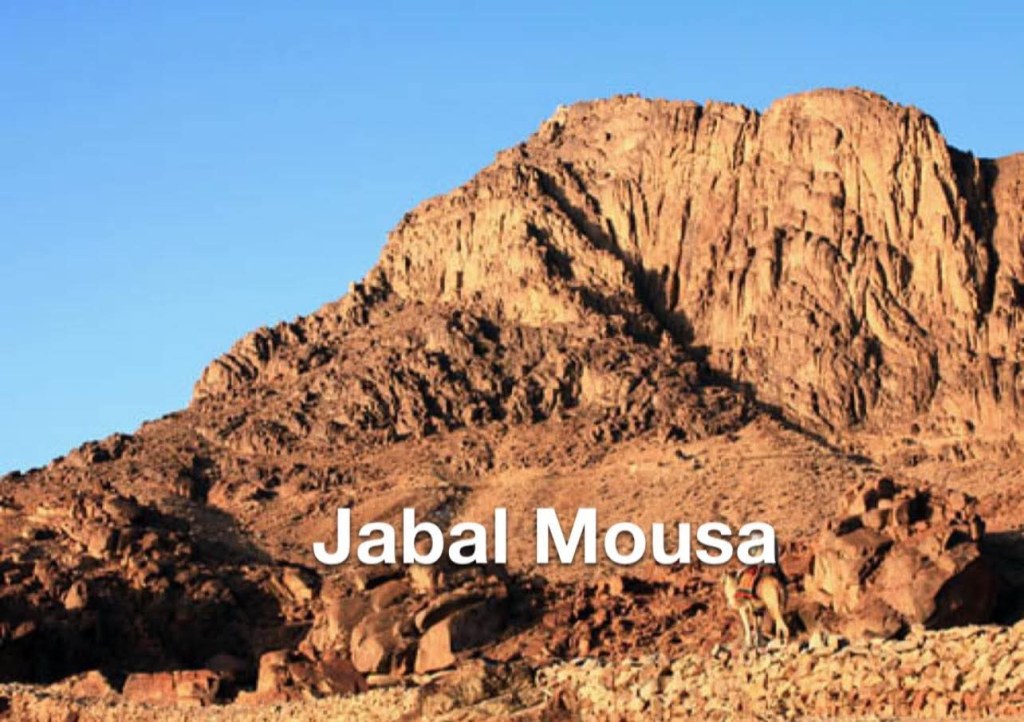
Archaeologically, Mount Musa (also referred to as Mousa) lacks evidence supporting the Exodus narrative. Despite centuries of pilgrimage, no altars, inscriptions, or other remains consistent with the biblical account have been discovered there.
The terrain also does not align with the route of the Israelites from Egypt across the Red Sea into Midian. For these reasons, Mount Musa can’t be the true Mount Sinai.

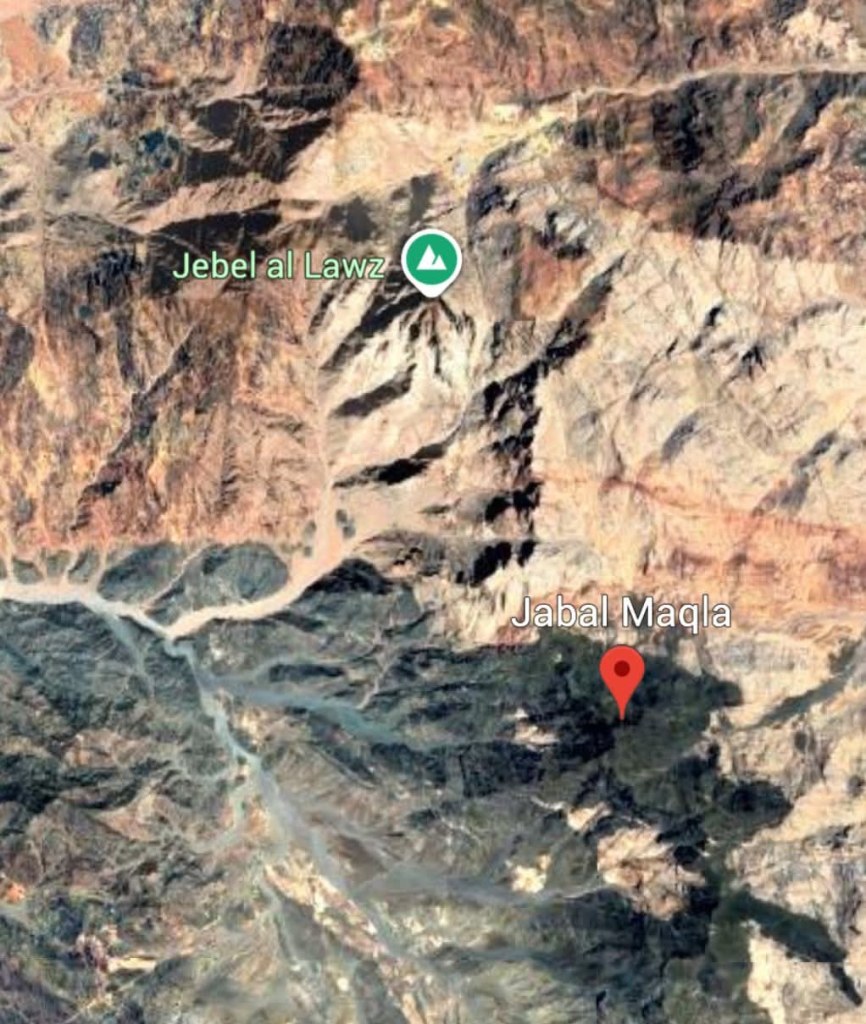
Jabal al-Lawz, another proposed candidate, lies near Jabal Maqla in Saudi Arabia. While some researchers have suggested it as Sinai, closer examination reveals problems.
Its summit consists of naturally dark granite, which has been mistaken by some as fire-scorched rock.
In contrast, Jabal Maqla’s peak shows evidence of extreme heat exposure, with granite that appears blackened as though burned.
This detail aligns with Exodus 19:18. It describes the mountain as “enveloped in smoke, because the Lord had descended on it in fire.”
Archaeological evidence also favors Jabal Maqla. The golden calf altar with bovine carvings clusters at its base. There are remains of an altar associated with Moses.
Marble fragments are possibly linked to the twelve pillars for Israel’s tribes. Several ancient wells can also be found there. Jabal al-Lawz lies nearly two miles away and has no evidence directly tied to the Exodus account.
Jabal Maqla is situated in northwest Saudi Arabia, within the heart of ancient Midian, where Moses lived for forty years after fleeing Egypt.
It is here that God revealed Himself in the burning bush and later gave the Law.
Local Bedouin tribes, who are neither Jewish nor Christian, still refer to this mountain as “the mountain of Moses” (Jabal Musa), preserving an ancient tradition of its association with him. At the mountain’s base lies a large stone structure covered with bovine carvings, believed to be the golden calf altar described in Exodus 32.

1 When the people saw that Moses delayed to come down from the mountain, the people gathered themselves together to Aaron and said to him, “Up, make us gods who shall go before us. As for this Moses, the man who brought us up out of the land of Egypt, we do not know what has become of him.”
2 So Aaron said to them, “Take off the rings of gold that are in the ears of your wives, your sons, and your daughters, and bring them to me.”
3 So all the people took off the rings of gold that were in their ears and brought them to Aaron.
4 And he received the gold from their hand and fashioned it with a graving tool and made a golden calf. And they said, “These are your gods, O Israel, who brought you up out of the land of Egypt!”
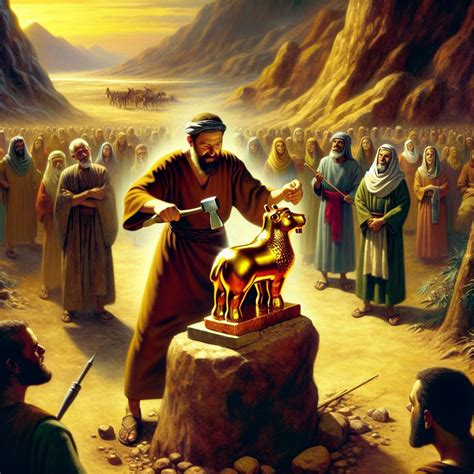
5 When Aaron saw this, he built an altar before it. And Aaron made a proclamation and said, “Tomorrow shall be a feast to the Lord.”
6 And they rose up early the next day and offered burnt offerings and brought peace offerings. And the people sat down to eat and drink and rose up to play.
7 And the Lord said to Moses, “Go down, for your people, whom you brought up out of the land of Egypt, have corrupted themselves.
8 They have turned aside quickly out of the way that I commanded them. They have made for themselves a golden calf and have worshiped it and sacrificed to it and said, ‘These are your gods, O Israel, who brought you up out of the land of Egypt!’”
9 And the Lord said to Moses, “I have seen this people, and behold, it is a stiff-necked people.
10 Now therefore let me alone, that my wrath may burn hot against them and I may consume them, in order that I may make a great nation of you.”
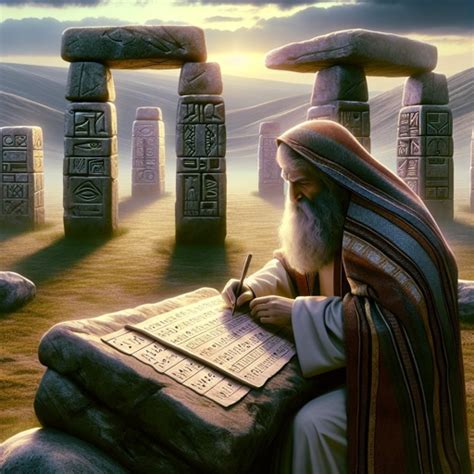
Nearby are the remains of another altar and marble fragments potentially linked to the twelve pillars Moses erected for the tribes (Exodus 24:4).
The surrounding plain is spacious enough to accommodate the Israelite encampment, and several ancient wells provide a plausible water source.
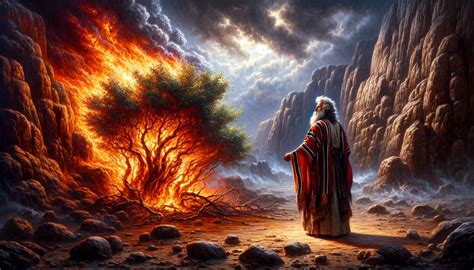
The summit itself bears evidence of extreme heat. The blackened granite appears scorched. This matches the biblical account of fire, smoke, and trembling (Exodus 19:18).
• While Mount Musa stands for longstanding tradition, it conflicts with Scripture and lacks supporting archaeological evidence.
• Jabal al-Lawz, although geographically close, fails to match the geological and archaeological details described in the Bible.
• Jabal Maqla satisfies all biblical, historical, and physical markers. It is in Arabia, within the land of Midian, and preserves ancient Bedouin tradition. The mountain bears tangible evidence consistent with the biblical narrative.
Taken together, the evidence makes a compelling case that Jabal Maqla is the true Mount Sinai. It is the mountain where God revealed His glory. There, He entered into covenant with His people and gave His eternal law.
To receive free email notification, when we post new articles like this, sign up below. Clever Journeys does & will not sell or share your information with anyone.
IN GOD WE TRUST


Thanks for supporting independent true journalism with a small tip. Dodie & Jack




CLICK HERE for GREEN PASTURE BENEFITS

Use Code CLEVER10 for a 10% discount on Green Pasture products today!

☆☆☆☆☆


☆☆☆☆☆

 Clever Journeys
Right on Brothers and Sisters, and the truth is being reveled as we speak, they are continuing to uncover the evidence
LikeLiked by 4 people
Yep, Jabel Maqla is clearly Mount Horeb. Has anyone seen Bible Expedition with archeologist Joel Kramer? The people of Israel knew where the mountain was before the diaspora; so many references to this, including Elijah’s trip there when Jezebel was looking for him. It’s so cool that God is making sure it all comes to light!
LikeLiked by 3 people
Will check it out. I teach two Bible studies a week and for some reason this topic has been on my mind.
LikeLiked by 1 person
Youtube. You will love it; he’s so accurate and enthused.
LikeLiked by 2 people
The argument you laid out for Jabal Maqla as the real Mount Sinai seems unequivical, especially with the evidence discovered there. Enlightening post-super interesting! 🙂
LikeLiked by 2 people