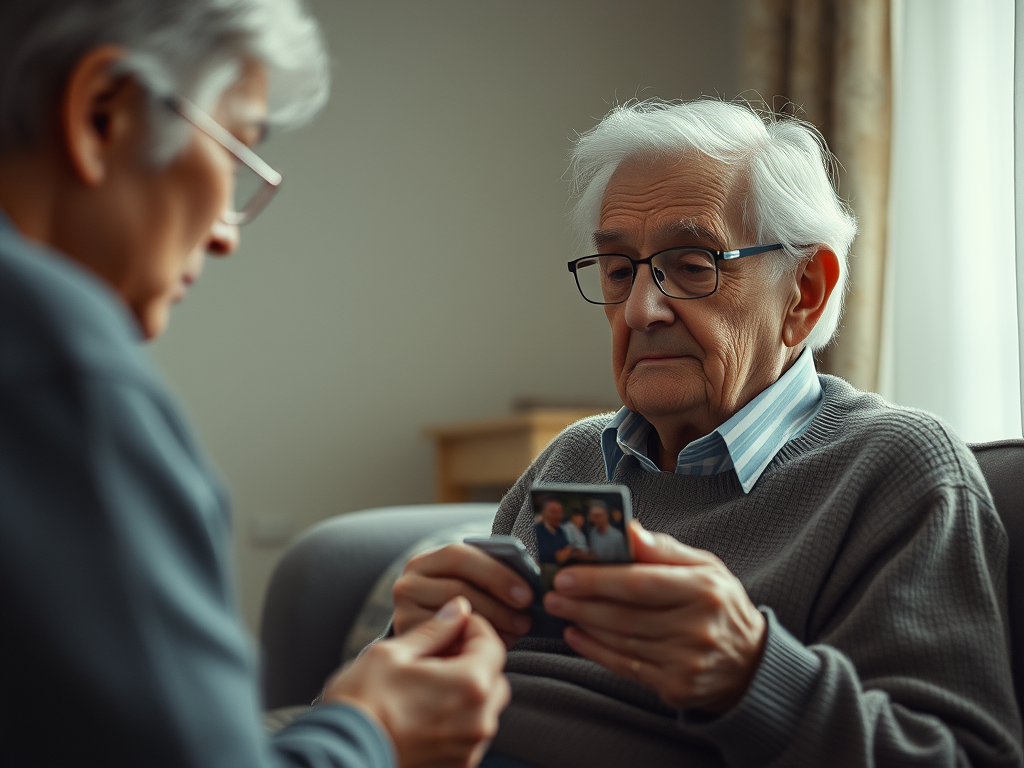
Dementia has been described as “one of the most devastating conditions that anyone could ever get because even though the body is still there, the person that we once knew is not there anymore.”
- Age and genetics are risk factors for Alzheimer’s disease, but lifestyle factors play a key role, too.
- Dietitians suggest avoiding alcohol, caffeine, heavy meals and sodium after 5 p.m to help reduce your risk.
- Regular exercise and eating a plant-based diet may also help prevent Alzheimer’s disease.
Although late stage dementia has no cure, it is possible to alleviate and reverse some symptoms early on.
● It is caused by damage to brain cells.
● This may be due to neuroinflammation, brain disease, degeneration, or injury.
● Brain cell damage leads to deterioration in cognitive function beyond what might be expected from normal biological aging.
The Global Deterioration Scale (GDS), uses a seven-Stage model to describe the condition’s progression:
Stage 1: Normal
Stage 2: Very mild cognitive decline
Stage 3: Early-Stage dementia (mild decline)
Stage 4: Early-Stage dementia (moderate decline)
Stage 5: Mid-Stage dementia (moderately severe decline)
Stage 6: Mid-Stage dementia (severe cognitive decline)
Stage 7: Late-Stage dementia

These warning signs of dementia can provide a good idea of its progression.
1. Occasionally Forgetting Familiar Words And Location Of Everyday Objects
During Stage 1 of dementia, the individual does not display any signs of cognitive decline. They are deemed as mentally healthy and have no dementia diagnosis.
Signs of degeneration of the brain’s physical capacity may include twitching, smaller handwriting (micrographia), impaired smell, declining sleep quality, and a hunched posture.
Stage 2. The person may forget familiar words or the location of everyday objects from time to time. These signs may not be obvious to loved ones and caregivers, especially since they could as well be age-related memory changes.
3. Forgetting The Names Of People They’ve Recently Met. Under Stage 3 of the GDS scale, symptoms of memory impairments become more apparent. Dementia has not progressed enough to significantly impact everyday life. But you or a loved one may start noticing unusual memory slips such as having difficulties recalling the names of new people.
The person may forget recent material. Other symptoms include difficulty with complex tasks, poor organization skills, and trouble managing time or making plans.
But it’s not too late to turn it around.
A person with Stage 4 symptoms of dementia demonstrates continued difficulties from Stage 3. The deficits in reasoning and memory become more prominent.
For example, in addition to forgetting a recently read paragraph, the person might have difficulty remembering something they did, such as the lunch they ate earlier in the day.
Having trouble with simple math might be a warning sign of dementia. One example is starting with 100 and continually subtracting 7. So 100-7=93, 93-7=86, 86-7=79, and so on.
While it’s normal if you’re having trouble doing the math as fast as others, people with dementia cannot do the calculations at all.
Another sign of Stage 4 dementia is an inability to manage finances. This might be evident in the form of an inability to pay bills consistently and on time. Difficulties with concentration, time management, organization skills, and completing complex tasks get more obvious from Stage 3.
When a person has trouble remembering things like their address or birth date, dementia has likely progressed to Stage 5. They may also have lost track of time and location.

At this point, there is major memory decline, and everyday tasks like dressing and preparing meals are increasingly difficult without assistance.
In Stage 6, the individual might forget names and misplace the faces of close friends and family, even their spouse’s name.
The cognitive decline is severe, and the person has very little judgment on how to take care of themselves. A high level of care is necessary to help the individual with daily living tasks such as getting dressed, feeding themselves, and going to the bathroom.
During this stage, people tend to wander and get lost. So they need to be watched constantly. They also demonstrate major personality disorder.
The final warning sign of someone who has complete detachment, which also describes the final stage on the Global Deterioration Scale.
The person has lost all ability to communicate. There is also a severe decline in basic abilities like sitting up, walking, and eating. These individuals need around-the-clock care.
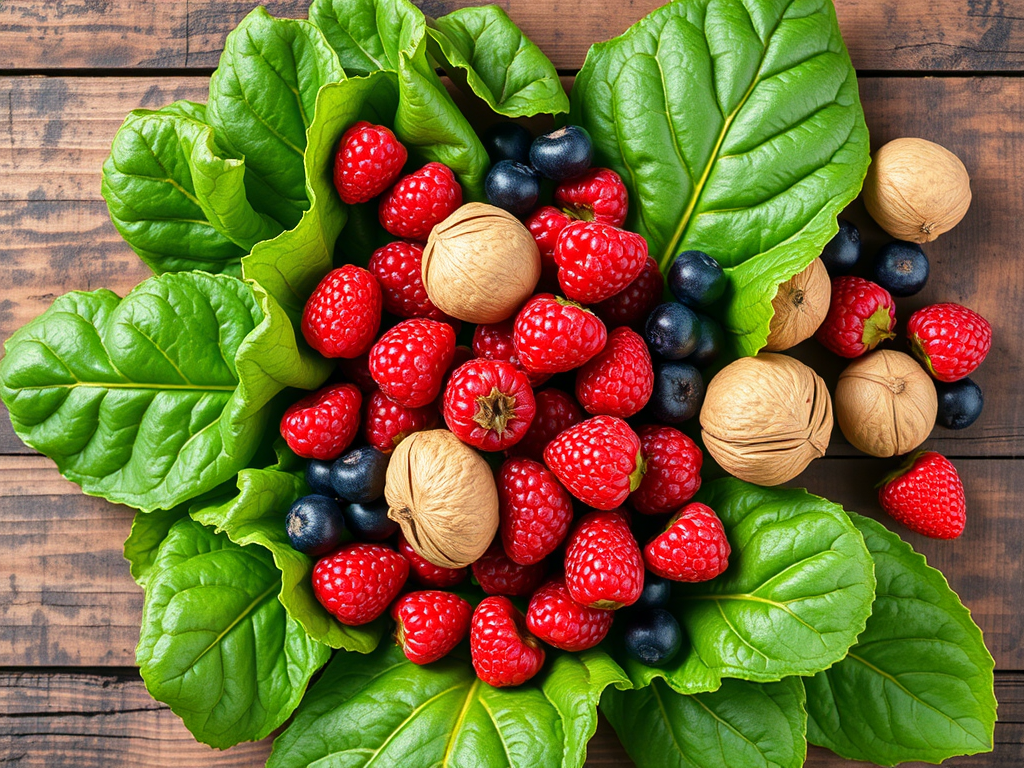
Specific Foods and Nutrients for Cognitive Health
• Berries: Rich in antioxidants, berries like blueberries and strawberries have been shown to improve cognitive function and delay cognitive decline.
• Walnuts: High in omega-3 fatty acids, walnuts are beneficial for brain health and may help in reducing the risk of cognitive decline.
• Leafy Green Vegetables: Vegetables like spinach and kale, high in vitamins and minerals, are essential for maintaining cognitive function.
• Fish: Fatty fish such as salmon, rich in omega-3 fatty acids, are linked to lower rates of cognitive decline.
• Whole Grains: Foods like oats and brown rice provide essential nutrients for brain health.
• Olive Oil: A key component of the Mediterranean diet, olive oil is rich in healthy fats and antioxidants
☆☆☆☆☆
To receive free email notification, when we post new articles like this, sign up below. Clever Journeys does & will not sell or share your information with anyone.
☆☆☆☆☆
IN GOD WE TRUST


Thanks for supporting independent true journalism with a small tip. Dodie & Jack
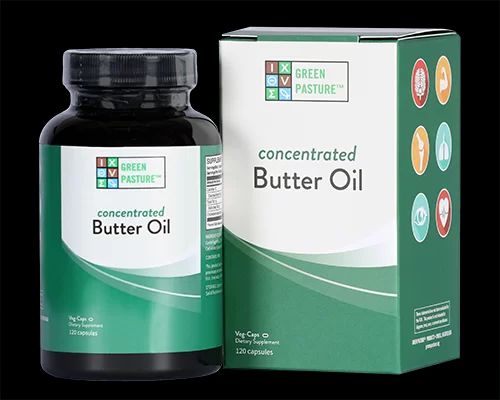
CLICK HERE for GREEN PASTURE BENEFITS

Use Code CLEVER10 for a 10% discount on Green Pasture products today!


☆☆☆☆☆


☆☆☆☆☆

By award-winning Texas author Cynthia Leal Massey.

See details here!


 Clever Journeys
Excellent report. A little scary; but helpful. Thank you!
LikeLiked by 3 people
Include: Extra Virgin Coconut oil, cod liver oil, cultured organic dairy. Your brain cells are composed of 100 percent saturated fat cells. People have used coconut oil with good results. The cod liver oil is loaded with Vitamin D, essential for absorption for any vitamin or mineral, and the dairy, when cultured, processes properly so your body can get needed calcium for repair. It’s also good for your colon, which helps that run better, and if that’s running right, you don’t get loaded with toxins. Everything in our bodies affects the other parts.
LikeLiked by 3 people
Dodie keeps us in supply of COD LIVER OIL & EV COCONUT OIL.We don’t use salt or sweeteners. No sodas. Dodie has 1 cup of coffee daily in the AM. Water. Herbal Tea in PM. I primarily drink just water. 1 or 2 glasses of unsweetened tea. No coffee (only 1/2 cup in my entire life. Hmmm. I may write about it and why).
LikeLiked by 2 people
I’d be interested to hear why. I just drink organic coffee because the pesticide grown gave me headaches. Organic doesn’t, even when I go off it for a while; don’t get a jolt from it either.
So, that would be an interesting read, to see what it does to you. With all those good oils, other stuff, and Nancy’s chocolate, we all ought to be brilliant till one hundred. And keep away from pharmaceuticals; I believe they are the real culprit.
LikeLiked by 2 people
Thank you for this important information. Dark chocolate with 70 percent or greater cocoa content also contains brain boosting compounds, so why am I not smarter? 🙂
LikeLiked by 3 people
Never met you, but I’m confident you are one of the most intelligent people I know.
LikeLiked by 3 people
Thank you, but if that’s so, then the intellect of you and Dodie must be in the stratosphere. My current event savvy (and knowledge about multiple other topics) is gleaned from your blog! 🤣
LikeLiked by 3 people
I have read your blog and know how savvy & wise you are!
LikeLiked by 3 people
😂💜🍫
LikeLiked by 3 people
Thank you, Jack and Dodie, for your kind and gracious support. 🤗
LikeLiked by 3 people
Your smart enough. Smart is overrated. I didn’t know that about chocolate; I’ve got to quit staying away from, it then!
LikeLiked by 3 people
Dark chocolate (over 70%) is packed with antioxidants and essential minerals. It can make you smart after only one bar. It wears off, so you have to keep eating them. 🤣
LikeLiked by 2 people
Addictive! Aha!
LikeLiked by 2 people
😋🍫😋🍫😋🍫😋🍫😋🍫🤪
LikeLiked by 2 people
My goodness. I am roaring. How could we not love you?
LikeLiked by 3 people
Jack 🥰 Dodie 🥰
LikeLiked by 2 people
[…] 7 Warning Signs Of Dementia […]
LikeLike