
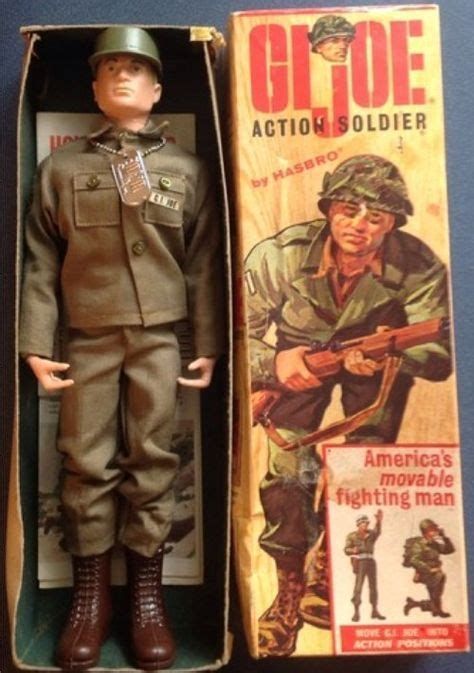
The first toy classified as an “action figure” was made in 1946 by Hasbro and was called “G.I. Joe” after a generic term for a soldier coined during World War II.
But it wasn’t until the first Barbie doll was introduced in 1959 that poseable toy figurines began exploding onto the market, and today not only serve as icons of childhood wonder, but prove to be valuable products in their own right.
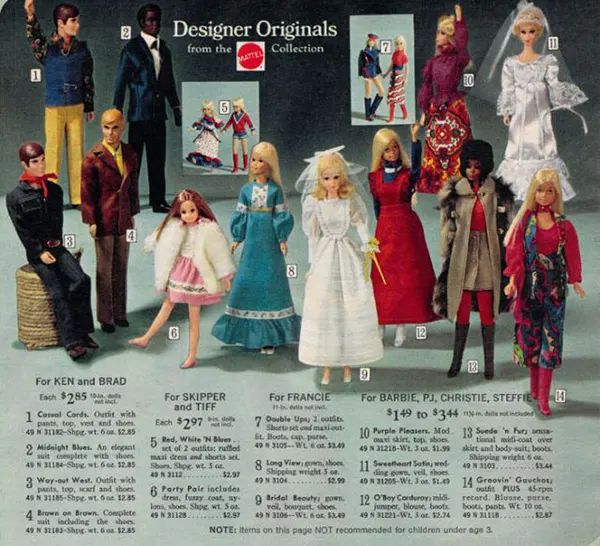
The phrase “action figure” was coined by Don Levine of Hasbro in 1964 to distinguish Hasbro’s G.I. Joe figures, intended for boys, from dolls, which were then seen as better suited to girls.
Early G.I. Joe figurines featured changeable clothes, and initially came in four types, representing the four branches of the U.S. military: Action Marine (Marines), Action Pilot (Air Force), Action Sailor (Navy), and Action Soldier (Army).

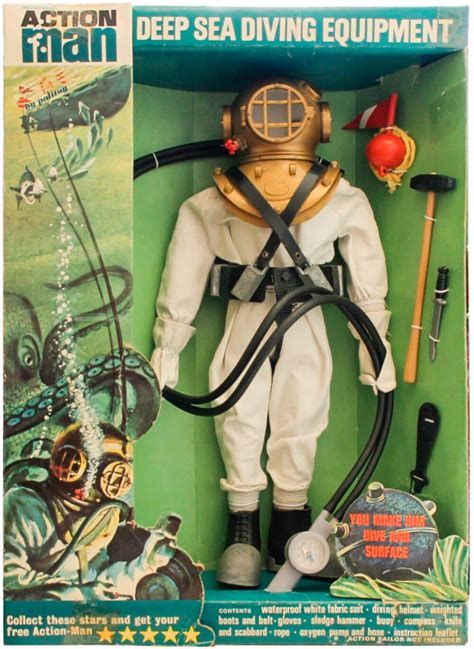

The rise of mass production techniques allowed companies to lower costs, making it easier for families to find a broader range of toys to choose from. These breakthroughs set the stage for a new age in children’s play, blending excitement with safety and accessibility.
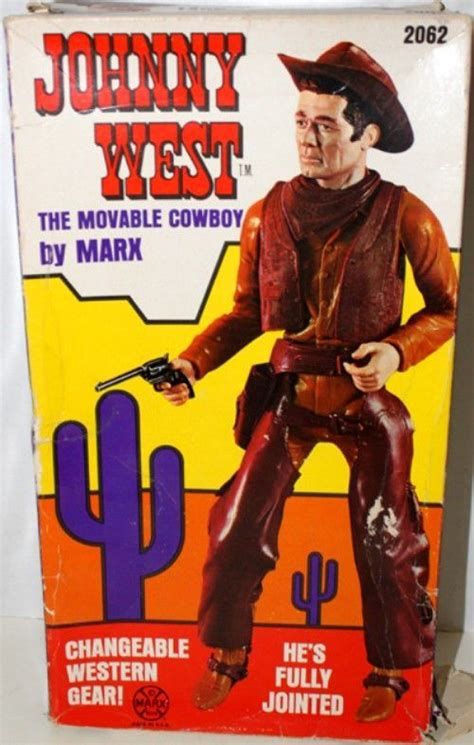
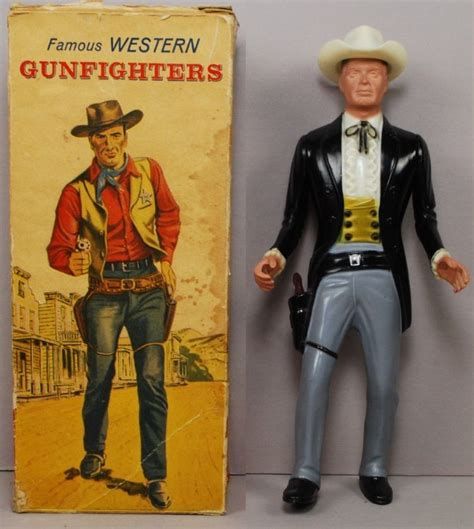
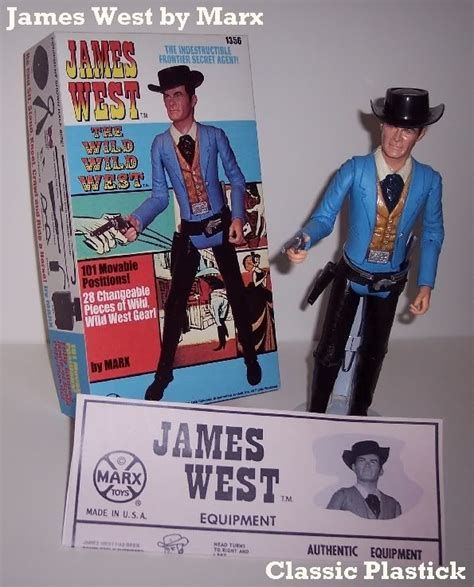
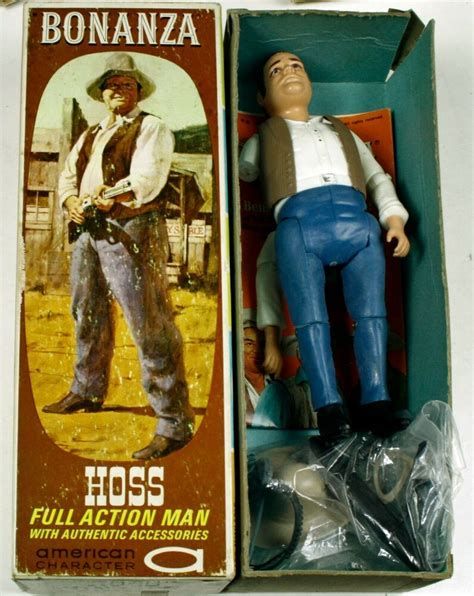
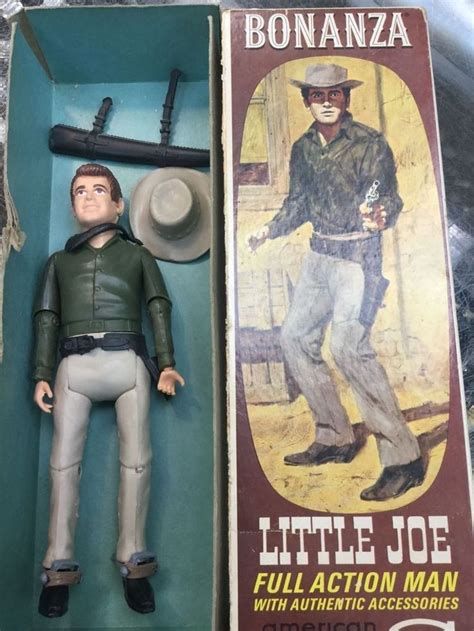
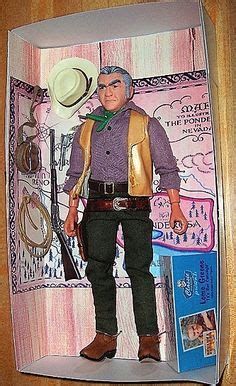
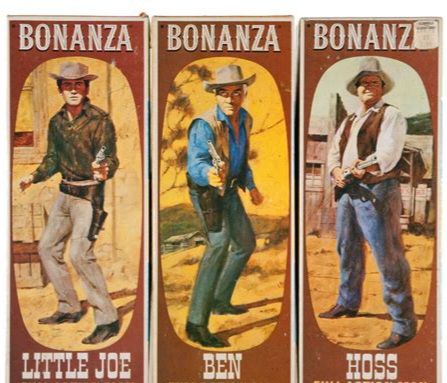
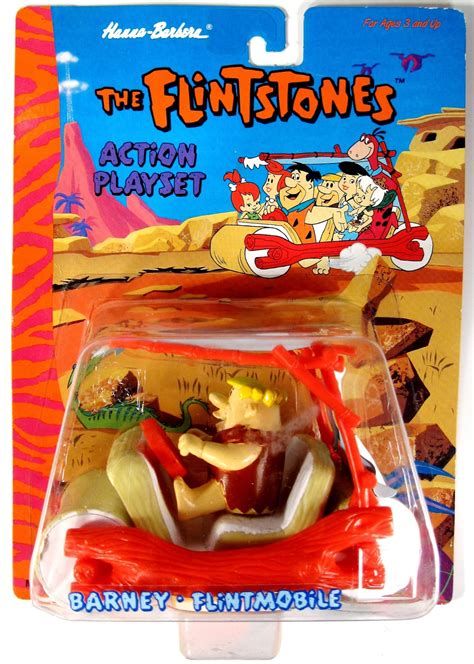
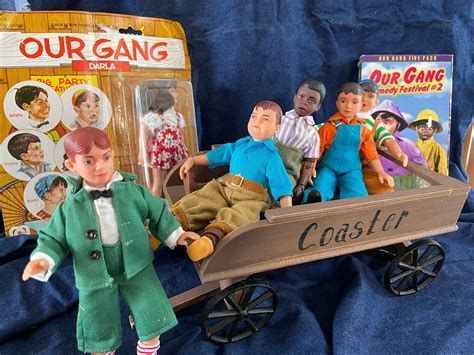
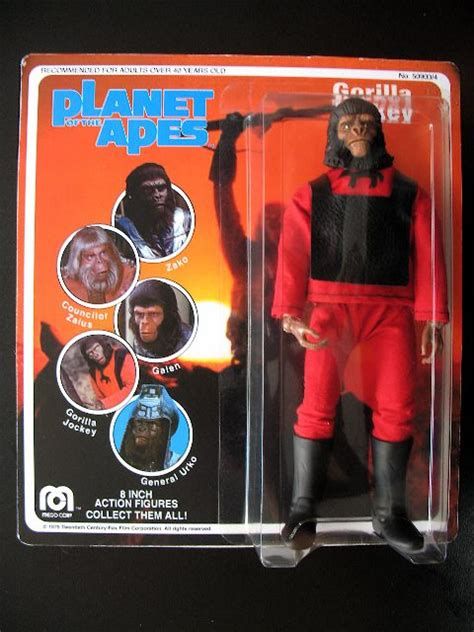
Popular culture played a significant role in shaping the evolution of even more action figures.
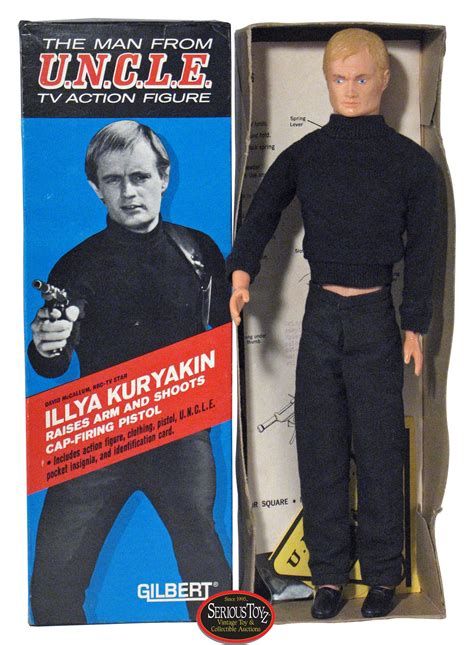
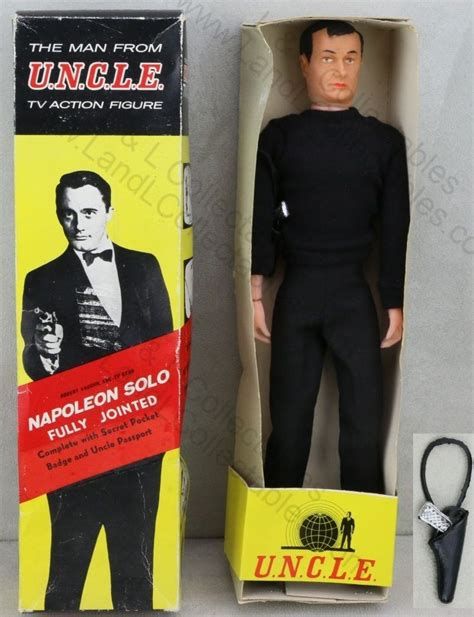
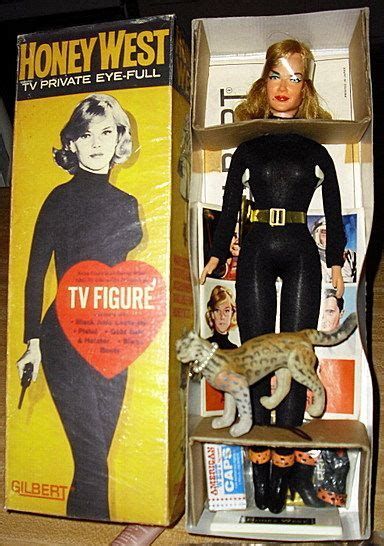
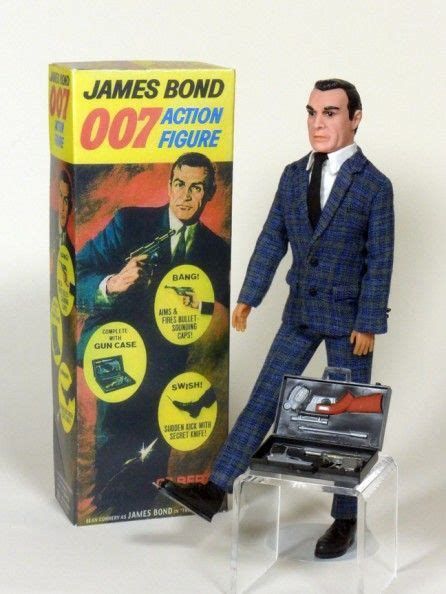
As movies, TV shows, and comic books gained popularity, toy manufacturers recognized the potential market for action figures based on beloved characters.
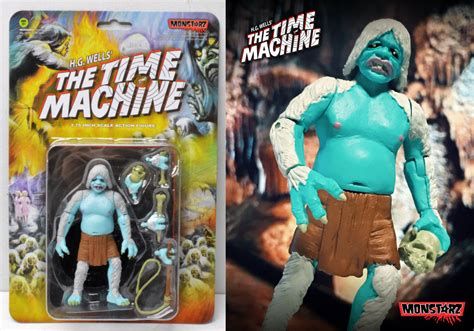
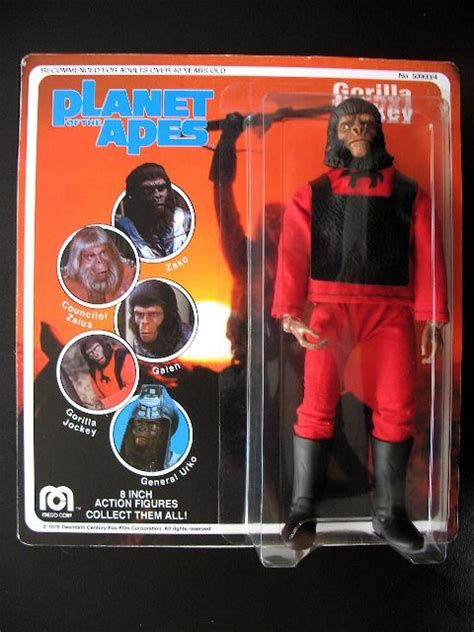
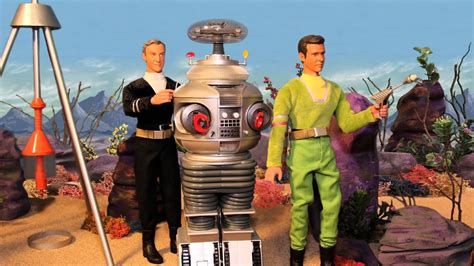
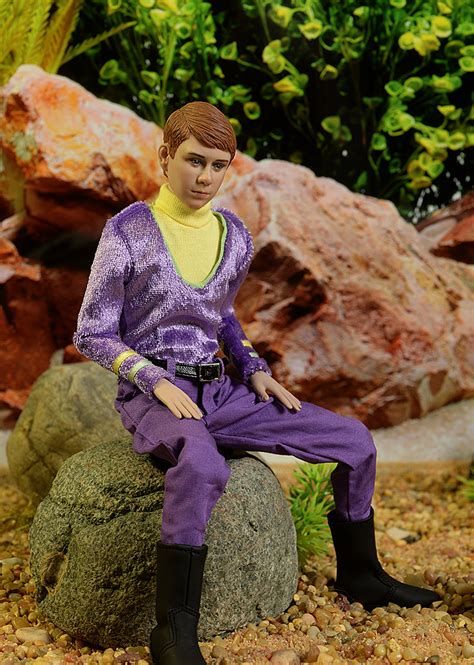
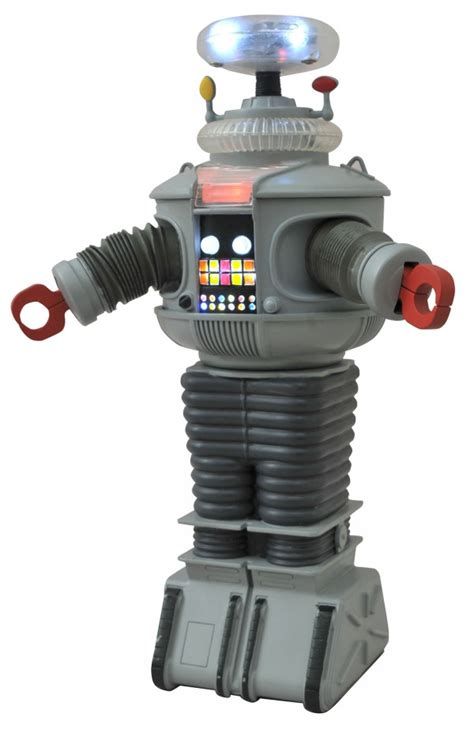
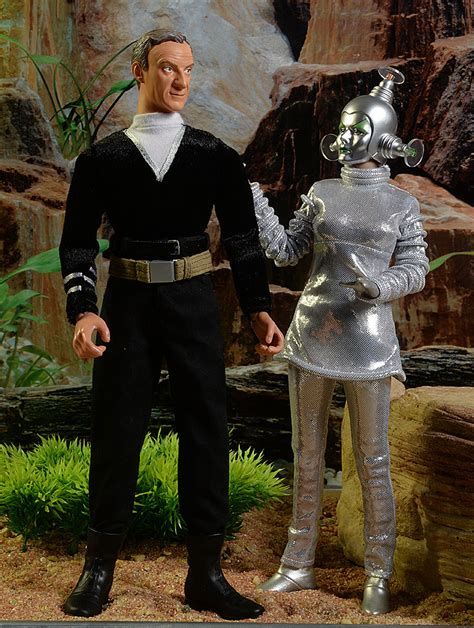
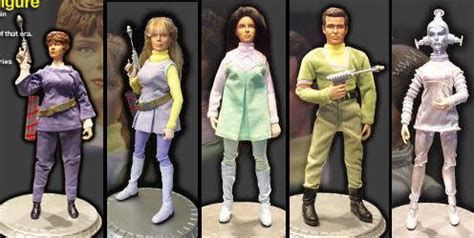
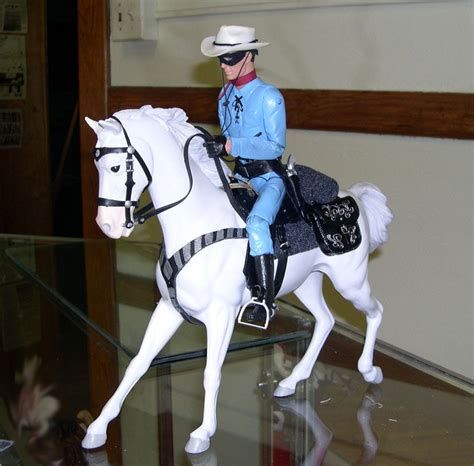
This led to the production of action figures modeled after popular television programs especially in the 1960s and 1970s.
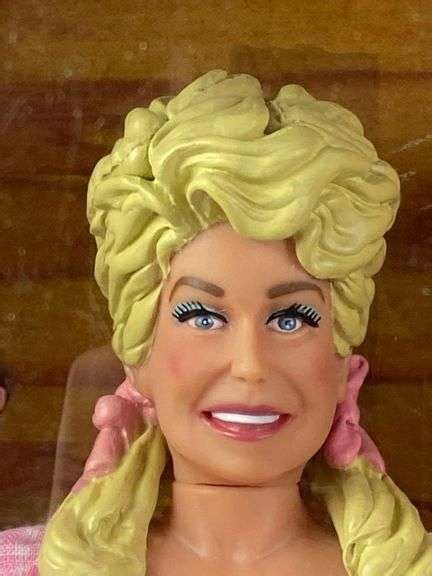
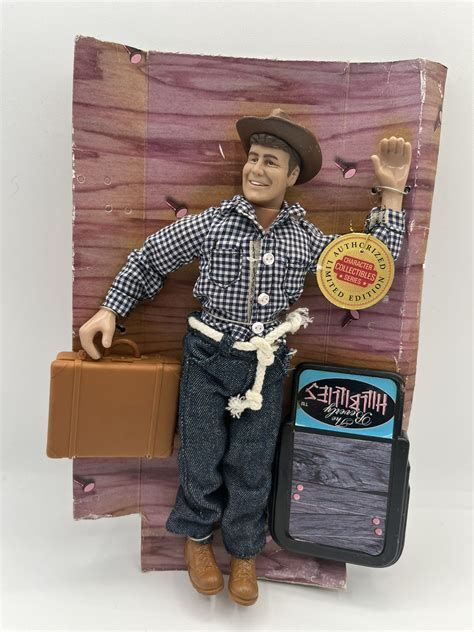
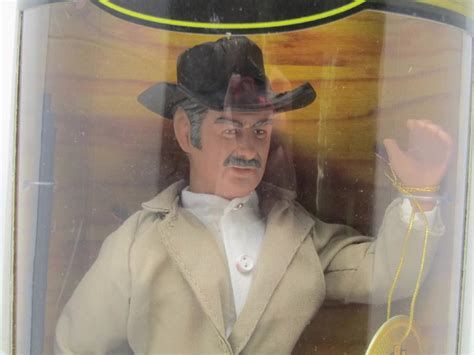
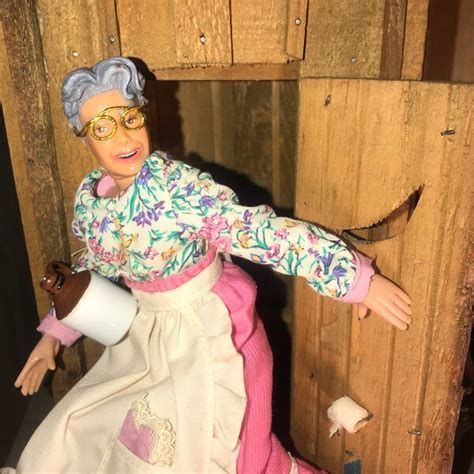
The polarizing Vietnam War sent G.I. Joe looking for a career change, and he faded from the market in the 1970s. In the 1980s, Joe returned as G.I. Joe: A Real American Hero.
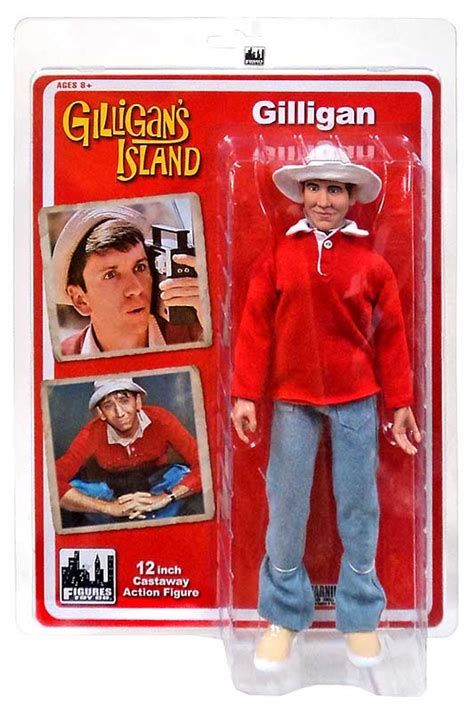
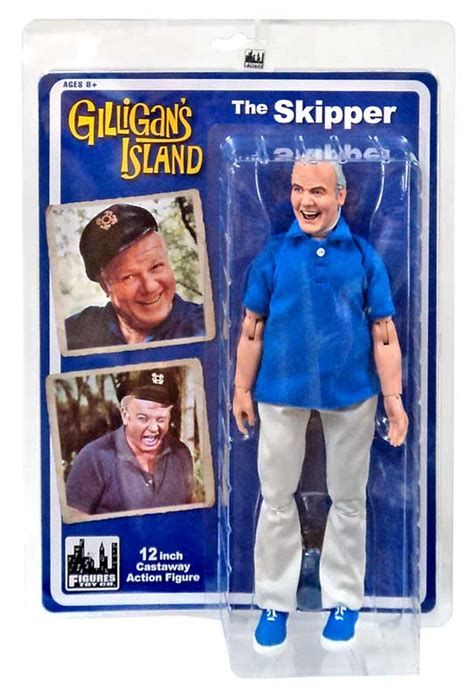
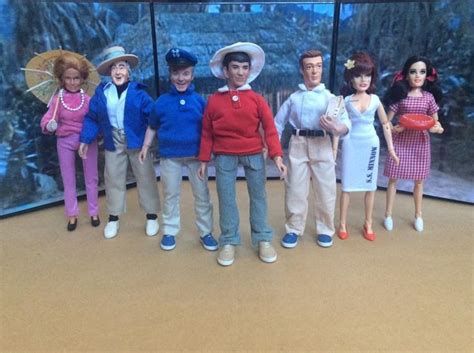
Standing at 12 inches tall, the original G.I. Joe was such a success that, in 2004, it was inducted into the Toy Hall of Fame.
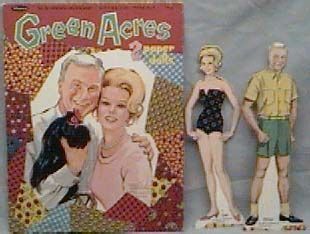
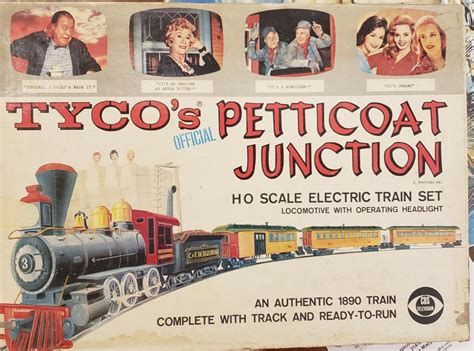
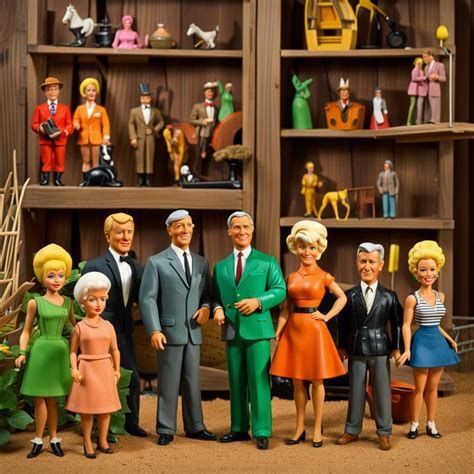
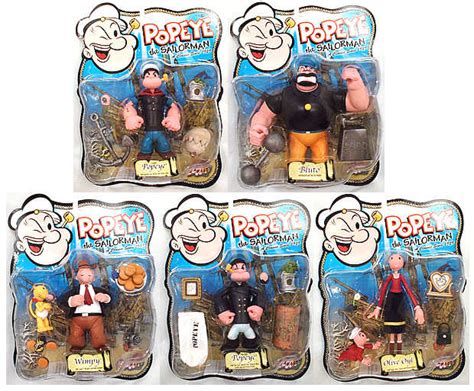
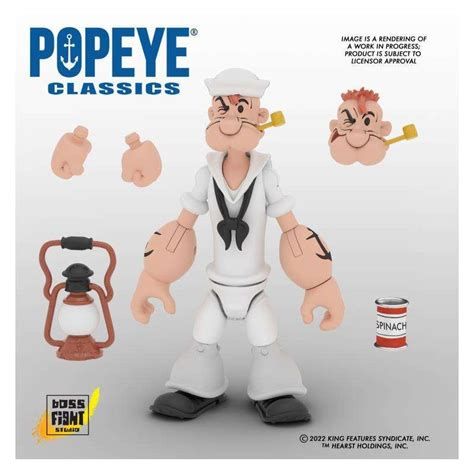
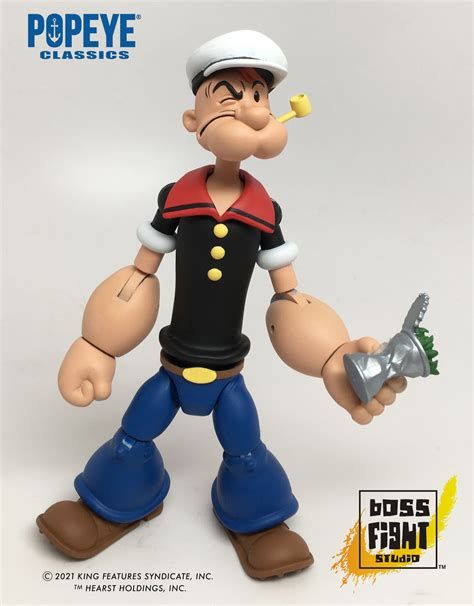
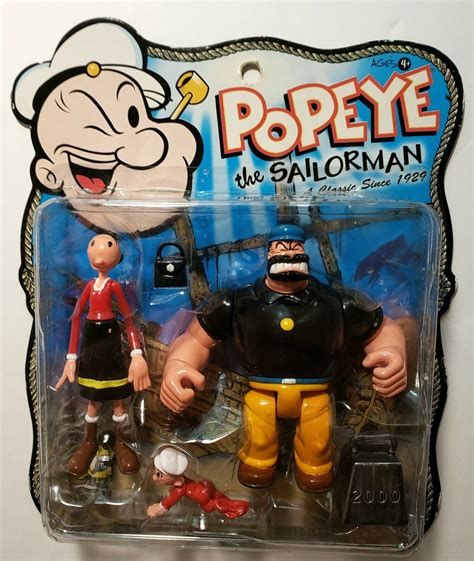
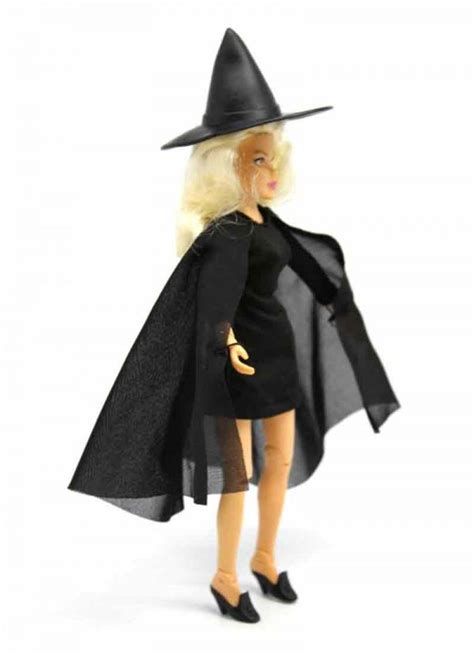
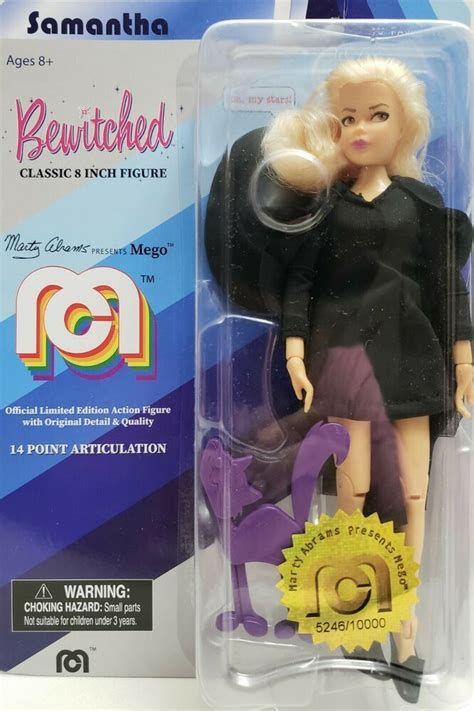
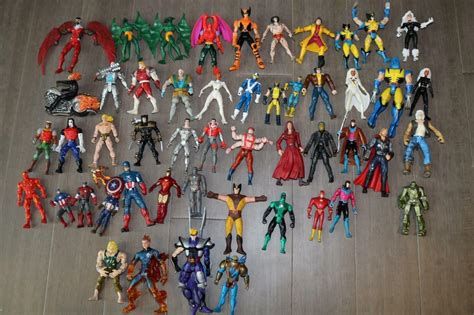
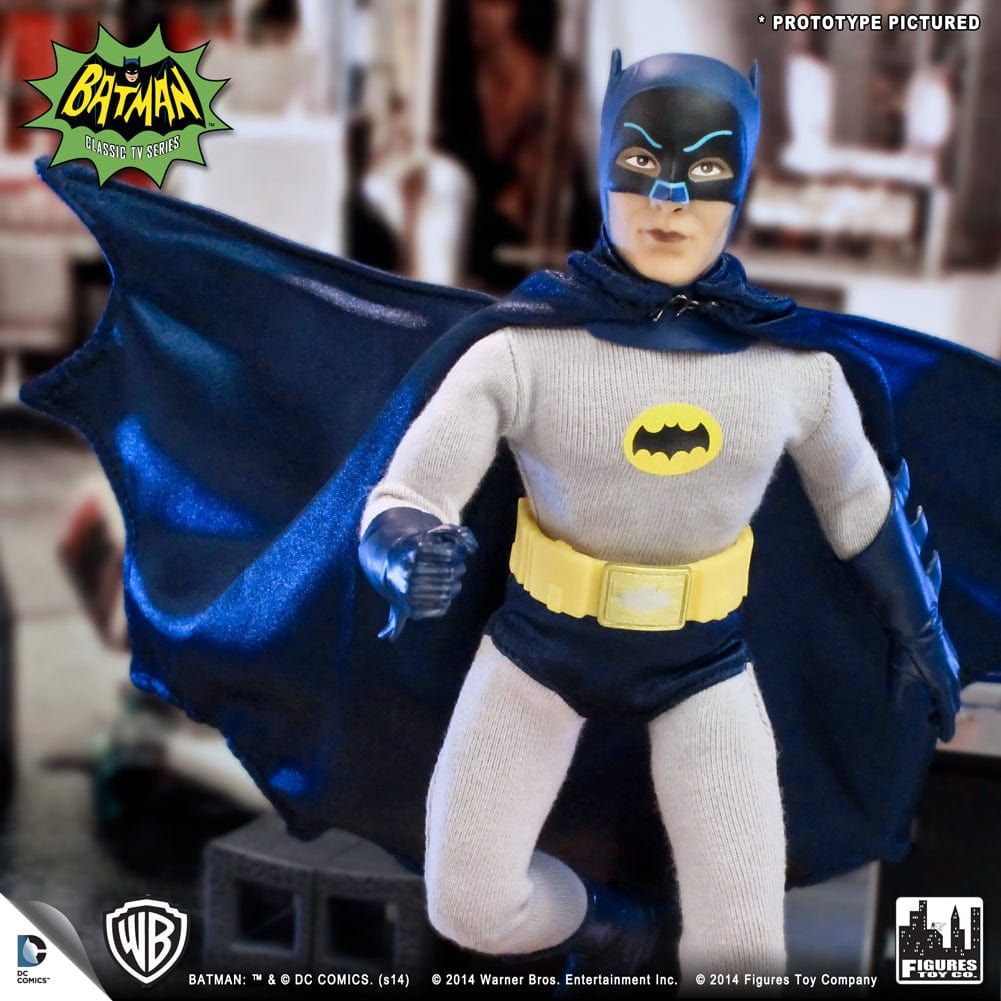
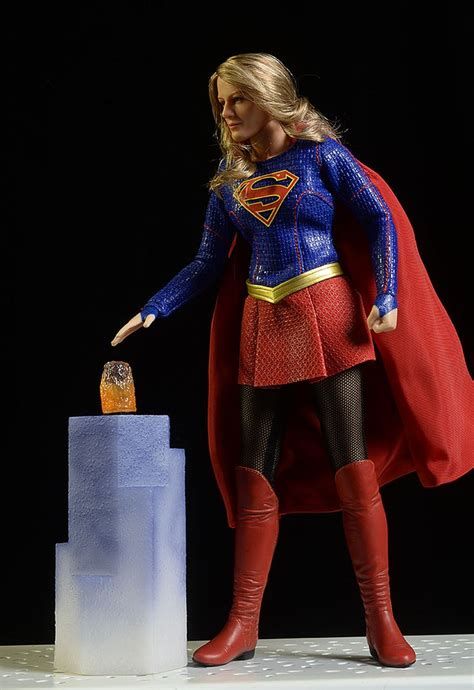
The first superhero action figures were made in 1971 when Mego licensed and started manufacturing American Marvel and DC comic book superhero figures.
Inspired by the hit television show, the Charlie’s Angels dolls featured the iconic trio—Jill (Farrah Fawcett), Sabrina (Kate Jackson), and Kelly (Jaclyn Smith).
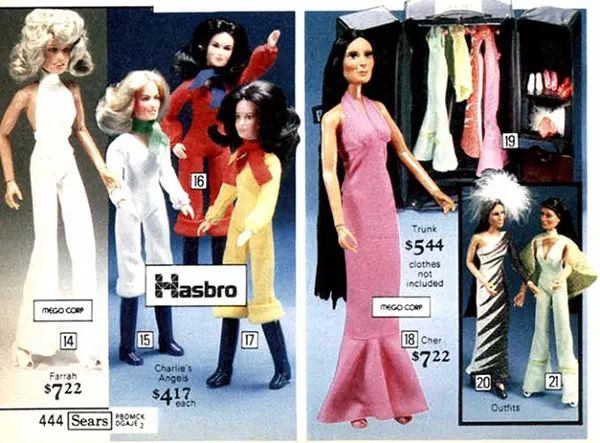
Each 8.5-inch poseable doll wore a signature jumpsuit and boots, reflecting the show’s stylish crime-fighting team.
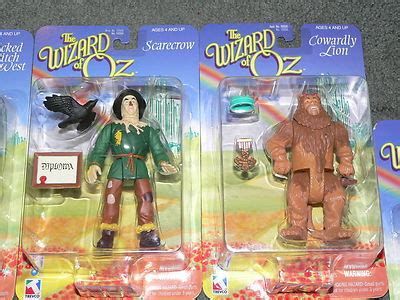
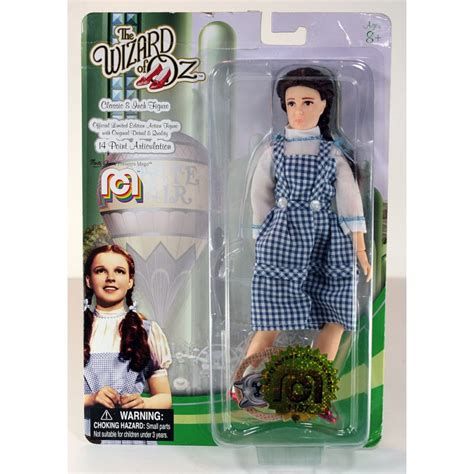
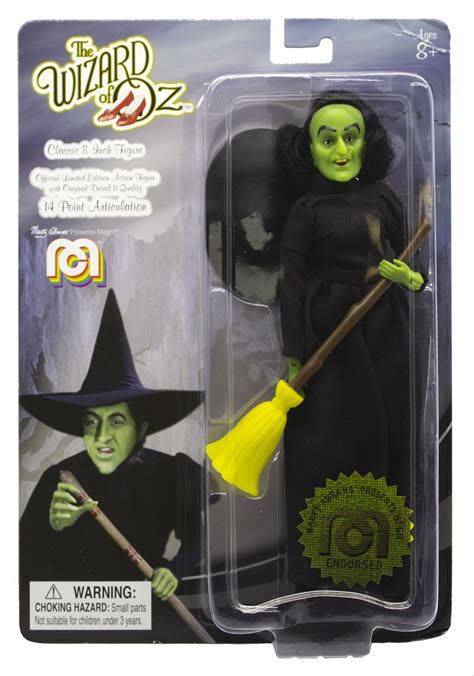
Mego lost its share of the market in 1976 when the rights for manufacturing Star Wars action figures and toys went to Kenner.
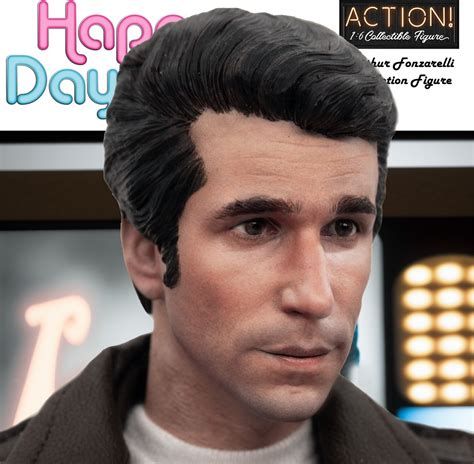
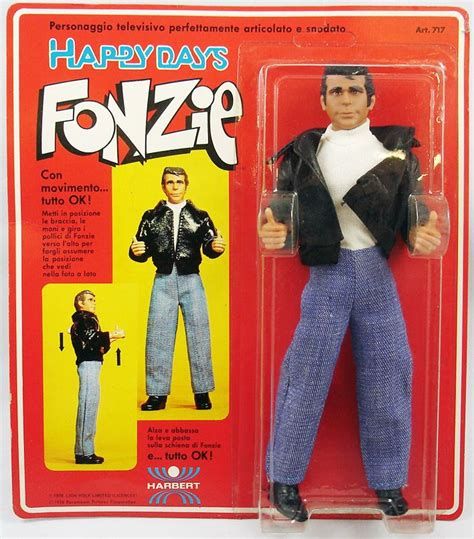
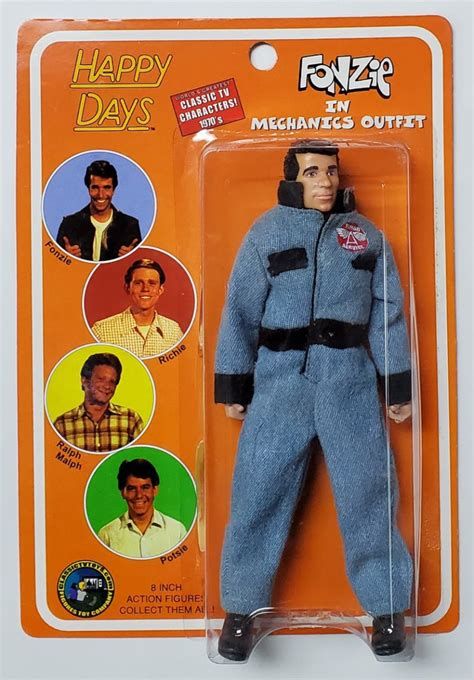
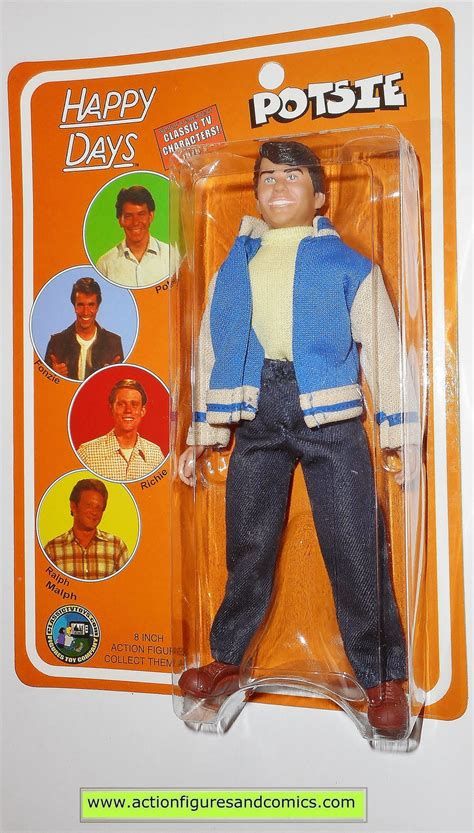
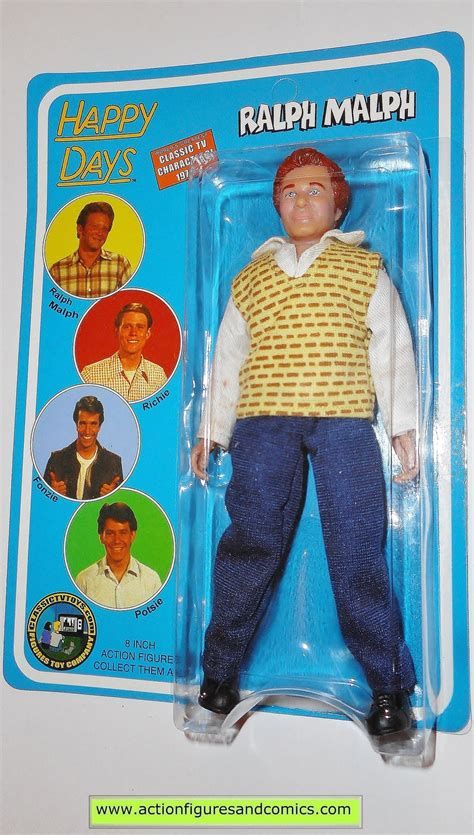
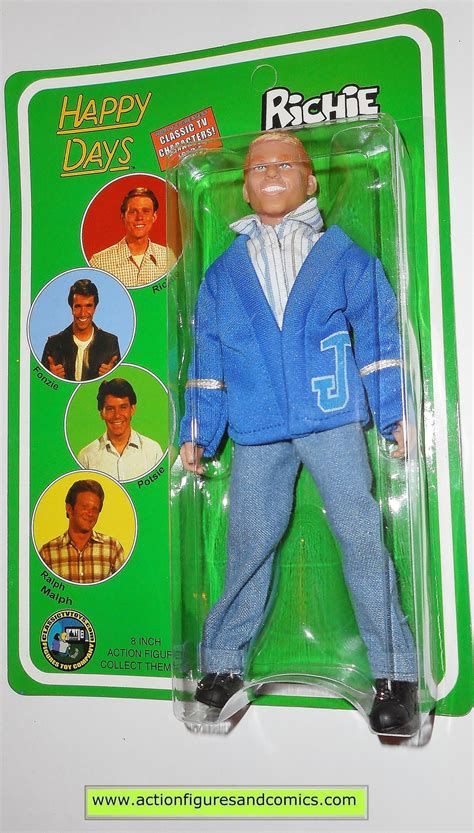
With success of Star Wars action figures many movie studios started licensing movie characters to be made as action figures.
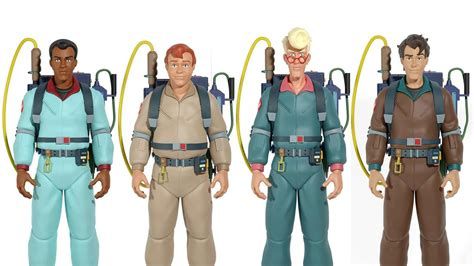
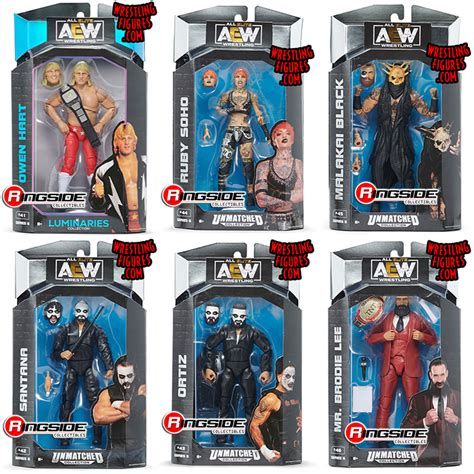
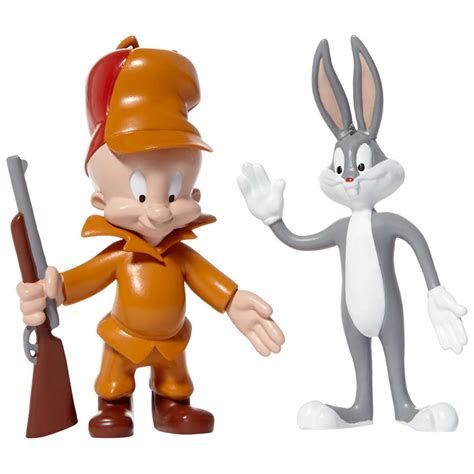
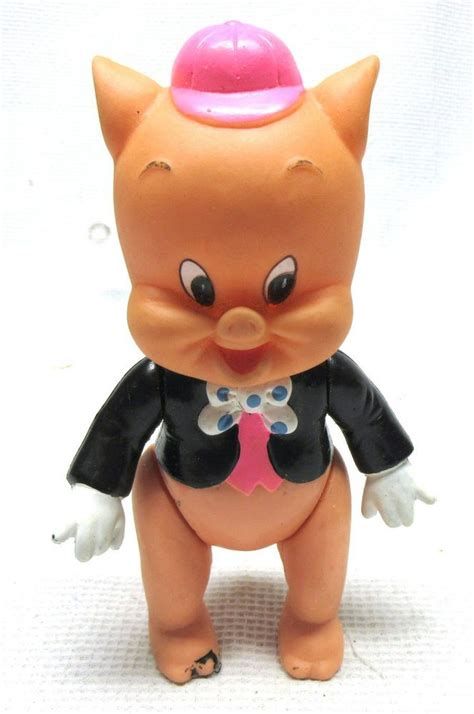
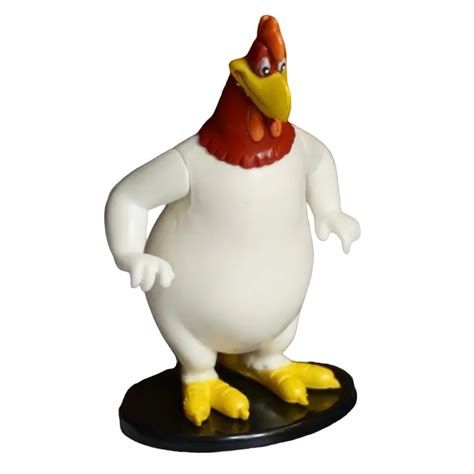
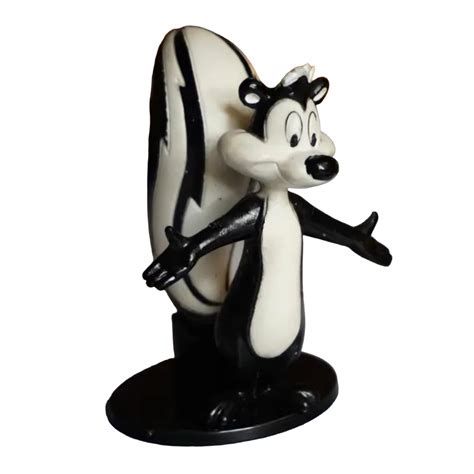
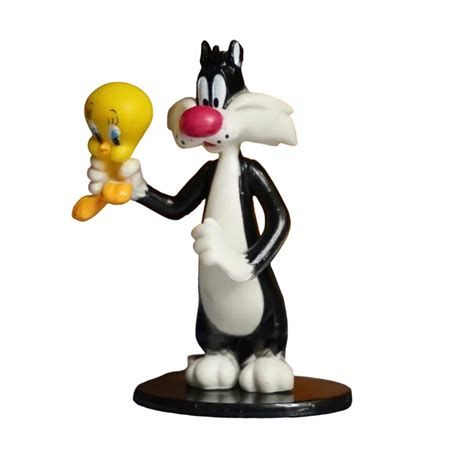
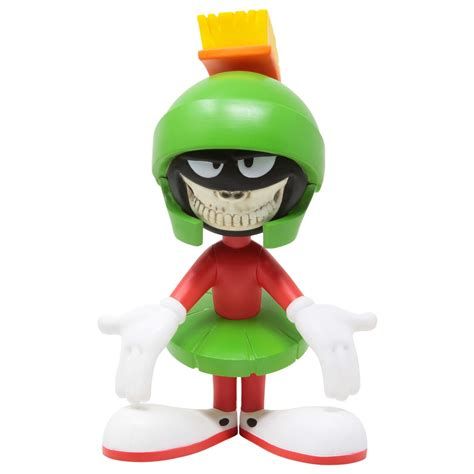
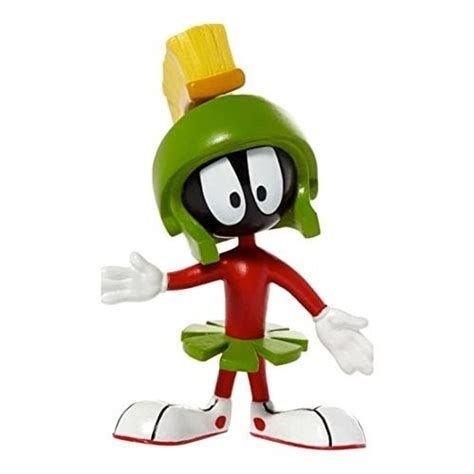
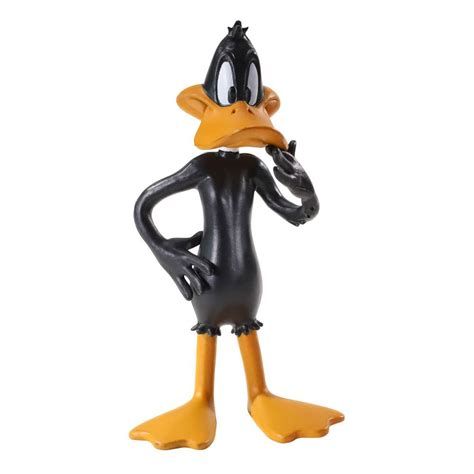
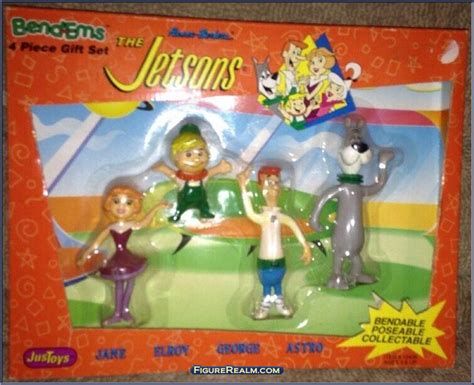
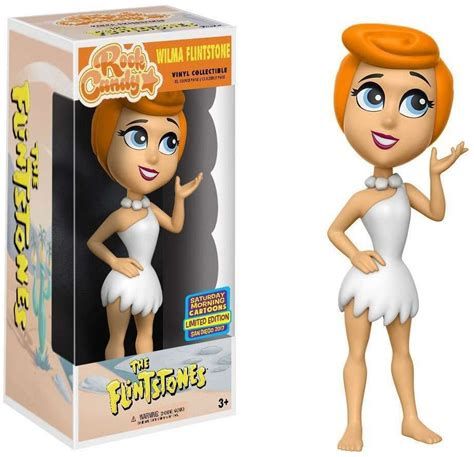
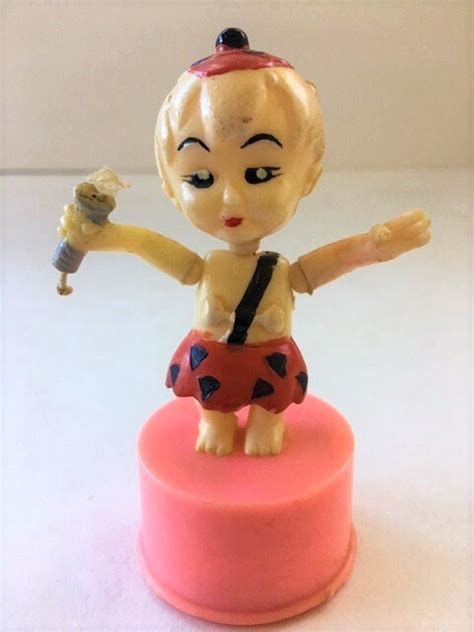
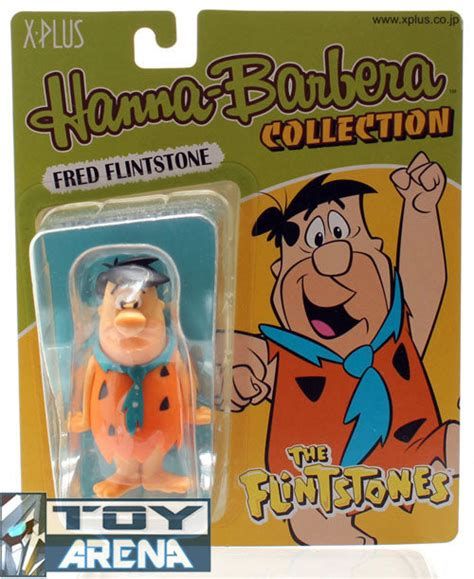
In 1980s and 1990s, styles and designs of action figures widen. Many of them were based on characters from cartoons such as Masters of the Universe, G.I. Joe, Thundercats, and Super Powers Collection.

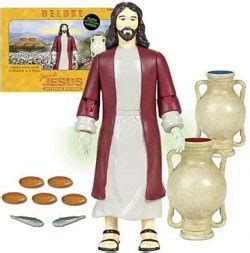
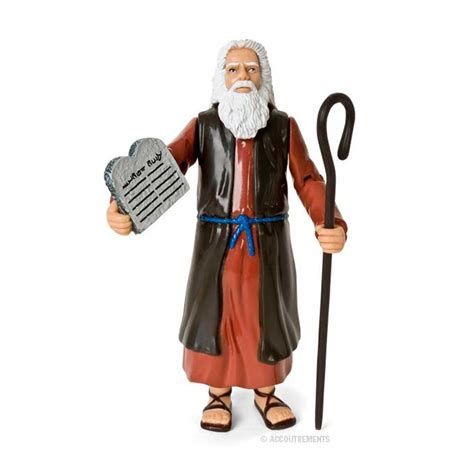
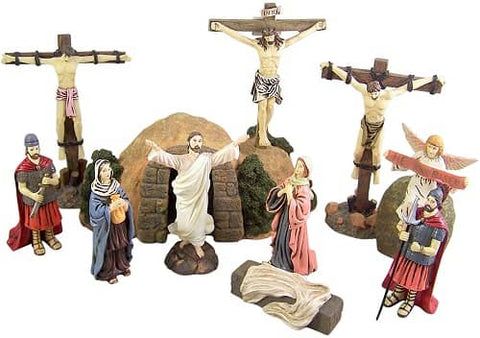
☆☆☆
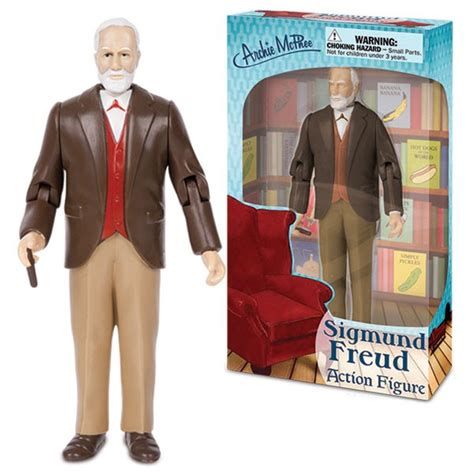
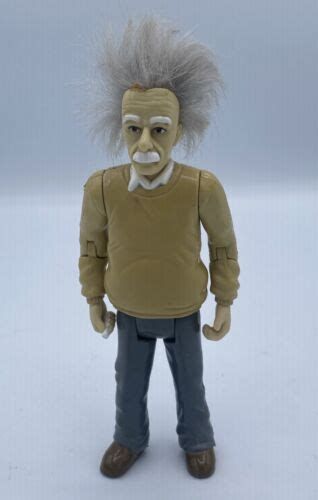
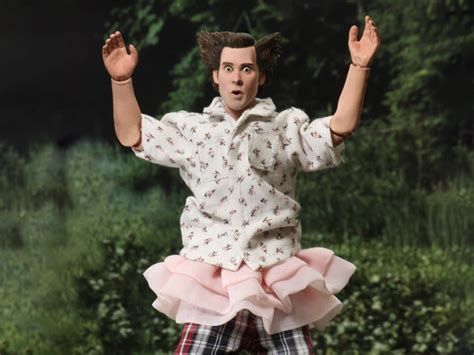
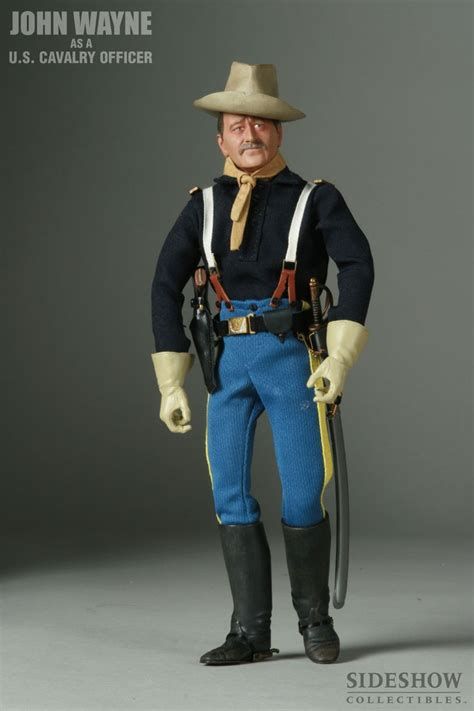
☆☆☆
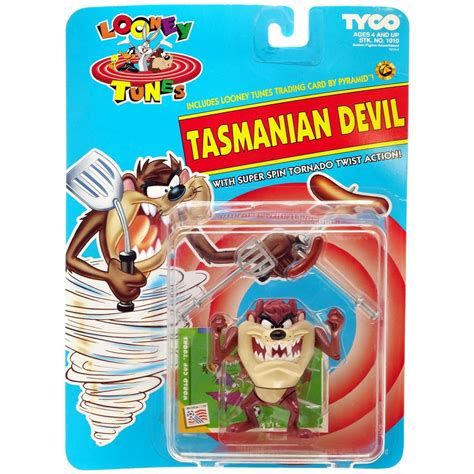
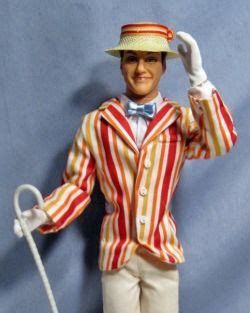
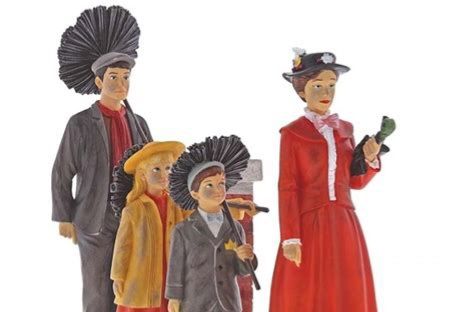
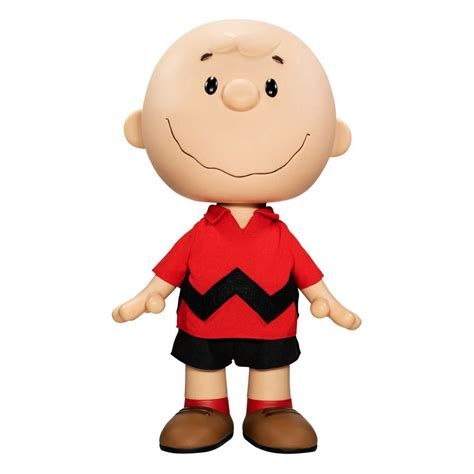
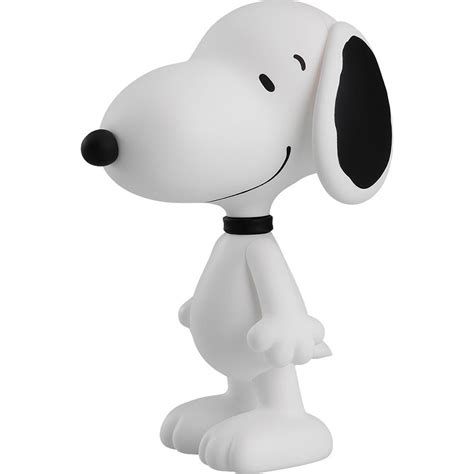

☆☆☆☆☆
To receive free email notification when we post new articles like this, sign up below. Clever Journeys does & will not sell or share your information with anyone.
☆☆☆☆☆
IN GOD WE TRUST

Thanks for supporting independent true journalism with a small tip. Dodie & Jack

Dodie & Jack Dennis are regular customers of Green Pasture. Highly recommended.
Green Pasture Here!


Use Code CLEVER10 for a 10% discount on other Green Pasture products today!


Get Your Natural Vitamins A & D from the Sea!

☆☆☆☆☆

 Clever Journeys
💜
LikeLiked by 1 person
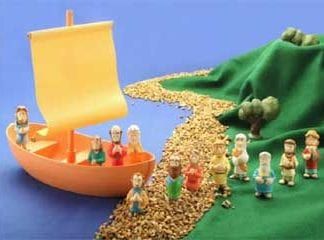
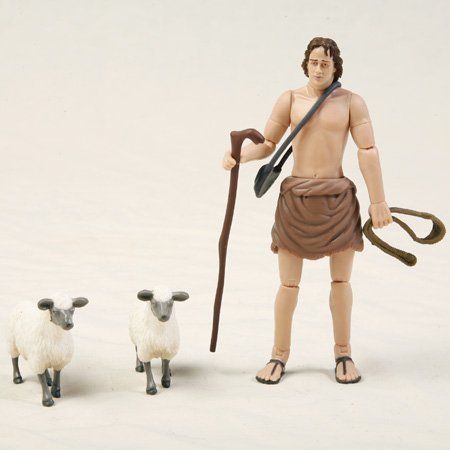
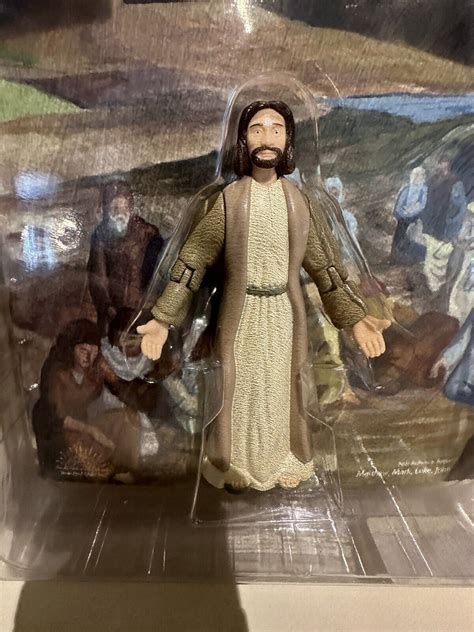
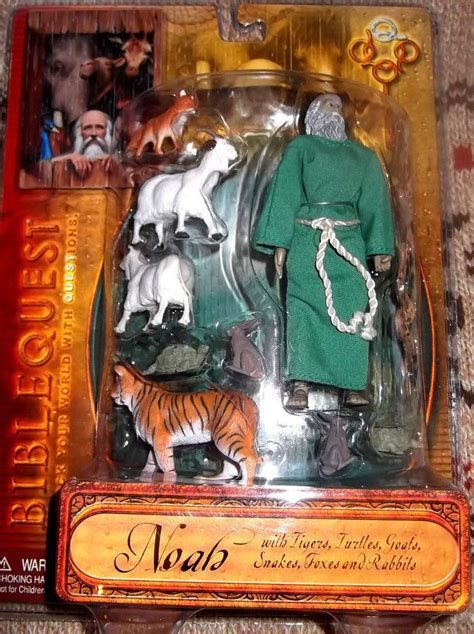
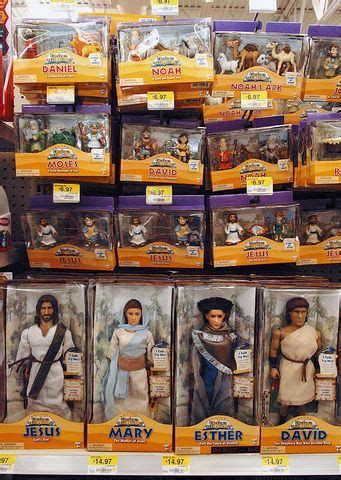
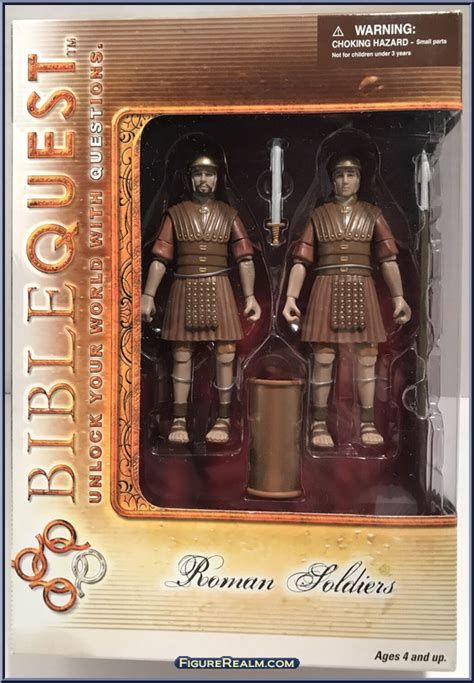
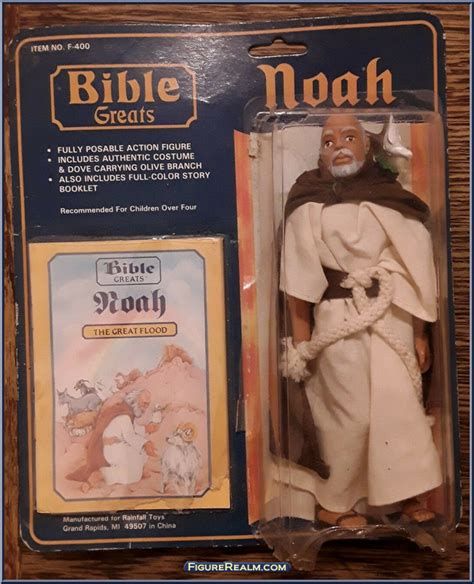
I had no idea there was such a wide variety of action figures from so long ago. My adult children had Ninja Turtles and Biblical figures. We allowed them to bring their “Bible guys” to Sunday service. They would hold them up so they could see. 🙂
LikeLiked by 1 person
Just look at all this wonderful stuff! I didn’t know the half of it either, and didn’t even know about the Bible figures. I had a Tressy doll, her hair grew with a key. It would have been nice if they had made a Nancy Drew doll; that would have been so cool…. I could play with it now, even. I’m old enough. Thanks for digging all these up.
LikeLiked by 1 person
I completely forgot about the Tressy doll!
LikeLiked by 1 person