
Thanks to President Trump, security technologies at US borders and ports of entry grew considerably during his term in the White House.

Customs and Border Protection (CBP), which is the largest law enforcement agency under the Department of Homeland Security, became very focused on immigration and border control.
Today, they operate the Biometric Entry/Exit system and the biometric asylum app, CBP One, to collect biometrics from people crossing borders.
The concern is, what is done by gathering the information and how differently is it used from the original intent of border protection: identifying criminals, terrorists, and illegal entry?
CBP provides security and facilitation operations at 328 ports of entry throughout the U.S, including air, sea and land entries.
It also oversees Trusted Traveler programs, which:
●provide modified screening for pre-approved members,
●improve security by being more efficient during screenings, and
● facilitate legitimate trade and travel.
While CBP has been collecting biometric information on entry since 2004, it wasn’t until 2013 that CBP “began developing and testing new processes and capabilities for using biometric information, specifically facial recognition technology, to verify the departure of persons leaving the United States.”
The Consolidated Appropriations Act of 2016, however, authorized CBP to expend up to $1 billion in certain visa fee surcharges collected over the next ten years for biometric entry and exit implementation.


Early on, President Trump signed Executive Order 13780, Protecting the Nation from Foreign Terrorist Entry into the United States, required DHS to “expedite the completion and implementation of a biometric entry/exit tracking system for in-scope travelers to the United States.”
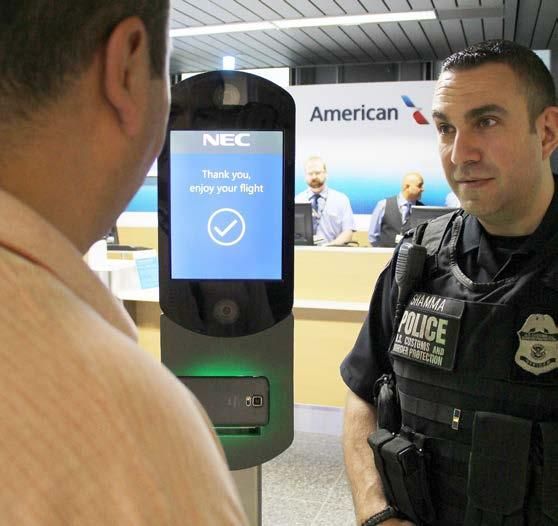
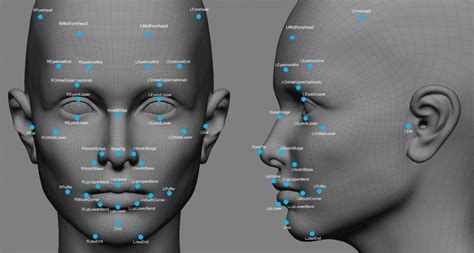
CBP currently runs biometric facial comparison technology, known as the Traveler Verification Service (TVS), at 238 airports for entry. For exit (international departure) there are 49 locations, with more planned. TVS “creates a secure biometric template of a passenger’s live facial image taken at the checkpoint and matches it against a gallery of templates of pre-staged photos that the passenger previously provided to the government (e.g., U.S. passport or visa).”
For land borders, 163 use TVS, including three CBP Preclearance locations in British Columbia, Canada.
CBP also covers seaports, where it trends toward biometrics for passenger experience through implementations on cruise ships. It claims to have reduced disembarkation time by 30 percent.
Thirty-six seaports offer biometric facial comparison.
☆☆☆☆☆
IN GOD WE TRUST

Loralyn ‘Dodie’ & Jack Dennis
Thanks for supporting independent true journalism with a small tip. Dodie & Jack

Green Pasture Here!


Use Code CLEVER10 for a 10% discount on other Green Pasture products today!

CINDY LEAL MASSEY, TEXAS AUTHOR

DANGER CLOSE

Learn more Patriots:
Byrne’s DANGER CLOSE is available here.
☆☆☆☆☆

 Clever Journeys
It’s good, but terrible that things are so bad we need such technology.
LikeLiked by 1 person