
Twenty four years after the Battle of the Alamo, America was on the verge of a Civil War, poet Henry Wadsworth Longfellow wrote “Paul Revere’s Ride.”
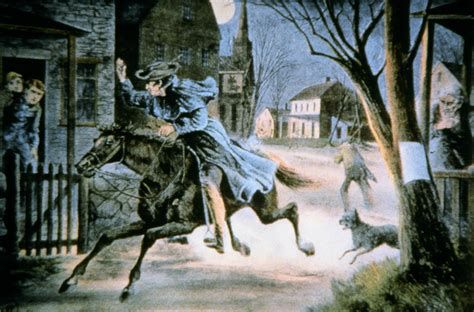
It was largely an inaccurate tale, but it warned at the end of the poem of a coming “hour of darkness and peril and need”, implying the breakup of the Union, and suggested that the “people will waken and listen to hear” the midnight message as needed.
Sound familar?
The oldest defender at the Alamo was Gordon C. Jennings, 54, who was killed along with Colonel William Travis defending the Northwest Wall from Mexican General Santa Anna’s army on March, 6, 1836.
His brother, (or cousin) Charles Jennings was soon killed at the battle in Goliad.
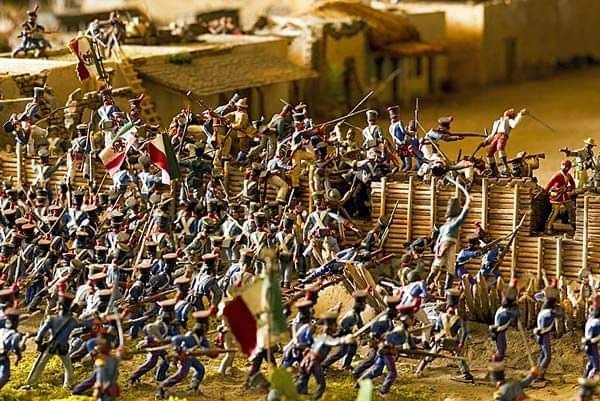
On the 12th of March in Bastrop, Texas, came the news of the fall of the Alamo. A courier brought a dispatch from General Houston for the people to leave. Residents of the area learned that Colonel Travis and the men under his command had been slaughtered. The Texas army was retreating, and President Burnet’s cabinet had gone to Harrisburg.
“Then began the horrors of the Runaway Scrape,” wrote 11-year-old Dilue Rose, years later. “We left home at sunset, hauling clothes, bedding, and provisions on the sleigh with one yoke of oxen.”
“Mother and I were walking, she with an infant in her arms. Brother drove the oxen, and my two little sisters rode in the sleigh. We were going ten miles to where we could be transferred to Mr. Bundick’s cart…”
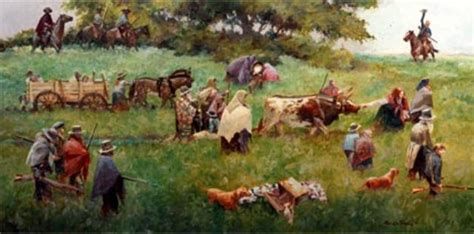
“…We went on to Mrs. Roark’s and met five families ready to leave. We shifted our things into the cart of Mr. Bundick, who was waiting for us, and tried to rest till morning. Sister and I had been weeping all day about Colonel Travis.”
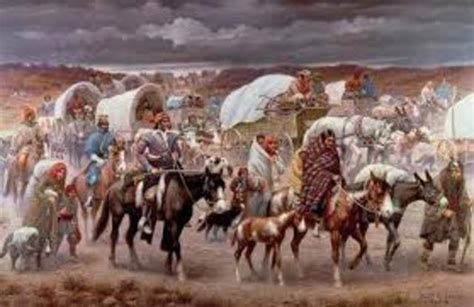
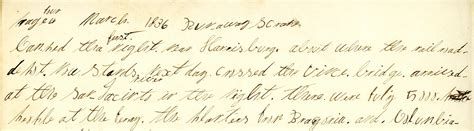
“Early next morning we were on the move, mother with her four children in the cart, and Mr. Bundick and his wife and negro woman on horseback. We camped the first night near Harrisburg, about where the railroad depot now stands. Next day we crossed Vince’s Bridge, and arrived at the San Jacinto in the night. There were fully five thousand people at the ferry.”
When the devastating news of Gordon C. Jennings’ death at the Alamo reached his wife, Catherine and their children in Bastrop, everyone fled eastward in the panicked exodus of the Runaway Scrape.
Only Catherine and a few of her neighbors stood their ground, refusing to flee. On April 12, 1836, a division of the Mexican army under General Gaona reached the Colorado River at Bastrop. She now had no choice, they had to evacuate.
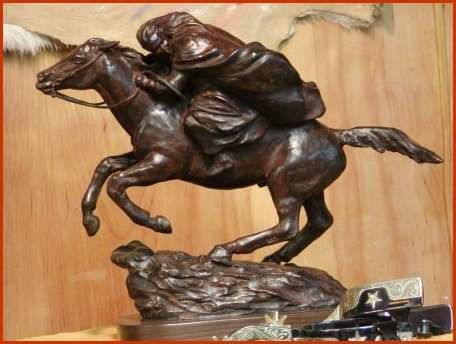
While essentials were hurriedly tossed into the family wagon, Catherine’s 10 year old daughter, Katie, climbed bareback onto a horse.
Most heroic deeds of the Texas Revolution are attributed to soldiers, men armed with knives, guns, or cannons; but bravery was just as common among the women, and knew no age limits.
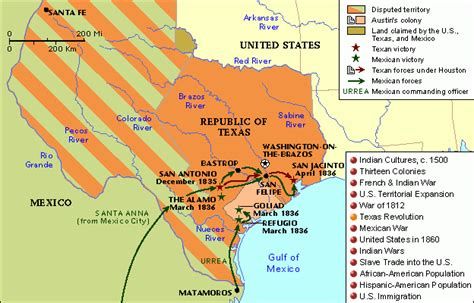
Catherine told Katie to ride west, even though everyone else was fleeing east, with the Mexican army nipping at their heels.
She advised young Katie that once her mission was complete, she should not return to Bastrop because nothing would be left there; she should join up with another family fleeing east, and they would reunite later.
Catherine headed for San Felipe de Austin, then onward to the banks of the flooded Trinity River where masses of exhausted families were trapped, waiting for news and attempting to cross.
Little Katie rode 40 miles west “at great speed” to a settlement at Barton Creek near Waterloo (currently Austin), warning those along the way that the Mexican army was near and they should all flee for their lives.
Eventually, after the Battle of San Jacinto, Katie did rejoin her family, and they returned to their home in Bastrop.
Catherine managed the homestead alone until her death in 1867.
Katie Jennings married Casper Whisler in February, 1842 and they lived near what is now McKinney, Texas. That December, on their first Christmas together, Indians massacred all the men in the town, and her husband was scalped. Some say she witnessed his death.
Katie escaped by hiding in a creek bed. She ran to the fort at Hornsby Bend, where she met her second husband, Sylvester Lockwood.
They married in February, 1843, and moved to Travis County where they eventually operated several successful businesses.
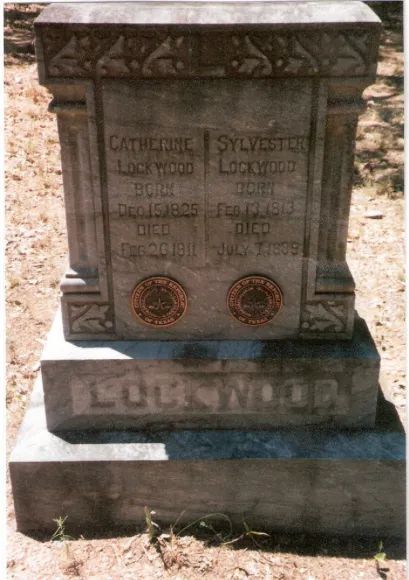
She lived in Travis County for 65 years, and passed away on Feb 28, 1911. Her obituary states she had six children, 42 grandchildren, 100 great grandchildren, and ten great great grandchildren.
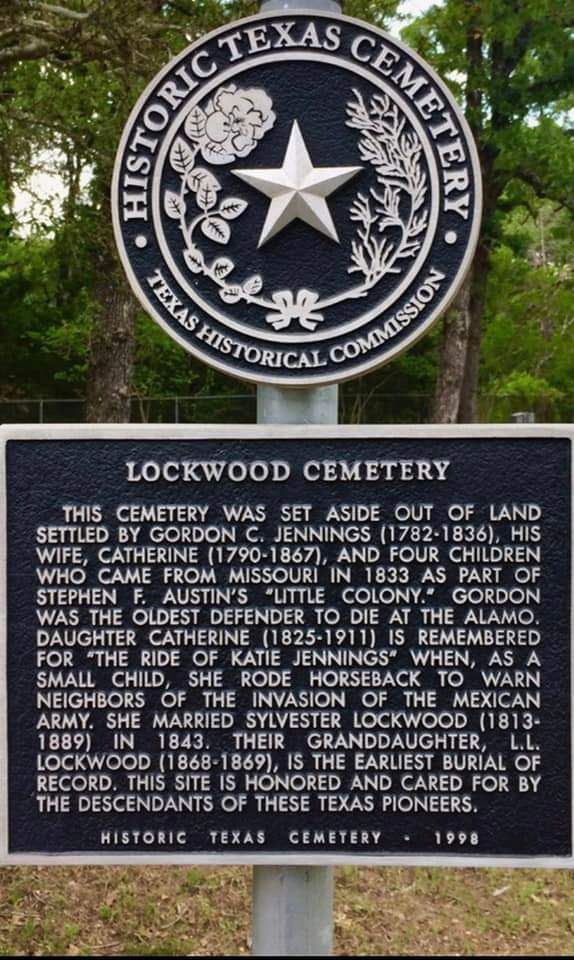
We salute you, Katie Jennings, the 10 year-old heroine of the Texas Revolution, and your family whose blood soaked the ground at the Alamo and Goliad, and whose sacrifice fueled the soldiers at San Jacinto to Remember the Alamo! Remember Goliad! and helped birth the Republic of Texas.
☆☆☆☆☆
IN GOD WE TRUST

Thanks for supporting independent true journalism with a small tip. Dodie & Jack
Green Pasture Here!


Use Code CLEVER10 for a 10% discount on other Green Pasture products today!


CINDY LEAL MASSEY, TEXAS AUTHOR

 Clever Journeys
That was an exhilarating account! 🙂
LikeLike
This story, good as Paul Revere’s ride is, is even better. A ten year old girl who didn’t whine or complain, but just got on the horse and did what had to be done. She understood the stakes. That’s something badly needed right now; a grasp, an understanding and comprehension of what we’re dealing with.
LikeLiked by 2 people
Desparately needed.
LikeLiked by 1 person
Thank you. I didn’t know about Katie’s ride and I grew up in Texas. In those days both women and men were tough. My great great grandmother?? cut off the heads of rattlesnakes with a hoe but her sons used a gun or a rifle according to the stories I heard as a child. They lived in West Texas.
LikeLiked by 1 person
Yes, Ive seen my great grandmother use a hoe to chop a rattlesnake head off too. She was born 5 days after Lincoln was assassinated. Lived to see men in space. Died at 100. Tough as they came. We have no idea.
LikeLike
[…] Read the Rest […]
LikeLiked by 1 person