
According to a recent analysis of Car and Driver’s 75-mph highway tests, electric vehicles had an average range that was 12.5% lower than the numbers on their stickers. In contrast, gas-powered vehicles averaged 4% better fuel economy than their EPA estimates.
“Some EVs get as much as 20 percent less range than the window sticker figure in our highway test,” they reported. “…This validates our reasoning for doing our own testing, both because of highway range falling well short of the window-sticker number and because those figures aren’t a perfect apples-to-apples comparison.”
They noted that while EPA has separate city and highway range figures “computed behind closed doors, only a combined number is presented to consumers.”
EPA only reveals this combined rating because it significantly impacts what consumers use to determine EV performance compared to combustible gas vehicles.


In fact, with EPA figures translated on window stickers, by combing the two figures into one weights EVs 55 percent in favor of the city figure, where EVs typically perform better.
“This inflates the range estimates, making it harder to match in real-world highway driving,” Car and Driver reports. Their investigation “proposes publishing both city and highway range figures—as with fuel-economy estimates for gas-powered vehicles—to give shoppers a more holistic sense of a vehicle’s abilities.”
Car and Driver teamed up with SAE International for these tests. The Society for Automotive Engineering is a global professional organization that has been fostering worldwide collaboration to advance transportation technology since 1905.
SAE tests show, that on gas vehicles, the highway fuel economy label tends to be a very good predictor of the fuel economy.
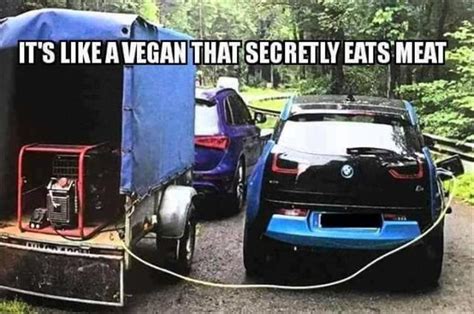
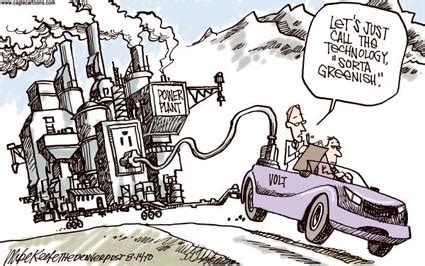
However, most Battery Electric Vehicles “tested to date fall short of both their electric consumption and range label values,” SAE states. “…the difference between the label and on-road consumption and range is further exacerbated by other factors, such as extreme temperatures and suggestions by automakers to charge to less than 100 percent to extend battery life.”
IN GOD WE TRUST




CLICK: PARK LANE by Rebecca Taylor
For free email notice when we post a new article like this, sign up below.


Maybe electric vehicles will become more practical as time goes by, just as electric yard equipment is getting a bit better. However, just as heavy duty yard work still requires gas powered “muscle” to get things done so does electric vehicles. Imagine taking a country drive and running out of power? As it is now, even small country crossroads have some type of gas station to keep you going.
Of course, as always, follow the money.
LikeLiked by 3 people
California is phasing out & banning heavy haulers now.
LikeLiked by 1 person
California would do that. To sum up, we’re being scammed, but it won’t work.
LikeLiked by 2 people
In northern climates, with a winter, you will find 6 months of year the milage will be in the range of 50% off
LikeLiked by 1 person
They rushed this into production, forced it down our throats, and never considered the consequences. I believe we should BOYCOTT electric vehicles, electric stoves, and all other nonsensical environmental regulations and mandates.
LikeLiked by 2 people