
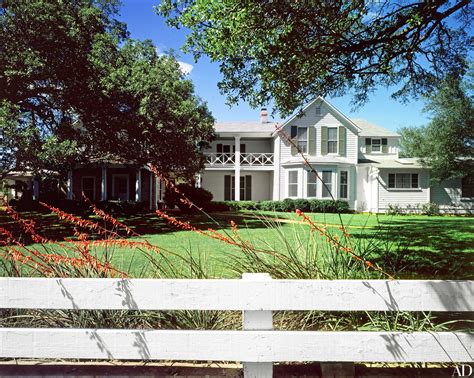
“Lyndon had a commanding, somewhat controlling nature,” Lady Bird Johnson told me during an interview with her at their ranch along the Perdenales River near Hye, Texas in 1977.
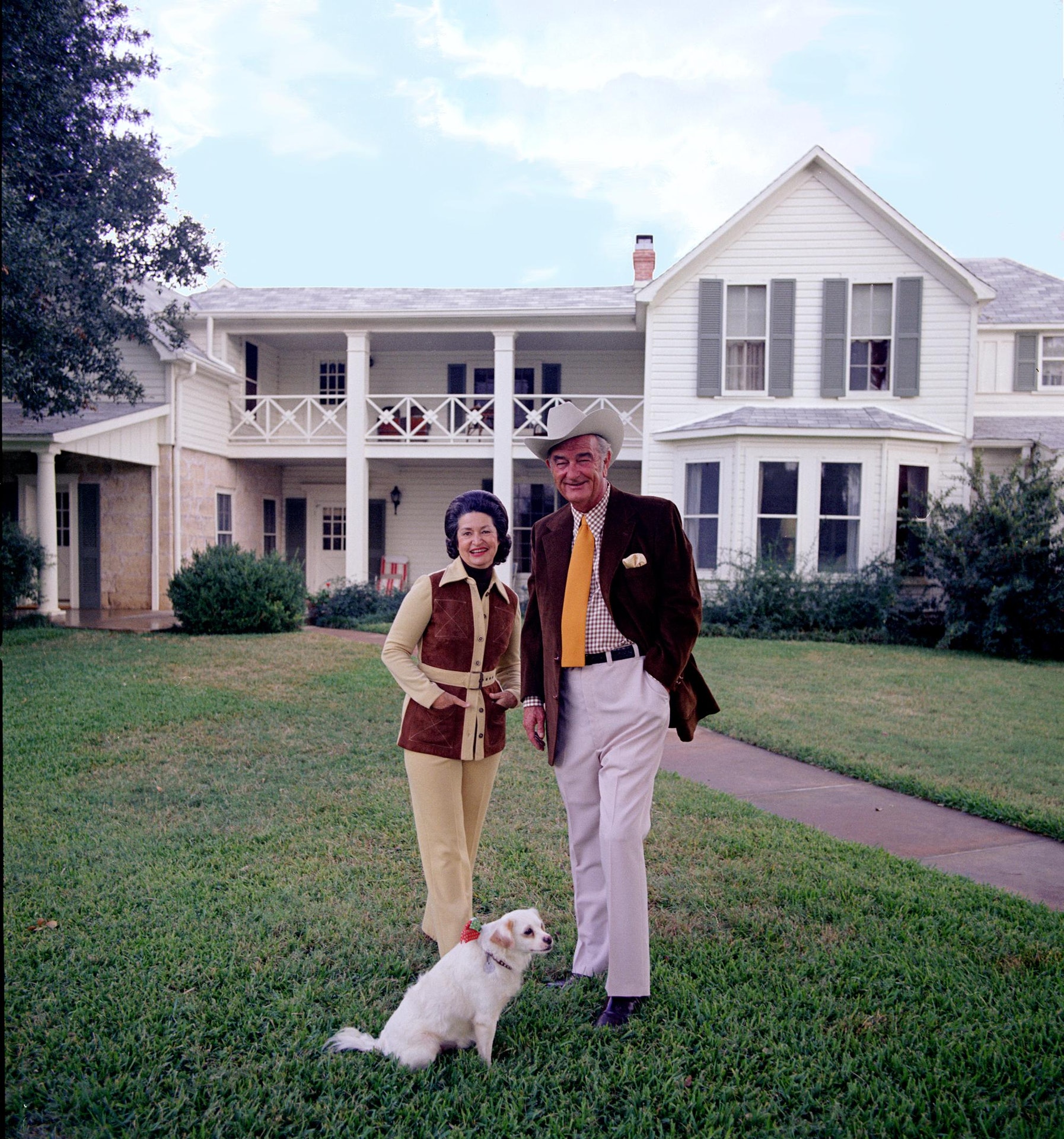
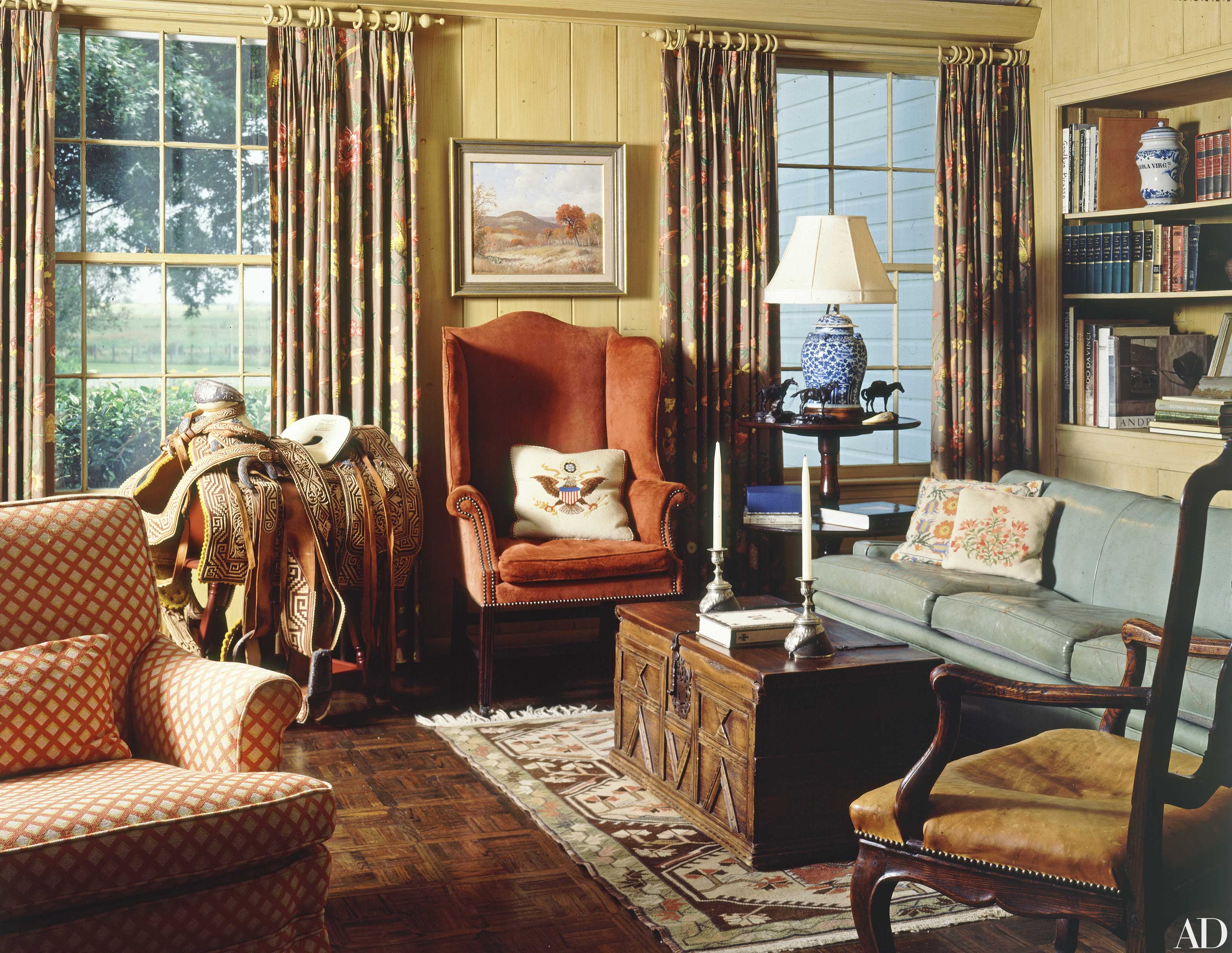
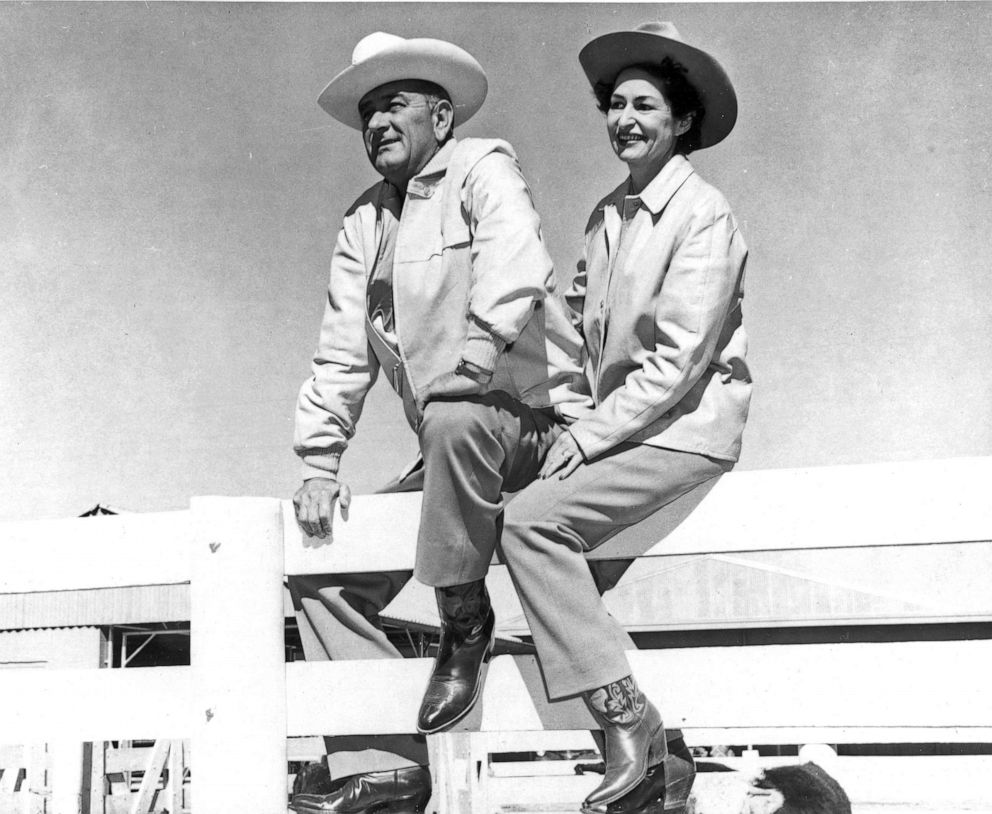
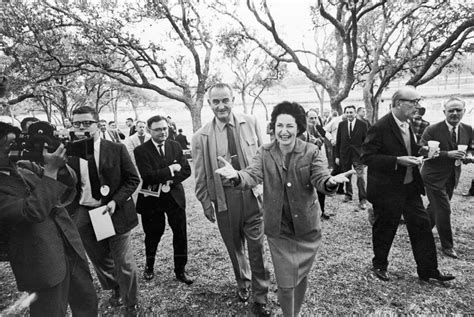
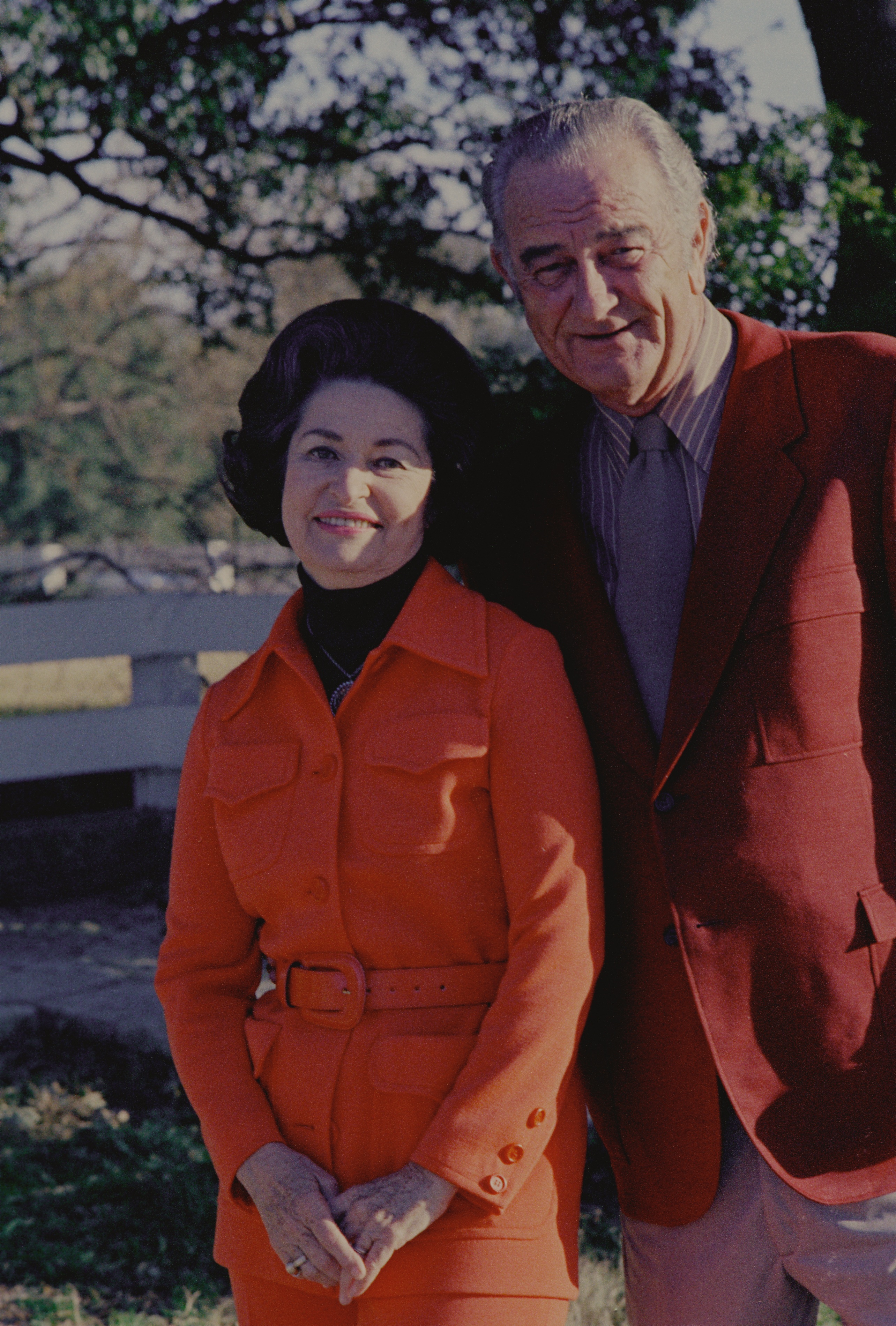
“He was the kind of man who made things happened–even here on the Ranch,” she smiled. “He needed to be in control to accomplish whatever was needed done and he always knew what that was.”
Years later, his grandson, Lyndon Nugent was my assigned outside attorney while I led the Facilities Management-Store Services division for H-E-B Food-Drugs, a premier retailer in the Lone Star State.

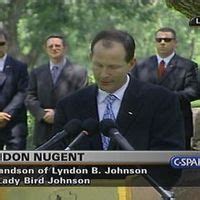
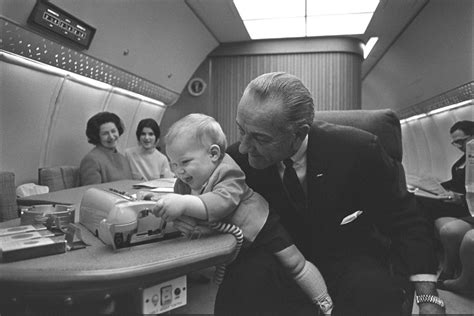
During a lunch meeting one day, I told him about my interview with his grandmother, probably 25 years before. He was amused when I mentioned that I learned a trick from that interview with her that has helped me considerably in our corporate offices and stores.
The story goes that there was a dummy temperature dial installed aboard LBJ’s Air Force during his presidency.
Even before he was in the Oval Office, Johnson was already known for his micro-managing demeanor.
His aides, staff, and even business or political associates referred to his relentless persuasion as the “Johnson Treatment.”
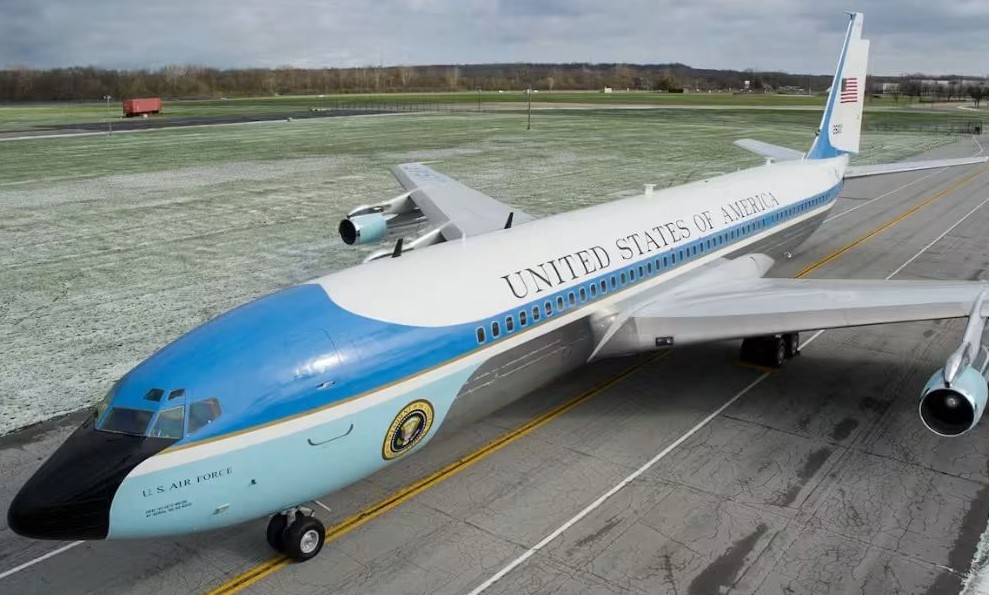
Aboard SAM 26000, the customized Boeing VC-137C serving as Air Force One, this intense scrutiny extended directly to environmental conditions.
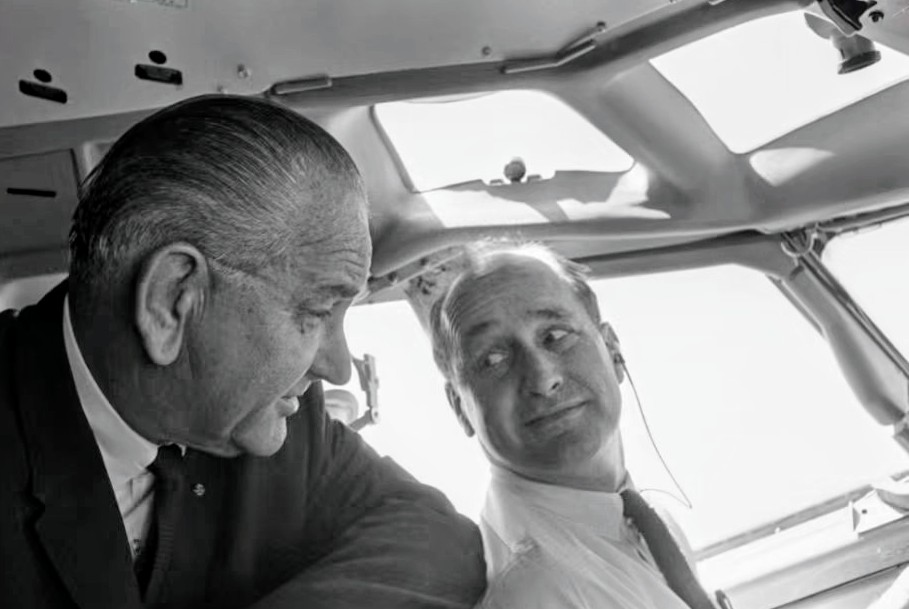
Johnson frequently badgered the flight crew to adjust the executive cabin’s ambient temperature, demanding immediate temperature drops or heat increases during long flights.
The problem was aircraft environmental control systems on 1950-60s jet transports lacked individual multi-zone digital precision, meaning pneumatic valves and bleed-air mixers required manual adjustments that took considerable time to alter cabin air temperature.
Frustrated by constant summonses to the presidential suite for unperceivable thermal shifts, the U.S. Air Force flight stewards and maintenance crew sought an ingenious engineering trick.
Technicians retrofitted the cabin wall near the president’s desk with a prominent, custom-built control knob labeled for climate regulation.
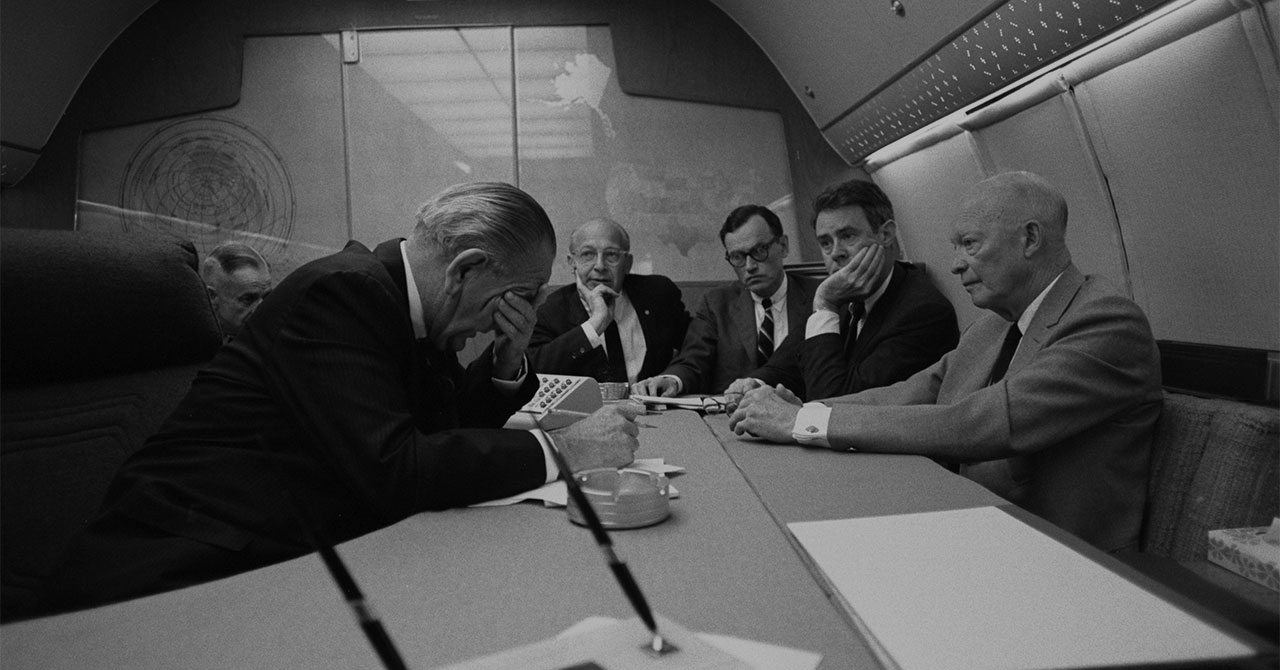
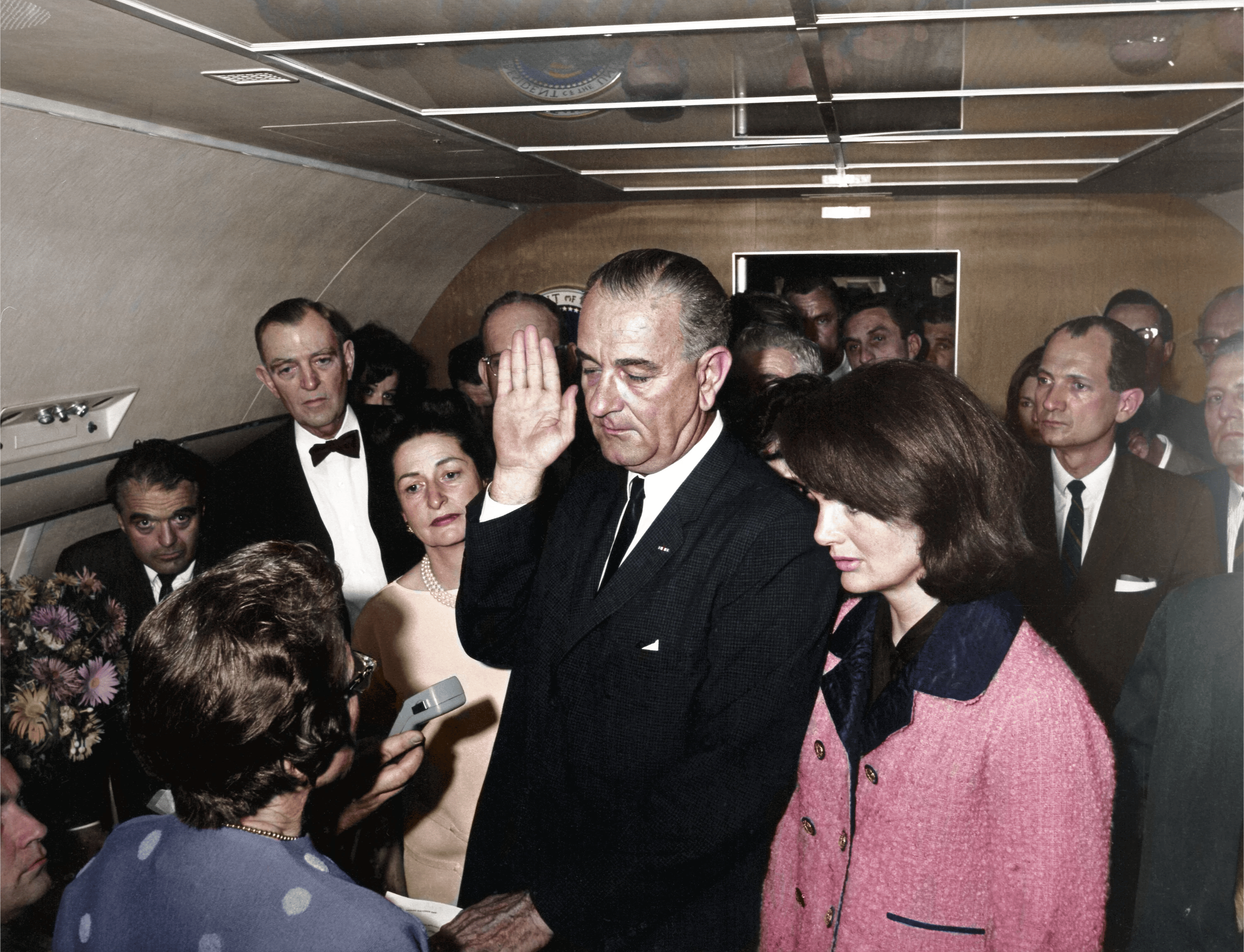
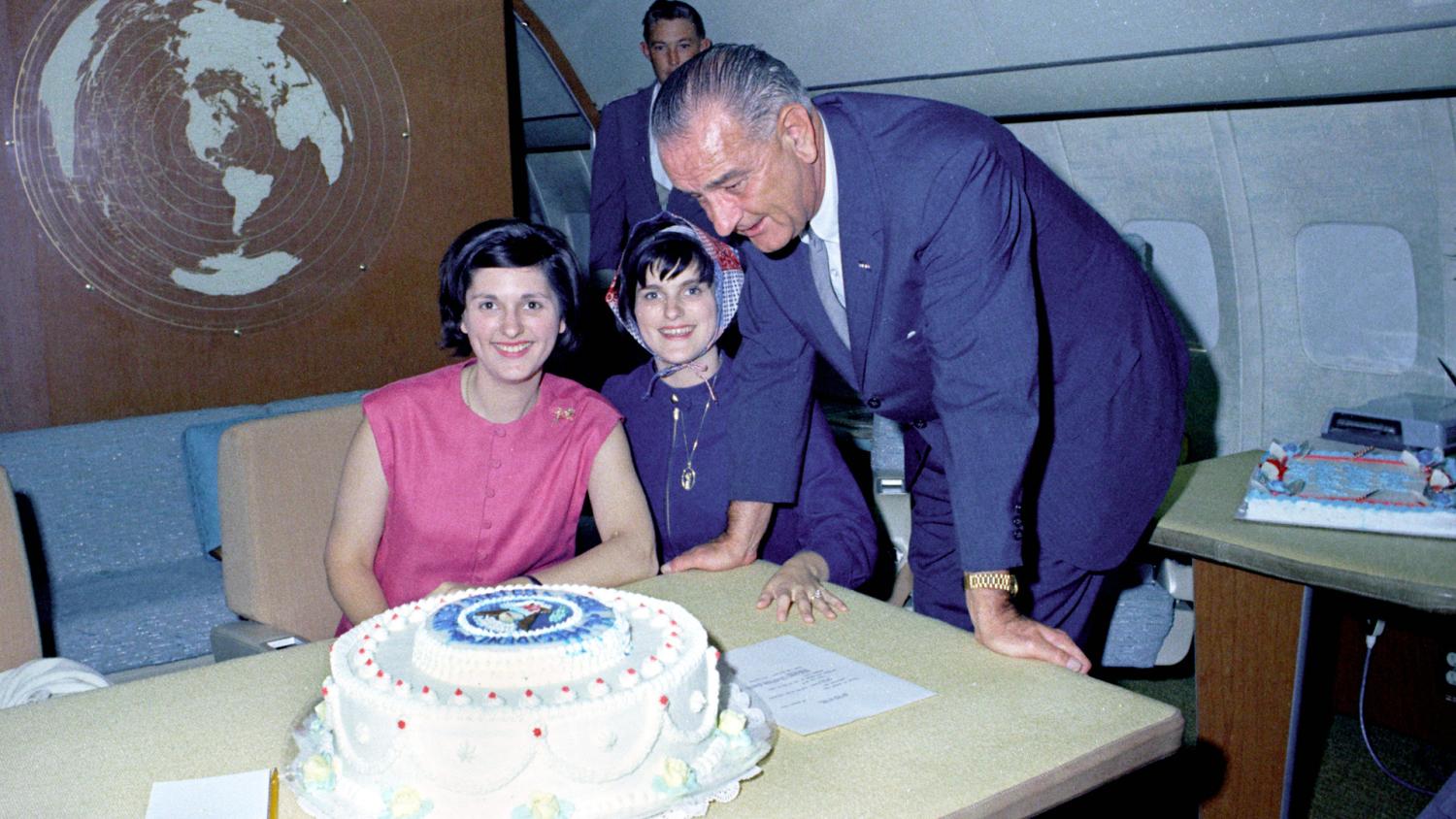
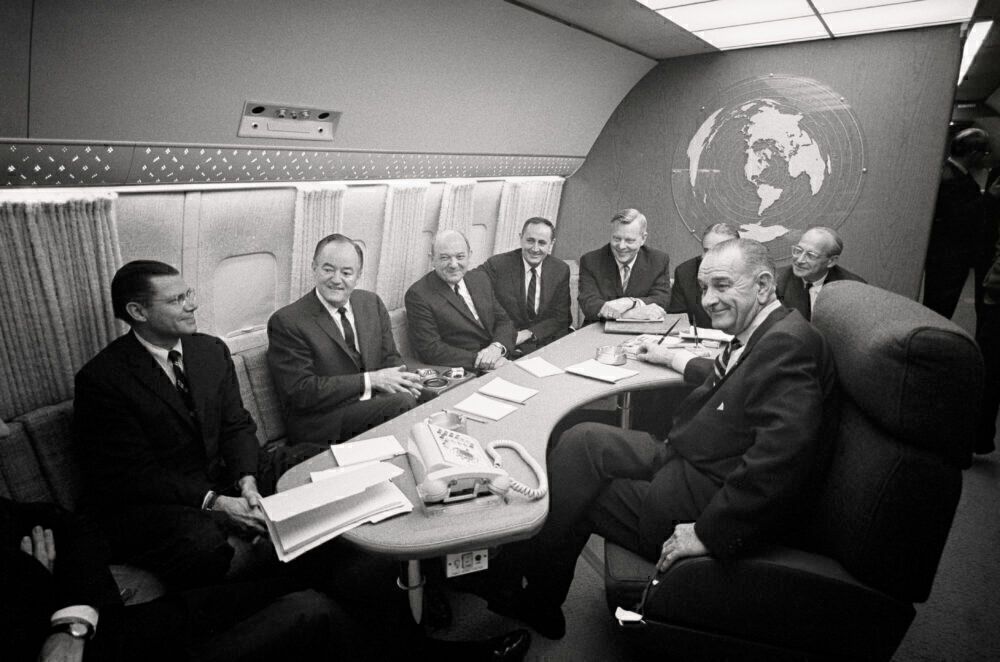
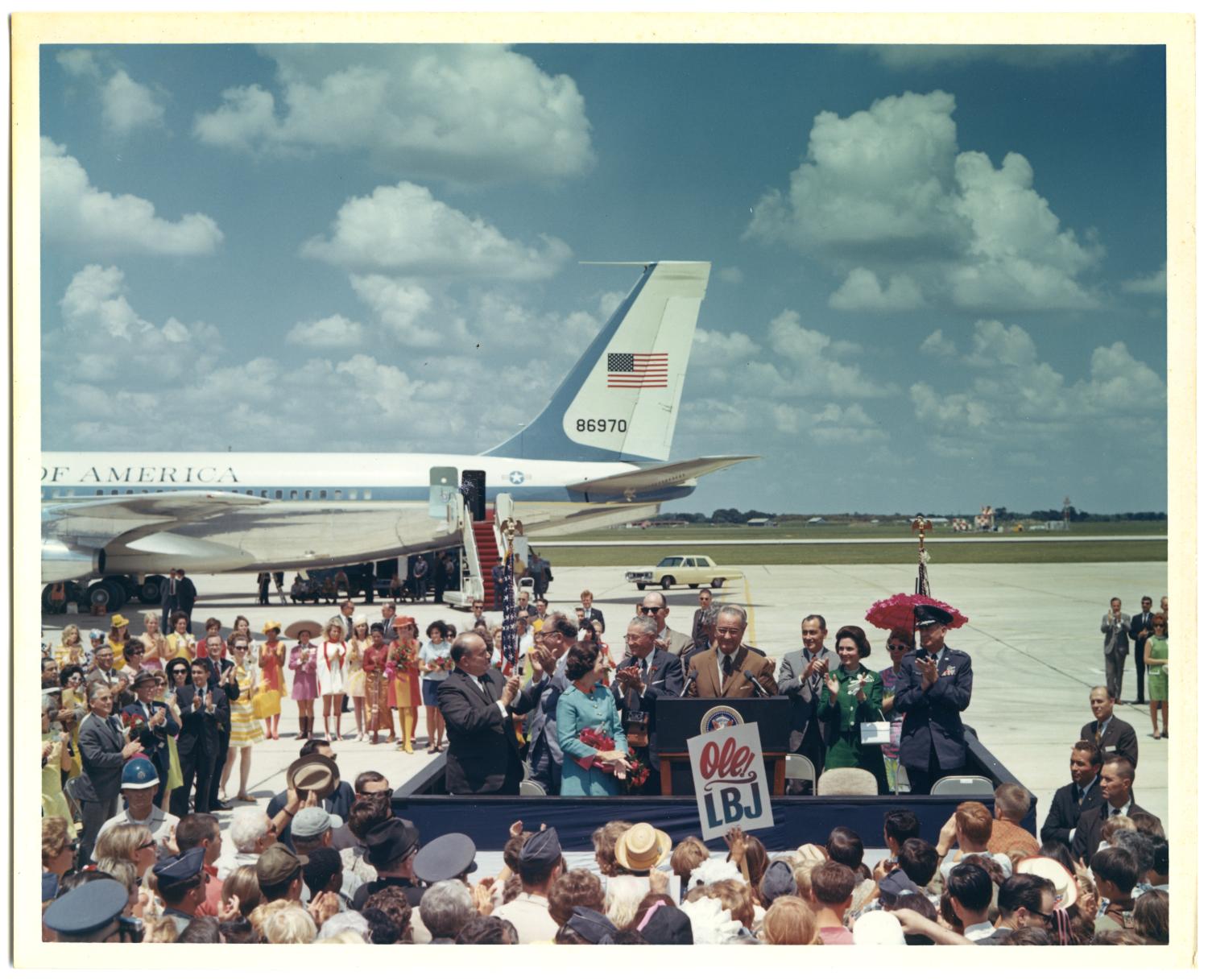
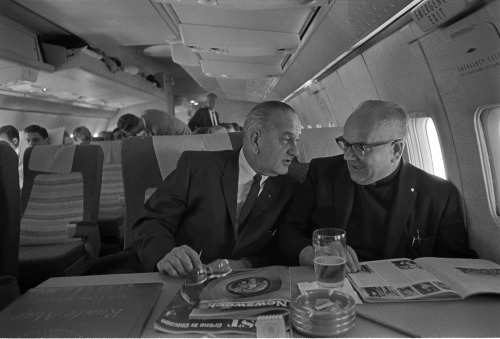
Unbeknownst to Johnson, the dial was completely dummy hardware, connected to no electrical wiring, pneumatic ducting, or actuator assemblies in any way.
Whenever the temperature felt off, the president simply reached over and turned the non-functional dial to his desired setting, fully satisfied that he was actively commanding the jet’s internal atmosphere.
Predictably, the persistent complaints ceased immediately, proving the efficacy of psychological feedback over physical engineering.
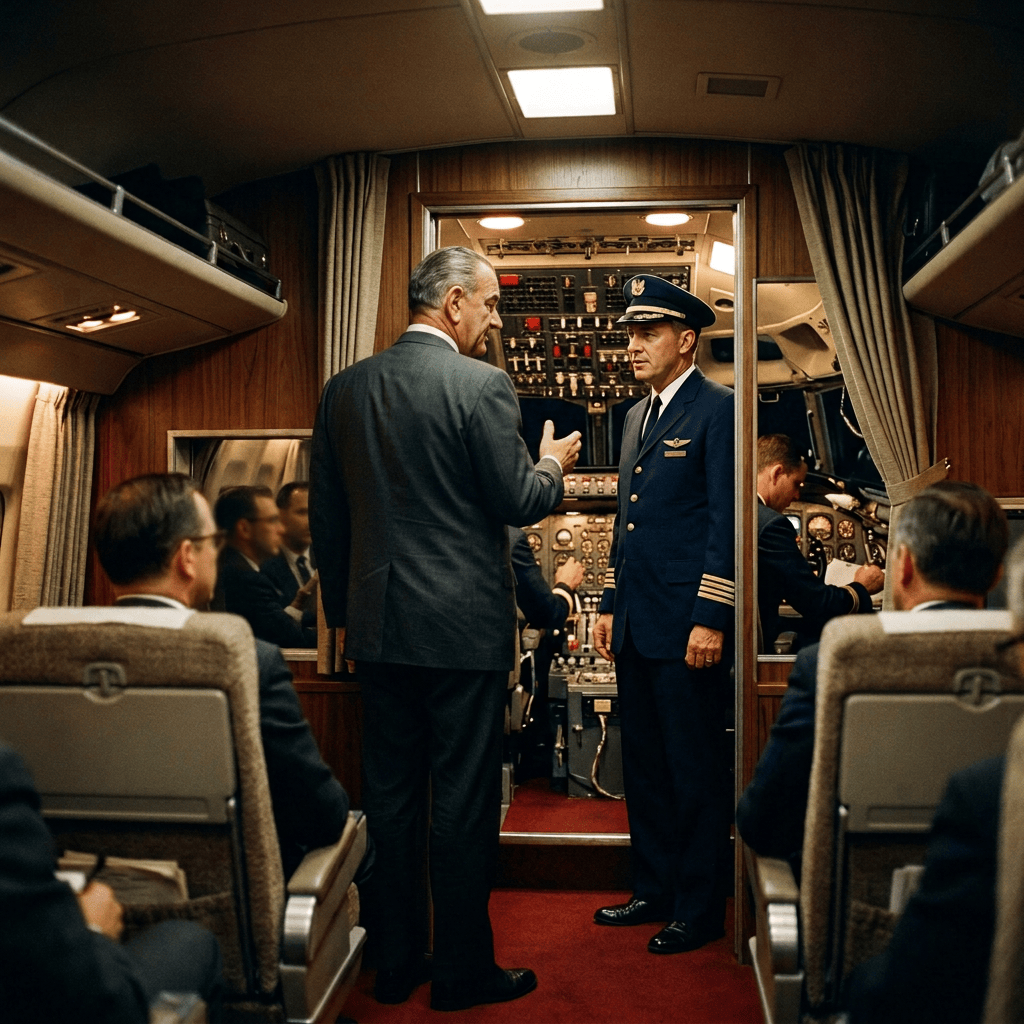
SAM 26000 served presidents from John F. Kennedy to Bill Clinton, but the story of LBJ’s decoy thermostat remains one of the most famous pieces of aviation lore from the early jet age.
Today, that legendary aircraft rests at the National Museum of the United States Air Force in Dayton, Ohio, holding decades of high-stakes diplomatic history and clever cabin crew improvisation.
During my 30 year tenure at H-E-B, we sometimes had dummy thermostat controllers installed in certain corporate offices, in-store bakeries, or other locations it was practical to do so. I can’t recall an instance when this practice did not resolve the issue.
In God We Trust
Thank you for reading CleverJourneys.




IN GOD WE TRUST

Thanks for supporting independent true journalism with a small tip. Dodie & Jack

To receive free email notification, when we post new articles like this, sign up below. Clever Journeys does & will not sell or share your information with anyone.







It really is all in the mind. Pause, and think of that!
LikeLike
This is a great story! Thank you for sharing.
LikeLike