
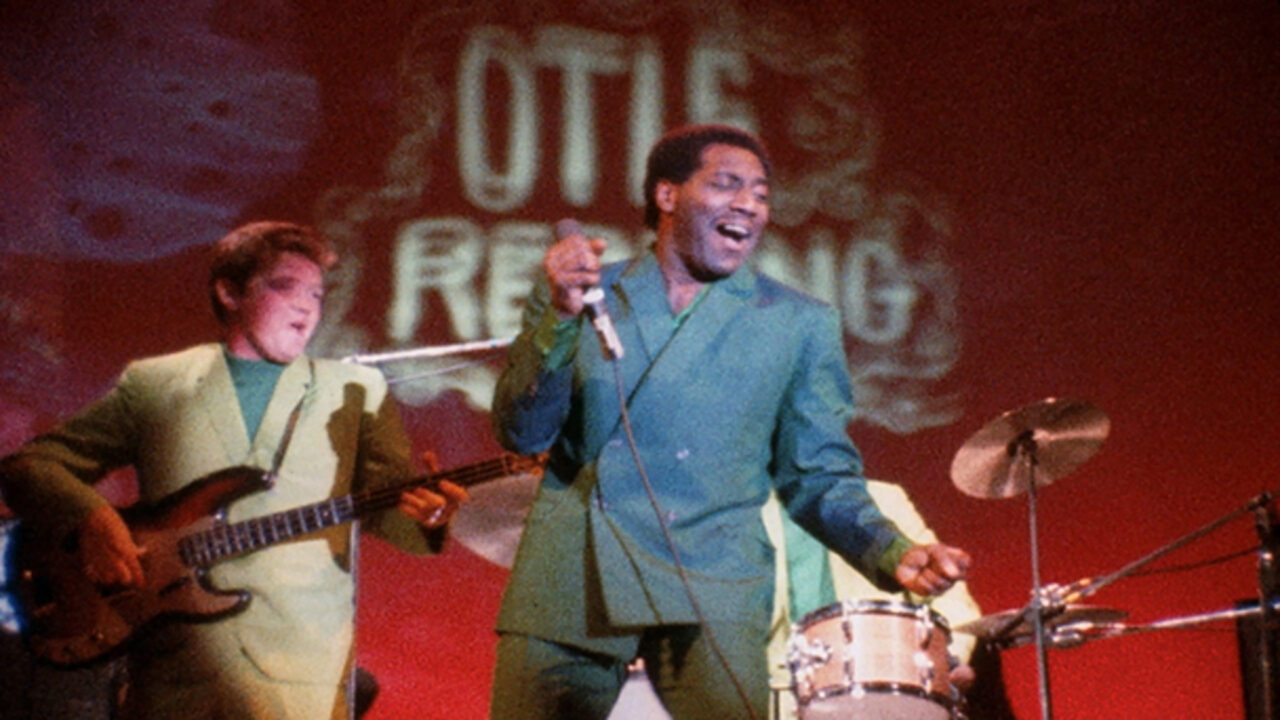
In June 1967, the singer closed the Saturday night of the Monterey Pop Festival and turned a crowd of mostly white rock fans into believers. He was 25, already a major soul artist, and on the edge of something much bigger.
A few weeks later, staying on a houseboat at Waldo Point in Sausalito, California, he sat with an acoustic guitar and wrote the first verse of a song about watching the tide come in and go out again.

It didn’t sound like anything he’d released. Slower, sadder, with seagulls on it.
People at his label, Stax, weren’t sure about it. It wasn’t what Otis Redding records sounded like.
He recorded the main take on November 22, 1967, and went back on December 7 for the final overdubs, including the whistling at the end. He hadn’t written a proper closing verse, so he whistled through the gap intending to fix it later.
Three days later, on December 10, he and five of the Bar-Kays got into his twin-engine Beechcraft H18 to fly from Cleveland to Madison, Wisconsin, for two shows that night at a club called The Factory.
Bassist James Alexander took a commercial flight instead, because there wasn’t room.
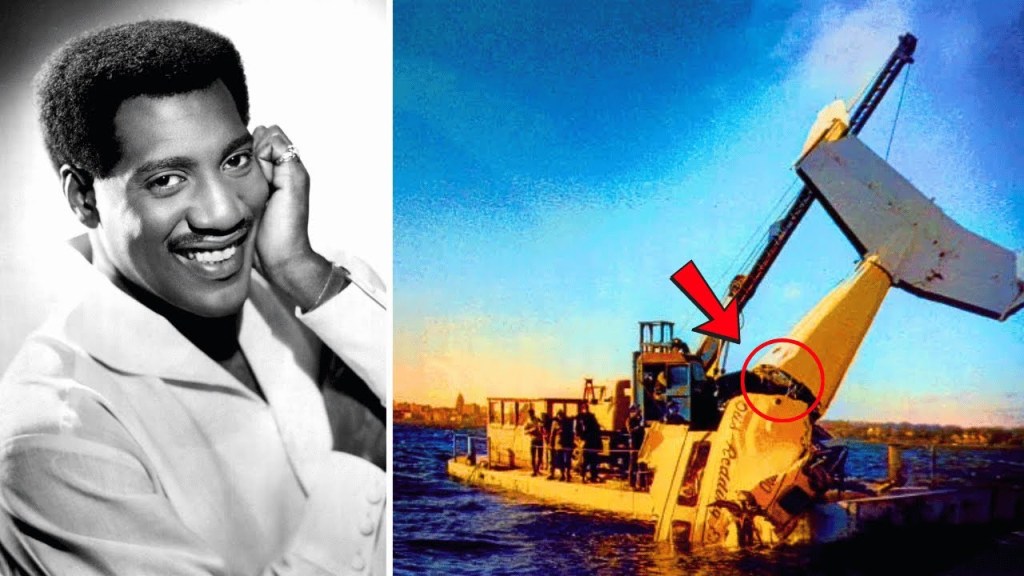
The weather was terrible, rain and fog. At 3:28 p.m., about 4 miles short of the runway, the plane went down into Lake Monona.



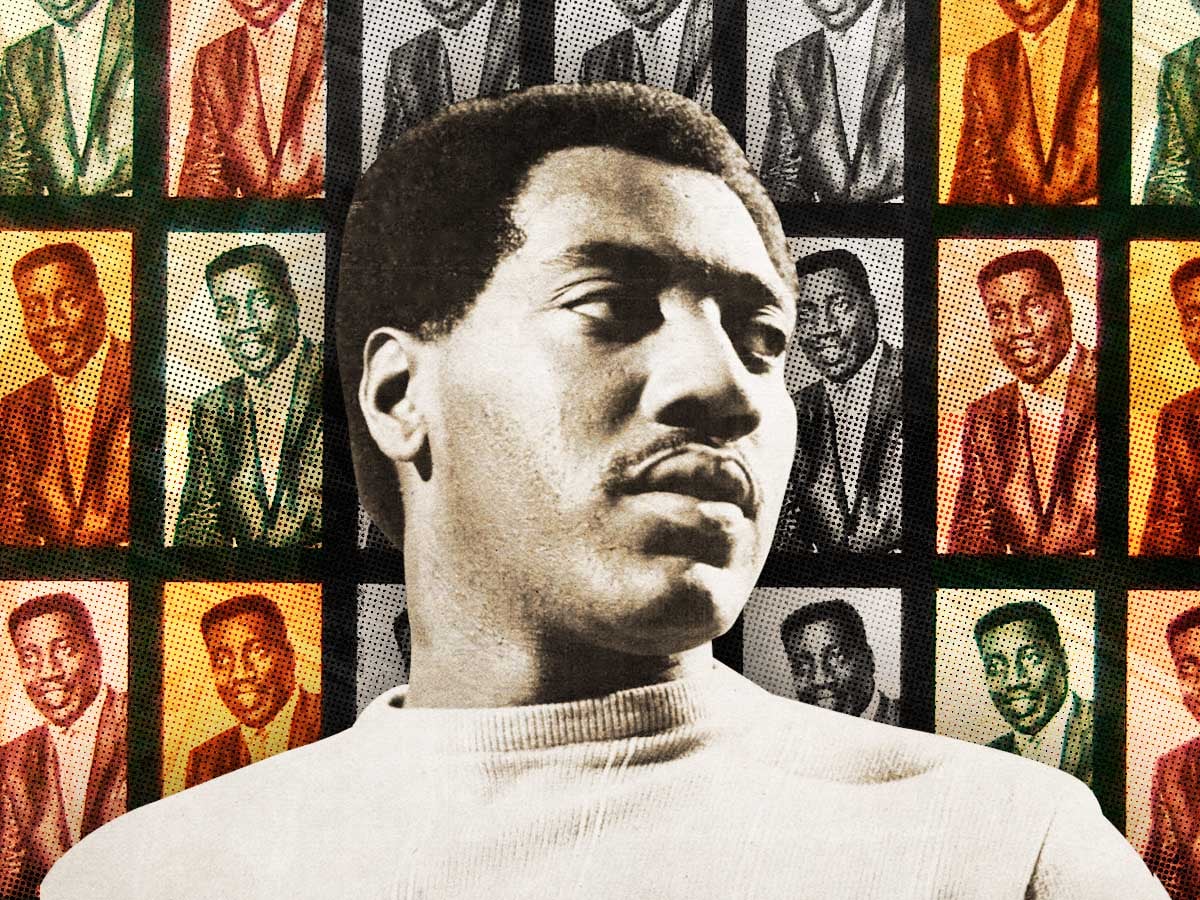



Seven of the eight aboard were killed. Otis Redding was 26. So was the pilot, Richard Fraser. The Bar-Kays who died were teenagers: Phalon Jones, 19, Ronnie Caldwell, 19, Carl Cunningham, 18, and Jimmy King, 18.
Redding’s valet Matthew Kelly was 17.
The only survivor was trumpet player Ben Cauley, 20, who was sitting directly behind Redding. He had fallen asleep holding his seat cushion.
He woke with the sensation of the plane spinning, reached down and unbuckled his seatbelt without knowing why, and was thrown clear into the water. He couldn’t swim. He held on to the cushion until rescuers reached him.
He said he could hear Carl Cunningham, the 18-year-old drummer, calling for help in the water, and couldn’t get to him.
The cause of the crash was never conclusively determined.
Stax released “(Sittin’ On) The Dock of the Bay” on January 8, 1968, unfinished whistling and all.

On March 16 it went to number one on the Billboard Hot 100 and stayed there 5 weeks. It was the first posthumous number one single in American chart history, and the only number one Otis Redding ever had.
Ben Cauley kept playing for the rest of his life. In 2007, on the 40th anniversary, he came back to Madison for the first time and sang it by the lake.
In God We Trust
Thank you for reading CleverJourneys.




IN GOD WE TRUST


Thanks for supporting independent true journalism with a small tip. Dodie & Jack


Sad, but kind of amazing at the same time.
LikeLike