
Almost everyone has heard of the American POWs in the Hanoi Hilton, the pilots shot down over the North. Almost no one has heard of Nick Rowe, who spent five years not in a prison but in a bamboo cage in a swamp, and got out by his own hand. His story is one of the most incredible of the entire war.
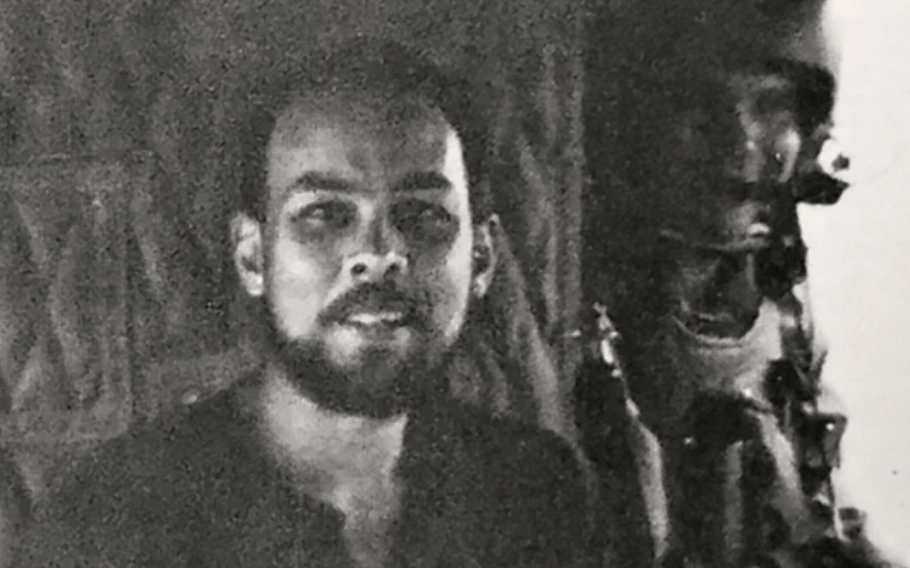
James ‘Nick’ Rowe was a young Special Forces Lieutenant, one of the early Green Berets, and he was captured way back in October 1963, before most Americans even knew there was a war.
On a patrol deep in the Mekong Delta, his position was overrun and he and two other Americans were taken by the Viet Cong.
They marched him into the U Minh Forest, a vast, flooded mangrove swamp, and there they kept him. Not in a building. In a cage made of saplings, roughly three feet by four feet by six feet, sitting in the muck of the jungle. He would be there, in cages like that, for more than five years, 1,903 days.
To survive, Rowe played a long, desperate game of deception. He knew that if the Viet Cong ever learned he was a Green Beret trained in intelligence and unconventional warfare, they would squeeze him hard or kill him. So he made up an entire false identity.
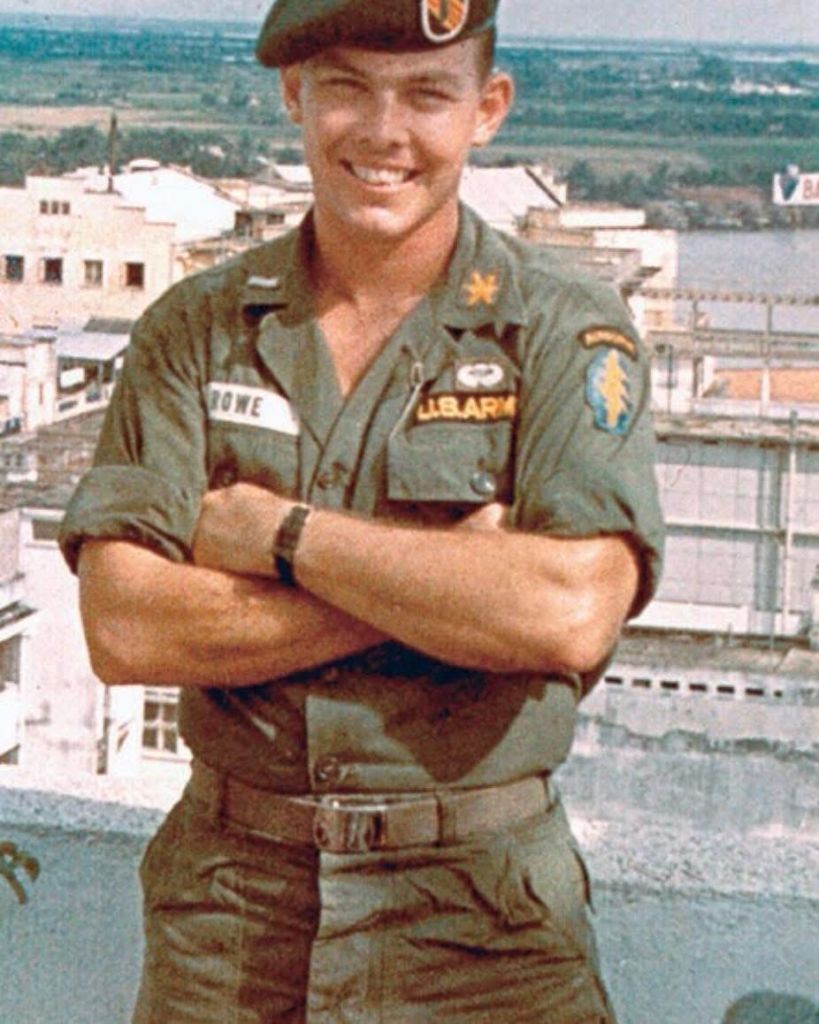
He told them he was just a drafted civilian engineer, a low level nobody who built roads and bridges and knew nothing worth asking about, and he kept that lie alive under interrogation for years, inventing endless technical nonsense to explain himself.
During his five years as a Prisoner of War (POW), Rowe was constantly starved, deprived of company, beaten, and otherwise treated harshly, which imposed great psychological strain. Throughout those long, rough years Nick kept a hidden diary, which served to keep him mentally aware and psychologically fit. That carefully hidden diary contained thoughts, dreams, and future aspirations.
It bolstered him mentally by keeping his mind active and challenged while his body was confined. In it he explored philosophical questions, debated political systems and ideologies, designed ‘dream’ homes and futuristic automobiles, and honed his Vietnamese language skills by transcribing useful phrases from a ‘POW Dictionary.’
Rowe kept pens and paper provided for written confessions and ‘letters of regret’ for alleged war ‘crimes’ against the people of Vietnam.
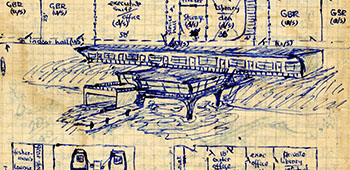
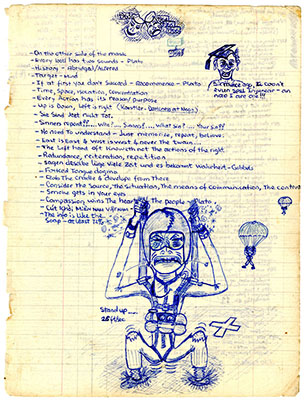
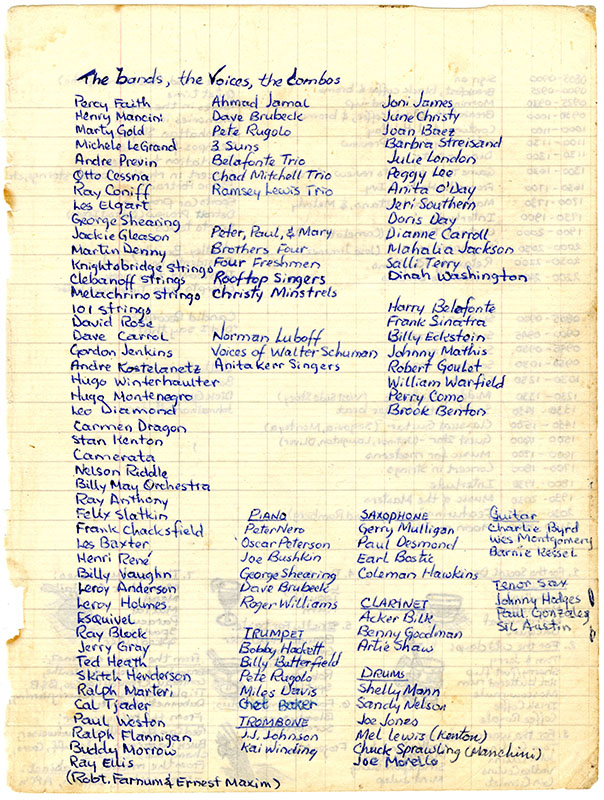
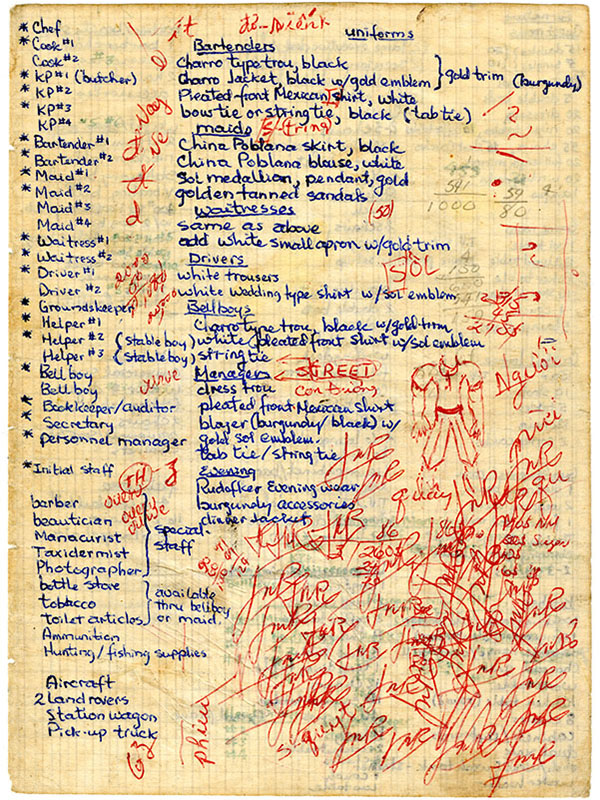
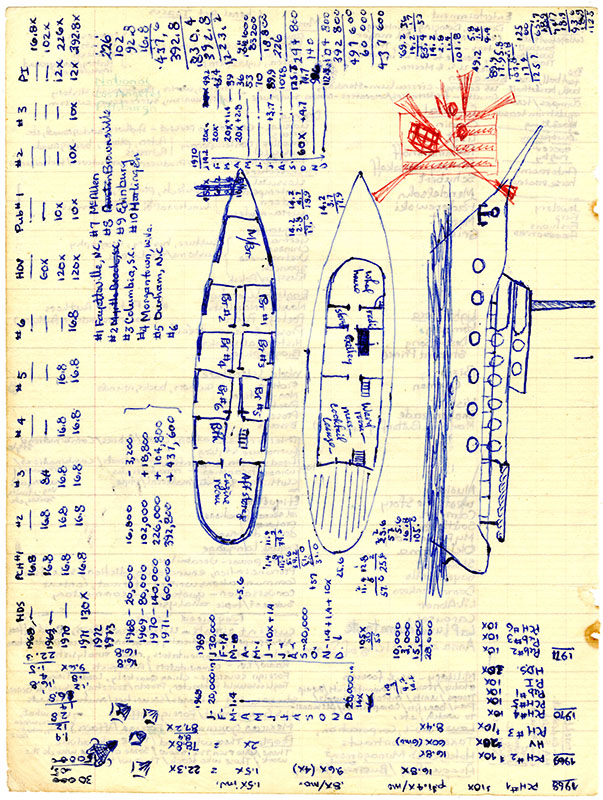
In his diary, Rowe penned sections of the Code of Conduct and his oath of office from memory. He wrote poetry, the words to songs, and inscribed long segments of books read in school. He listed the ‘pros and cons’ of philosophical arguments, at times to counter enemy indoctrination.
During one death-threatening bout of malnutrition-induced dysentery, he lifted his flagging morale by creating an imaginary resort, the Hacienda del Sol. His diary entries could have been used against him. It was a ‘window into his soul.’ But, the therapeutic effects outweighed the danger. As Rowe said later, the diary “became my vehicle for reaching the outside world.”
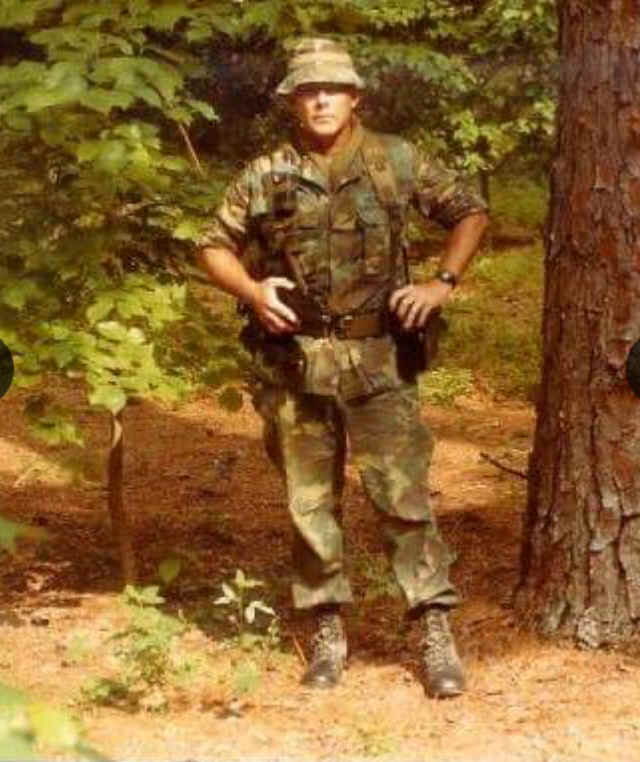
He tried to escape three separate times over those years. Three times he was hunted down in the swamp, dragged back, and punished.
Then his cover collapsed, and it came from home. Antiwar activists in the United States, trying to help, published lists of American prisoners, and Rowe’s real name and real background reached his captors. The Viet Cong realized the engineer they had been holding was actually a Special Forces officer who had been lying to them for years. They sentenced him to death.
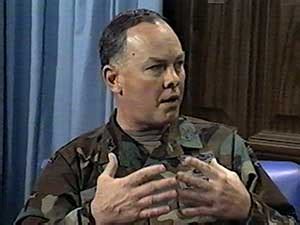
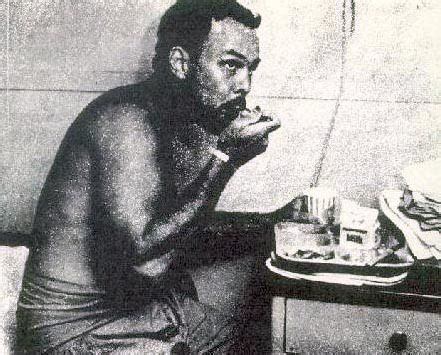
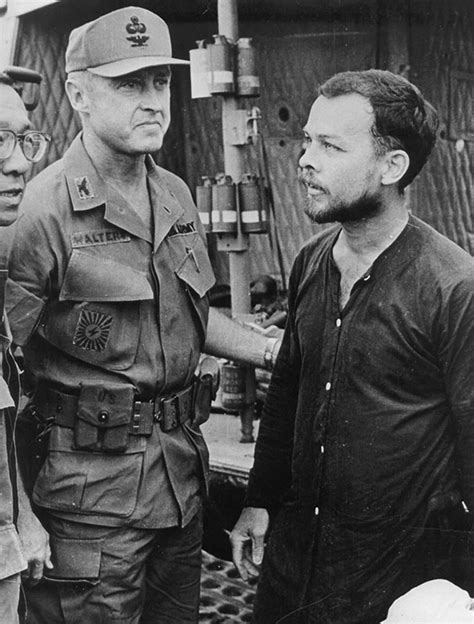
On the last day of 1968, they marched Nick Rowe out into the swamp to execute him. And then, by pure chance, a flight of American helicopters came clattering over the trees on an unrelated mission. The guards scattered for cover from the aircraft.
Rowe saw his one instant, clubbed down the guard nearest him, and bolted into an open clearing, waving his arms at the sky.
A door gunner on one of the helicopters looked down and saw a wild figure in black pajamas and nearly opened fire, taking him for a Viet Cong. What saved Nick Rowe’s life was his beard, a thick beard no Vietnamese guerrilla would have. The crew realized he was an American, dropped down, and pulled him aboard.
After five years in a cage, he flew out of that swamp a free man. He was one of only a tiny handful of Americans, around 34 in the whole war, to escape enemy captivity. And he did not just go home and rest.
Nick Rowe took everything he had learned in those cages and built it into a school. In 1981 he founded the Army’s SERE course, Survival, Evasion, Resistance, and Escape, the brutal training that teaches soldiers how to survive exactly what he had survived. To this day, American special operators learn to endure captivity from a program built by a man who lived it.
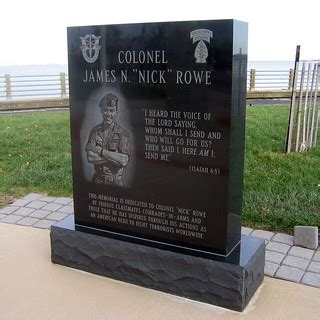
The end of his story is as unlikely as the rest. In 1989, serving as a military adviser in the Philippines, Nick Rowe was assassinated in his car by a communist hit squad on a Manila street. A man who beat five years in a jungle cage, only to be killed decades later by the same ideology, half a world away.
IN GOD WE TRUST




To receive free email notification, when we post new articles like this, sign up below. Clever Journeys does & will not sell or share your information with anyone.

Thanks for supporting independent true journalism with a small tip. Dodie & Jack



Nick Rowe’s incredible survival story exemplifies the resilience of of the human mind and body-if you’re savvy enough. Fortunately, he shared what he learned.
LikeLiked by 2 people
The kind of true story one should bring to mind when life’s trials seem to be overwhelming. Whatever I might be enduring, it is nothing compared to being held captive in the swamp for years.
LikeLiked by 1 person