
We love clean lines on a map. Boundaries are neatly drawn with names on every mountain and ridge. However, reality is much messier.
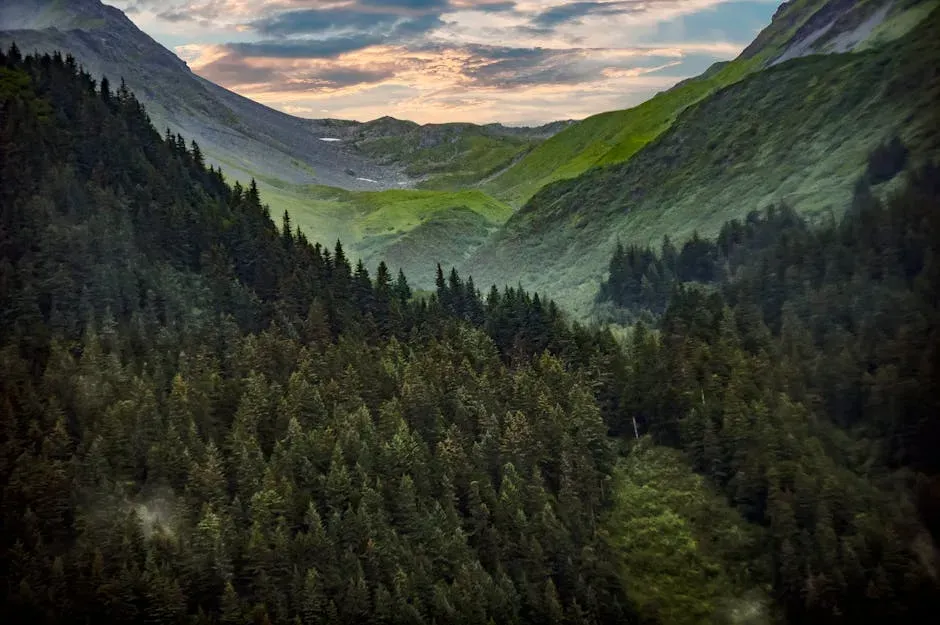
A huge portion of Earth remains unexplored. This includes the deep ocean, underground networks, frozen landscapes, and remote wilderness. These areas are poorly mapped, barely sampled, or not studied at all.
Our sense that the planet is “known” comes more from confidence than from actual coverage.
There are still places where discovery is real, not just a metaphor. These are places where someone can find a species, a cave, or a landscape that no human has ever documented. For all our satellites, sensors, and models, Earth still has secrets it’s not ready to give up easily.
We live on a thin, brittle crust floating over a churning interior. However, our direct access to that interior is incredibly limited.
The deepest human‑made boreholes barely scratch into the crust compared with the thousands of kilometers down to Earth’s core.
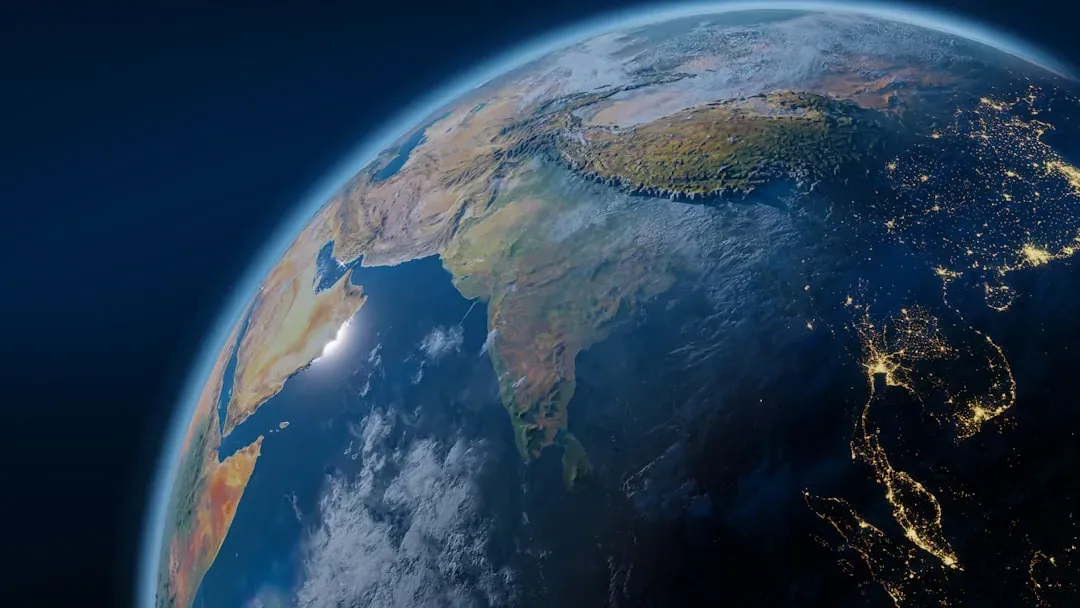
Most of what we think we know about the mantle and core comes from indirect measurements. These include how seismic waves travel through the planet after earthquakes.
Fundamental questions are still open. How exactly does heat move through the mantle? How stable is the core’s flow? What triggers shifts in Earth’s magnetic field?
Those invisible processes beneath us drive continental drift, volcanic eruptions, and the slow rearrangement of oceans and mountains.
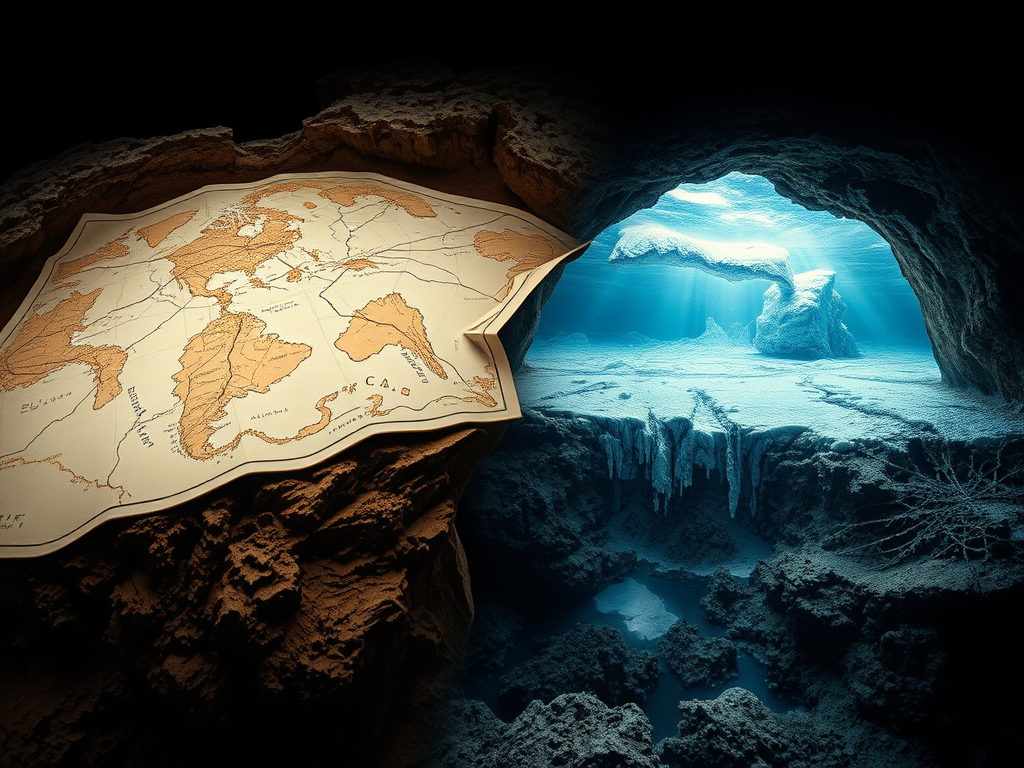
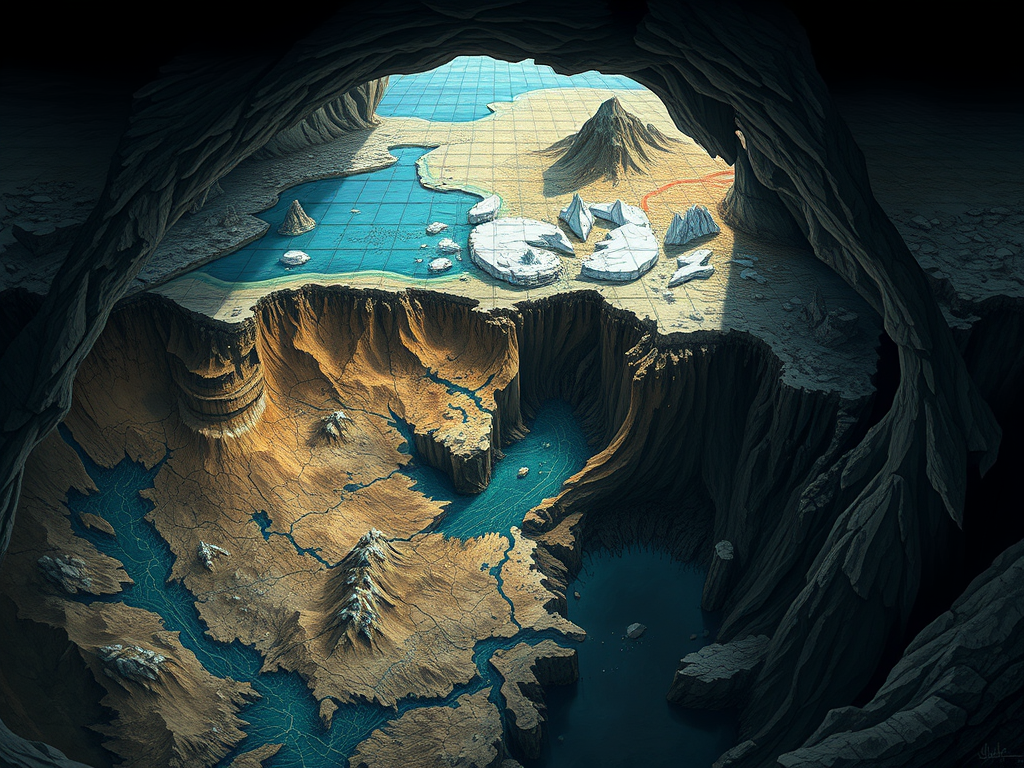
In a way, we’re living on the outer shell of a machine. We’ve never actually seen its internal gears. We trust models built from echoes and clues rather than direct observation.
To receive free email notification, when we post new articles like this, sign up below. Clever Journeys does & will not sell or share your information with anyone.
In God We Trust

______________
Please Support This Stellar American Owned Business
GREEN PASTURE
Get Your Natural Vitamins A & D from the Sea!














The Bible hints at Hell being down inside there somewhere…fitting, it’s plenty hot.
LikeLiked by 1 person