
We all have lost friends, family and others. Some of us may be grieving for a child, our spouse, a relative or friend who died very recently or many years ago.
Twice each year, Dodie and I lead a 1.5 hour GriefShare program in our community. This program is designed specifically for those grieving over the death of loved ones.

This 13-week program includes weekly sessions featuring a 30-minute video on grief topics, offering insights from counselors and others who have faced loss.
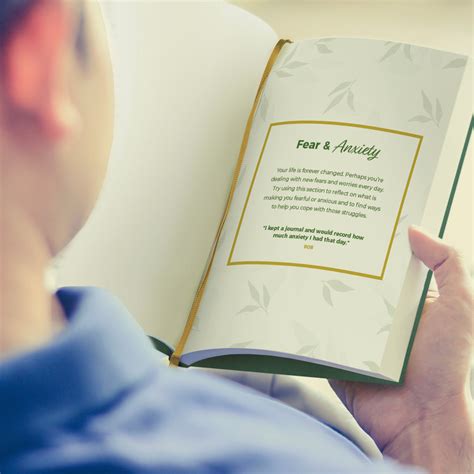
Our church (First Baptist Church of Medina, Texas) offers free sign-ups and a workbook). Participants learn what to expect in grief and recognize that there are no set stages.
The hardest stage of grief is subjective and can vary from person to person, but many identify depression as the most challenging.
This stage is characterized by intense sadness, emptiness, and loss of interest in activities, which can hinder normal functioning.
Depression may require professional support due to its persistent nature. Key reasons why depression is often seen as the hardest stage include:
- Intense Sadness and Emotional Pain: Individuals may experience overwhelming grief and despair as they fully comprehend their loss.
- Loss of Motivation and Energy: Lack of energy and fatigue can make it difficult to engage in daily routines or interests.
- Feelings of Isolation and Loneliness: Grieving individuals may retreat from social interactions and face deep loneliness.
- Potential for Complicated Grief: Prolonged or severe depression can indicate complicated grief, necessitating professional intervention.
- Difficulty in Recognizing and Accepting: Depression may not be easily identified, making it hard for individuals to acknowledge their feelings, causing delays in seeking help.






Other stages also present challenges, and their difficulty is influenced by personal circumstances:
- Denial: Initial disbelief can be overwhelming, complicating the acceptance of loss.
- Anger: Manifesting as frustration or rage, this stage can be difficult to articulate and manage.
- Bargaining: Involves attempts to negotiate circumstances around the loss, often leading to false hopes.
- Acceptance: Though it signifies progress toward healing, coming to terms with the loss can be emotionally painful.
Each person’s journey through grief is unique, with varying stages presenting different levels of difficulty. Grief is not linear and does not adhere to a timeline.
Here is some of our best advice in a nutshell.
Where you ultimately end up greatly depends on your daily attitude and response.
You are forced to deal with a loved one’s death. When someone you love passes away, the grief feels overwhelming. The sense of loss can also seem unbearable. And at that point, it’s incredibly easy to give in to unhealthy, “quick-fix” ways of alleviating the pain.
But you have to force yourself to do the opposite—to give yourself compassion, to sit with the powerfully difficult thoughts and feelings you have, and to open your mind to what lies ahead.
Worry gives little things a big shadow.
Gradually it becomes evident that death isn’t just an ending, but also a beginning. Because while you have lost someone special, this ending, like all losses, is a moment of reinvention.
Although deeply sad, their passing forces you to reinvent your life, and in this reinvention is an opportunity to experience beauty in new, unseen ways and places.
We don’t realize how often we hold ourselves back by holding on to everything so tightly.
It’s essential to keep the right thoughts at the top of your mind every day. This way, they’re readily available on those inevitable days when you need them most.
As you move through the days and weeks ahead, remind yourself. It takes roughly 66 days to form a new habit.
So for at least the next nine and a half weeks, consciously leverage the actionable reminders available here to look at the brighter side of your life, and you will gradually rewire your brain…
Patience isn’t about waiting, it’s the ability to keep a good attitude while working hard for what you believe in.
When life feels like an emotional roller coaster, steady yourself with simple rituals. Make the bed. Water the plants. Rinse off your own bowl and spoon.
Start filtering out the noise (TV, Internet, Radio…) in your life. Simplicity attracts calmness and wisdom.
Be careful about who you give the microphone and stage to in your life. Don’t just listen to the loudest voice every day. Listen to the truest one.
A big part of your life is a result of the little choices you make every day. If you don’t like some part of your life, it’s time to start tweaking things and making better choices in the days and weeks ahead.

There’s a big difference between being busy and being productive. If you’re going to put in some work between now and the end of the year, don’t confuse motion and progress. A rocking horse keeps moving but never makes any forward progress.

To receive free email notification, when we post new articles like this, sign up below. Clever Journeys does & will not sell or share your information with anyone.
In God We Trust
______________
Please Support This Stellar American Owned Business
Get Your Natural Vitamins A & D from the Sea!

















 Clever Journeys