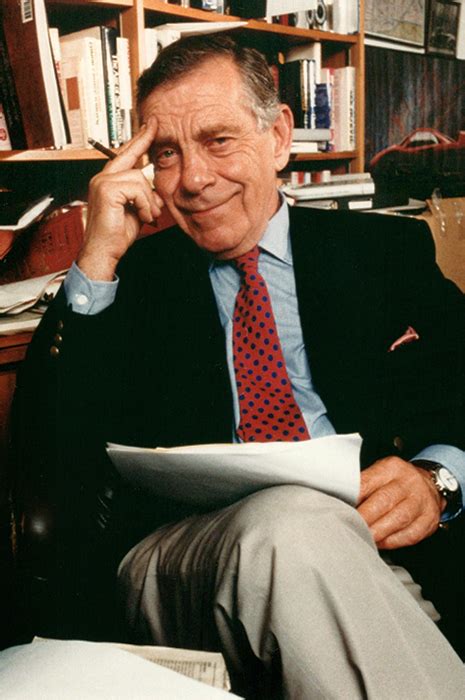
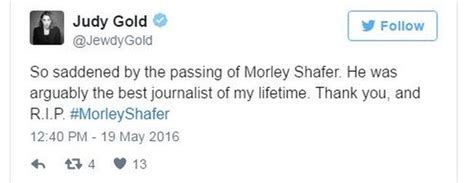
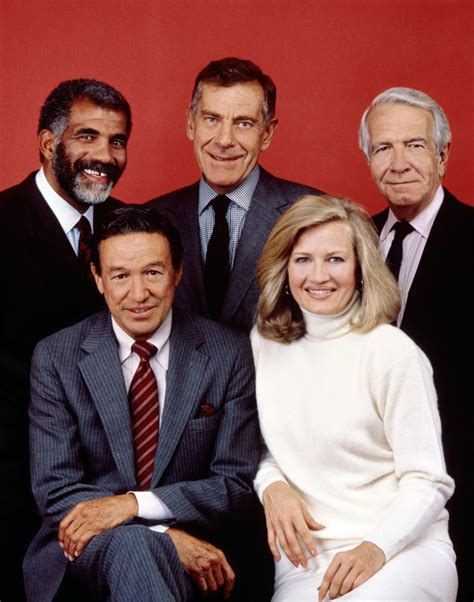
This year marks ten years since the death of one of my all-time favorite journalists, Morley Safer.
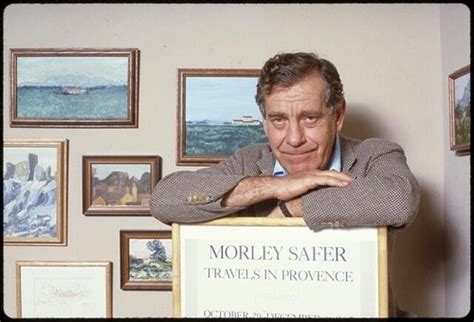
As a kid, watching television news with my father, we admired Safer’s on the ground tell-it-like-it-is approach reporting from Vietnam.
Dad took me to crime scenes on weekends or his days off in the summer. He had investigated these scenes as a Homicide Detective with the San Antonio Police Department. Because of this, I developed a strong interest and found purpose in investigations.
Reporter Morley Safer once learned he was under FBI review. This happened because an agent accidentally left a file with his name on it. The file was sitting open beside a coffee machine at the Saigon, Vietnam press office.
A reporter walked in, recognized the name, and whispered, “Morley… they’re checking your loyalty.”
The file existed for one reason:
In 1965, Safer was a young foreign correspondent for CBS News, bringing stories of the Vietnam War into America’s living rooms. On August 5 of that year, Safer filed a controversial story from the hamlet of Cam Ne.
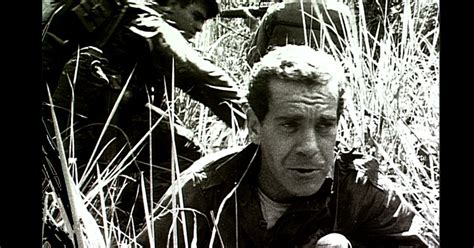
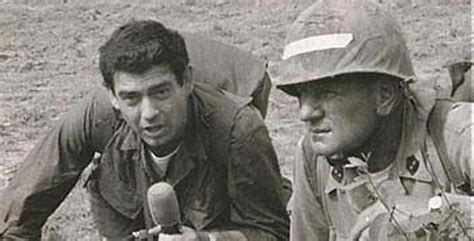
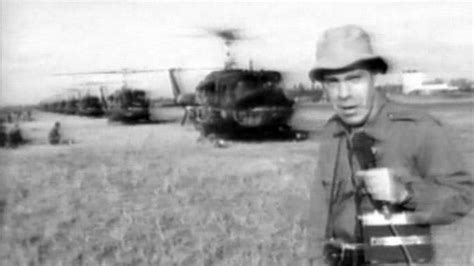
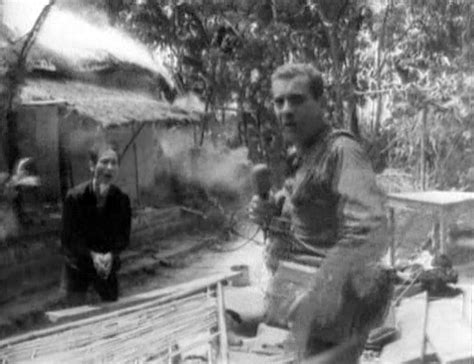
The footage showed U.S. Marines torching thatched huts. They used flamethrowers, Zippo lighters, and matches. Villagers stumbled from their homes in shock.
The footage embarrassed Washington. Someone in power wanted him monitored.
Safer didn’t panic.
He didn’t argue.
He didn’t try to clear his name.
He simply said, “Good. At least they’re paying attention.”
What followed turned into one of the quietest but most telling confrontations of his career.
A U.S. military spokesman summoned him for a meeting and warned that further “reckless reporting” could result in his removal from Vietnam.
Safer answered calmly:
“If accuracy creates trouble, perhaps the trouble isn’t the reporting.”
The spokesman ended the meeting within minutes.
Days later, a young Marine who had seen the Cam Ne segment approached Safer privately.
The Marine said, “We thought you hated us.”
Safer shook his head.
“I don’t. I just won’t pretend I saw something different.”
That conversation spread through the ranks.
Some soldiers still distrusted him. Others respected him more than any official correspondent on the ground.
Months after the FBI incident, Safer returned to New York for a brief assignment. A CBS executive handed him a typed summary of government complaints.
Safer read it, folded the paper, and said, “If they disagree with the report, they can invite me back to film a correction.”
No invitation ever came.
The moment captured who he was: not a rebel, not a dramatist, not a headline seeker.
He was a journalist who understood that truth carries a cost —
and accepted it without flinching.
Morley Safer didn’t gain influence by being agreeable. He gained it because powerful people realized he would report exactly what he saw, even if it put his own name in an FBI folder.
To receive free email notification, when we post new articles like this, sign up below. Clever Journeys does & will not sell or share your information with anyone.
.
IN GOD WE TRUST
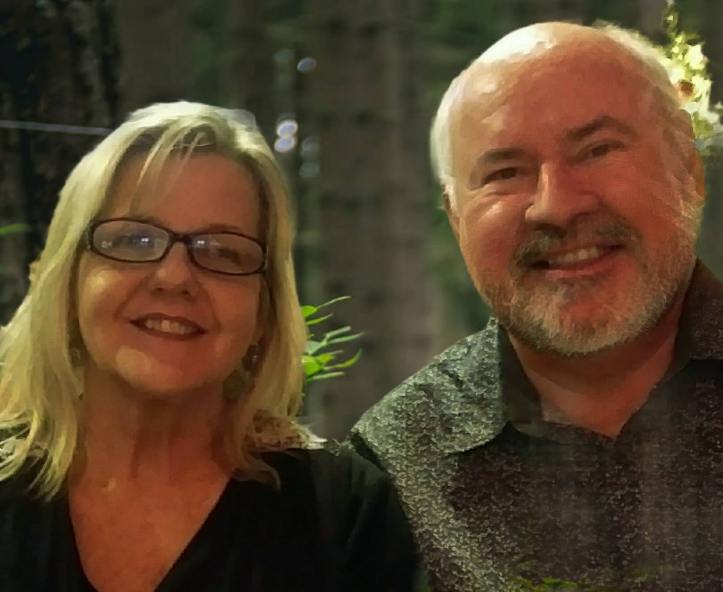
Thanks for supporting independent true journalism with a small tip. Dodie & Jack

CLICK HERE for GREEN PASTURE BENEFITS


Use Code CLEVER10 for a 10% discount on Green Pasture products today!

☆☆☆☆☆
☆☆☆☆☆
☆☆☆☆☆



Wow, Morley Safer was fearless when challenged about his honest reporting. Did they break the mold? 🙂
LikeLike
Yes. I remember fondly reporters like Morley Safer.
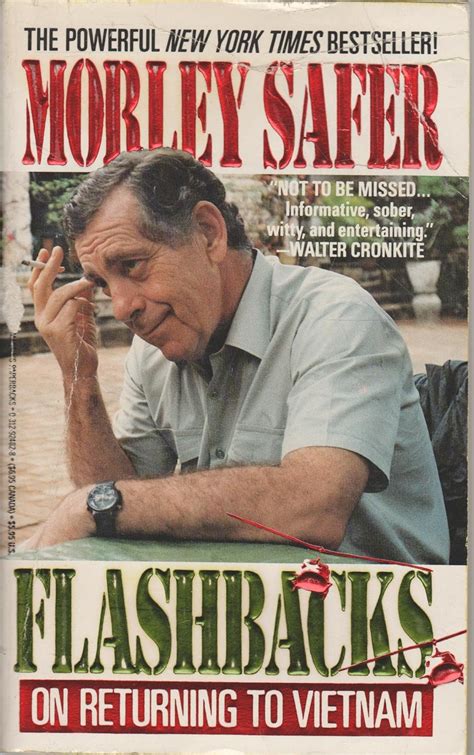
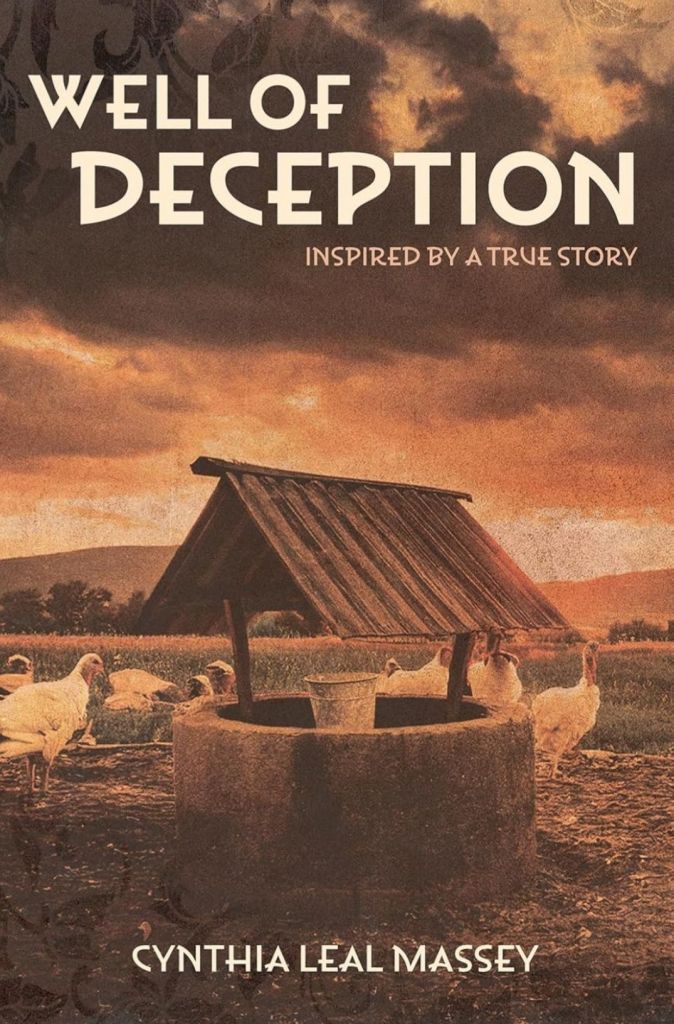
Agh! I went to Amazon to make sure the book you picture above is on my Wish List. “Currently Unavailable”!!
LikeLike
I remember him mostly for “60 minutes”. True journalism at it’s finest. I’m sure Morely and a few others if they were to witness how journalism is broadcasted now. They would be doing more than turning over in their graves.
Wonderful reminder of great journalism in the day.
LikeLike