
When I hear someone give the excuse, “We can’t do that, because we have always done it this way,” it makes my blood boil.”
That phrase is an indicator that no matter what–good or bad–the person or people who say this are closed minded.
Years ago, I gave speeches about the subject to retailers and facility management managers at conferences in places like New York, Orlando, Chicago, Los Angeles, Nashville and Dallas.
In the beginning, during the mid-1990s, there were very few women attending these conferences. As president of the Professional Retail Store Management Association (now CONNEX), I made it a mission to inspire women to become such leaders in a mostly male environment.

Looking back, it is almost hard to believe that the first woman to complete any marathon in the United States, was Arlene Pieper who ran the Pikes Peak Marathon in 1959.
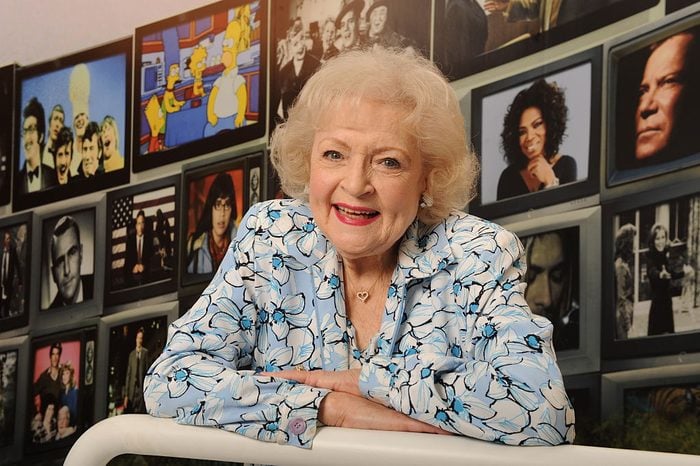
It wasn’t until 1983, that actress Betty White became the first woman to win a Daytime Emmy Award for Outstanding Game Show Host (for NBC’s celebrity panel game show, Just Men!).
That same year, 1983, Vanessa Williams became the first Black woman in the pageant’s six-decade history to win the Miss America title.
In 1987, Aretha Franklin became the first woman to be inducted into the Rock & Roll Hall of Fame.

Among the best examples of the topic comes from 1946, when a frustrated mother cut up her shower curtain—and accidentally invented something that would change parenthood forever.
Marion Donovan was exhausted. Not just tired, but the kind of bone-deep fatigue that comes from endless, invisible work no one notices or thinks to improve. She had two young children, and like every mother of her time, she was drowning in laundry.
Cloth diapers were the only option. They leaked constantly—soaking through clothes, bedding, and furniture. Babies sat in dampness, developing painful rashes.
Mothers spent hours each day washing, boiling, drying, and folding piles of soiled diapers, only to do it all over again the next morning. Everyone accepted it as “just the way things were.”
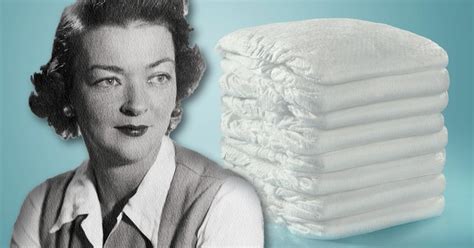
But Marion didn’t. One night, instead of surrendering to another load of laundry, she grabbed a shower curtain, sat down at her sewing machine, and started cutting.
She stitched a waterproof cover that could slip over cloth diapers. Her design was simple—but brilliant.
Unlike rubber pants that trapped heat and caused rashes, her prototype used snap fasteners instead of pins (safer) and allowed air to circulate (healthier for babies). She called it The Boater because it kept babies afloat and dry.
Marion knew she’d created something revolutionary. This wasn’t just about keeping babies dry—it was about giving mothers back time, dignity, and sanity. But when she approached manufacturers, they all said the same thing: unnecessary. “Mothers don’t need this. They’ve managed for centuries.”
They couldn’t see what she did—that women’s endurance wasn’t proof of comfort, but of neglect. So Marion took matters into her own hands. She brought The Boater to Saks Fifth Avenue in New York, convinced them to sell it—and it sold out almost instantly. Word spread not through ads, but through the quiet gratitude of women who finally felt seen.
In 1951, Marion patented The Boater and sold the rights to Keko Corporation for $1 million—around $12 million today. But she wasn’t done. She looked at her invention and thought, We can go further.
She began designing a fully disposable diaper—no washing, no drying, no pins, no covers. Just use it and move on. To her, it was obvious. To businessmen, it was absurd. “Mothers will never throw diapers away,” they told her. “It’s wasteful. Impractical.”
They missed the point entirely. Marion wasn’t inventing waste—she was inventing freedom. Time. The ability to hold your child instead of scrubbing another diaper.
Though her disposable design was rejected in the 1950s, it laid the groundwork for the future. A few years later, Victor Mills and his team at Procter & Gamble developed Pampers—bringing Marion’s vision to life. The world had finally caught up.
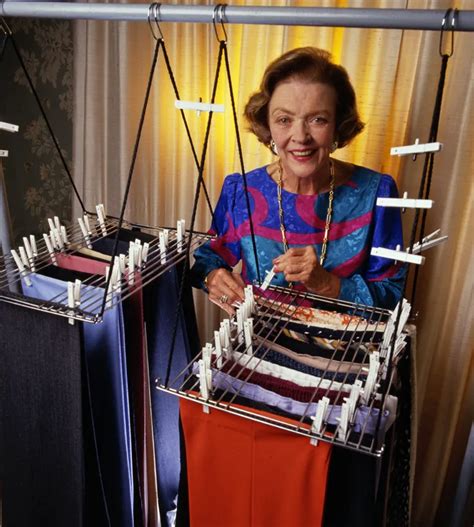
Over her lifetime, Marion Donovan earned more than twenty patents: from improved tissue boxes to dental floss dispensers to closet organizers. She didn’t invent for fame. She invented because she saw problems that everyone else ignored. She refused to accept them as unchangeable.
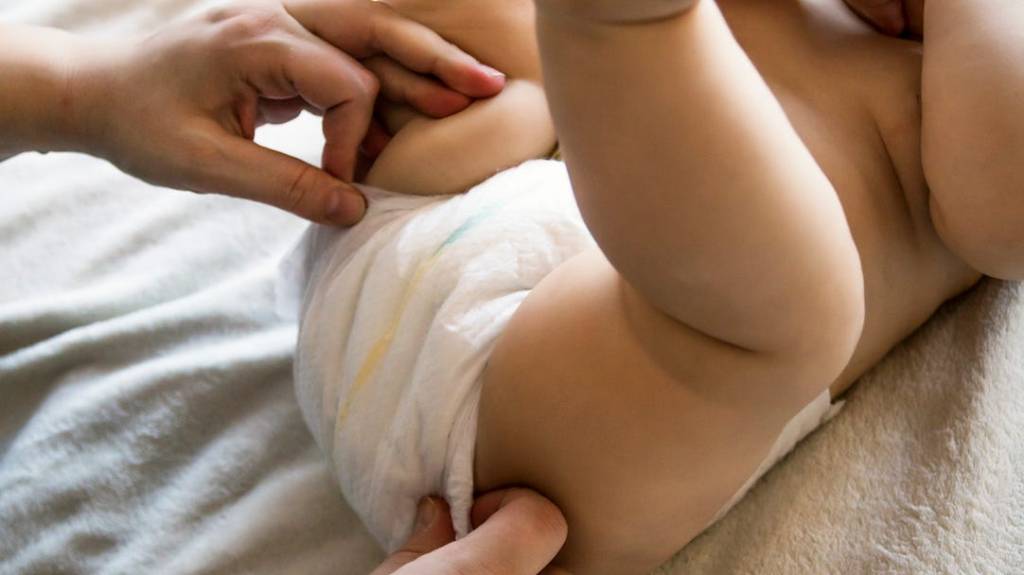
When she passed away in 2014 at age 92, the world she helped shape was unrecognizable from the one she started in. Disposable diapers had become a multi-billion-dollar industry, freeing millions of parents from the grind she once endured.
Marion’s story isn’t just about diapers. It’s about every person—especially every woman—who looks at an accepted burden and dares to ask, “Why do we live this way?”
Innovation doesn’t always come from labs or boardrooms. Sometimes it comes from a shower curtain, a sewing machine, and the stubborn belief that life can—and should—be better.
To receive free email notification, when we post new articles like this, sign up below. Clever Journeys does & will not sell or share your information with anyone.
.
IN GOD WE TRUST

Thanks for supporting independent true journalism with a small tip. Dodie & Jack

CLICK HERE for GREEN PASTURE BENEFITS
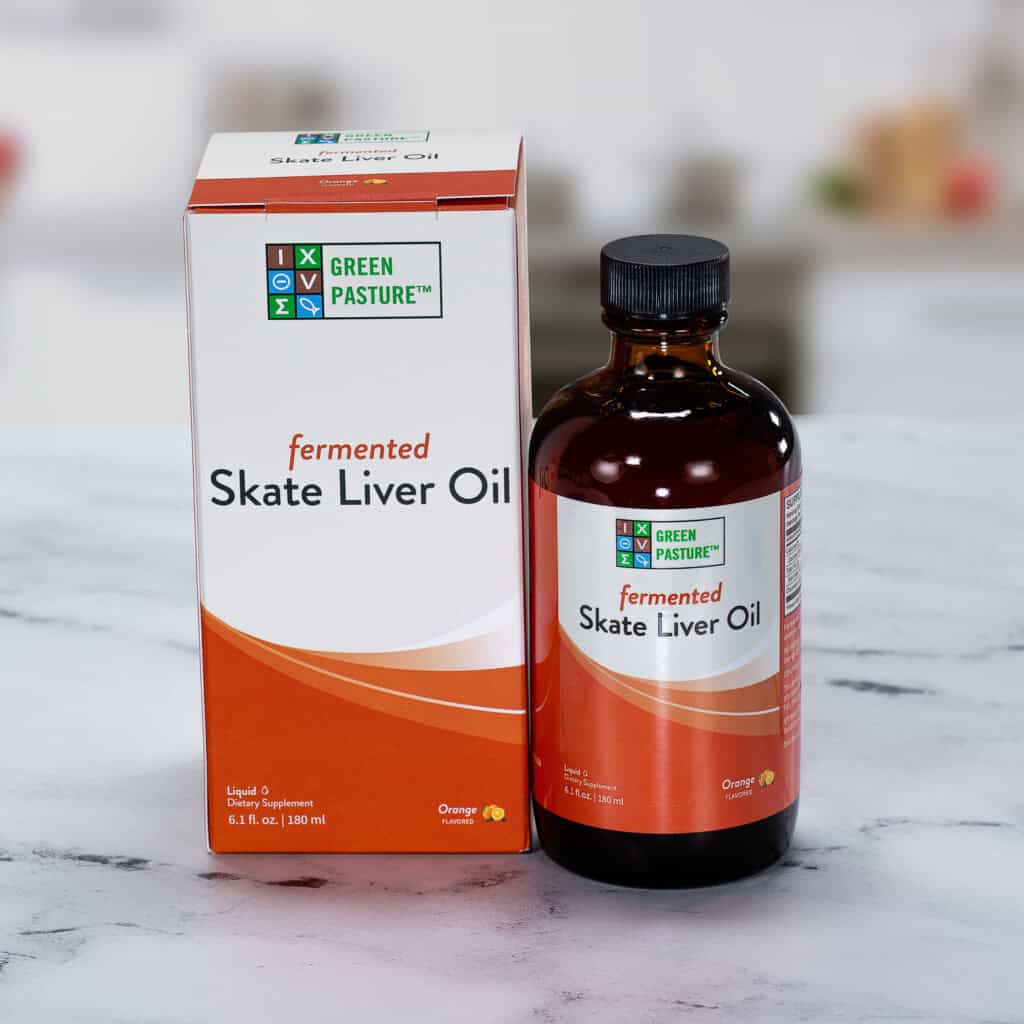


Use Code CLEVER10 for a 10% discount on Green Pasture products today!

☆☆☆☆☆



☆☆☆☆☆



I love her entrepreneurial spirit!
LikeLiked by 2 people
Well remembering my days of babysitting and nannying, washing out those lovely diapers, what she did was history changing. “If you build a better mousetrap…”
LikeLiked by 2 people
Wow! I never heard this story before. Thanks for sharing!
LikeLiked by 3 people
Hope you’re doing well.
LikeLike