

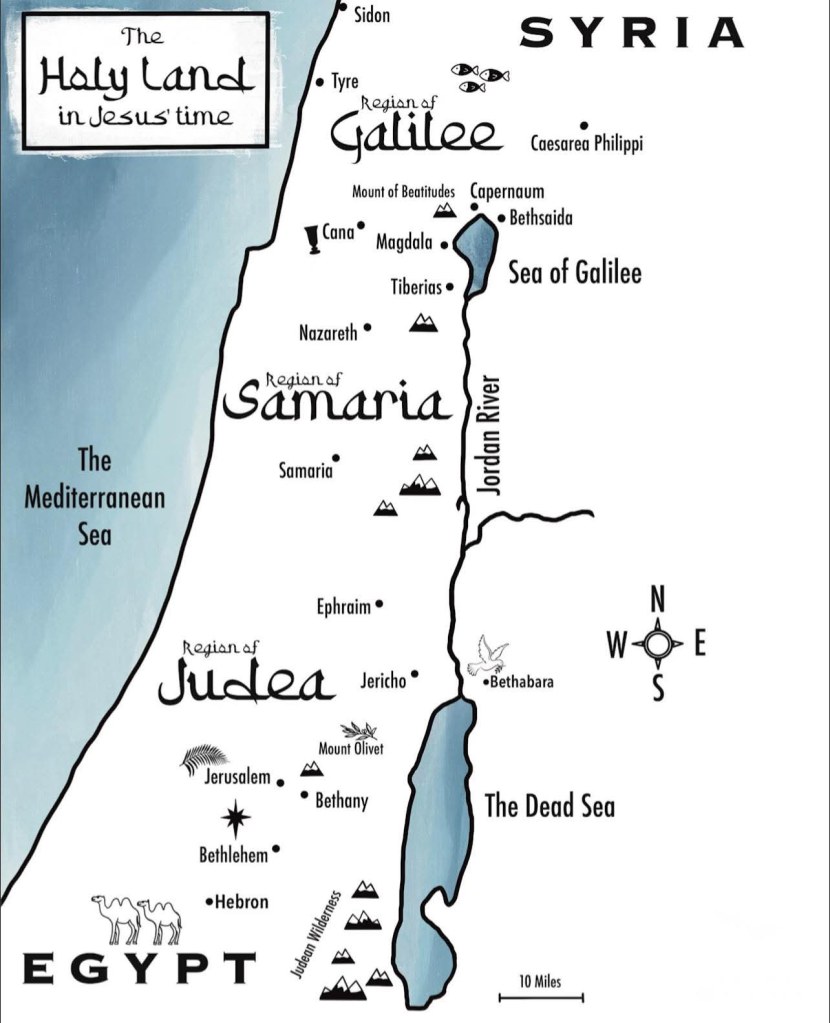
Bethlehem, established more than 4,000 years ago, was the town that first enters the biblical narrative in Genesis 35:19 as the burial place of Rachel, wife of Jacob.
Archaeological surveys of the region confirm settlement activity going back to the Middle Bronze Age, aligning with the patriarchal period described in the Bible.

Even at this early stage, Bethlehem was a recognized Judean settlement—small in size, yet already woven into Israel’s developing story.
During the era of the Judges and the early monarchy, Bethlehem grew in its cultural and theological significance.
The Book of Ruth situates the story of Ruth and Boaz in this fertile agricultural village. This setting is consistent with what archaeologists identify as an economy based on grain, vineyards, and olive cultivation.
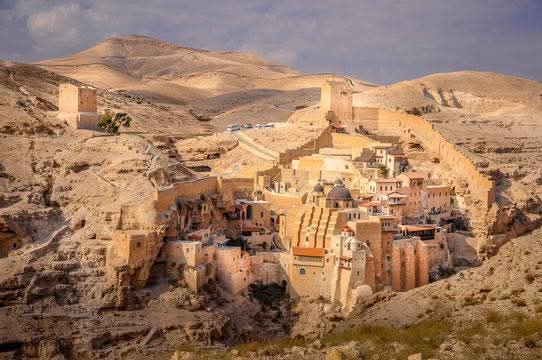
Their union became the foundation of the Davidic line. Excavations around Bethlehem reveal ancient agricultural installations. The area has watchtowers and terraced hillsides. These are physical reminders of the very kind of landscape in which Ruth gleaned. Boaz’s workers labored in this landscape.
David, Israel’s greatest king, was born here. He was later anointed in Bethlehem. This reinforces Bethlehem’s role as a divinely chosen place of leadership.

This connection laid the groundwork for one of the most striking examples of fulfilled prophecy in Scripture. The prophet Micah identified Bethlehem—small, humble, and seemingly insignificant—as the birthplace of the future ruler of Israel (Micah 5:2).
Centuries later, Jesus Christ was born in that very town.
The Gospel accounts place Mary and Joseph in Bethlehem due to a census. Archaeological studies of first-century homes, limestone caves, and animal enclosures in the region provide a realistic backdrop. These findings support the nativity narrative.
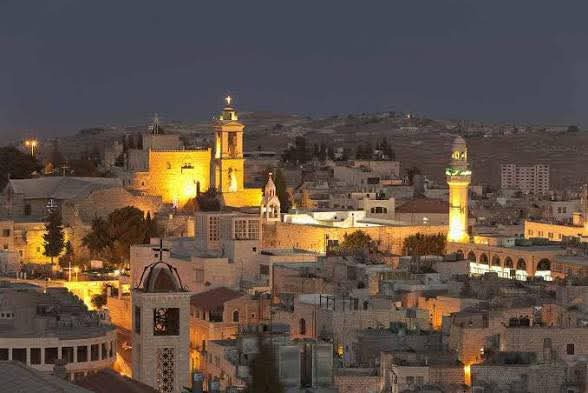
Far from mythic embellishment, the setting matches what is known of Judean village life in the time of Jesus.
In the first century, Bethlehem remained a modest farming community. Shepherds tended flocks in the surrounding fields—fields still visible today—mirroring the pastoral imagery common throughout Scripture.
The agricultural simplicity of Bethlehem only magnifies the theological message: God chose an unassuming village for the arrival of the Messiah, demonstrating His pattern of working through the humble and unexpected.

Today, Bethlehem has grown into a small city within the West Bank, yet archaeological remains and cultural traditions preserve its ancient character. Tourism now drives much of its economy. However, the terraced hills, olive groves, and centuries-old pathways still reflect the town’s agricultural origins.
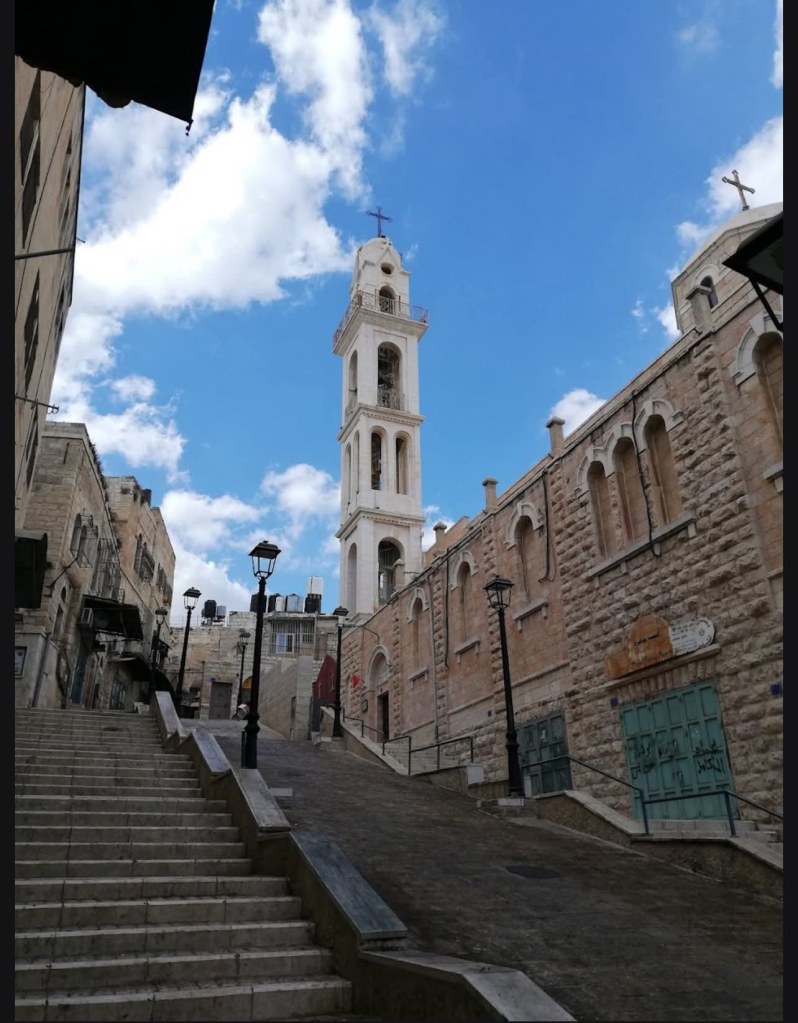
The Church of the Nativity stands over a fourth-century shrine. It is one of the oldest continuously used Christian worship sites in the world. Its endurance reinforces the deep historical roots of the events recorded in Scripture.

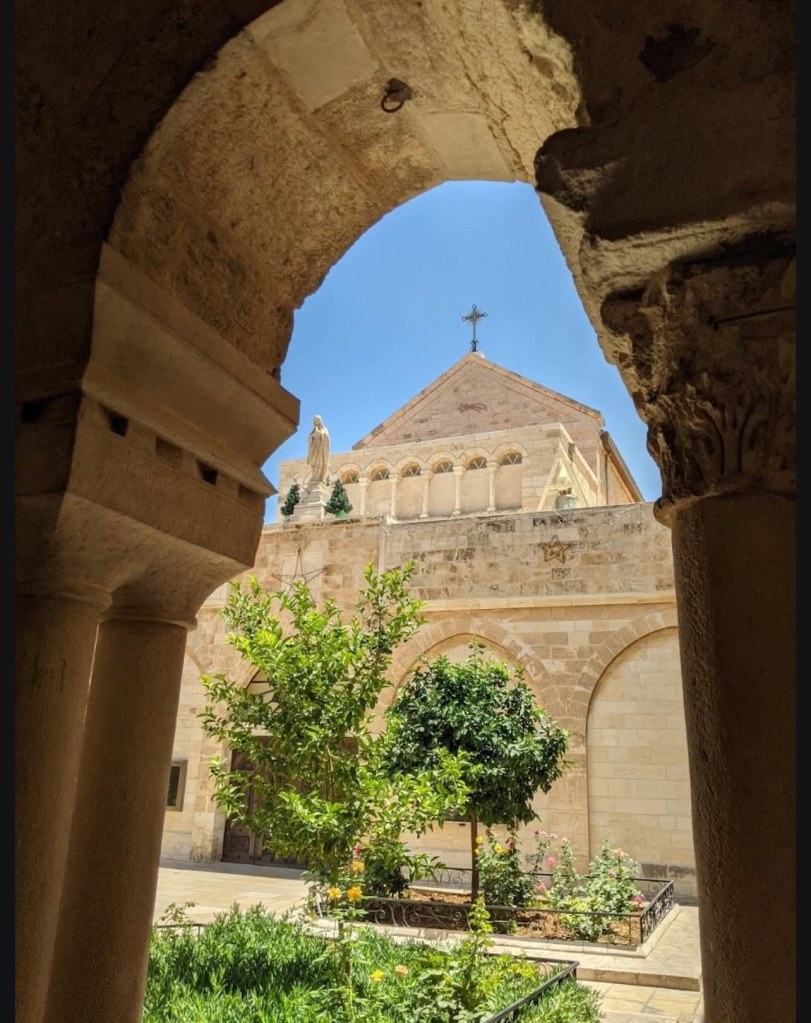
Bethlehem’s most significant biblical sites are also grounded in real geography with varying degrees of certainty. The Church of the Nativity preserves a very ancient tradition of Jesus’ birthplace. It is likely the correct general area. However, the exact marked spot is traditional rather than archaeologically proven.
Rachel’s Tomb has been revered for over 2,000 years. It is probably in the right region. This is even if the medieval structure does not mark the precise burial location.

David’s home, nonetheless, cannot be identified due to limited excavation and lack of direct evidence.
Despite these uncertainties, the consistent geography and long-standing traditions surrounding these sites strongly support the historical reliability of the biblical narrative. They highlight Bethlehem as a living crossroads of archaeology, prophecy, and faith.
receive free email notification, when we post new articles like this, sign up below. Clever Journeys does & will not sell or share your information with anyone.
.
IN GOD WE TRUST

Thanks for supporting independent true journalism with a small tip. Dodie & Jack
CLICK HERE for GREEN PASTURE BENEFITS

Use Code CLEVER10 for a 10% discount on Green Pasture products today!

☆☆☆☆☆

☆☆☆☆☆
☆☆☆☆☆
☆☆☆☆☆
ASEA Wellness Fueled on Human Potential


Immune Support: Supports cellular health and normal immune function.
Heart Health: Helps maintain healthy circulation and vascular function.
Brain Function: Supports mental clarity and helps reduce oxidative stress.
Digestive Support: Supports digestive enzyme activity and nutrient uptake.

Hormone & Mood Balance: Helps maintain healthy energy and mood signaling.
For more information on ASEA products click here or contact Elizabeth Hajek at 210-779-0994.


 Clever Journeys
Your perspective on Bethlehem-the way you described its history and modern life-was especially interesting. Thanks! 🙂
LikeLiked by 3 people
I was just going to look up Bethlehem to see if they had vineyards, and you answered my question. “Bet-lechem Ephrata,” House of Bread-Fruitful.” Or, House of Bread and Wine, the Body and Blood of Jesus Christ.
I love this article. Merry Christmas!
LikeLiked by 2 people
Blessed Christmas to you as well our friend❗🥰🎄🙏🎁🫶💚
LikeLiked by 2 people