Recently I talked with a pharmacist friend I have known for over 15 years. I asked him to explain the kind of pressures he deals with that most of the general public might not be particularly aware of.

He smirked and giggled a bit, but then paused to think about the question.
“Most people don’t know how isolated and continuously busy we are,” he began. “It never stops and we have to be on top of our game. If we were to make an error, it could have terrible consequences.”
“It is not that infrequent for someone to walk up to our counter. They just cannot afford a particular medication and will unleash their misguided anger on a pharmacy tech,” he continued. “A patient who is confused will do the same. We need to be on high alert because we’re responsible for dispensing pharmaceutical prescriptions on a daily basis. There are such interruptions.”
“It’s a constant pressure to be very accurate and helpful. It’s like a conveyor belt constantly bringing new and unexpected challenges with an array of issues.”
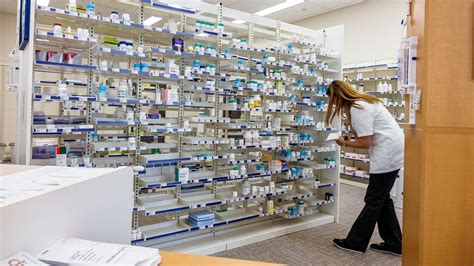
“I don’t like the term, ‘Big Pharma,’ because it reflects negatively on us, but I can understand why. There are too many games played out there in the industry based on selling and profit.”
He looked me in the face with sincerity and noted that “the bottom line is, I became a pharmacist to help people with their health issues, but this business has many issues beyond health.”
Suicide rates among pharmacists in the United States are nearly double those of the general population. This underscores the broader mental health challenges facing health care professionals.
The 2024 National Pharmacist Workforce Study by the Pharmacy Workforce Center highlights unique pressures within the industry.
• 73% of full-time pharmacists rated their workload as “high” or “excessively high.”
• 91% of these responses came from pharmacists employed by chain or mass merchandiser pharmacies.

Suicide remains the eleventh leading cause of death in the United States, claiming more than 49,000 lives each year. Members of the pharmacy workforce are not immune, facing unique pressures that take a toll on their mental health.
Healthcare workers, in general, face elevated rates of burnout, depression, anxiety, post-traumatic stress disorder (PTSD), and suicide.
Being a pharmacist often results in working long hours, getting inadequate sleep, and high levels of stress.
One major error in dosing the medication they provide can result in job loss. They need to make sure that they follow proper protocol and are essentially perfect in the dispensing of medications.

The perfectionist nature of this job results in further stress upon the pharmacist. Additionally, some pharmacists are required to work shift hours at 24-hour pharmacies. This schedule is well-established to be detrimental to a person’s mental health.
They are responsible for informing patients of medication side effects and dealing with collecting payments for certain medications.
Also considering the fact that a pharmacist has easy access to drugs and a general knowledge of dosing and pharmacology, it makes suicide via overdose a more common option.
One might assume pharmaceuticals is the primary way pharmacists commit suicide. Actually, firearms are the primary way followed by drugs and hanging.
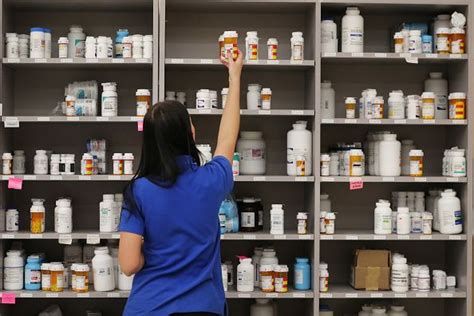
Although it is not entirely clear which specific medications are associated with higher levels of suicide-related behavior, real-world data from the FDA adverse event reporting system database have been analyzed to identify medications correlated with suicidal ideation or self-injurious.
The top five medications related to suicidal ideation or self-injurious were alprazolam, zolpidem, amphetamine, quetiapine, and fluoxetine. Further analysis showed that suicide-related adverse events were more frequently reported in females.
Antiepileptics had the highest frequency of reported adverse events in the 51–55 year age group, compared to 16–20 years for antidepressants and 46–50 years for sedative-hypnotics.
☆☆
To receive free email notification, when we post new articles like this, sign up below. Clever Journeys does & will not sell or share your information with anyone.
IN GOD WE TRUST
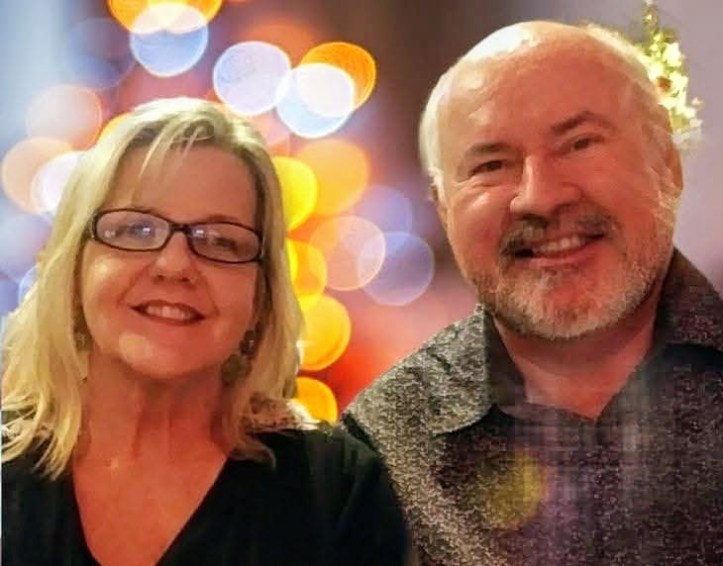
Thanks for supporting independent true journalism with a small tip. Dodie & Jack

CLICK HERE for GREEN PASTURE BENEFITS

Use Code CLEVER10 for a 10% discount on Green Pasture products today!

☆☆☆☆☆



☆☆☆☆☆

 Clever Journeys
Standing Together: Third Annual Pharmacy Workforce Suicide Awareness Day
Woman in Pharmacy – Insert was Blank | The Road
LikeLiked by 1 person
And on top of all that, a single injurious mistake can send a pharmacist to jail. Remember Mr. Gower in “It’s a Wonderful Life?” The pressure on those people is nonstop. It’s high enough in the health care industry anyway; you feel the responsibility every single minute of having people’s lives and well-being in your hands, and if you don’t you shouldn’t be in it.
It’s kind of a trap, because you think you are in it to help people, and feel guilty if you want to quit because it is affecting you, yourself badly. But caregivers of any stripe often fall into the trap of thinking it’s wrong to think of themselves. And you can’t help anybody if you are a mess.
What a good look inside a pharmicist’s mind.
LikeLiked by 3 people
Forgot all about the pharmacist in that movie…and you even remember his name. I used to watch it every December.
LikeLiked by 1 person
Great movie.
LikeLiked by 1 person
💙
LikeLiked by 1 person
Wow. I did not realize this; but I can sure see it! What great pressure. I will be sure to thank my pharmacist and always be patient with them and say kind words! Thank you for this report, Jack.
LikeLiked by 2 people
This sure is an eye-opener to read.
LikeLiked by 2 people
These overworked pharmicists also have to catch the mistakes doctors make when prescribing meds.
LikeLiked by 2 people
Definitely an overlooked profession of hidden stress. I have noticed at some pharmacies the large turnaround in staff. Even the assistant is working hard along side the pharmacisit. No I don’t consider them Big Pharma. The acutal drug companies themselves are toxic. If meds work why are there refills. Better yet more meds for the side effects of the other meds.
LikeLiked by 2 people