
What has been the use of the CDC, FDA, or even the American Heart Association?
Why are Congress and Senate members becoming wealthy from Big Pharma?
Why have heart attacks in Americans aged 25 to 44 increased? The increase has been 31% since the first two years of the COVID-19 pandemic.
At the turn of the twentieth century, heart attacks did not exist – at least not in the medical books.
Doctors at that time never heard of the term “coronary thrombosis.”
The first reported heart attack occurred in 1896 and the condition did not even have a name.

Several years later the New England Journal of Medicine did a write up about this new condition. It was curious but very rare. They called it “myocardial infarct.”
Today half the population of America dies from “cardiovascular disease”.
What happened during a century’s worth of time span that so changed the picture?
• Processing of foods which reverses nature’s ratios of potassium to sodium.
• Unnatural farming practices using cationic herbicides and pesticides.
• Increased use of pharmaceutical drugs, over 90% of which are strongly cationic.
• Increased use of sugar which inhibits ionic mobility.
• Chlorination and flouridation of drinking water.
• Not drinking enough pure clean water.
• The use of strongly cationic aluminum cans for food and drinks.
• The use of cationic chemical additives and preservatives in food.
• Exposure to thousands of cationic chemicals in the environment.
• The consumption of homogenized milk.
• The consumption of polyunsaturated and hydrogenated oils.
Zeta Potential
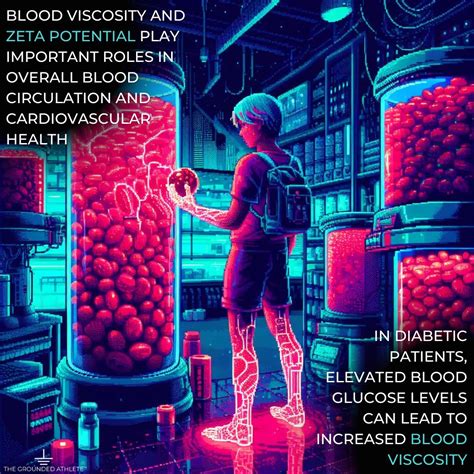
The mix of anionic and cationic forces in our bodies is askew. This imbalance lowers blood “zeta potential.” It clogs things up.
Add them all up and you have cardiovascular stress, unheard of years ago, but is “normal” today.
Much of this article is based on the research and work of three individuals. You likely never heard of them, but you should have. Their last names are Privitera, McDaniel and Riddick.
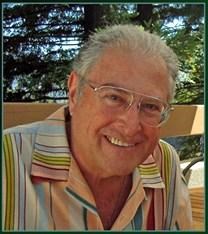
James Privitera, M.D., wrote the book “Silent Clots – Life’s Biggest Killers”. He believes there should be live blood microscopy in every emergency room.
• It would evaluate all stroke and cardiovascular patients.
• It would also assess others with acute medical conditions to determine the presence of clotting.
Clotting can clearly be seen in live blood under the microscope through platelet and red blood cell aggregation. It is a clear sign that “zeta potential” has fallen and life is threatened.
Studies that Dr. Privitera has conducted are telling. Out of 45 patients studied with circulatory complaints, all had recognizable clots. These clots were bigger than the size of two red blood cells. 31 out of the 45 also tested with abnormal cholesterol HDL levels.

In a study of 28 patients with angina, 27 of those, or 96%, showed significant platelet clotting.
We now know that in eighty percent of heart attacks, patients do not experience prior chest pain.
If live blood microscopy were part of a routine check-up, it could identify the potential for a heart attack early.

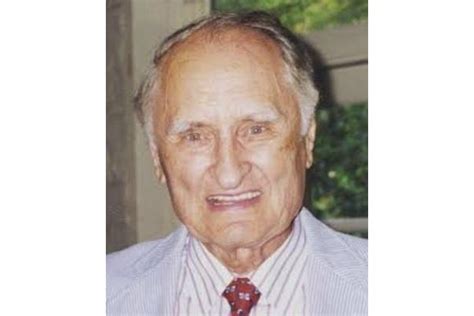
Dr. T.C. McDaniel, D.O., was 56 years old many years ago and he was having definite cardiovascular problems. His heart was constantly skipping beats.
He went to the best heart experts in the field, and they could not help him. He searched for answers and then stumbled upon the concept of “zeta potential.” It was a revelation.
Blood, which is a suspension, begins to sludge as zeta potential falls. Zeta potential is directly related to the mix of anions, cations, and non-ions in that suspension.
Armed with this information, he mixed up and took his own “anionic surfactant”. He drank more pure water. He eliminated the bad cations from his diet. As a result, his PVCs disappeared.
Dr. McDaniel wrote a book “Disease Reprieve – Living Into the Golden Years.” It illustrates the knowledge he uncovered. It also shows how he put it into practice.
He showed people how to eliminate cardiovascular problems in their life, and to eliminate kidney stones in about 5 hours without any surgical intervention.
He discovered how to prevent the stones from ever returning.
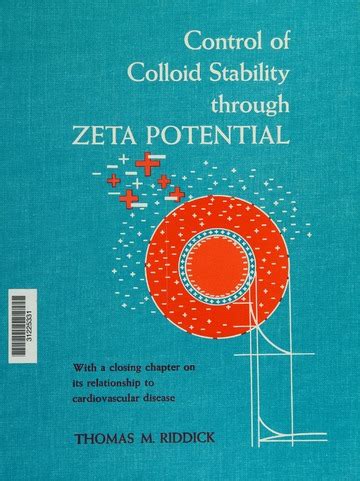
I was a founder and president of PRSM (Professional Retail Store Maintenance Association, now CONNEX) in the late 1990s. During that time, I came across the name of Thomas M. Riddick.
He was a brilliant consulting engineer and chemist who intensively studied basic principles of “colloid stability.”
Originally, the challenge arose from his observation of the phenomenon exhibited by a natural system. He wondered: Why could certain river waters be readily coagulated at one season of the year? Why was it difficult at another?
He concluded that the logical avenue of approach to understand coagulation involved “zeta potential.”

He quickly realized that the existing methods for making zeta potential measurements were not very practical. This was especially true in view of the number of determinations necessary to fully explain his observations.
Riddick’s immediate concern was the development of accurate instrumentation. It was needed for easier determination of electrophoretic mobility. “Zeta Potential” values stem from this.
The result was a new design of “electrophoresis” cell. It also included a new method of illumination for viewing and tracking the colloid.

He went on to solve a basic coagulation problem in the laboratory. He proved his point by successfully incorporating his findings into the design.
He was so successful that his ideas bled over into the health field.
Riddick attempted to deduce why unhealthy blood zeta potentials were so common. He found them in the majority of the eyes he looked at. He realized our society had contaminated the food supply with cations that were destructive to zeta potential.
Examples included:
•Potassium being replaced by sodium in most processed foods.
•Aluminum being used in most municipal water systems.
•The widespread use of aluminum kitchenware.
•Aluminum being added to many foods (e.g. most salt has aluminum added to keep it from caking. This may explain why salty meals are often observed by hospitalists to cause heart failure exacerbations).

•Many medications like antacids being full of aluminum and other problematic cations.
•Many foods being stored in metal cans (acidic foods leach these metals), especially cans that are aluminum.
Riddick also performed experiments that showed consuming water stored in aluminum significantly impaired microcirculation.
There have been cases of patients with longstanding zeta potential impairments having a stroke a few hours after eating a meal that was cooked in aluminum.
☆☆
To receive free email notification, when we post new articles like this, sign up below. Clever Journeys does & will not sell or share your information with anyone.
IN GOD WE TRUST

Thanks for supporting independent true journalism with a small tip. Dodie & Jack
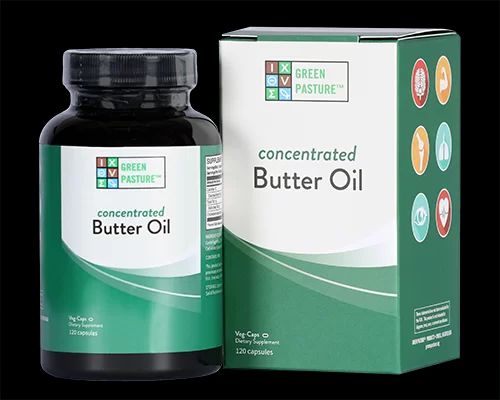
CLICK HERE for GREEN PASTURE BENEFITS

Use Code CLEVER10 for a 10% discount on Green Pasture products today!

☆☆☆☆☆



☆☆☆☆☆

 Clever Journeys
You can’t beat an iron skillet and a glass jar. Thanks for the super informative Heart health information. 🙂
LikeLiked by 3 people
Amen to that, and add wax paper instead of plastic wrap. Excellent snack list/ Add cranberries, beets, and cabbage for really good heart foods. We have what we need to heal and get out of this mess.
LikeLiked by 1 person
YES to both of your comments! 💯
LikeLiked by 1 person