
The Western genre has been a defining hallmark of cinema since they first rose to prominence almost a century ago.

It reached its pinnacle in the 1950s and 1960s. The Western became emblematic of American film. Screen icons like John Wayne, James Stewart, and Gary Cooper were prolific stars of the genre.
Italy’s spaghetti Westerns emerged and, much to Clint Eastwood’s credit, became immensely popular in the 1960s. As a result, the Western has become a cherished pillar of cinema’s identity on the global stage.
In 1976, I had the privilege of interviewing Clint Eastwood at the McNay Art Institute in San Antonio, Texas.
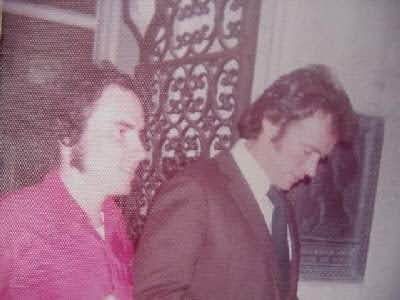
He couldn’t have been more kind and patient with a young journalism student. Almost 50 years later, he remains my favorite actor.
Here are the Top 6 Clint Eastwood movies of all time (ranked by popularity and box office draw).
The Good, The Bad, and The Ugly (1966)
With Morricone’s timeless and ubiquitous score, its stunning visuals, exceptional performances, and its engrossing tale of greed, The Good, the Bad, and the Ugly is the greatest Western of all time.

It follows the uneasy alliance formed between “Blondie” (Eastwood) and the slippery Tuco (Eli Wallach). Each man knows half of the secret to the whereabouts of a stash of Confederate gold. All the while, they are pursued by the vicious killer Angel Eyes (Lee Van Cleef) who wants to get his hands on the treasure as well.
The Good, the Bad, and the Ugly is a masterpiece of cinematic immersion, using everything from the sweeping cinematography to the pacing and the music to engross the viewer in the Old West, a cut-throat world of betrayal and greed.
It manages to be an exuberant and fun watch, with the comedic chemistry between Eastwood and Wallach a treat as their characters try to outwit and manipulate one another. Culminating in one of the greatest scenes ever filmed, is still revered as one of the finest films ever released.
The Unforgiven (1992)
Nearly 30 years after he became a staple of Western cinema, Clint Eastwood was just about ready to hang up the ten-gallon hat and leave his spurs behind, but not before giving one final, fond farewell to the genre that made his career.
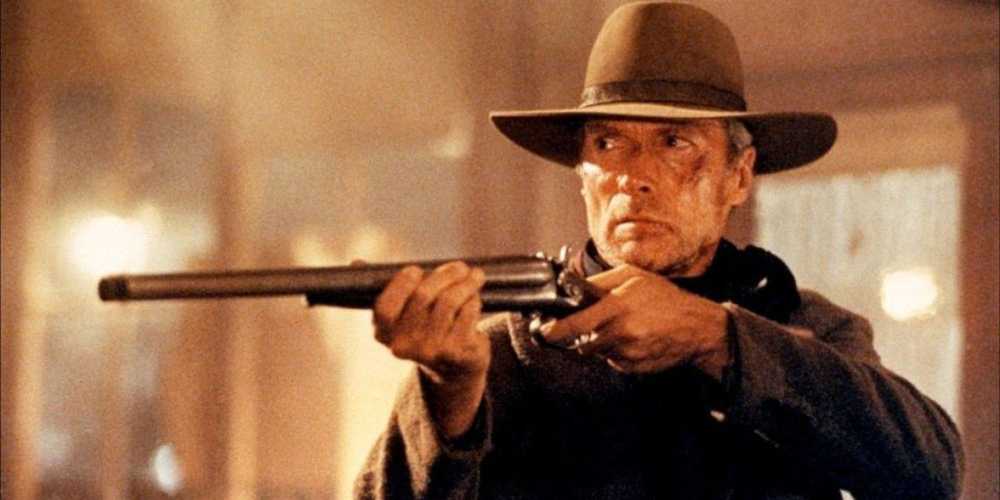
A masterpiece that gives substantial weight to the violence on display, Unforgiven follows long-retired gunfighter Will Munny (Eastwood) as he takes up arms again to track the bounty on a cowboy who disfigured a prostitute’s face.
Munny’s ruthless backstory casts an ever-present shadow over the character and the story. Unforgiven strips away the myth and romance of the Old West.
It instead revels in the harsh realities of life in that era. Marking what is undoubtedly Eastwood’s most committed work in the genre, Unforgiven saw him put in a career-best performance.
He was also recognized by the Academy Awards. The film won Best Director and Best Picture. It achieved four total wins among nine nominations.
For a Few Dollars More (1965)
The second film of Sergio Leone’s Dollars Trilogy, For a Few Dollars More sees Clint Eastwood reprising his role as the poncho-wearing Man with No Name. Lee Van Cleef entered the fray as his unlikely ally.
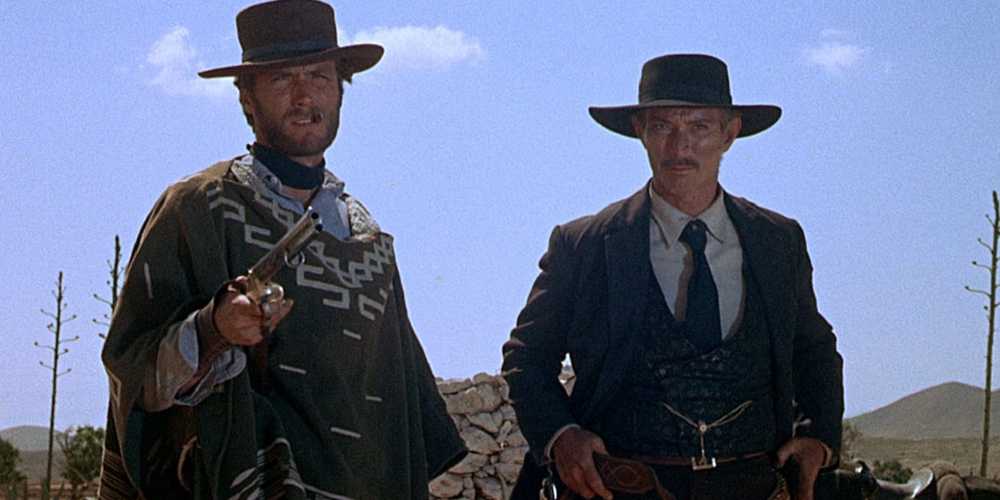
It centers on the uneasy bond between a bounty hunter and a former army officer. They pursue El Indio (Gian Maria Volonté), a cold-blooded bank robber and murderer. El Indio is a rapist who is at large after being broken out of prison by his gang.
Few Westerns were able to realize grizzled gunslingers quite like Leone’s Dollars Trilogy. While many of the greatest examples of the genre have subverted or challenged violence as a central trope, For a Few Dollars More actively embraced it.
The film was heart-racing and engrossing. It was intense and made outstanding use of Ennio Morricone’s sublime score. It became a glorious display of spaghetti Western cinema.
A Fist Full of Dollars (1964)
Sergio Leone’s Dollars Trilogy is one of the greatest trilogies ever made. It also serves as a major influence on Western cinema over the past 60 years.
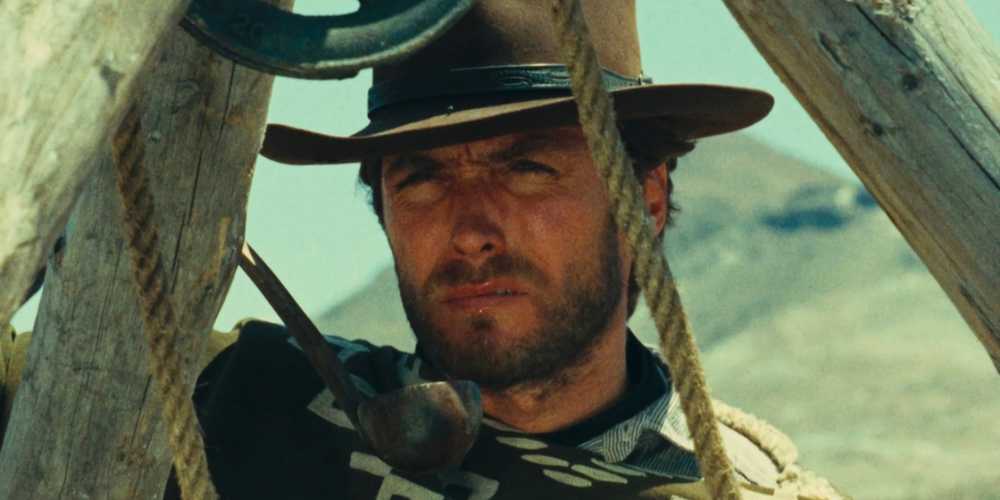
A Fistful of Dollars took inspiration from the samurai films of Akira Kurosawa. It was a Western re-imagining of the Japanese director’s 1962 picture, Yojimbo.
It follows Eastwood’s nameless protagonist. He arrives in a town split by two feuding criminal factions. He plays the gangs against each other.
The film had a low budget and few English-speaking actors. Clint Eastwood, a relative unknown, was starring. Because of these factors, the film seemed doomed to fail. However, its lack of polish gave it a gritty authenticity that America’s blockbuster Westerns lacked.
The rougher aesthetic was complemented by a grimier story. An out-for-himself anti-hero remains the best gunslinger in film. A Fistful of Dollars‘ unexpected financial success helped it pioneer spaghetti Western cinema. It became one of the best movies the sub-genre has to offer.
The Outlaw Josey Wales (1976)
Clint Eastwood’s service to Western cinema has perhaps never been more evident. This was especially true in The Outlaw Josey Wales. It is a film in which he directed and starred.
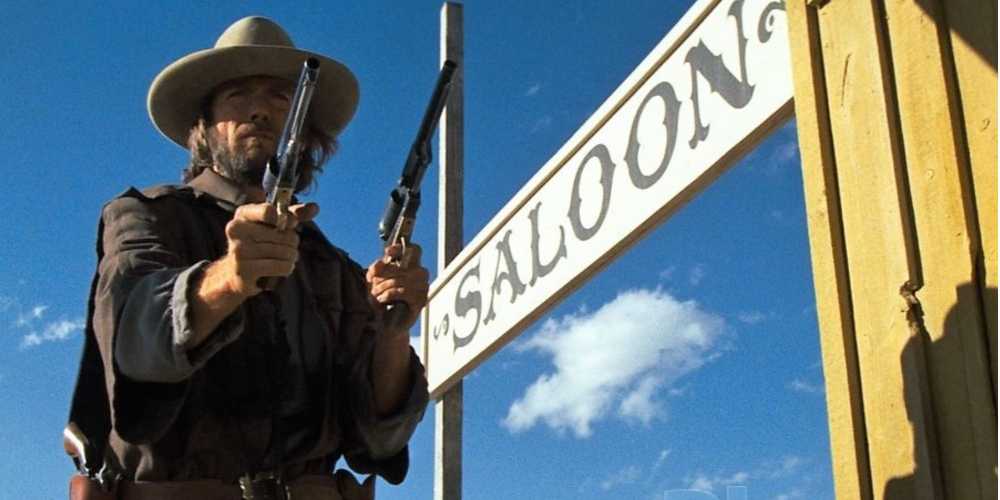
A revenge thriller dressed up as a Western, it follows a Missouri farmer who embarks on a quest for revenge when his wife and son are murdered by Union soldiers.
Joining a Confederate guerrilla unit to get closer to his target, he becomes a notorious and feared gunslinger.
While a gritty and grimy picture that hearkens back to Eastwood’s work on the Dollars Trilogy, The Outlaw Josey Wales has more sensitivity on display and also doubles as an effective and damning anti-war film.
With a sharper sense of humanity and more regard for the consequences of violence, it can be viewed as an evolutionary step in the context of Eastwood’s career in Western cinema, as well as a powerful film in its own right.
High Plains Drifter (1973)
High Plains Drifter marks Clint Eastwood’s second effort as a director. It is his first in the Western genre. This film is an impressive achievement, especially considering he also occupies the starring role with no small amount of presence.
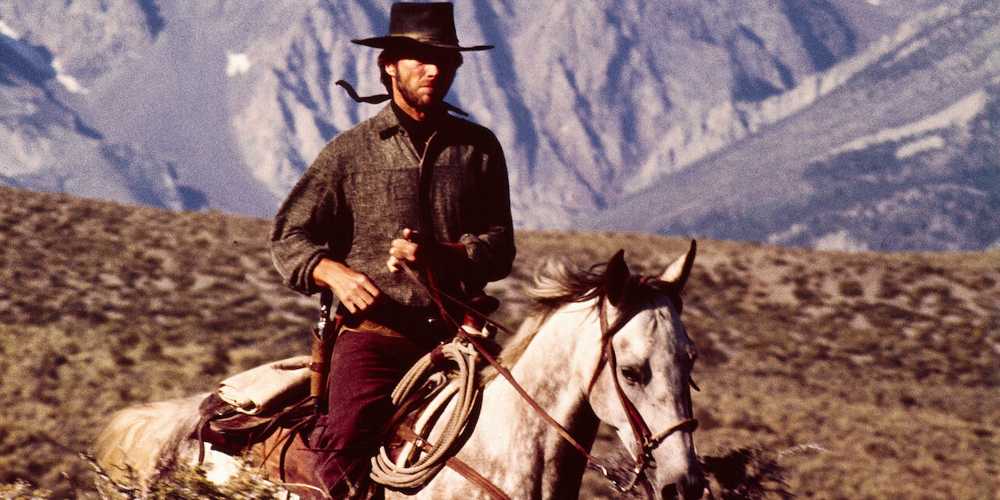
It follows a nameless gunfighter who drifts into a small town. He is hired to help the townspeople defend their homes. Three ruthless bandits are soon to arrive in the area.
Eastwood excels on both sides of the camera. His performance is an attention-grabbing enigma of harsh violence and dry humor. His direction is defined by his sharp and snappy camerawork.
It went on to be a significant box office success. It became a rousing tale of defiance that has endured impressively over the course of 50+ years. It remains one of Eastwood’s strongest directorial outings.
IN GOD WE TRUST


Thanks for supporting independent true journalism with a small tip. Dodie & Jack

CLICK HERE for GREEN PASTURE BENEFITS

Use Code CLEVER10 for a 10% discount on Green Pasture products today!


☆☆☆☆☆
☆☆☆☆☆

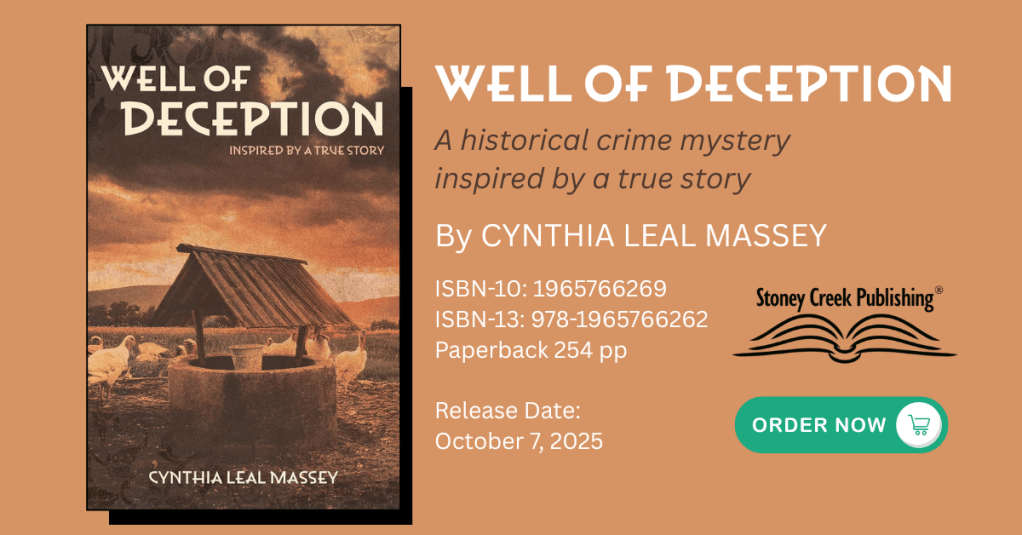
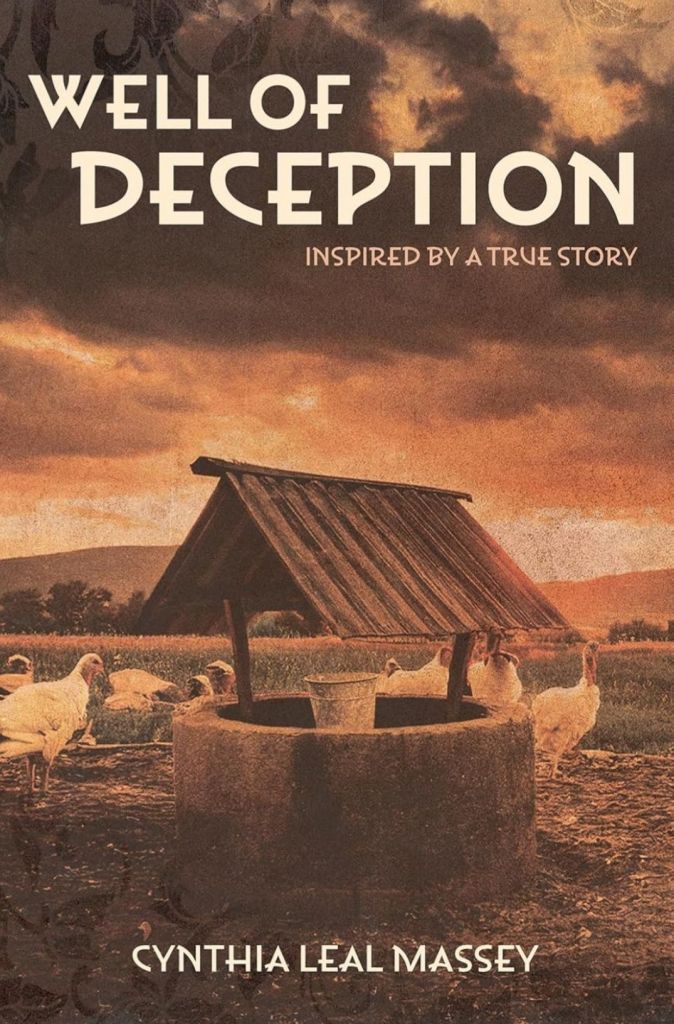
By award-winning Texas author Cynthia Leal Massey.
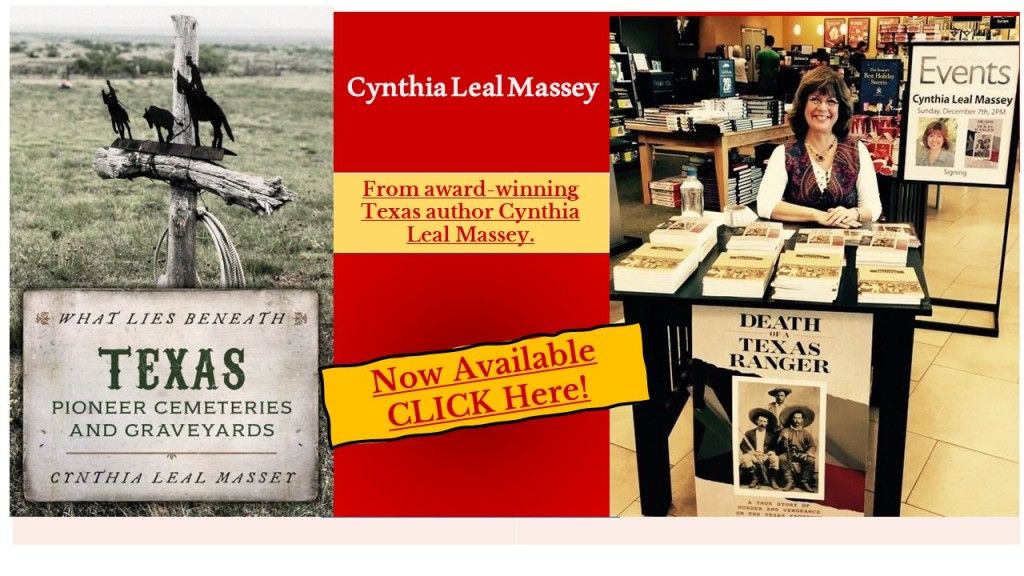
See details here!


Thank you for sharing this article.

 Clever Journeys
Eastwood definitely had a record-breaking career. Few have even come close to his presence as an actor AND director. I would have included Hang ‘Em High and Pale Rider in this list. Amazing he has been great in action movies, war movies, and others. Yep. He is my favorite actor.
LikeLiked by 5 people
No doubt.
LikeLiked by 2 people
My favorite performance of Clint Eastwood’s is “The Chair.” 🙂
LikeLiked by 5 people
100%. I’ve even written about it before.
LikeLiked by 2 people
Great read,that’s awesome that you interviewed him.he sure was a great actor.
LikeLiked by 1 person
Tim, I can’t seem to get you on Facebook anymore. My old FB profile (Jack) was compromised. Now it’s “Jackie.” That’s why I can’t do any of your fun posts anymore.
LikeLiked by 1 person
That is cool you interviewed Clint, He is up there with my favorites
LikeLiked by 2 people
He was very nice. Years later, I met him again in Carmel, California. Quite a gentleman.
LikeLiked by 1 person