Still honored today in various Texas, Oklahoma, Kansas, and Missouri towns and cities. Cattle trail rides continue to be part of our celebrated heritage.
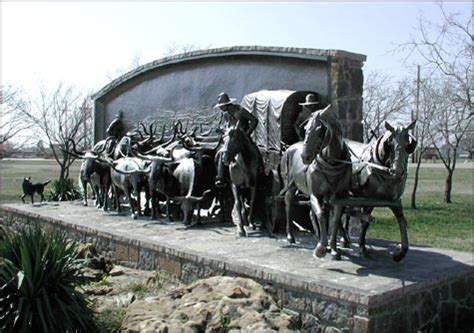
It has been estimated that, between 1867 and 1890, approximately 10 million cattle went up the various trails in Texas.
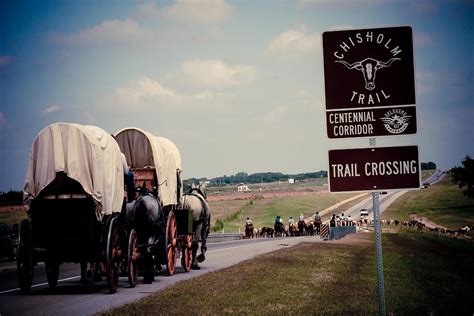
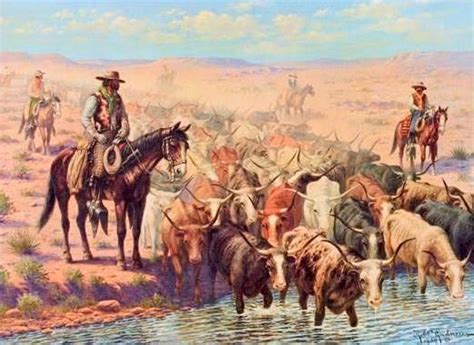
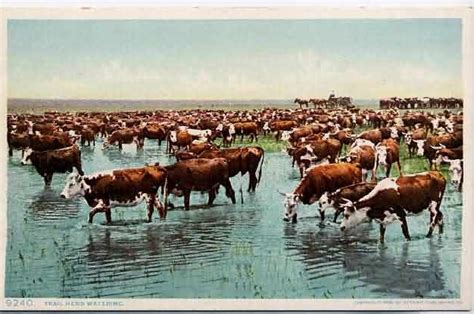
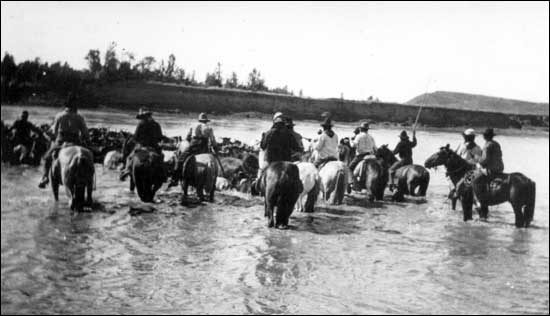
Each year there were from 150 to 200 herds of about 2,500 head each. A herd required 12 men, at least six saddle horses for each man, and a mess wagon and team.
The cattle traveled on an average of 15 or more miles per day, or 450 to 500 miles per month. Each year the cattle movement up the trail required an army of 2,400 cowboys and 14,000 saddle horses. From first to last, between 45,000 to 50,000 cowboys using almost 300,000 saddle horses took part in the drives.
The cost of operating a trail unit was about $500 a month.
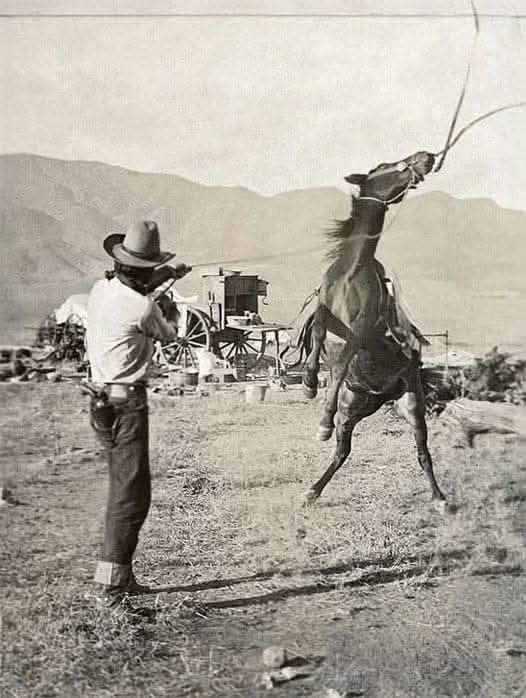
Cattle panicked at river crossings, and stampeded at night without warning. Outlaws, Indians, and irate settlers could threaten or impede the herd. Storms exposed man and beast to misery and lightning.
The trail boss, paid about $100 a month, was responsible for the drive. He determined the campsites, negotiated with settlers and Indians, kept a pace that ensured the cattle wouldn’t lose weight, and supervised the crew. His goal was to deliver all the cattle to their destination, in as good a condition as they began.

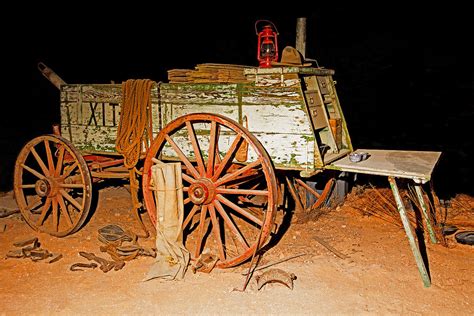
The cook was the key to a contented trail crew. He was typically an older man and a former cowboy. Paid $50 a month, he drove the chuckwagon carrying the crew’s food, equipment, and blankets to the next campsite. He pitched camp, prepared three meals, tended his wagon and mules, and provided medical assistance to injured crew. He was assisted by the horse wrangler, who was in charge of the horse herd, or remuda. Frequently the youngest, he earned about $25 a month.
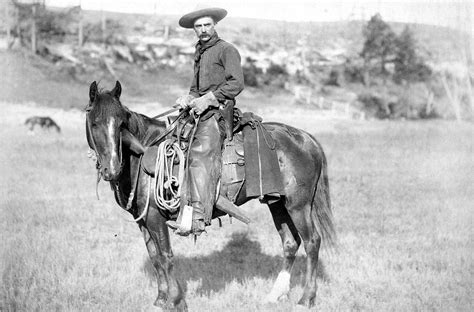
The cowboys earned about $30 a month guiding the herd by day, rotating position as they traveled.

At the front were the point riders, who led the herd; flank riders on the sides kept the herd from straying; drag riders brought up the rear and kept animals from straggling. Drag was the worst position because of the dust kicked up by thousands of hooves. The cowboys yelled and whistled to keep the cattle moving apace.
At night, cowboys took turns riding herd–which meant riding slowly around the bedded cattle–and sang to reassure the animals. Come daybreak, the cattle were gathered and the routine repeated itself, each animal assuming its place in the line of march.
“It cost the drover between fifty and sixty cents to transport a cow from Southern Texas to the Kansas railroad stations.” wrote William Curry Holden in “Alkali Trails,” 1930.
Two primary trails included:
The Chisholm Trail
Jesse Chisholm created the famous “Chisholm Trail” in 1865. Cowboys and vaqueros brought cattle up north on his trail the first time in 1866.
When Chisholm started his trail in 1865 it began near San Antonio. By the mid-1870’s, the Chisholm Trail started at the Rio Grande. This is near the border with Mexico, close to Brownsville. It stopped in Abilene, Kansas.

On the Chisholm Trail, cowboys and vaqueros had to bring herds across the Colorado River, Brushy Creek, the Brazos River, the Trinity Ford, and the Red River.
They moved them up to Kansas City because the railroads there could deliver them to other places in the United States. That’s also where some of the people and businesses were who wanted to buy the cows.
The Chisholm Trail was used the most in 1871. By mid-1884, the trail wasn’t used much anymore. Railroads had been built in Texas. These railroads allowed cattle to be shipped from here.
The Goodnight-Loving Trail
The Goodnight-Loving Trail became a popular way to bring cattle to New Mexico and Colorado or to start the journey to the west.
Charles Goodnight and Oliver Loving created the trail together.

Their goal was to bring their cattle from north Texas to Denver. However, there was a problem. Between north Texas and Denver, the Indians were very dangerous. To solve that problem they came up with a special path. The route was much longer than just going straight to Denver, but it was also a lot safer.
On June 6, 1866, Goodnight and Loving began their first journey to Denver with 2,000 head of cattle. They went via an old Butterfield Stagecoach route to the southwest to avoid Indians.
They followed the Pecos River upstream and then went north toward Colorado. When they successfully arrived in Denver with their cattle, everyone realized this was a good route. That’s when this trail got named the Goodnight-Loving Trail.

The cattlemen took the Goodnight-Loving Trail many times until Loving died in September 1869 from an attack in New Mexico by Indians.
Just moments before his final breath, Oliver Loving made his friend Goodnight promise to bring his body back to his home in Weatherford, Texas.
Oliver Loving wanted to rest forever in Texas, his home sweet home.
☆☆☆☆
IN GOD WE TRUST
Thanks for supporting independent true journalism with a small tip. Dodie & Jack

CLICK HERE for GREEN PASTURE BENEFITS

Use Code CLEVER10 for a 10% discount on Green Pasture products today!


☆☆☆☆☆

☆☆☆☆☆
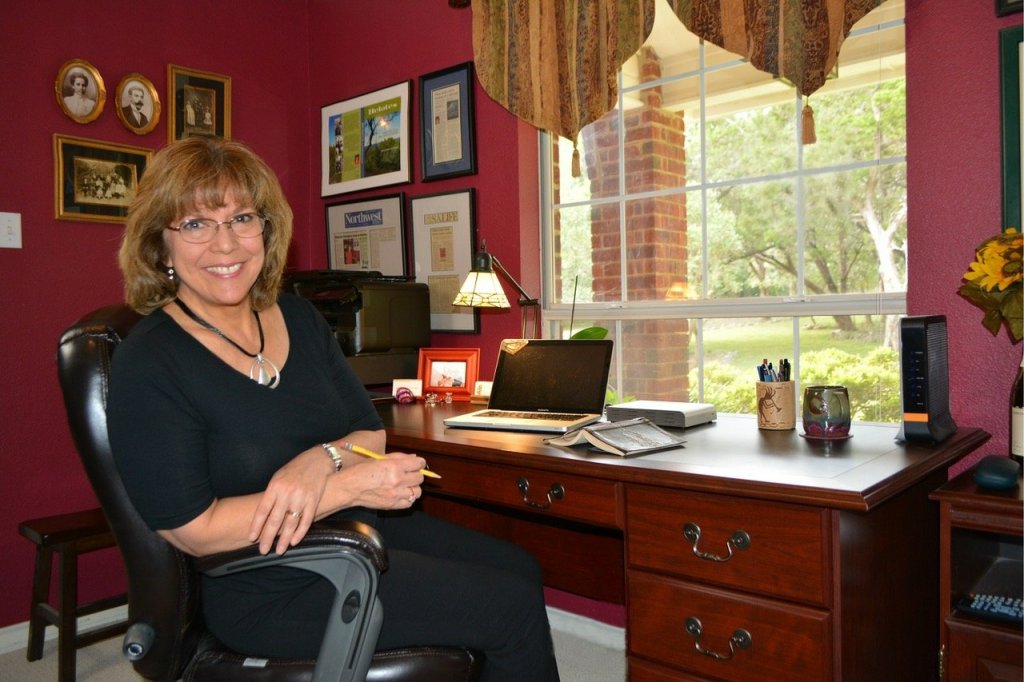
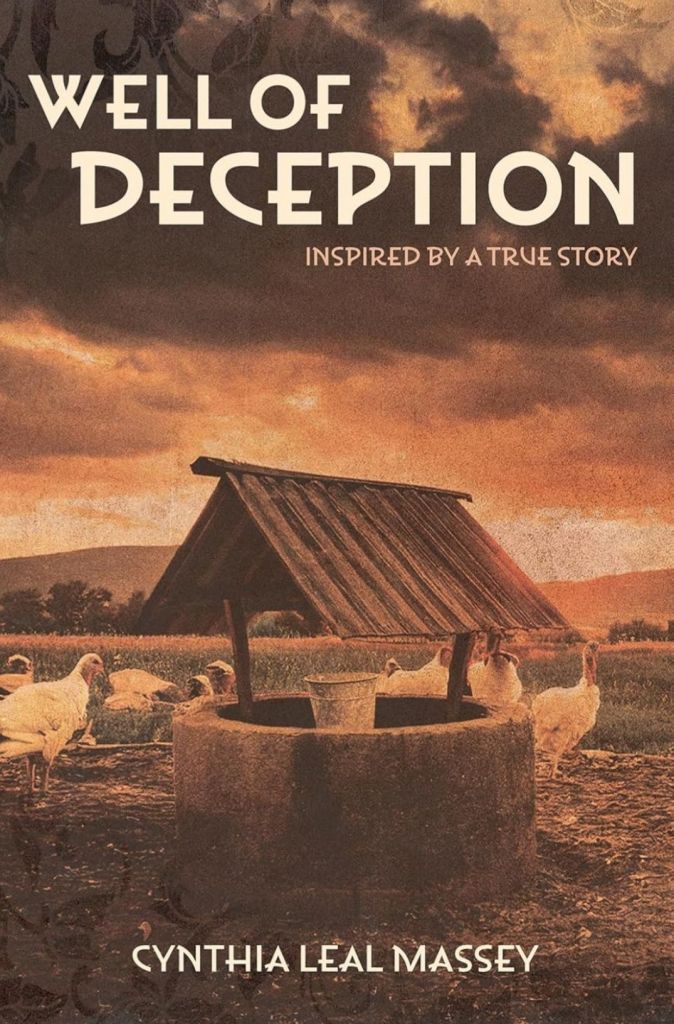
By award-winning Texas author Cynthia Leal Massey.

 Clever Journeys
Head em up, move em out. Rawhide
LikeLiked by 3 people
One of the best TV cowboys-Clint Eastwood. 🙂
LikeLiked by 2 people
Being a cowboy was not as glamorous as Hollywood made it out to be. Thanks for the history lesson, Jack! 🙂
LikeLiked by 2 people
Thus, McMurtry took that little jewel for Lonesome Dove. We passed the Goodnight ranch a few days ago, coming home from LaLa Land, Colorado. We’ve visited a few times and saw the Buffalo, as well as catching up on Goodnight and Loving history. My grandfather was a cowboy, riding herd and even bringing some into the stockyards in Fort Worth.
LikeLiked by 2 people
i still watch Raw Hide, a tuff life
LikeLiked by 2 people
Here in Arizona, we have free range cattle who are allowed to roam wherever they want. A herd of seven beef steers roam the fields across the road from us and visit our front yard for water. We’ve usually only seen them in winter, and we’ve left small tubs of water out for them. But they started showing up this summer, desperate for water, and we ended up buying a 100-gallon plastic tank for them. Otherwise, they rampage through the yard, knock over our birdbaths, and drink up all the water we set out for the wildlife. State law says we have to build a fence if we want to keep them out. I cordoned off the front of the yard so they have to enter and exit at certain spots. So far, it’s working, but I dread receiving our water bill!
LikeLiked by 2 people
It’s such a huge part of our history. Way better than having them in feeding pens, not even getting to be cows.
Of course, you couldn’t drive them across country like that now, but what stories this makes. In New England, we did this on a much smaller scale, the distance are so much less. Groton, Mass., back in even Colonial times, tells in their history how every Spring they would drive their cattle up to New Hampshire to the summer pastures, all of about ten miles away, and I guess when it came time for Market, they’d be driven to Boston, which wasn’t very far away either, or other market towns. Not as much romance as the long trails in Texas. Although, the stories about the Native attacks were just as wild. It’s a great country, everywhere.
LikeLiked by 1 person