
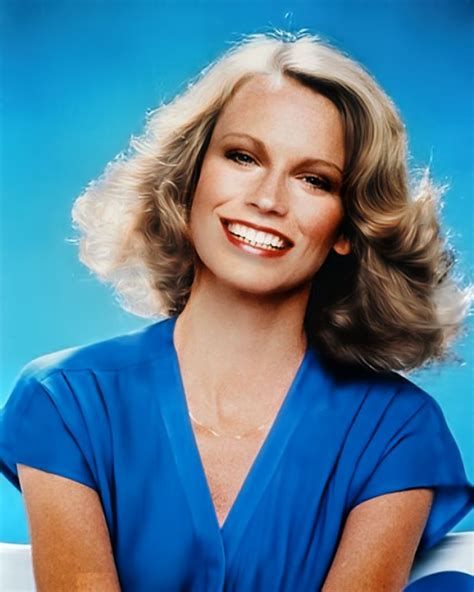
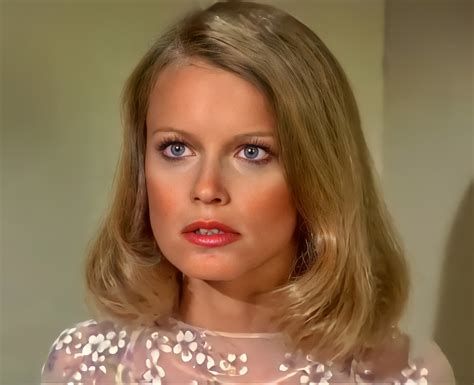
In 1979, Shelley Hack arrived at a SoHo art gallery in New York for what she thought would be an ordinary evening.
She didn’t expect the man standing beside a minimalist sculpture to be that man.

John Lennon, with his unmistakable round glasses and quiet smile, had drifted away from the music scene at the time, seeking solace in art, fatherhood, and philosophical exploration.
Hack, known to the public then as the poised and intelligent face from the “Charlie’s Angels” series, had been invited to the gallery by a mutual friend from the art world. What began as a casual conversation about the installation turned into a bond rooted in shared ideals.
Hack later recalled that their first exchange wasn’t about fame or music. It was about education.
Their conversation moved quickly from global inequality to the role of pop culture in shaping young minds. Shelley later said in an interview, “He cared deeply about identity, especially how we inherit it from media and upbringing. He wanted to dismantle the machinery of fame and rebuild it for something good.”
“He asked what I thought the role of media should be in shaping young minds,” she said in a 2002 interview with a small arts journal. “He was incredibly warm and curious. We talked more about how we raise children than what’s playing on the radio.”
Lennon, a voracious reader of everything from ancient Eastern texts to radical Western politics, found Hack’s intellectual sharpness refreshing.

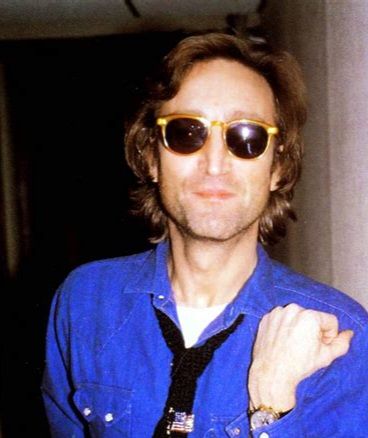
That night, they ended up standing in a quiet corner of the gallery, deep in conversation about identity, mindfulness, and the evolving responsibilities of artists.
In the months that followed, Hack and Lennon began exchanging handwritten letters.
Lennon, who had grown wary of the press and increasingly reclusive after moving to the Dakota building, felt a sense of ease with Hack’s thoughtful letters.
She wrote about the manipulation of perception in television, while he responded with reflections on how music could liberate or distract, depending on who controlled it.
One letter, dated July 1980, included a rough sketch Lennon made with a single pencil stroke of a woman in motion. He titled it “For the Other Charlie.” It was an affectionate nod to Hack’s role on “Charlie’s Angels,” and perhaps a subtle commentary on the media box she had been placed in.

Hack has never displayed the sketch publicly, keeping it as a personal reminder of their unique bond.
She described their letter exchanges as “dense with ideas, thoughts about war, Buddhism, the architecture of peace, and how absurd the world often is.” Lennon wasn’t trying to impress. He was simply searching for conversation that cut through the noise. She offered that.
In an unpublished excerpt from a 1998 oral history project, she said, “He didn’t see me as an actress or a model. He saw me as someone asking the same questions he was. That was the gift.”

When news broke on December 8, 1980, that John Lennon had been shot outside the Dakota, Shelley was in Los Angeles. She had just wrapped a commercial shoot when a crew member delivered the news in a whisper. Hack didn’t speak for nearly an hour.
The emotional gravity overwhelmed her, not as a celebrity mourning another, but as someone who had quietly shared a meaningful, rare friendship.
That evening, she retreated to her home and wrote a tribute piece. Though never published, friends close to her say the letter began with the line:
“The world lost its loudest silence tonight.”
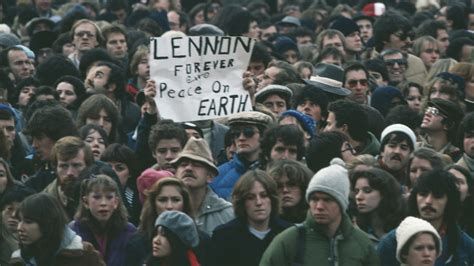
In a rare moment of public reflection, she attended a candlelight vigil in Los Angeles two days later, standing among strangers who were singing “Imagine.”

She remained still, holding a single white rose. Later that night, she sent one final letter to Lennon’s Dakota address. It read, simply:
“Thank you for reminding me that asking questions matters more than knowing answers.”
Their friendship remained mostly unknown to the public, a bond untethered by fame or publicity.
Hack, in her own quiet way, still refers to Lennon’s letters when asked about moments that shaped her worldview.
Their connection may not have been chronicled in headlines, but it left an indelible mark on a woman whose life had already danced between spotlight and shadow.
Sometimes, the most powerful conversations are the ones no one else hears.
☆☆☆☆☆
IN GOD WE TRUST
Thanks for supporting independent true journalism with a small tip. Dodie & Jack

CLICK HERE for GREEN PASTURE BENEFITS

Use Code CLEVER10 for a 10% discount on Green Pasture products today!


☆☆☆☆☆

☆☆☆☆☆

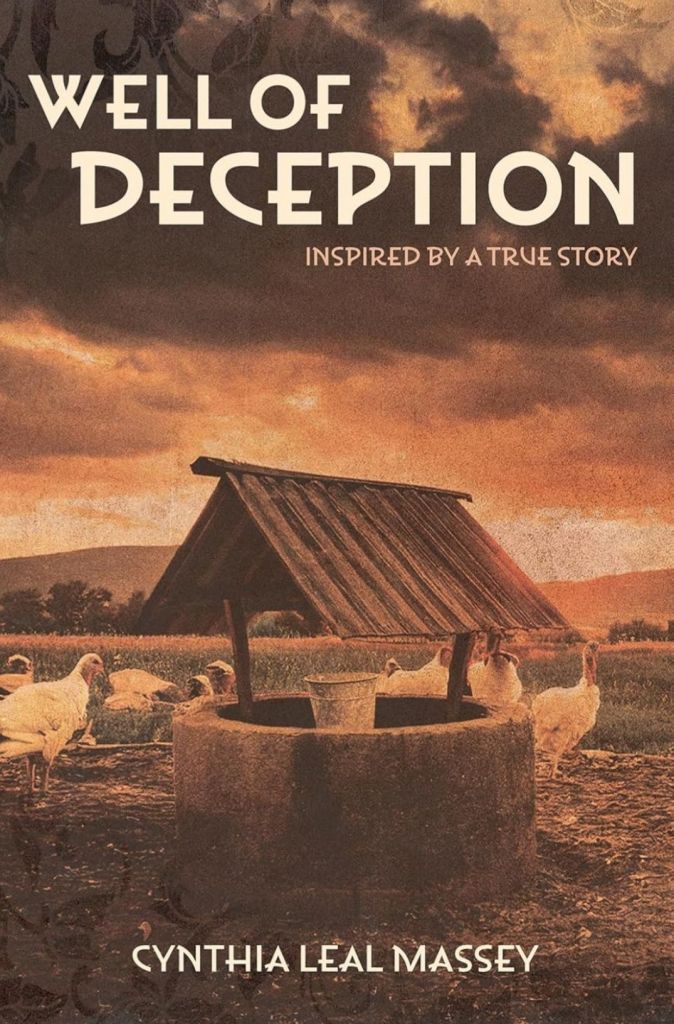
By award-winning Texas author Cynthia Leal Massey.


 Clever Journeys
Moving. I always prayed for him; he was looking for the answers from a wounded soul.
LikeLiked by 1 person
“John Lennon used to pee out of the hotel window onto pedestrians.”
~ Brenda Lee
‘Little Miss Dynamite’ – chapter 11, page 167
What I’m about to write, I’m fairly sure I’ve never written before, and I’ve only mentioned it to one or maybe two persons.
I was a regular on the TV show M*A*S*H from the start of season 7 up through the final episode. I mostly did “background” work, but I did have a few small bit roles with a wee bit o’ dialogue, and I even got to die onscreen once.
I’ll never forget the morning – Dec. 9, 1980 – after John Lennon was killed. That day we were shooting at the Malibu Creek State Park, where the vast majority of the exterior scenes were filmed. I was in the Post-Op tent, which served as the Wardrobe Dept. at the Malibu set. I sat down on a wooden bench and picked up a copy of the newspaper lying there. The L.A. Times, I believe. And there on the front page was the announcement that John Lennon had been murdered.
That was the strangest day I ever experienced on a M*A*S*H set. Instead of the usual “Jocularity! Jocularity!”, everyone – particularly the primary actors – seemed unusually quiet and spoke in almost hushed tones. I was only 21 years old, so I really didn’t understand it, but I knew that day on the set was like no other.
Years later, I figured out what caused the unusual atmosphere on the set out in Malibu. Undoubtedly, the famous actors were thinking something like this: If a stranger could approach John Lennon on the street and shoot him dead, what’s preventing that from also happening to me?
I will add that I disliked / dislike John Lennon a great deal. I read quite a bit about him in later years and can say without hesitation that he was an extremely nasty human being in many ways. Although I am not ordinarily a violent man, frankly, I very seriously doubt I could have remained in a room with him for longer than 10 minutes without punching and breaking his nose! He was the ultimate example of a pampered celebrity who really didn’t understand the reality of the common (or “working”) man in any way, shape or form; he treated so many people as if they were beneath him (and indeed they literally were beneath him, when he’d pee on them from safe, upper hotel room windows).
Physiognomy: As he got older, Lennon’s inner ugliness was written all over his face, just as it was on Abraham Lincoln’s ugly mug.
Lennon’s famous song ‘Imagine‘ was a [anti-God] statement based on [evil] Communism, which even he openly acknowledged. When Bob Dylan turned to Christianity, John Lennon castigated him in a song he wrote titled ‘Serve Yourself‘. I think it’s highly possible that John Lennon was even demonically possessed!
I feel quite sure that he will get one more chance to choose God & Christ before being sent to H E double-toothpicks, and I VERY sincerely hope he chooses correctly in his final incarnation (which is probably occurring right now, as I type these words).
~ D-FensDogG
LikeLike
John knew he was a mess; like a lot of us, he didn’t like himself very much. That’s a good place to start redemption.
LikeLiked by 1 person
Amen. I spent a day with his longtime girlfriend May Pang some years ago (and met her again last year). You are spot on!
LikeLiked by 2 people
Wow. May Pang.
All that prayer doesn’t get wasted.
LikeLiked by 2 people