
Researchers from Tarleton State University in Texas have discovered that plant-based extracts, particularly from okra, fenugreek, tamarind, and cactus, can significantly remove microplastics from wastewater.

Some plastics are made to be small. These are known as primary microplastics, like the microbeads intentionally added to face washes and other personal care products. But most microplastics come from the slow disintegration of larger plastic products, including plastic wrap, takeaway containers, polyester clothes, tires, paint and artificial turf. These are known as secondary microplastics.
Exposure to microplastics can also occur through inhaled air. Data from animal studies have shown that once absorbed, plastic micro- and nanoparticles can distribute to the liver, spleen, heart, lungs, thymus, reproductive organs, kidneys and even the brain (crosses the blood–brain barrier).
Key highlights:
Okra and fenugreek mucilage (plant-based goo) work by acting as a natural coagulant.
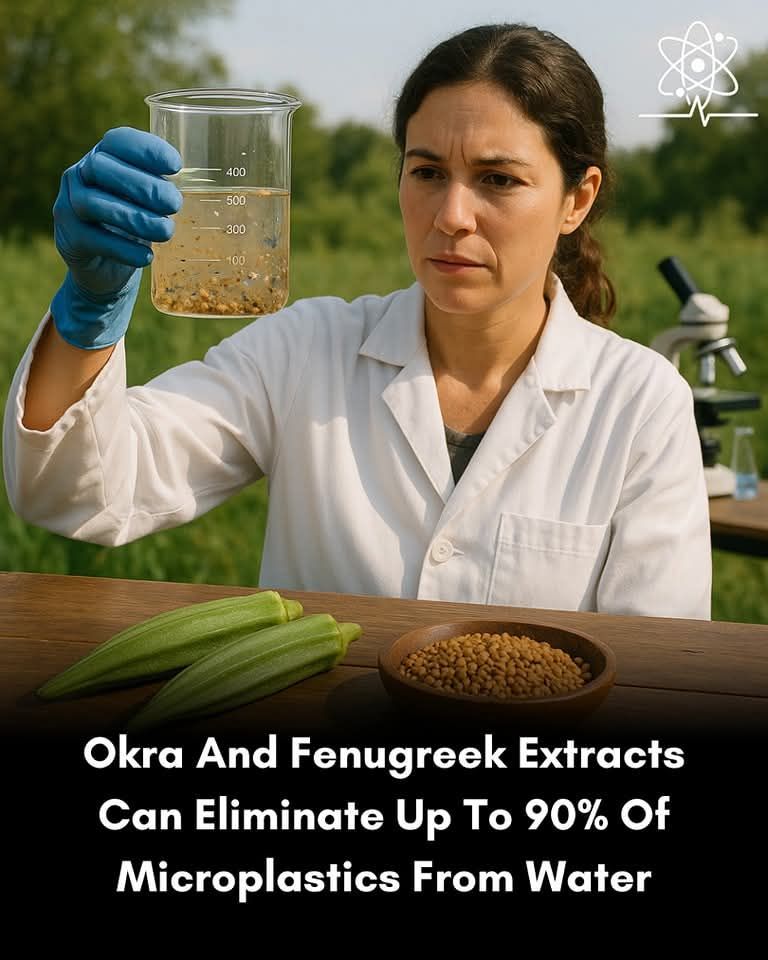
When combined in the right ratios, they can remove up to 90% of microplastics from water.
Unlike synthetic coagulants (like polyacrylamide), these natural alternatives are non-toxic and environmentally friendly.
The study is part of an effort to find sustainable solutions to the growing problem of microplastic contamination in water bodies.
The extracts are especially effective when removing microplastics from ocean and freshwater sources.

The lead researcher, Dr. Rajani Srinivasan, emphasized that this approach could make wastewater treatment safer and more eco-friendly, especially in areas lacking access to expensive treatment technology.
Meanwhile, common chemicals found in plastic products—especially phthalates and BPA—have been linked to a significantly increased risk of heart disease.
These chemicals are widely used in items like water bottles, food packaging, and toys. According to research, such exposure may contribute to over 350,000 deaths globally each year due to cardiovascular complications.
Phthalates are known to disrupt hormones, raise blood pressure, and increase the risk of conditions like diabetes and heart failure.

Scientists are urging more regulation and awareness as plastic pollution continues to impact public health.
☆☆☆☆☆
To receive free email notification, when we post new articles like this, sign up below. Clever Journeys does & will not sell or share your information with anyone.
☆☆☆☆☆
IN GOD WE TRUST


Thanks for supporting independent true journalism with a small tip. Dodie & Jack
CLICK HERE for GREEN PASTURE BENEFITS

Use Code CLEVER10 for a 10% discount on Green Pasture products today!


☆☆☆☆☆


☆☆☆☆☆

By award-winning Texas author Cynthia Leal Massey.

See details here!




That is pretty neat!
LikeLiked by 2 people
That’s fantastic. Okra is better suited for contaminated bodies of water than my dinner plate. 🙂
LikeLiked by 1 person
I knew there must be SOMETHING that could help with the plastic problem, but okra and fenugreek? Who knew? Headway! I think I’ll up my okra intake to start detoxing and find out if I like fenugreek.
LikeLike
Excellent!
LikeLiked by 2 people
[…] See More… […]
LikeLiked by 1 person