Jay Silverheels was a pioneering actor best known for his role as Tonto, the loyal companion of the Lone Ranger in the iconic television series that aired from 1949 to 1957.
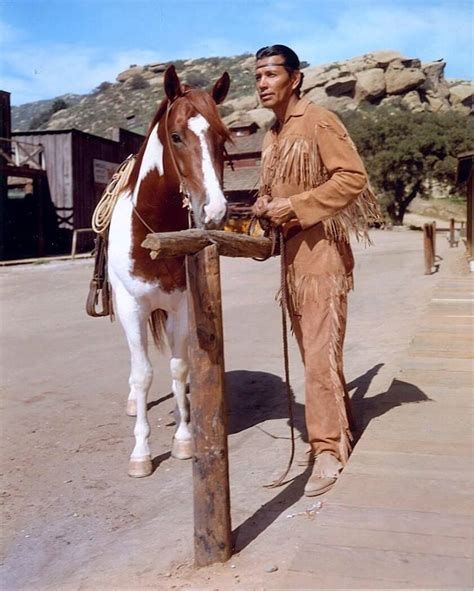
Born Harold Jay Smith on May 26, 1912, in Six Nations of the Grand River, Ontario, Canada. He was the third son of eleven children of A.G.E Smith and Mabel Phoebe Doxtater among eight sons and three daughters. His grandparents were Mohawk Chief A.G. Smith and Mary Wedge.
He became one of the first Native American actors to gain widespread recognition in Hollywood.
Silverheels initially started his career as a professional lacrosse player with the “Iroquois” of Rochester, New York, in the 1930s.

Silverheels was also a boxer who competed as a middleweight class in the Golden Gloves tournament at New York City’s Madison Square Garden and got second place in 1938.
Later, he transitioned to acting, where he would leave a significant mark on the industry.
Bobbi Smith was his first wife. The former couple got divorced in 1943, and the duo shared a daughter. He was also in a relationship with Edna Lickers before he got engaged with Smith.
Mary Diroma was the love of the life of Silverheels. The couple were married in 1946 and had four children together.
As Tonto, Silverheels brought a depth and dignity to the character that resonated with audiences. His portrayal challenged some of the stereotypes often associated with Native Americans in film and television at the time.

Tonto was depicted as a wise and resourceful ally to the Lone Ranger, contributing significantly to the show’s popularity. Silverheels’s strong presence and genuine performance helped make Tonto an enduring character in American pop culture.
Beyond his work on “The Lone Ranger,” Silverheels appeared in numerous films and television shows throughout his career, often advocating for better representation of Native Americans in the entertainment industry.
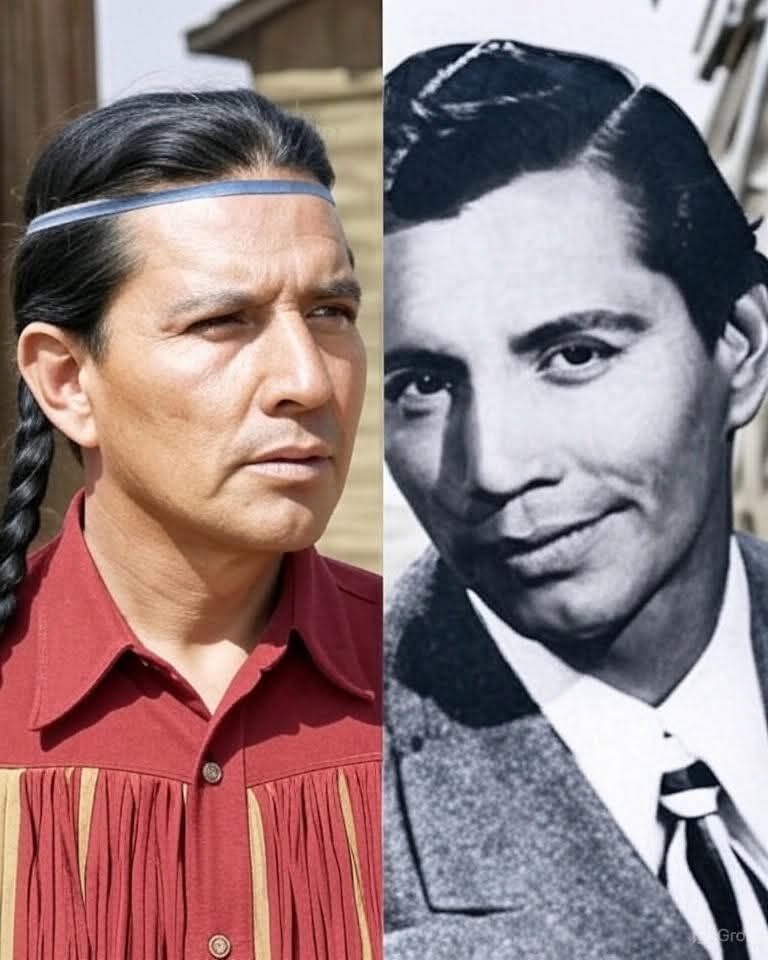
He worked to break down barriers, using his platform to highlight the importance of authentic portrayals of Indigenous peoples.
Later in his career, Silverheels continued to take on roles that reflected his heritage, often participating in projects that sought to honor Native American culture and history. His commitment to this cause made him a respected figure both in Hollywood and within Indigenous communities.
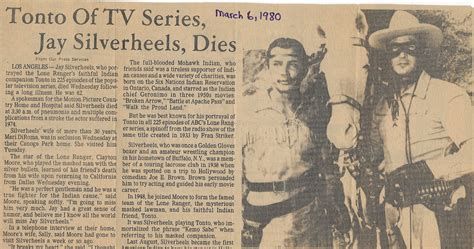
Jay Silverheels passed away on March 5, 1980, but his legacy endures through his groundbreaking work and the impact he made as an actor.
Silverheels’ body was cremated at Chapel of the Pines Crematory located at 1605 South Catalina Street, Los Angeles, where his ashes were returned to his birthplace in the Six Nations Reserve in Ontario, Canada.

He remains a symbol of strength and resilience, paving the way for future generations of Native American actors in the film industry. His portrayal of Tonto, marked by dignity and depth, continues to be celebrated as a significant contribution to the Western genre and American television history.
☆☆☆☆☆
To receive free email notification, when we post new articles like this, sign up below. Clever Journeys does & will not sell or share your information with anyone.
☆☆☆☆☆
IN GOD WE TRUST
Thanks for supporting independent true journalism with a small tip. Dodie & Jack

CLICK HERE for GREEN PASTURE BENEFITS

Use Code CLEVER10 for a 10% discount on Green Pasture products today!


☆☆☆☆☆
☆☆☆☆☆

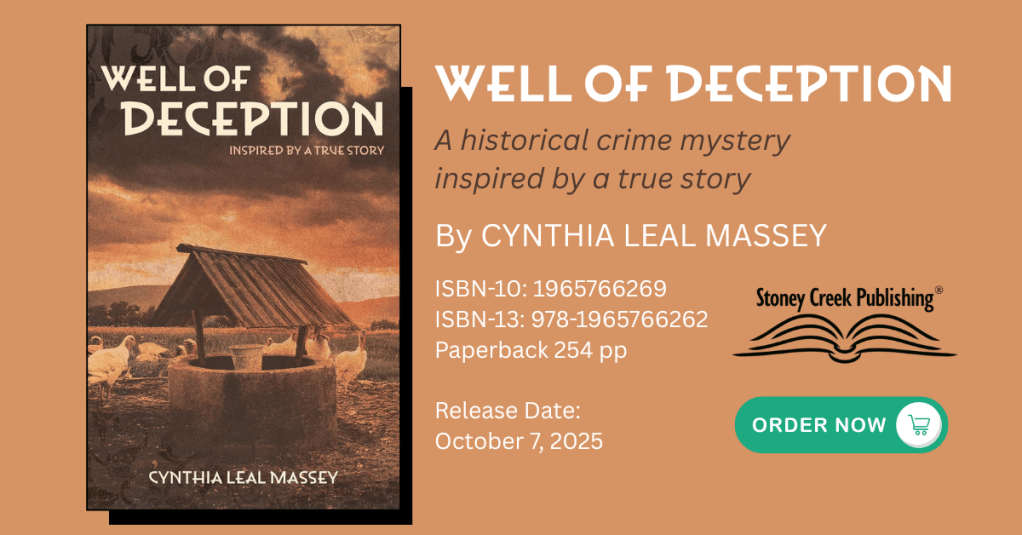
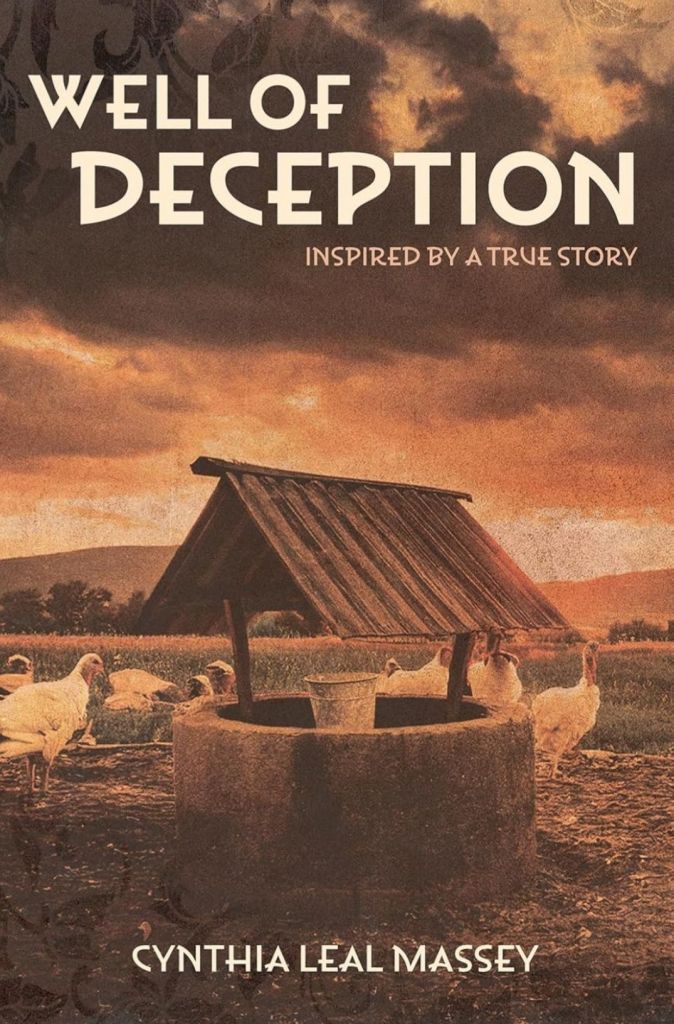
By award-winning Texas author Cynthia Leal Massey.
See details here!


 Clever Journeys
💕
LikeLiked by 1 person
Nice salute to a man who knew his mission.
LikeLiked by 1 person
I liked him better than the Ranger, but I am an Indian so that explains that. During our wars of cowboys and Indians, I would gladly take on the Indian role.
LikeLiked by 1 person
Same here. I’m 1/4 Chikasaw-Choctaw.
LikeLike
My grandmother grew up on the Cherokee nation in Oklahoma, her father was a Marshall for the territory out of Ft. Smith, and rode with Marshall Bass Reeves. According to my mother, my grandmother was real familiar with Chief Quanah Parker.
LikeLiked by 1 person
Wow! Your great grandfather saw some action (& possibly the hanging kinds in Ft Smith).
LikeLike
He saw, and did a lot of it. He died from a Black Widow spider bite in 1911 while still living on the reservation .
LikeLiked by 1 person
How sad is that? Just wow.
LikeLiked by 1 person