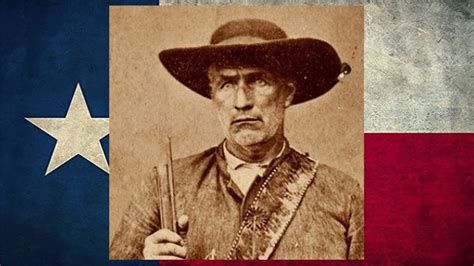
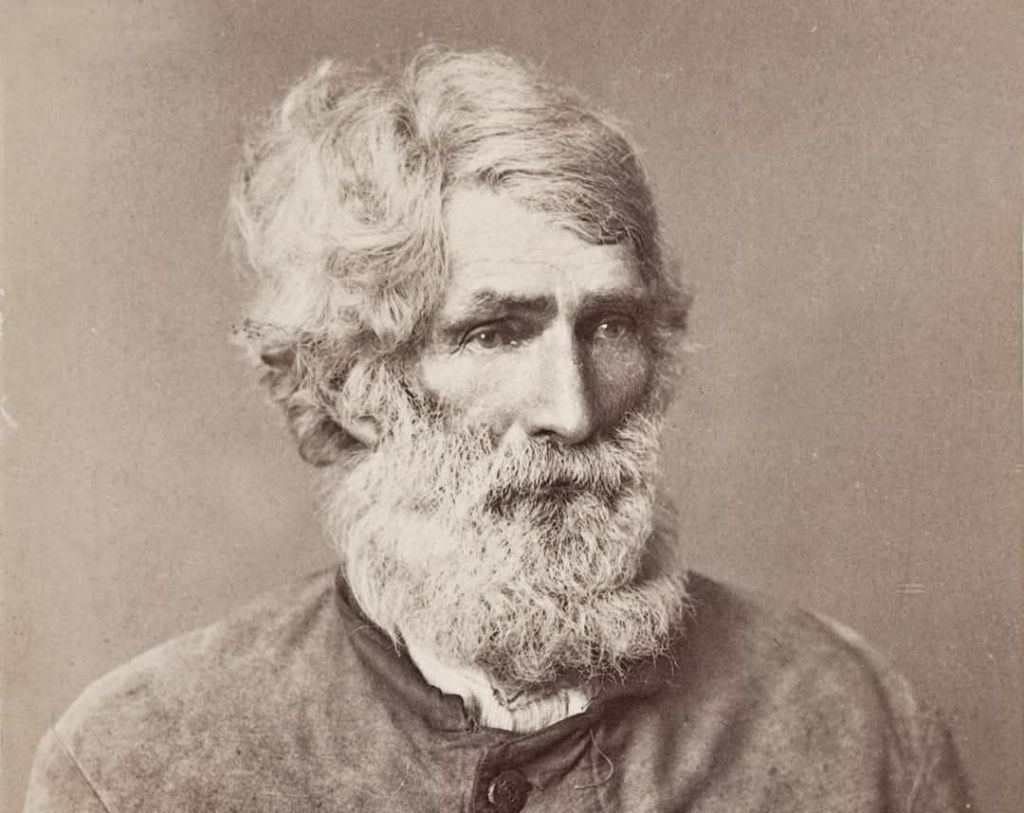
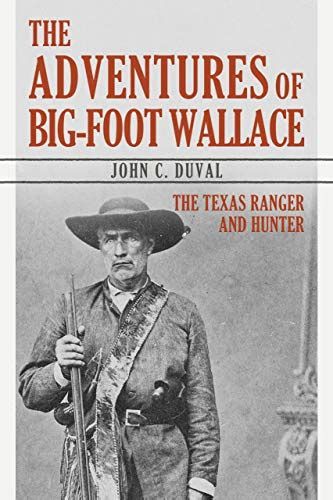
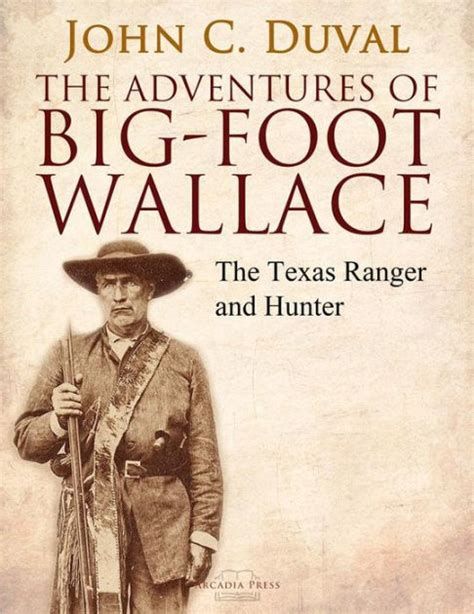
A legendary scout, Texas Ranger, and raconteur, William Alexander Anderson (Bigfoot) Wallace, arrived in Texas in 1837, a year after the fall of the Alamo in San Antonio.
But on his way to Texas, the schooner on which he sailed from New Orleans was caught in a violent storm, Wallace was the only person aboard, including the crew, who was not prostrated by seasickness. When they reached Galveston, he was the only one who did not have to be carried ashore.
Today, we live within five miles of the area Wallace called home, where he had a 320 acre ranch on the Medina River on land granted him by the state of Texas in 1849.
In 1839, he unexpectedly came face to face with a Waco warrior on a narrow path on Austin’s Mount Bonnell. Without taking time to aim, Wallace fired the rifle he had been carrying and the warrior, mortally wounded, fell off the cliff and into the Colorado River.
In 1842, Wallace volunteered for the ill-fated Somervell and Mier expeditions into Mexico.
He was captured and survived a stint in the notorious Perote Prison. After returning to Texas, he joined the Texas Rangers and fought in the Mexican War.
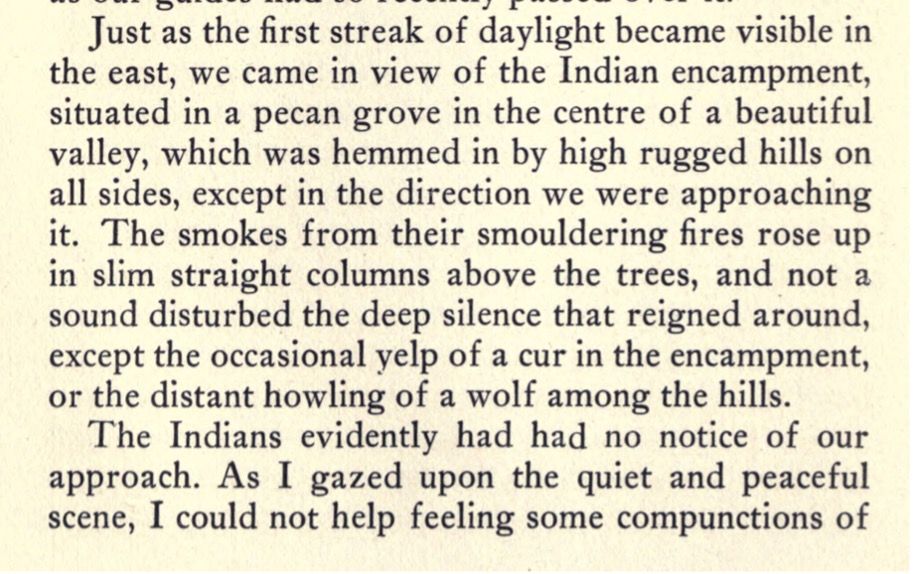
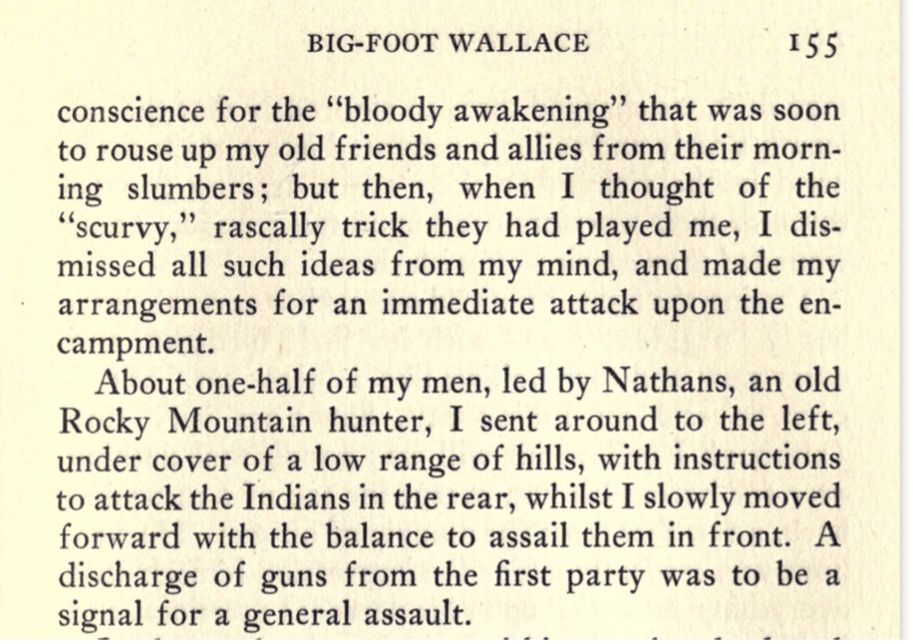
In the Spring of 1848, Wallace led 30 Texas Rangers on a raid on an unsuspecting Lipan Apache camp in the Medina River Valley.
He was the first man to drive a mail hack from San Antonio to El Paso and on one occasion, after losing his mules to Indians, walked to El Paso and ate twenty-seven eggs at the first Mexican house he came to-before going on to town for a full meal.
Writer Larry McMurtry included a fictionalized version of Wallace in his Lonesome Dove prequel, Dead Man’s Walk. In this book, Wallace is one of the Rangers who signs on with Augustus McCrae and Woodrow Call to go on the Texas Santa Fe Expedition.
After they were captured by Mexican authorities, they are made to draw beans to decide who will live or die, a method borrowed from the Mier Expedition.
Unlike his real-life counterpart, Wallace in this story draws a black bean, and is executed. In the film, he is played by Keith Carradine.
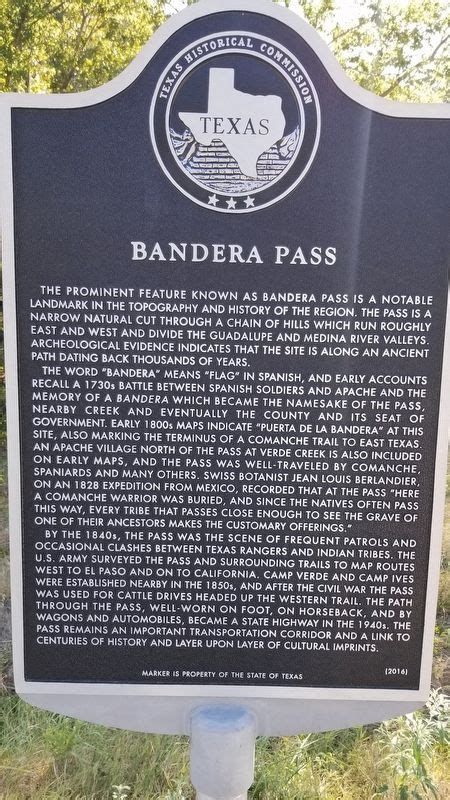
Battle of Bandera Pass
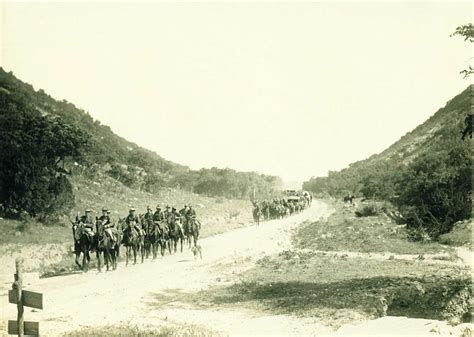
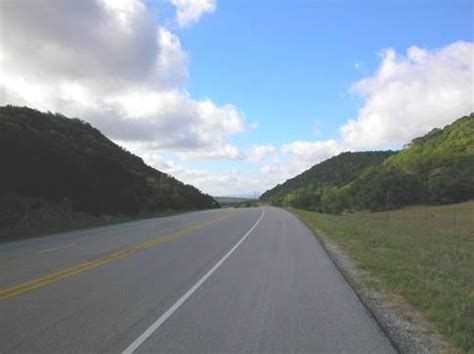
The famous fight of the Bandera Pass (about 11 miles from our home) was fought in about 1843, with Capt. Jack Hays and some of his best men at the time, including Wallace, who were prisoners in Perote Prison.

Hays and his men arrived at the Pass about 11 o’clock in the morning and were unexpectedly charged by a large band of Comanches.
At first, his men became somewhat demoralized by the sudden shock, but the voice of the brave Captain cried out, “Steady there, boys, dismount and tie those horses, we can whip them. No doubt about that.”
The Colt five and six-shooters had just been invented, and Captain Hays and his men were fortunate to acquire fifty or sixty of these weapons, which were apparently unknown to the Indians.
Although many times outnumbered, the Texans began discharging their rifles and new pistols, and every shot seemed to strike an Indian.
Sam Luckey was soon wounded and as he fell, Ben Highsmith caught him and laid him down easy on the ground. He immediately called for water which was tendered by Highsmith out of the latter’s canteen.
The Comanche chief during the thickest of the fighting, charged and wounded Sergeant Kit Ackland.
Ackland then wounded the chief with his new pistol, and immediately following the two clinched and went to the ground. Both of the men were large and fought a terrific combat with their knives. Over and over they rolled, but finally the ranger was successful in the duel.
Covered with blood and dirt, he then arose from the ground where lay the chief literally cut to pieces.
This turned out to be one of the most bitter and bloody battles ever fought in the West and continued until the Indians finally ceased fighting and retreated to the upper end of the Pass, leaving the rangers in charge of the battleground.
Five rangers, however, lay dead on the field, and others wounded.
After the Indians had retreated, Capt. Hays and his men withdrew to the south entrance of the mountains, and the night was spent burying the dead and treating the wounded. During the same time, the Comanches buried their chief and others near the opposite north end of the exit through the hills.
Here’s a great story as told by Bigfoot himself about life near Medina:
‘One evening I rode up to my shack as usual and tied my horse to the door and left the dogs outside with him and shut up everything tight and snug.
Sometime during the night I heard the dogs whining and they kept it up. They could scent an Indian half a mile away and I knew something was wrong or they would not keep whining.
I slipped over to the door and opened the portholes and looked out but could not see anyone or anything, but I was satisfied that there were some Indians around somewhere.
I closed the porthole and went to moulding bullets for dear life. When daylight came, I cautiously opened the door and looked out in every direction but saw nothing. Then I took my gun and buckled on my revolvers and went around the shack and down by the corral and found that all my horses were gone.
The Indians had taken up four posts at the back side of the corral and cut the rawhide and let out all the horses, and driven them away.
I followed their trail a mile until I came to a mot of hickory and some distance away I saw a smoke. The ground where l was standing was covered with hickory nuts and I stooped and began filling my breeches and shirt with hickory nuts two or three inches thick all around my body. I was a sight and looked like a giant—could hardly waddle along.
There was an old log lying nearby and I led my horse up to it and managed to crawl through the high grass.
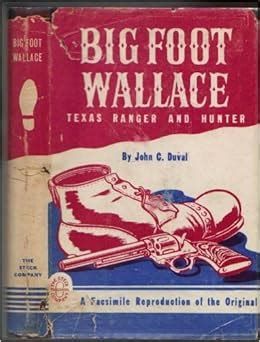
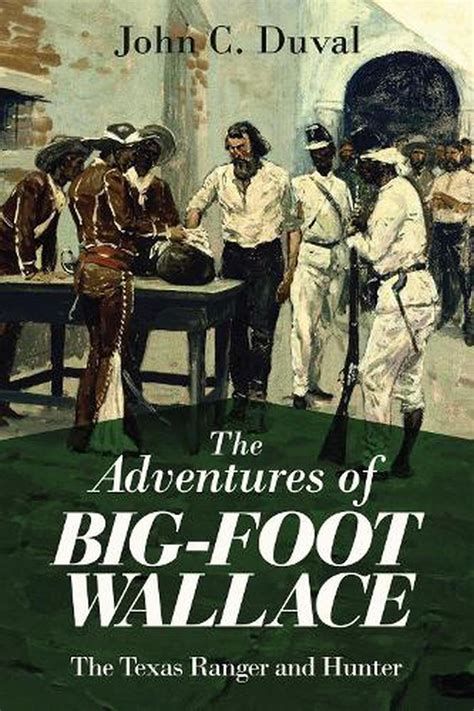
When I came within good shooting distance, I sorta raised up and saw two big bucks standing up, and all the rest were down around the fire, cooking their breakfast. I raised my old smooth bore rifle and drew a bead on the biggest of the two and let him have it. He jumped up in the air and yelled, and he fell dead.
I loaded me again while the whole bunch yelled and grabbed their bows and arrows. They tried to locate me, but they did not see the smoke in the grass. I raised up again and let the biggest one have the next shot and they saw the smoke and began circling around and shooting at me.
I straightened up and pulled my two revolvers and they kept up a running fight. They must have shot a hundred arrows at me but they would strike the hickory nuts and bounce off.
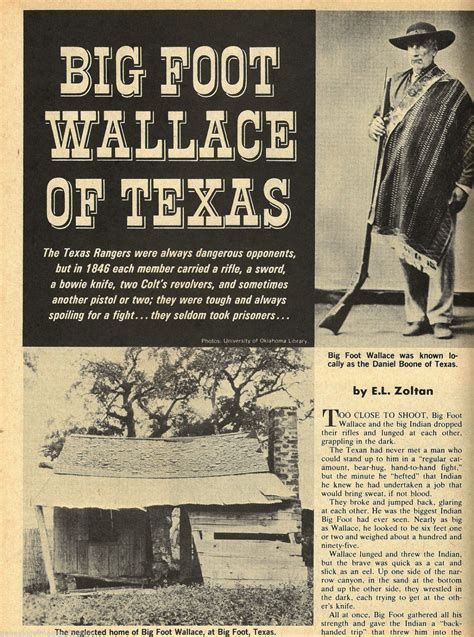
They must have thought I was the devil, for as soon as they had tied the two Indians on the horses they broke away and did not take a single one of my horses.'”
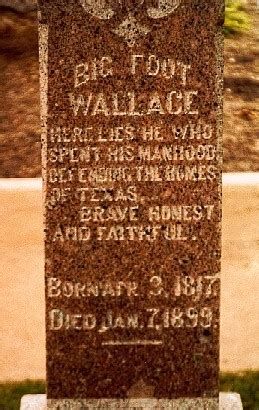
Wallace’s later years were spent in Frio County, Texas near the small community of Bigfoot. He died on 7 January 1899 and is buried in the State Cemetery in Austin, Texas.
☆☆☆☆☆
To receive free email notification when we post new articles like this, sign up below. Clever Journeys does & will not sell or share your information with anyone.
☆☆☆☆☆
IN GOD WE TRUST

Thanks for supporting independent true journalism with a small tip. Dodie & Jack

Dodie & Jack Dennis are regular customers of Green Pasture. Highly recommended.
Green Pasture Here!


Use Code CLEVER10 for a 10% discount on other Green Pasture products today!


Get Your Natural Vitamins A & D from the Sea!

☆☆☆☆☆


See details here!

___________________________
Get Your Natural Vitamins A & D from the Sea!



Great stories! Now I want to get the Duval book.
LikeLiked by 2 people
I gather that Bigfoot Wallace was a bigger than life Texas Sasquatch. His hickory nut strategy was genius. Intriguing post! 🙂
LikeLiked by 1 person