President Donald Trump revoked former Secretary of State and CIA Director Mike Pompeo’s Secret Service protection on Tuesday.
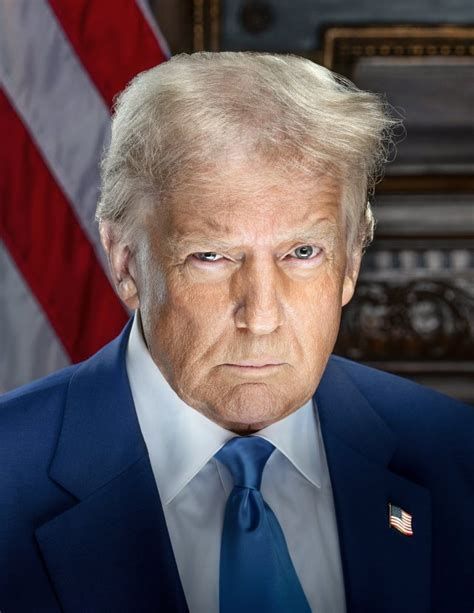

Former administration members usually are not granted Secret Service details after they leave office.
Curiously, JFK’s nephew, Robert F. Kennedy, Jr. revealed last year, that when he talked to Trump about the assassinations of his uncle and father, “He said that Mike Pompeo begged him… called him and said, this would be a catastrophe to release these.”
The Warren Commission created by President Lyndon B. Johnson to investigate JFK’s death concluded that shooter Lee Harvey Oswald acted alone when he killed the president in Dallas, Texas.
But in the wake of JFK’s assassination in 1963 and in the decades after his death, many documents were withheld from the public, which sparked conspiracy theories that continue today.


With the announcement that President Trump signed an Executive Order on Thursday to release the John F. Kennedy, Robert F. Kennedy, and Martin Luther King assassination files, let’s take a quick look at:
● unrelated information you may not know about JFK.
● once U.S. government classified secrets that the files were later released.
JFK Files
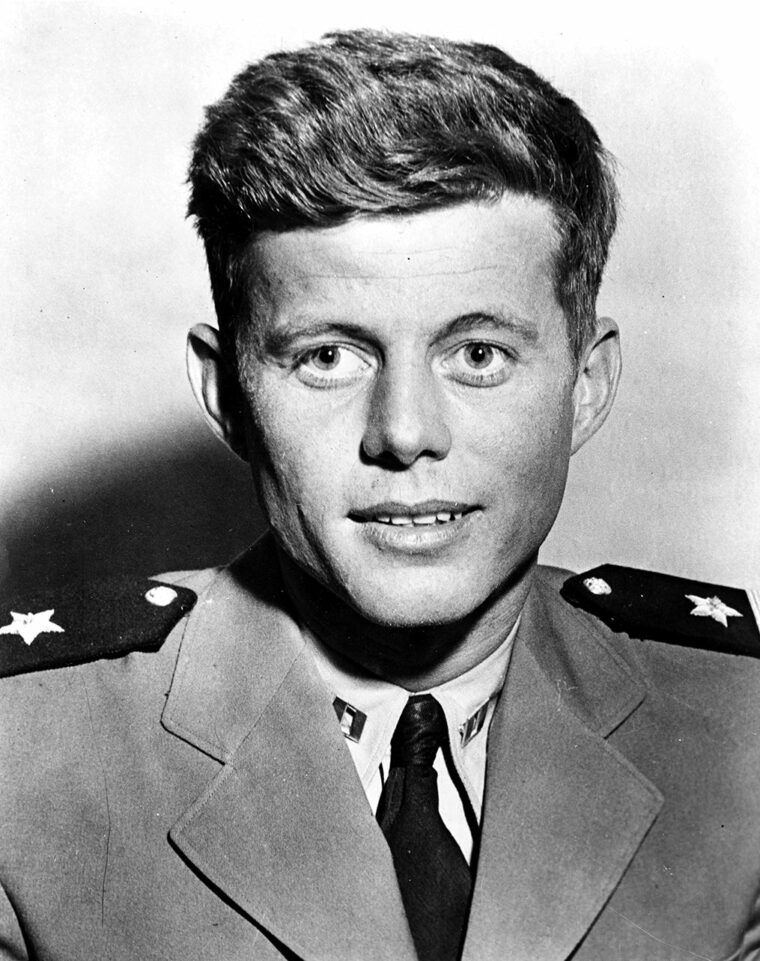
In 1943, a Japanese destroyer collided with and sank a tiny United States Navy vessel commanded by Lieutenant John F. Kennedy. He and the other survivors swam for five hours to get to a small island. During that time, he pulled an injured crew member behind him with his teeth.
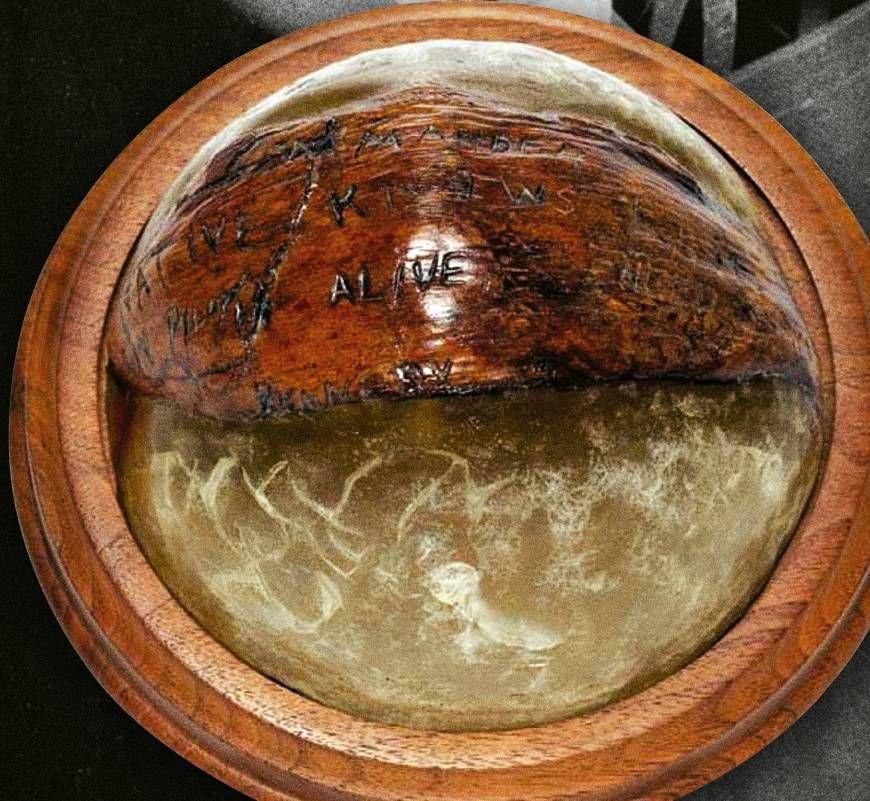
Kennedy and his team were left adrift on a desolate island. To signal for help, he cut an SOS into a coconut, which was finally found and used to locate him and the other survivors. He eventually put the coconut on display in the Oval Office.
If it hadn’t been for a phone call to Martin Luther King’s wife when he was imprisoned in Atlanta, John F. Kennedy could have lost the presidential race. Despite fears of retaliation from white Southerners, Kennedy’s support soared in Nixon-leaning southern states due to that call, which ultimately helped him win over black voters.

Richard Pavlick, a retired postal worker, tried to avoid the Secret Service and made plans to kill President-elect Kennedy in 1960. However, he decided not to go through with the plan because he was worried about Kennedy’s family.
Just as President Trump, Kennedy gave his whole salary to charity while he served as President of the United States.

Even though he had no prior legal training, President Kennedy chose his brother Robert for the position of Attorney General. JFK jokingly remarked, “I can’t see why it’s improper to give him a little legal experience before he goes out to practice law.”
Operation Northwoods

Operation Northwoods was a plan proposed by CIA to commit genuine acts of terrorism on the U.S. soil, going as far as paint MiG jets in Cuban colors and markings to conduct some of these attacks and blame it on Cuba, to create public support for a war against the nation, which had recently become communist under Fidel Castro. John F Kennedy rejected this proposal and removed the Chairman of the Joint Chiefs of Staff.
Goldsboro Incident
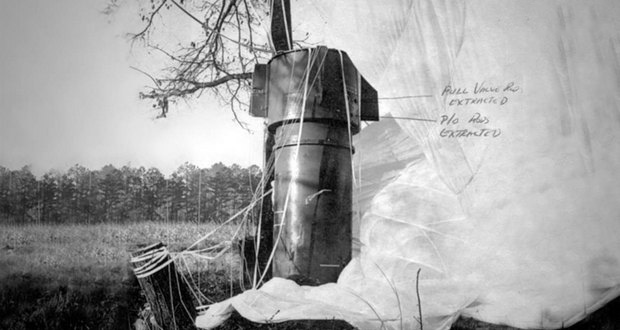
In 1961, a B-52 bomber went into a tailspin and broke up mid-air, accidentally dropping two Mark-39 hydrogen bombs over Goldsboro, North Carolina. One of the bombs worked exactly as intended. Its parachute deployed and its triggers activated, armed and ready to detonate on impact. 3 of the 4 safety switches failed and a single low-voltage switch prevented two 4 megaton nuclear explosions. A part of one of the bombs is still buried in concrete in a fenced off area in Goldsboro.
Rivière-Du-Loup Incident

In 1950, a U.S. Air Force B-50 bomber which was returning to the USA accidentally dropped a nuclear bomb due to engine troubles over the small city of Rivière-du-Loup in Quebec, Canada. The bomb was destroyed in a non-nuclear detonation before it hit the ground and scattered nearly 100 pounds of uranium.
Thule Air Base Incident

In 1968, a B-52 bomber carrying 4 Hydrogen bombs crash-landed near the airbase of Thule in Greenland. The bombs detonated on impact spreading radioactive material over a large area. Bad weapon design ensured that a nuclear explosion was not triggered. The radioactive debris scattered in nearly 3 miles radius, melted through the ice, sunk, and then was frozen over.
☆☆☆☆☆
IN GOD WE TRUST
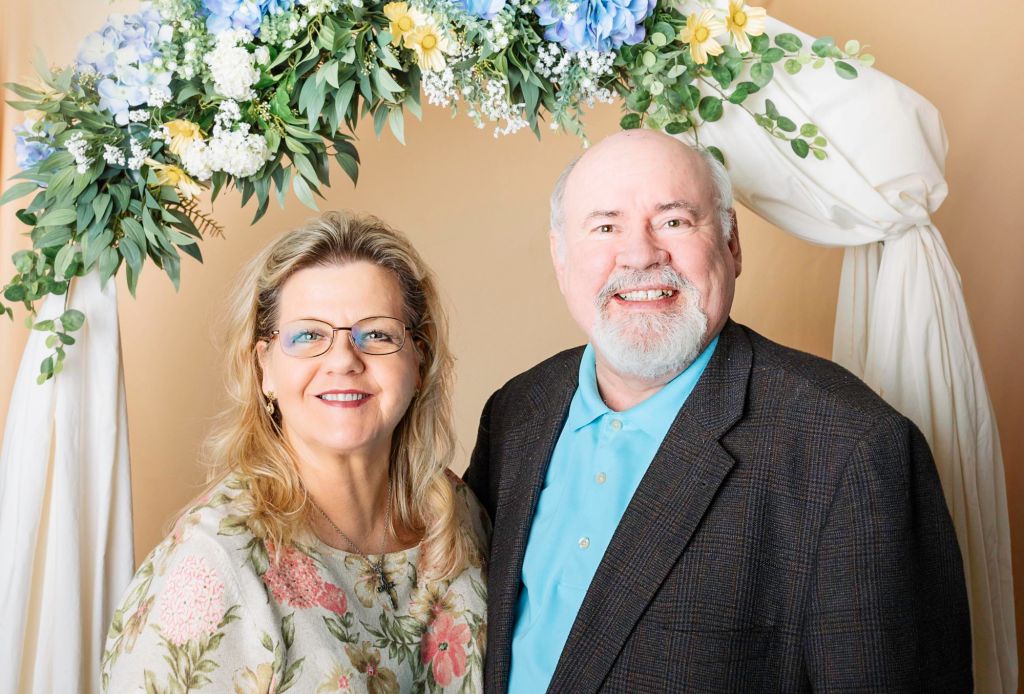
Thanks for supporting independent true journalism with a small tip. Dodie & Jack

Dodie & Jack Dennis are regular customers of Green Pasture. Highly recommended.
Green Pasture Here!


Use Code CLEVER10 for a 10% discount on other Green Pasture products today!

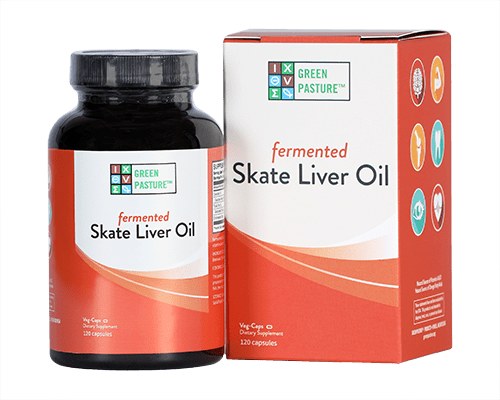
Get Your Natural Vitamins A & D from the Sea!

☆☆☆☆☆


The people have a right to know!
LikeLiked by 3 people
They’ve been hiding a lot of bad stuff for a long time. Festering makes things worse.
LikeLiked by 2 people