
Ten years ago (2015) a research report was released when a company known as Clear Foods analyzed 345 hot dog and sausage products from 75 brands and 10 retailers, and found “human DNA in 2% of the samples, and in 2/3rds of the vegetarian samples.”

They also reported that “there are a number of hot dog manufacturers, large and small, that are producing high-quality hot dogs with integrity.”
I literally quit eating hot dogs for a few years until two things I learned from reliable sources convinced me otherwise:
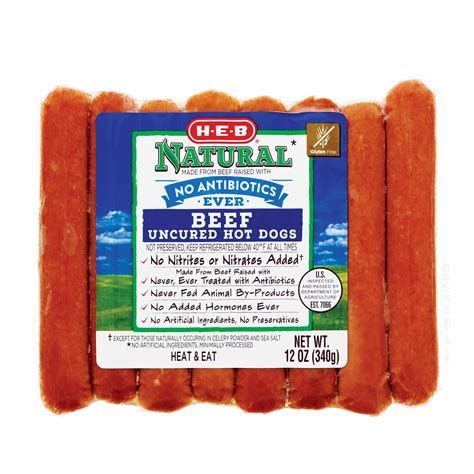
● I reached out to former colleagues in the meat processing and the food procurement departments, plus the regimented scientists in quality assurance, of (arguably the best food retailer in the United States) H-E-B FOOD-DRUGS in Texas.
These trusted QA “Partners” assured me that old report from Clear Foods was outdated and inaccurate.


● That same report was “just unfounded,” according to Davey Griffin, professor and meat specialist for the Texas A&M AgriLife Extension Service.
“Even in small plants, you don’t touch anything without gloves on.”
Inspection and quality control standards have both considerably increased and improved for hot dogs in the past decade.

Today some of the best bets for hotdogs include name brands like (alphabetical order) Applegate, Butterball, Coleman-Natural,Eckrich, H-E-B, Hebrew National, Jennie-O (turkey based), McCormick, Nathan’s Famous premium, Niman Ranch, Organic Valley, and Thousand Hills.
Some of the healthy plant brands include Lightlife and Field Roast.
A beef hot dog must be made only from cows and not include byproducts, according to the USDA. Because of precautions against bovine spongiform encephalopathy, or mad cow disease, beef franks, unlike franks made with poultry or pork meats, cannot be made with mechanically separated beef.

In addition to meat trimmings, other hot dog ingredients can include beef stock, water, salt, spices, garlic puree, celery powder, or cherry powder.
The quality of the ingredients used to make hot dogs can vary greatly. Consequently, it is important to carefully read ingredient lists and take note of any substitute proteins, fillers, or artificial ingredients. On the packaging label or on the website of a brand, you can find details about the product’s quality.
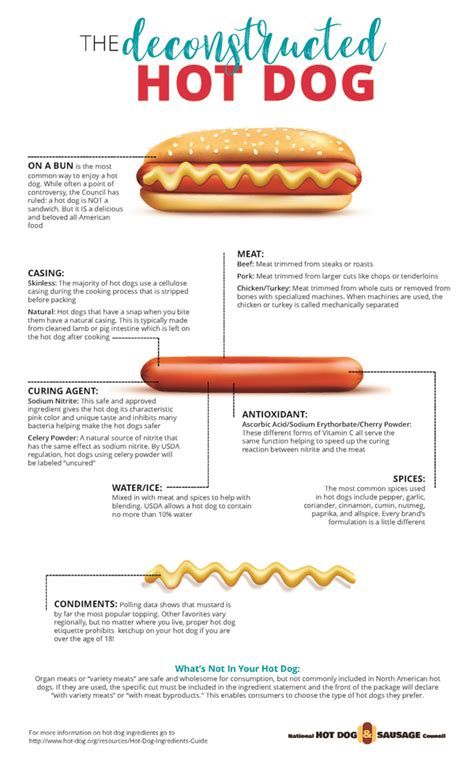
Watch out for binders and fillers that are used to bolster the size of hot dogs and other foods. If an ingredient doesn’t look familiar, it might be one of these additives.
High-quality hot dogs can also be distinguished by their appearance. Hot dogs in a package should all be the same color, but this color may vary between brands. Hot dogs from different brands may appear lighter or darker than those from other brands, and this usually indicates the amount of smoke present rather than the caliber of the product.
Organic hot dogs contain no artificial ingredients and fewer inflammatory additives, but it’s generally recommended to consume processed meats in moderation and opt for fresh cuts of meat.

Research published in Diabetes Care found that regular consumption of ultra-processed meat increases the risk of diabetes, cancer, and cardiovascular disease, which can lead to heart attacks and stroke.
Plant Based Hot Dogs
Plant-based meats are marketed as a healthier alternative to conventional hot dogs. However, these products often contain ultra-processed ingredients, including seed oils, wheat, sugar, and maltodextrin, a highly refined starch powder.
The seed oils in plant-based hot dogs include canola, soy, and sunflower, which are high in inflammatory omega-6 fatty acids linked to weight gain, metabolic imbalances, and poor immune function.
Additionally, sugar, maltodextrin, and wheat are high on the glycemic index, which means they quickly spike blood sugar. This leads to blood sugar fluctuations, which are associated with mood changes, fatigue, brain fog, and other unwanted side effects.
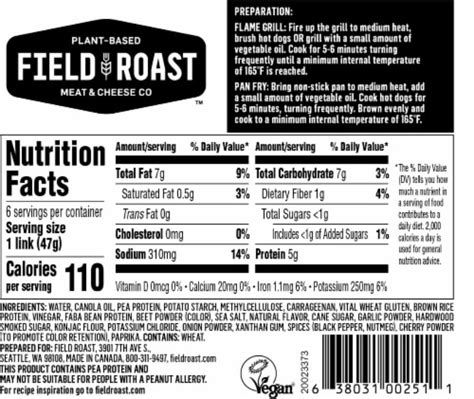
Another common ingredient in plant-based hot dogs is wheat, which contains gluten. This explains why plant-based hot dogs are a common trigger of allergies and intolerances that can inflame the gastrointestinal tract and lead to “leaky gut,” gas, and abdominal discomfort.
Regular hot dogs are made with meat from GMO-fed animals. Grain-fed beef is significantly higher in omega-6 fatty acids and contains less omega-3 fats than grass-fed and organic meat.

An imbalance of omega-6 and omega-3 fatty acids can contribute to chronic inflammation, which can lead to heart disease and autoimmune conditions.
These animals are also typically treated with antibiotics, which increases the risk of antibiotic resistance in humans. Additionally, conventionally raised livestock has raised animal welfare questions, prompting the push for alternatives.
In contrast, organic meat originates from farms with stricter animal welfare regulations prohibiting certain practices, including GMO grain feed, growth hormone injection, antibiotic use, and overcrowded conditions.

Pasture-raised, grass-fed, or grass-finished meat is also higher in omega-3 fatty acids, which play a critical role in various bodily functions, including sight, neuronal health, and immune cell activity.
Today, I must admit, that it is very rare that we both have one, but perhaps we might eat one hotdog each every few years.
How often do you eat one?
☆☆☆☆☆
IN GOD WE TRUST

Thanks for supporting independent true journalism with a small tip. Dodie & Jack

Dodie & Jack Dennis are regular customers of Green Pasture. Highly recommended.
Green Pasture Here!


Use Code CLEVER10 for a 10% discount on other Green Pasture products today!

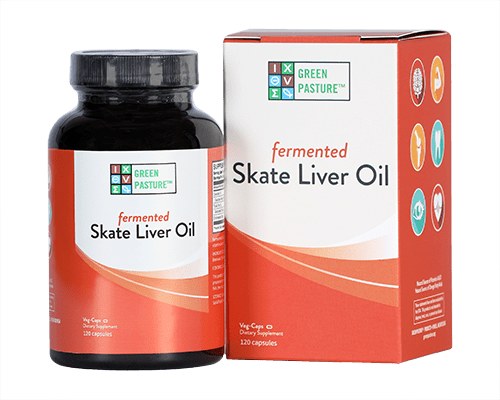
Get Your Natural Vitamins A & D from the Sea!

☆☆☆☆☆



 Clever Journeys
great post. I love hot dogs done on a charcoal grill, so over the summer months I will eat a four or five a month. I am a baseball, hot dog, apple pie guy, LOL.
LikeLiked by 3 people
My sentiments exactly! Thank you.
LikeLike
This is a great info article, badly needed. You’ve just got to read ingredients, especially on hot dogs; they can be so disgusting. The ones I get are always like Applegate, or comparable. And they taste wonderful! But right, they are processed and so I don’t have them really till summer and maybe two or three packages ever see my refrigerator. For years I wouldn’t touch them at all, until they started making good ones.
LikeLiked by 3 people
Good to know.
LikeLiked by 1 person
My grandchildren love hotdogs, so I usually have a pack or two of organic Applegate turkey hotdogs in the freezer. Or at least I try-my husband is a hotdog monster. I thoroughly enjoy your health posts. Thank you! 🙂
LikeLiked by 1 person
Yes, they taste good on a fluffy bun with all the fixings, but who knows what you are eating. Human meat? Momo still eats the things, I wont get in the same room with one. I ate plenty of them when I was a kid. Back then, we ate everything, nothing wasted, clean your plate and all that.
LikeLiked by 2 people
I have to admit when I visit any MLB stadium (not so much anymore) I always eat a hot dog.
LikeLiked by 1 person
Fond memories when growing up. The dogs were always made of leftover parts from a pig. Snoot, ears, tails, hoofs etc. I still when dining on a hot dog or sausage. I boil them in water for a bit to get rid of the salt, fat and other ingedients before the BBQ. It’s amazing what the color of the water looks like after do this. Plus I can digest the product better.
Lovely article. I wonder what a sausage is really made of?
LikeLiked by 2 people
Good question. I prefer sausage.
LikeLike
[…] Hot Dog Health […]
LikeLiked by 1 person