
Banks and consumer protection agencies are beginning to issue warnings against a growing “tap and glue” scam involving ATM tampering.
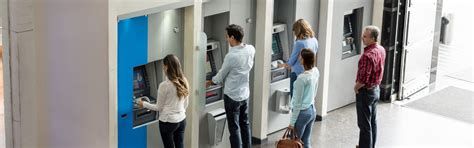
It is a good preventative practice to examine ATMs for signs of tampering, such as glue residue or a blocked card slot, before proceeding with any transaction.
Scammers first disable the card insertion slot by pouring glue into it, forcing customers to use the tap function. While this may appear to be an easy fix, it sets the stage for the scam.
Once someone taps their card and withdraws cash, they often forget to log out of their account. This leaves the session open, allowing the scammer to step in and continue withdrawing funds.
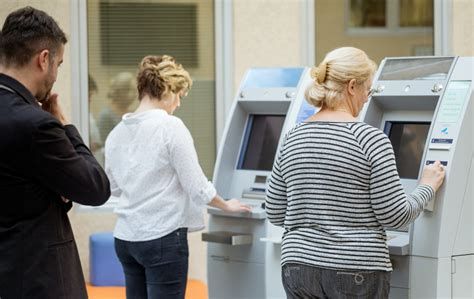
The scam relies on the victim’s unfamiliarity with tap-to-pay procedures, making it a lucrative tactic for fraudsters.
Several incidents have highlighted the effectiveness of this scam. Victims at Chase Bank ATMs in San Francisco reported significant losses after being tricked into using the tap function by seemingly helpful bystanders. These criminals, posing as fellow customers, suggested tapping the card when the traditional slot appeared jammed. Following this advice led to multiple unauthorized withdrawals from their accounts.
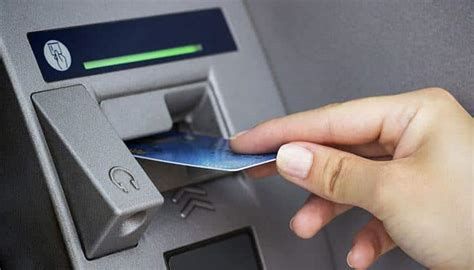
To safeguard against tap and glue scams or similar cons, follow these crucial steps:
- Inspect the ATM: Always check for any signs of tampering, like glue or unusual scratches around the card slot. If anything looks suspicious, do not use that machine.
- Log Out Properly: Ensure you log out of your account after completing a transaction, especially when using the tap function. This prevents any unauthorized access once you leave the ATM.
- Be Cautious of Strangers: Be wary of anyone offering unsolicited advice about how to use the ATM. Scammers often pose as helpful individuals to lower your guard.
- Monitor Your Accounts: Regularly check your bank statements and account activity for any unauthorized transactions. Early detection can help mitigate potential losses.
☆☆☆☆☆
IN GOD WE TRUST

Thanks for supporting independent true journalism with a small tip. Dodie & Jack

Dodie & Jack Dennis are regular customers of Green Pasture. Highly recommended.
Green Pasture Here!


Use Code CLEVER10 for a 10% discount on other Green Pasture products today!


Get Your Natural Vitamins A & D from the Sea!
DANGER CLOSE

Byrne’s DANGER CLOSE is available here.
☆☆☆☆☆



 Clever Journeys
Scammers have taken over our society. ATM alterations as you have written of, same thing with fuel pumps at a station, it goes on for pages. Calls from 817 area code that bleeps and an East Indian person tells me they are from Medicare, which is bullshit and I know it. Same calls, all day long. Fake emails that appear from Amazon or PayPal. The result is I no longer answer my phone unless it’s someone in my list, and no way I’m even opening an email. Six years ago, my wife’s debit card was scanned while in her purse while we were shopping at Traitor Joe’s, the result, thousands taken from our savings. Chase got the little shits and our money was reinstated. With all the young folks that have a computer in their skull instead of a mass of grey matter, why can’t we stop an army of foreigners from cyber attacks? Good report, Jack.
LikeLiked by 4 people
Exactly. We don’t answer phones if we don’t know who it is. One solution is to hang up, too! Sorry this happened to ya’ll.
LikeLiked by 3 people
Jack, it’s a scary world out there.
LikeLiked by 1 person
Super duper information, Jack. Our bank account was hacked twice. Both times someone from the devil’s workshop applied for a debit card because “mine” was lost. We don’t have, and don’t intend to get, a debit card. Another thing the evildoers did with our account was switch money out of our savings and put it in our checking to see if we’d notice. Also, they’d withdraw a penny or two and then add it back to see if it would alert us. Of course, it did. Who does that? Criminals.
LikeLiked by 2 people
Great post. Luckily, I either bank in person or online (with two-level verification).
LikeLiked by 3 people
Smart.
LikeLiked by 2 people
Being me, the die-hard, I don’t do anything concerning money on line, and don’t have a debit or credit card, so the ATM won’t bite me. It does mean I have to plan ahead, but that’s all.
LikeLiked by 3 people
That’s all SMART. I have one, but for travel.
LikeLiked by 1 person