Many dangerous drugs have slipped past the FDA (for many controversial reasons) and found their way into the marketplace.
When the agency approves a dangerous drug, there can be a number of consequences, often times tragic. Once news of a tragedy reaches the public, pressure mounts for FDA policy to change.
● In some cases, what is shocking is how long the drugs were on the market before their devastating side effects were acknowledged.
● In others, the amount of money the drug company paid in settlements was so huge it drew public attention and ire.
● Still others were surprising because of the fraudulent manner in which they reached the market.
Johnson & Johnson
Known as “the recall that started them all,” Johnson & Johnson’s 1982 Tylenol recall was gigantic in both scope and cost. Adjusted for inflation, the recall cost roughly $250 million.
In the end, in some ways J&J set a pioneering standard for the way corporations were supposed to handle such events. In a case of product tampering, seven people in the Chicago area died after ingesting Extra-Strength Tylenol laced with cyanide. J&J spent more than $100 million to recall 31 million bottles of its best-selling product.
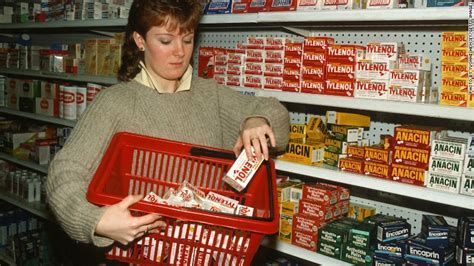

Fortunately, J&J’s swift and decisive action is credited with saving the Tylenol brand, which at the time accounted for 17% of the company’s profits. Although the stock priced swooned initially, it recovered within two months.
Unfortunately, Tylenol recalls occurred in 2010 when children’s Tylenol grape meltaway tablets, extra strength Tylenol, extra strength Tylenol rapid release gelcaps, and extra strength Tylenol PM geltabs were taken off the market because of a moldy odor and black particles. Some Motrin and Benadryl meds were also recalled.
Bayer Pharmaceutical
About 700,000 Americans took Baycol, made by Bayer Pharmaceutical, to lower their cholesterol levels before the drug was withdrawn from the market in 2001.

The reason for the recall of the drug, which was also sold under the name Lipobay, was an increasing number of reported cases of muscular weakness, or rhabdomyolysis, as a side effect. The condition causes the muscles to break down and release cells into the bloodstream, potentially causing kidney failure.
Pfizer
Long before the COVID vaccine controversies that began in 2021, Pfizer was stunned in 2005 when the Food and Drug Administration forced it to pull Bextra, an arthritis painkiller, off the market because of possible heart risks and “life-threatening” skin reactions. At the time, Bextra was one of Pfizer’s best-selling products, with annual sales of $1.3 billion in 2004.
But that was only the beginning of Pfizer’s woes.
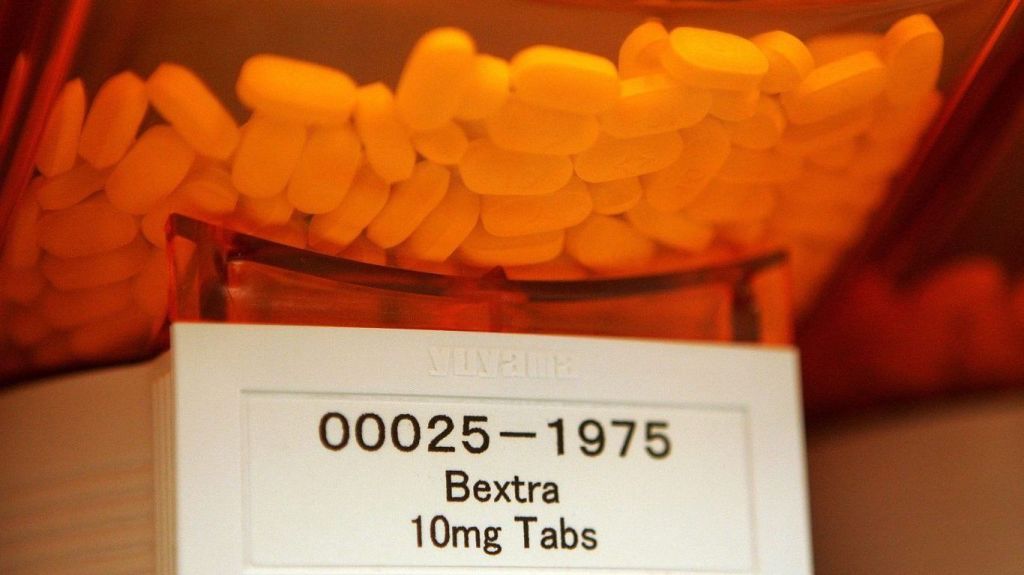
In 2009, Pfizer settled civil and criminal allegations that it had illegally marketed Bextra. Its $2.3 billion payout was the largest health-care fraud settlement and the largest criminal fine of any kind at the time. Between lost sales, fines, settlement and other costs, Pfizer took a hit of at least $3.3 billion on the Bextra recall, according to Statista.
Merck
When Merck’s Vioxx first hit the market in 1999, it was hyped as a revolutionary breakthrough medication for arthritis pain. And like Pfizer’s Bextra, it soon became a blockbuster hit.
Five years later, in September 2004, Merck was forced to pull the drug from the market after studies revealed that Vioxx greatly increased the risk of fatal heart attacks and strokes. By that point, 20 million Americans had already taken the drug. Later research estimated that 140,000 Americans had heart attacks from taking Vioxx, resulting in 88,000 deaths.
The costs in dollar terms were also staggering. The pharmaceutical giant settled a class-action lawsuit for $4.85 billion in 2007 and agreed to a $950 million settlement with the DoJ in 2011.
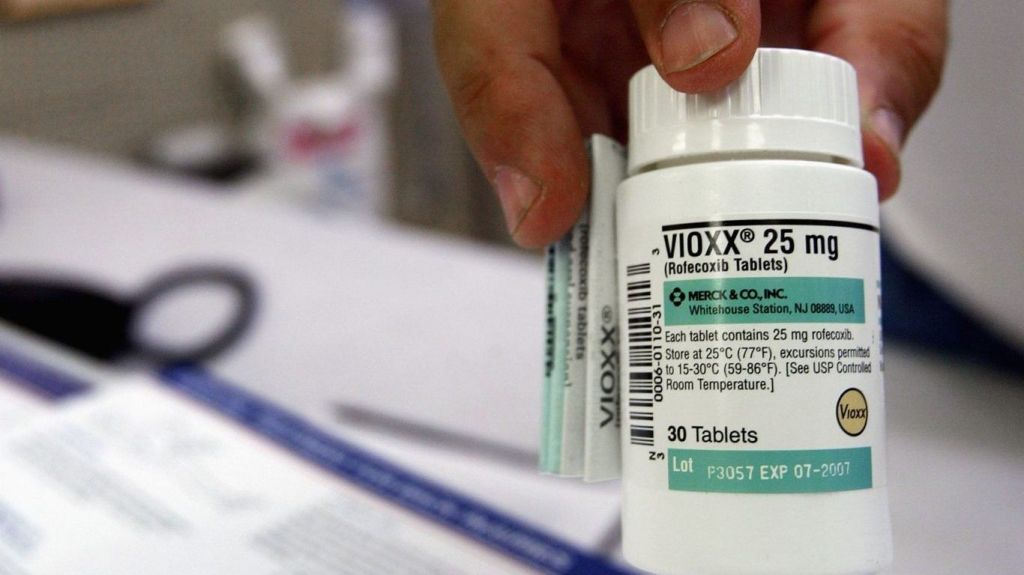
In 2016, shareholders settled a class-action lawsuit with Merck for $830 million. Statista estimates that when all other expenses are included, the Vioxx recall cost the company $8.9 billion.
Here are more examples of pharmaceutical products that all claimed to be safe for users but actually put users at risk of serious injury:
● Zantac was a popular over-the-counter heartburn medication, once advertised as safe to consumers. They eventually were linked to an increased risk of developing a number of cancers.
●Belviq, a popular weight-loss medication was linked to serious injury, despite safety claims by the manufacturer.
● Patients suffering from gout who were prescribed Uloric were at an unwarned risk of cardiovascular injury and other serious health injuries.
● Elmiron is a medication prescribed to treat pain related to interstitial cystitis.
However, the manufacturer failed to warn of potential life-threatening health risks such as serious vision injury.
● Millions of Americans suffer from arthritis and were prescribed Xeljanz as a treatment option.
Most users thought the drug to be safe, as advertised, but found out only later that Xeljanz has been linked to an increased risk of developing cancer.
☆☆☆☆☆
IN GOD WE TRUST
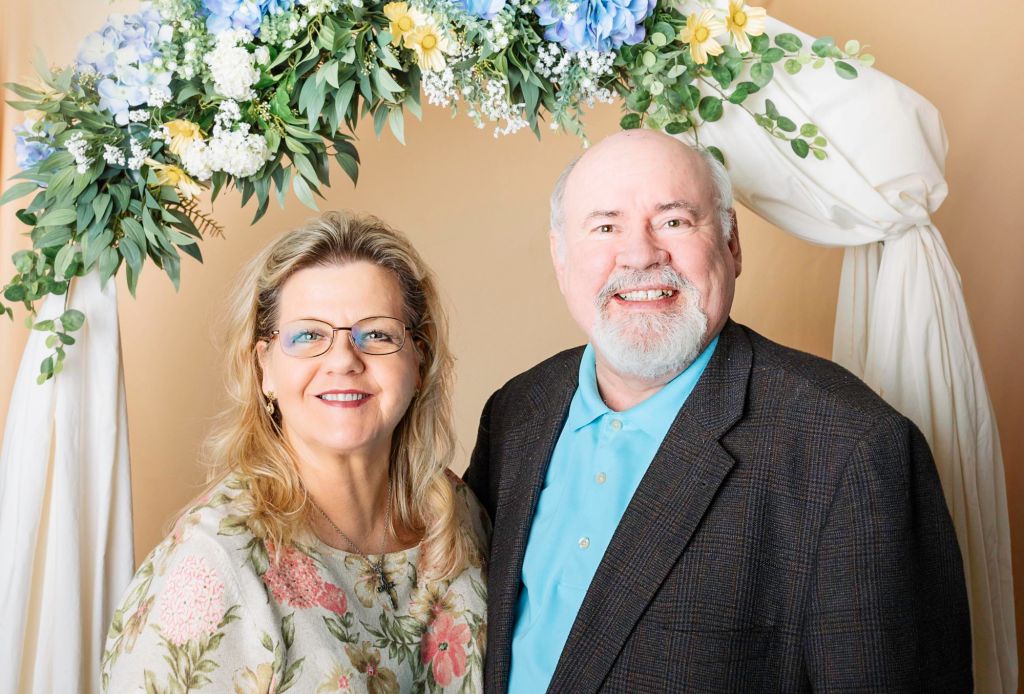
Thanks for supporting independent true journalism with a small tip. Dodie & Jack

Dodie & Jack Dennis are regular customers of Green Pasture. Highly recommended.
Green Pasture Here!


Use Code CLEVER10 for a 10% discount on other Green Pasture products today!

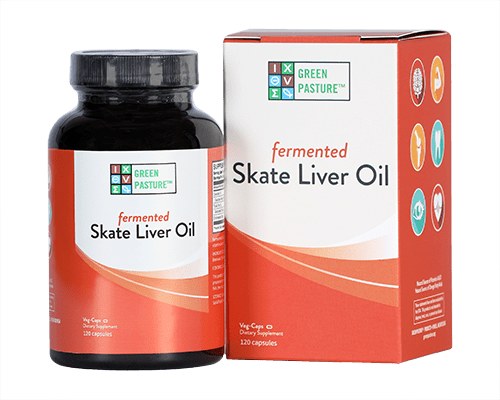
Get Your Natural Vitamins A & D from the Sea!
DANGER CLOSE

Byrne’s DANGER CLOSE is available here.
☆☆☆☆☆


 Clever Journeys
A healthy diet, supplements, herbs, spices, and daily exercise are a better investment than drugs. 🙂
LikeLiked by 1 person
Dr. Brian Ardis has a lot to say about these drugs and the natural cures to things like Long Covid that you’d be amazed to hear. I love the “somehow slipped by” line.
LikeLiked by 1 person