
From the original Sun Sessions with Sam Phillips in the mid-1950s until 1977, Elvis Presley’s voice continued becoming more mature and deeper.
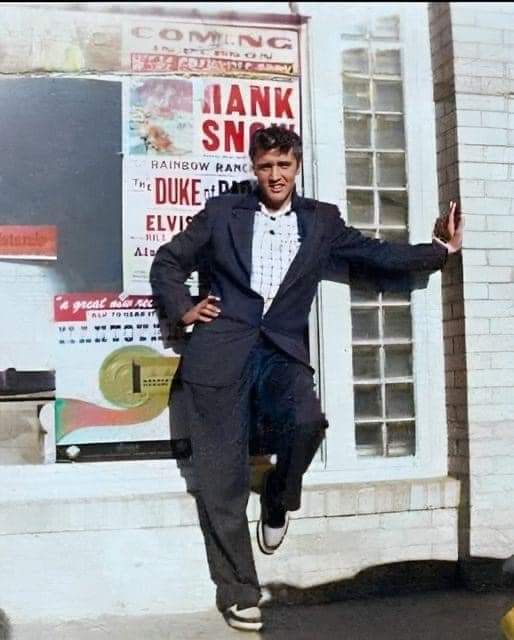
From the deep, resonant tones to the soaring high notes, Elvis had a vocal versatility that set him apart. Although his voice was often described as a “velvet baritone,” he possessed a rich and smooth quality that captivated audiences worldwide.
In reality, his distinctive voice often transcended traditional vocal classifications, blurring the lines between a baritone and a tenor.
He had an impressive lower register, capable of hitting notes that would give a bass singer a run for their money, but he also had the strong ability for reaching incredible heights. When Elvis hit those soaring high notes, the audience couldn’t help but feel a rush of adrenaline. Songs like “Can’t Help Falling in Love” highlighted his effortless mastery of the upper register.
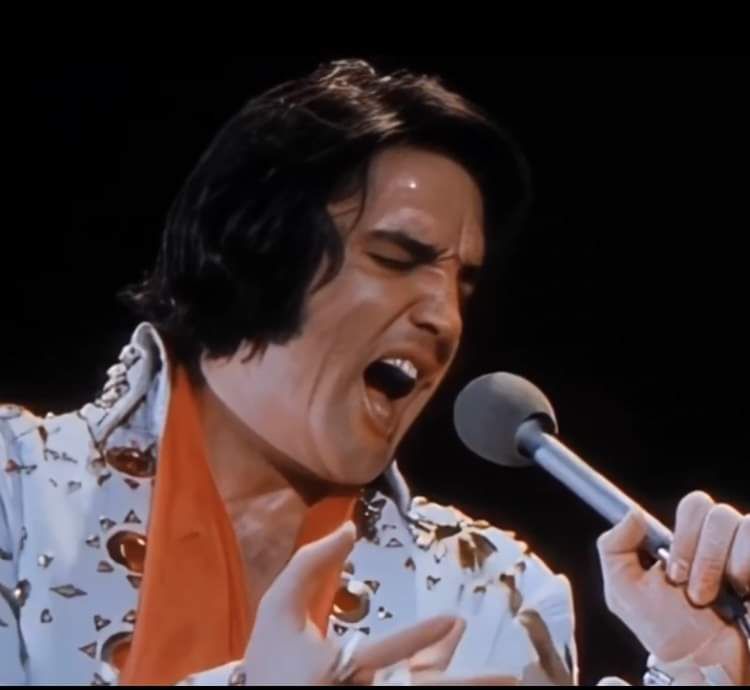
Elvis’s middle ground allowed him to navigate through melodies with ease, showcasing his remarkable control and versatility. Whether he was belting out a rock and roll anthem or crooning a heartfelt ballad, his midrange was always on point.
There was a noticable step up in range (perhaps while practicing and building his voice during his Army days in Germany) and enormous growth during the 1975-1977 era.
In his last years, many life long fans noticed a stronger superpower in his voice.
If Elvis would have performed “Hurt” on stage in 1970-1973, he may have struggled because his voice was quite raspy with “Vegas Throat” from the dry desert air conditions and performing more than one show each day.
His voice strength was awesome during his Aloha From Hawaii and Live at Madison Square Garden days but his strength, endurance, and range continued growing.
Charlie Hodge
In 1976, I played pinball against Charlie Hodge at the Hickory Log (almost across the street from Graceland) and during a burger break he mentioned the times during their Army days that “Elvis just wouldn’t give up building and expanding his voice.”
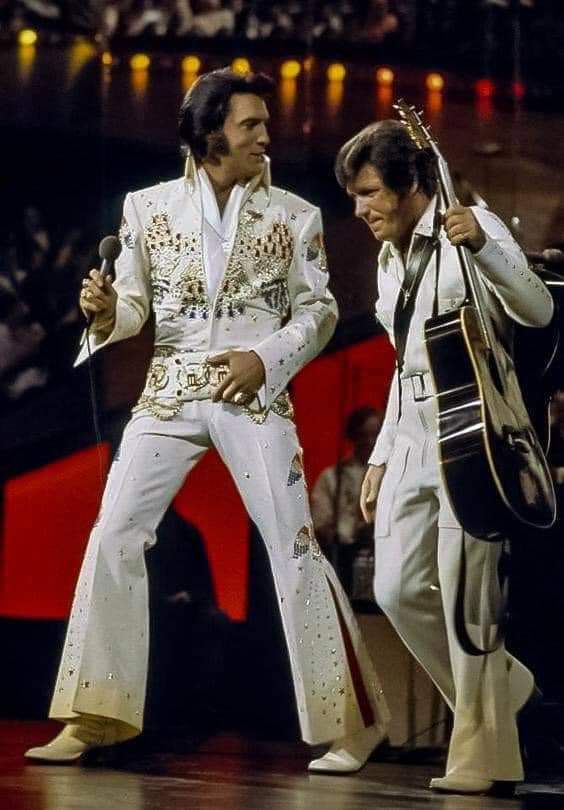
“We were forever trying out new songs and expanding-experimenting on old ones,” said the friend who not only accompanied Elvis on stage, but was famous for handing him his scarfs to throw out to fans.
“During rehearsals for new recordings or even concerts, Elvis learned and tested ideas and ranges with the collaboration of J.D. Sumner, The Imperials and the Stamps Quartet.”
Austin Butler
There was much hullabaloo about actor Austin Butler’s almost uncanny voice in his portrayal of Elvis Presley in the Baz Luhrmann 2022 movie Elvis.

“I created my own archive of how he said every word and every diphthong, and the way that he used musicality in his voice,” Butler explained. “I’d just keep honing it (cadence and rhythm) in until I could get as specific as possible.”
The Voice
In the 1974 book, The Great American Popular Singers’ attention to his voice tried to describe Elvis Presley “variously as a baritone and a tenor. An extraordinary compass- the so-called register, and a very wide range of vocal color have something to do with this divergence of opinion. His voice covered at least two octaves and a third, from the baritone low-G to the tenor high B, with an upward extension in falsetto to at least a D flat.”
“Presley’s best octave was in the middle, D-flat to D-flat, granting an extra full step up or down. Some called him a high baritone.”
“In ‘It’s now or never’, (1960), he ended it in a full voice cadence (A, G, F), that has nothing to do with the vocal devices of R&B and Country. That A-note is hit right on the nose, and it is rendered less astonishing only by the number of tracks where he landed easy and accurate B-flats.”
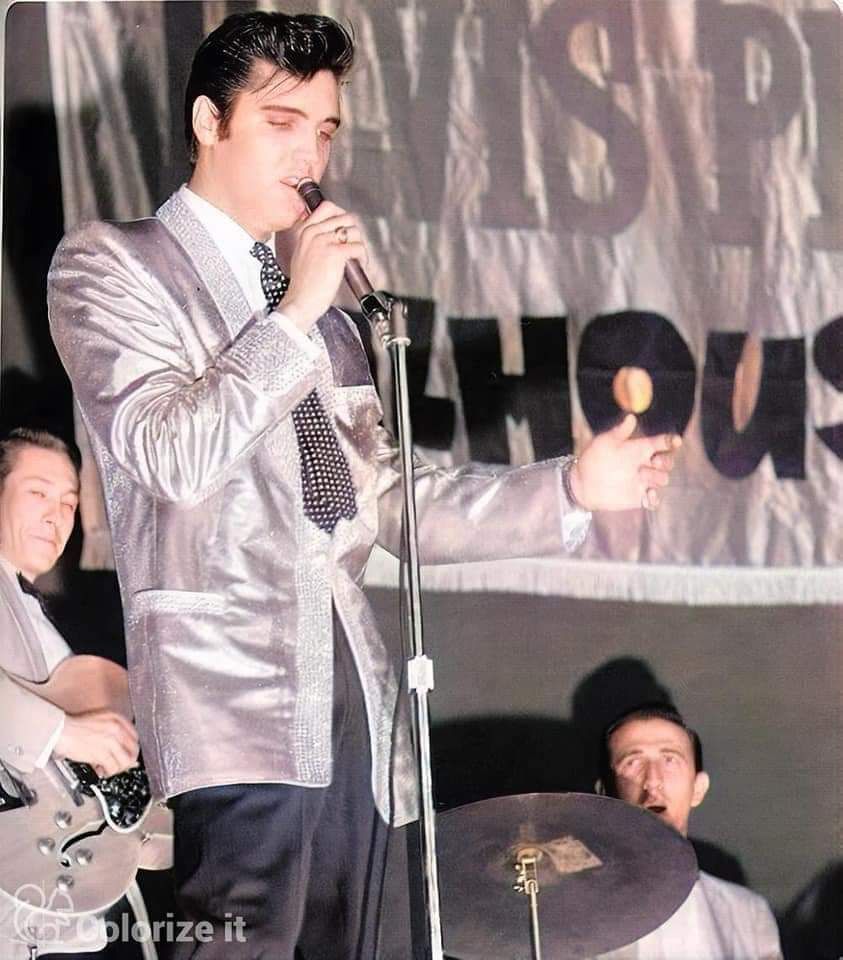
“He could not be confined to one type of vocal production. In ballads and country songs, he belted out full-voiced high G’s and A’s that an opera baritone might envy. He was a naturally assimilative stylist with a multiplicity of voices – in fact, Elvis’ is an extraordinary voice or many voices.”
What Others Said About Elvis
Plácido Domingo
“The only voice I envy is Elvis Presley’s. His was the one voice I wish to have had.”
Elvis was technically fearless and instinctive in his use of technique. In his early material in particular it is as if his voice is finding and creating the lyrics as he is singing them.
Cathyrn Robson, Sr. Lecturer, University of Westminster
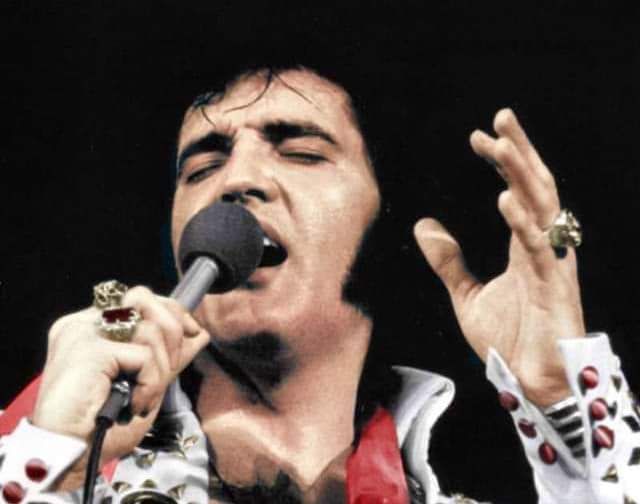
People talk of his range and power, his ability and ease in hitting the high notes. But the real difference between Elvis and other singers was that he could sing majestically in any style, be it rock, country, or R&B – because he had soul. He sang from the heart. And that is what made him the greatest singer in the history of popular music.
John Owen Williams, Record Producer
Rod Stewart
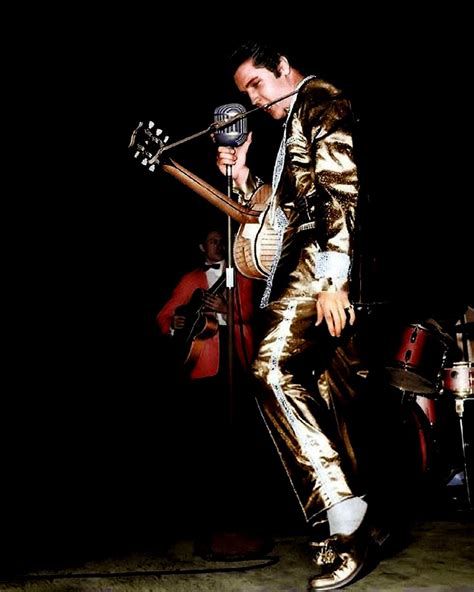
Elvis was the king. No doubt about it. People like myself, Mick Jagger and all the others only followed in his footsteps.
Ian Gillan of Deep Purple
He had a natural, technical ability, but there was something in the humanity of his voice, and his delivery. Those early records at the Sun Records label are still incredible and the reason is simple: he was the greatest singer that ever lived.
John Lennon
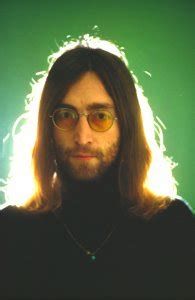
Before Elvis, there was nothing.
Dave Marsh
Elvis Presley was an explorer of vast new landscapes of dream and illusion. He was a man who refused to be told that the best of his dreams would not come true, who refused to be defined by anyone else’s conceptions.
This is the goal of democracy, the journey on which every prospective American hero sets out. That Elvis made so much of the journey on his own is reason enough to remember him with the honor and love we reserve for the bravest among us. Such men made the only maps we can trust.

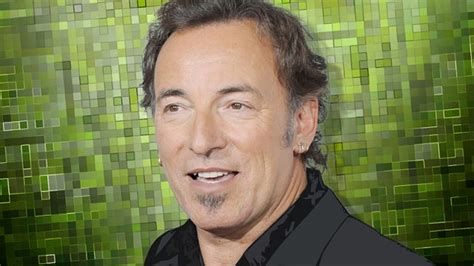
Bruce Springsteen
There have been a lot of tough guys. There have been pretenders. And there have been contenders. But there is only one king.
Bob Dylan
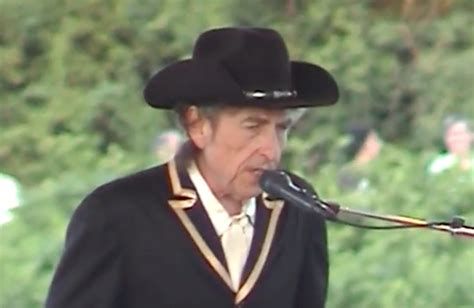
When I first heard Elvis’ voice I just knew that I wasn’t going to work for anybody; and nobody was going to be my boss. Hearing him for the first time was like busting out of jail.
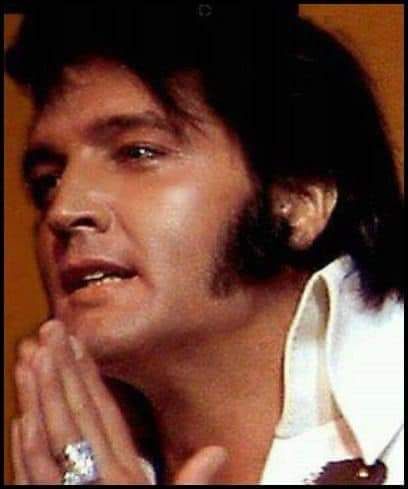
Beyond his vocal range was Elvis Presley’s passionate delivery, emotive interpretation, and magnetic stage presence that made him an icon. Elvis had the rare ability to infuse his performances with an undeniable energy and charisma that resonated deeply with his audience, leaving an indelible mark on the music industry.
☆☆☆☆☆
IN GOD WE TRUST
Thanks for supporting independent true journalism with a small tip. Dodie & Jack

Green Pasture Here!


Use Code CLEVER10 for a 10% discount on other Green Pasture products today!


 Clever Journeys
Two of my favorite Elvis songs are “Kentucky Rain” and “Can’t Help Falling in Love.” I knew Elvis had a great voice, but I never realized how extraordinary it really was. 🙂
LikeLiked by 2 people
Thank you so much for this wonderful article. I certainly enjoyed it and re-blogged it to my own website.
I certainly do appreciate all the good work that you do.
Linda Hood Sigmon
LikeLike
[…] Story of Elvis Presley and June Juanico 8-Year-Old Denise Sanchez Met Elvis Before She Died Elvis Presley’s Voice Explained Elvis and the Blind Little Girl Heart Warming Memories For Kurt Russell With Elvis Presley […]
LikeLike
An instrument extraordinaire. A voice of many frequencies, made by the Maker.
LikeLiked by 1 person