
Five years ago today, 12 additional and irregular moons were discovered orbiting Jupiter.
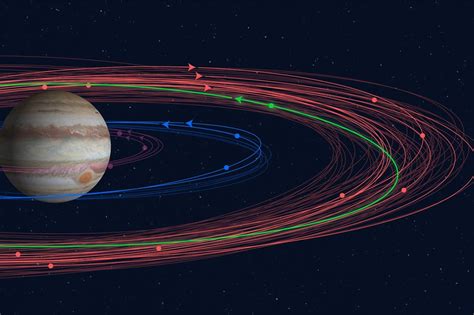
Scott Sheppard, the man who discovered these moons, is responsible for the discovery of a total of 82 of Jupiter’s 95 moons as of 2023, the three most recent of which were announced in February of this year.
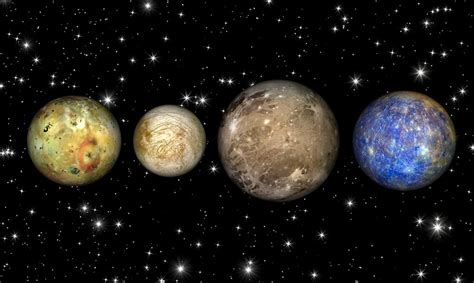
The first four moons were discovered by Galileo Galilei in 1610.
These 4 moons contain 99.997% of all matter in constant orbit around Jupiter, with the 91 other moons and Jupiter’s subtle rings accounting for the remaining 0.003%.
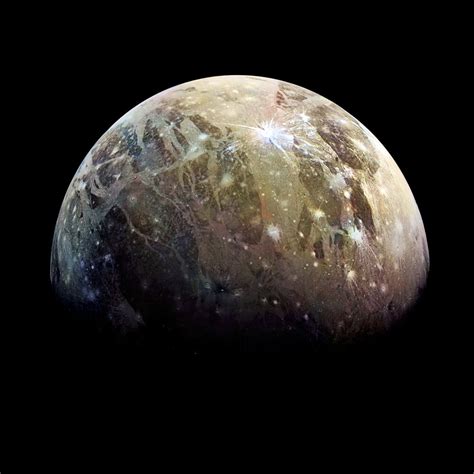
Ganymede, the largest of Jupiter’s moons, is larger than Mercury, and thus the 8th largest object to orbit our sun.
NASA says it is “bigger than the planet Mercury and the dwarf planet Pluto, but NASA’s Hubble Space Telescope has found the best evidence yet for an underground saltwater ocean on Ganymede. The ocean is thought to have more water than all the water on Earth’s surface.”
“Ganymede’s ocean is estimated to be 60 miles (100 kilometers) thick – 10 times deeper than Earth’s ocean – and is thought to be buried under a 95-mile- (150-kilometer-) thick crust of mostly ice. Identifying liquid water is crucial in the search for habitable worlds beyond Earth and in the search for life as we know it.”
☆☆☆
IN GOD WE TRUST

Thanks for supporting independent true journalism with a small tip. Dodie & Jack

Use Code CLEVER10 for a 10% discount on Green Pasture products today!


CINDY LEAL MASSEY, TEXAS AUTHOR

 Clever Journeys
The Galilean Moons can be seen with Binoculars. Truthfully, I had no idea Jupiter had 95 Moons, but have observed the Galilean Moons hundreds of times with Telescopes and Binoculars.
The four Galilean Moons orbit relatively quickly, so that some nights one or more may be obscured behind Jupiter, may be Transiting the Disk of Jupiter in the Front (and they are bright, as is the view of Jupiter, so if they can be seen, it’s not necessarily easy with average equipment) or they may be aligned on one side, or the other side, as viewed, or two on one side two on the other, or other combinations.
Find Jupiter, use Binoculars from Night to Night, look for the Galilean Moons, and enjoy a awesome natural display. Planets typically present a Disk when viewed through a Telescope or Binoculars, and Stars “should” be tiny points of Light, except for “𝘐𝘧 𝘺𝘰𝘶 𝘢𝘳𝘦 𝘴𝘦𝘦𝘪𝘯𝘨 𝘢 𝘥𝘪𝘴𝘬 [when viewing a Star] 𝘪𝘵 𝘪𝘴 𝘤𝘢𝘭𝘭𝘦𝘥 𝘵𝘩𝘦 𝘈𝘪𝘳𝘦𝘺 𝘥𝘪𝘴𝘬 𝘸𝘩𝘪𝘤𝘩 𝘪𝘴 𝘢 𝘳𝘦𝘴𝘶𝘭𝘵 𝘰𝘧 𝘵𝘦𝘭𝘦𝘴𝘤𝘰𝘱𝘦 𝘰𝘱𝘵𝘪𝘤𝘴. 𝘓𝘢𝘳𝘨𝘦𝘳 𝘵𝘦𝘭𝘦𝘴𝘤𝘰𝘱𝘦𝘴 𝘩𝘢𝘷𝘦 𝘴𝘮𝘢𝘭𝘭𝘦𝘳 𝘈𝘪𝘳𝘦𝘺 𝘥𝘪𝘴𝘬𝘴 𝘸𝘩𝘪𝘤𝘩 𝘦𝘹𝘱𝘭𝘢𝘪𝘯𝘴 𝘵𝘩𝘦𝘪𝘳 𝘢𝘣𝘪𝘭𝘪𝘵𝘺 𝘵𝘰 𝘳𝘦𝘴𝘰𝘭𝘷𝘦 𝘮𝘰𝘳𝘦 𝘥𝘦𝘵𝘢𝘪𝘭𝘴.”
Nevertheless, the Planets follow the same path that the Sun would take during the day, referred to as the Ecliptic.
“𝘛𝘩𝘦 𝘱𝘭𝘢𝘯𝘦𝘵𝘴 𝘥𝘰𝘯’𝘵 𝘳𝘦𝘮𝘢𝘪𝘯 𝘦𝘹𝘢𝘤𝘵𝘭𝘺 𝘰𝘯 𝘵𝘩𝘦 𝘦𝘤𝘭𝘪𝘱𝘵𝘪𝘤, 𝘣𝘶𝘵 𝘵𝘩𝘦𝘺 𝘴𝘵𝘢𝘺 𝘱𝘳𝘦𝘵𝘵𝘺 𝘤𝘭𝘰𝘴𝘦 𝘵𝘰 𝘪𝘵 𝘢𝘵 𝘢𝘭𝘭 𝘵𝘪𝘮𝘦𝘴. 𝘜𝘯𝘭𝘪𝘬𝘦 𝘵𝘩𝘦 𝘚𝘶𝘯, 𝘩𝘰𝘸𝘦𝘷𝘦𝘳, 𝘵𝘩𝘦 𝘱𝘭𝘢𝘯𝘦𝘵𝘴 𝘥𝘰𝘯’𝘵 𝘢𝘭𝘸𝘢𝘺𝘴 𝘮𝘰𝘷𝘦 𝘪𝘯 𝘵𝘩𝘦 𝘴𝘢𝘮𝘦 𝘥𝘪𝘳𝘦𝘤𝘵𝘪𝘰𝘯 𝘢𝘭𝘰𝘯𝘨 𝘵𝘩𝘦 𝘦𝘤𝘭𝘪𝘱𝘵𝘪𝘤. 𝘛𝘩𝘦𝘺 𝘶𝘴𝘶𝘢𝘭𝘭𝘺 𝘮𝘰𝘷𝘦 𝘪𝘯 𝘵𝘩𝘦 𝘴𝘢𝘮𝘦 𝘥𝘪𝘳𝘦𝘤𝘵𝘪𝘰𝘯 𝘢𝘴 𝘵𝘩𝘦 𝘚𝘶𝘯, 𝘣𝘶𝘵 𝘧𝘳𝘰𝘮 𝘵𝘪𝘮𝘦 𝘵𝘰 𝘵𝘪𝘮𝘦 𝘵𝘩𝘦𝘺 𝘴𝘦𝘦𝘮 𝘵𝘰 𝘴𝘭𝘰𝘸 𝘥𝘰𝘸𝘯, 𝘴𝘵𝘰𝘱, 𝘢𝘯𝘥 𝘳𝘦𝘷𝘦𝘳𝘴𝘦 𝘥𝘪𝘳𝘦𝘤𝘵𝘪𝘰𝘯!”
The previous paragraph says that Planets may appear to move Retrograde, this is caused by one planet being overtaken in orbit by another. An observer on the Earth sees motion that seems inexplicable for days, or weeks, when looking at the Planet on the Background of Stars. It is caused by this effect.
LikeLiked by 2 people
So interesting. Sometimes our local library has a nighttime event with a local astronomy club. Here in Southwest Texas, we are far from cities & enjoy very dark skies. I tried with my binoculars a a few minutes ago, with not much luck. Will try again on a better night or we will wait for the next astronomers club meeting & peer through their awesome telescopes.
LikeLiked by 2 people
Fascinating, so much to learn. They look like jewels or marbles in the sky, don’t they?
LikeLiked by 2 people
Ha! I’ve thought that too!
LikeLiked by 2 people
So big to us, but God’s little toys.
LikeLiked by 2 people
Right!
LikeLiked by 2 people