
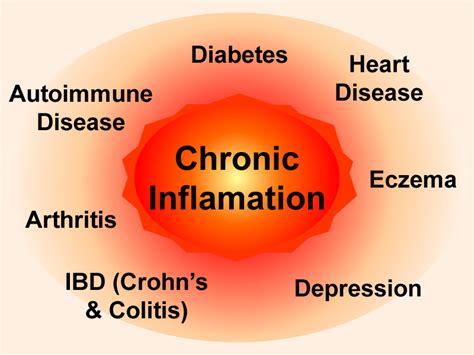
Around 60% of deaths around the world occur due to chronic inflammation.
While some inflammation in the body is important to help recover from an injury or illness, it is very important to get rid of chronic inflammation.

It is a hallmark of aging and all of the other age-related diseases that we suffer from as we get older.
Inflammation is a natural reaction in the body that responds to some kind of harm, explains Cheng-Han Chen, M.D., an interventional cardiologist and medical director of the Structural Heart Program at MemorialCare Saddleback Medical Center in Laguna Hills, CA. “It is an important part of the body’s healing process and typically acts behind the scenes,
The danger is when inflammation becomes chronic. Then, it may cause harmful effects to different parts of the body and fuel autoimmune disorders,
Inflammation may also interfere with hormone production in the brain, including those that regulate our sleep and wake cycles.

Hormones such as serotonin and dopamine are affected by inflammation, and their disruption can cause sleep fragmentation and less restorative sleep.
As cells age, they secrete inflammatory proteins called cytokines, old cells that sit around and obstruct the young cells from working. They cause damage to the tissues and organs, leading to a host of serious health conditions like dementia, arthritis, and heart disease,
Lack of adequate sleep can affect immune function regulation. Inflammation causes sleep loss, and inadequate or insufficient sleep triggers a systemic increase in inflammatory mediators, perpetuating the problem.
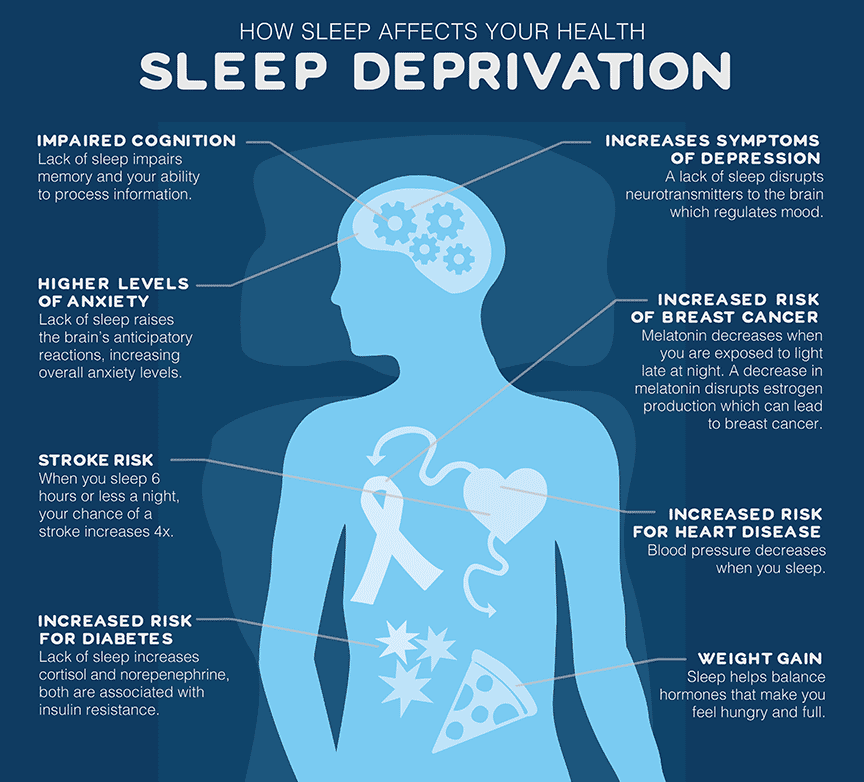






Sleep deprivation also increases cytokine production. Studies in rodents have shown that sleep loss or deprivation can lead to changes in the blood-brain barrier and allow more inflammatory molecules to cross into the brain.
Poor sleep is typically associated with lower levels of melatonin, the hormone that regulates your sleep-wake cycle (a.k.a. your circadian rhythm).
While melatonin has some anti-inflammatory effects, it’s levels drop in conjunction with poor sleep. Those anti-inflammatory properties also vanish, paving the way for more inflammation.
Strategies to improve sleep regulation, such as keeping a regular bedtime and morning routine, using relaxation approaches to help prepare for sleep, and ensuring that our sleep environment is adequate for sleep are all beneficial.
Doing anything before bed that keeps your brain working, such as finishing an assignment for your job, running through your schedule for the upcoming week, or reading a thriller or mystery novel, may hurt your sleep.
“A consistent sleep schedule will help you fall asleep more quickly and stay asleep through the night,” says Morgan Soffler, M.D., an assistant professor of pulmonary, critical care, and sleep medicine at New York Medical College. Waking up at the same time every day can also help. “Setting a consistent go to bed schedule and a wake-up time in the morning is very important for helping align your circadian rhythm with the earth’s day/night cycle, and getting light exposure shortly after waking up further helps with this.”
The key things to lowering the risk of chronic inflammation:
• Get at least seven hours of sleep a night.
• Minimize inflammatory foods in your diet, like fried foods, processed meat, and refined processed carbohydrates, while focusing on whole foods.
• Get regular physical activity.
• Avoid tobacco and alcohol.
• Try to maintain a healthy weight.
• Try to manage your stress levels.
To receive free email notification, when we post new articles like this, sign up below. Clever Journeys does & will not sell or share your information with anyone.
In God We Trust

______________
Please Support This Stellar American Owned Business
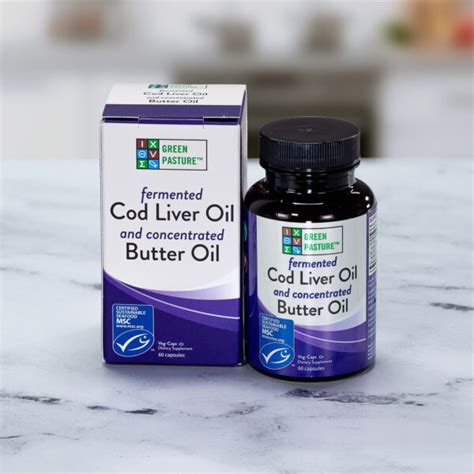
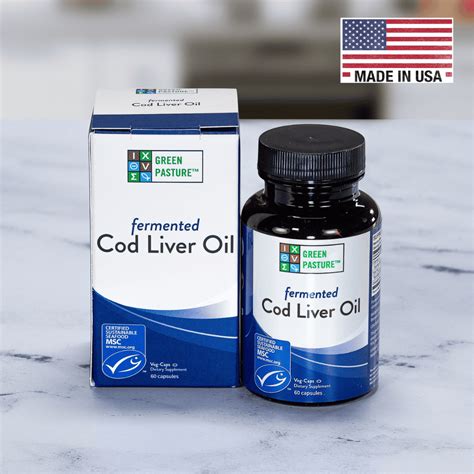
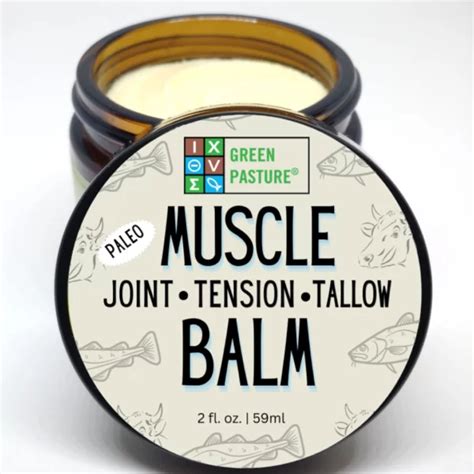
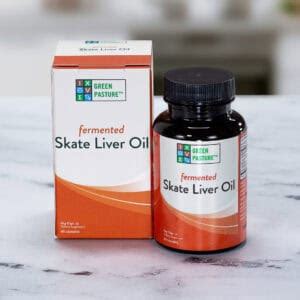
Get Your Natural Vitamins A & D from the Sea!












Thanks for highlighting the important links between poor sleep and chronic inflammation. The image showing the impact of sleep deprivation is eye-opening. Valuable post! 🙂
LikeLiked by 2 people
Good stuff.
LikeLiked by 1 person