
In 1980, I interviewed a man who showed that real courage does not necessarily need attention. Sometimes it only needs ninety seconds in the dark. You need the conviction to spend those seconds serving something greater than yourself.
Long before the Oval Office, he volunteered for one of the most dangerous jobs of his life. This was before the Nobel Peace Prize and before he became known around the world for humanitarian work.
He was just 28 years old.
December 12, 1952. Chalk River, Ontario, Canada.
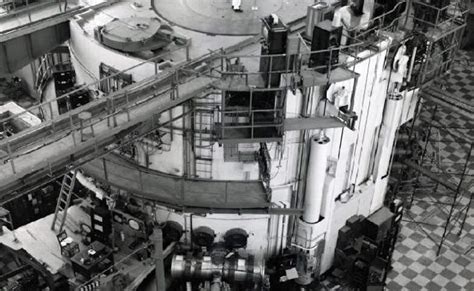
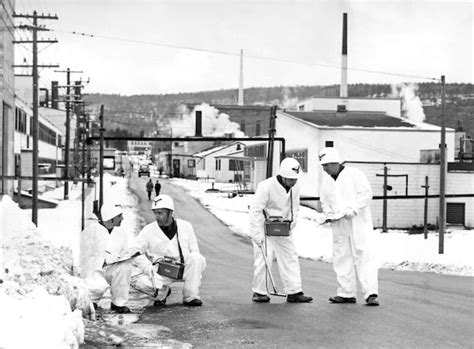
Inside the National Research Experimental reactor facility, something had gone terribly wrong. A series of operator mistakes and mechanical failures caused a serious accident and partial meltdown in the reactor core. Fuel rods were damaged, hydrogen gas exploded, and radioactive water flooded the basement of the reactor building.
It was North America’s first major nuclear accident. About one million gallons of radioactive water poured into the basement.
Radiation levels inside the building were extremely dangerous. Anyone who entered could stay only a very short time before receiving a serious dose.
The Canadian government needed help right away, so they turned to the United States Navy’s nuclear program. Rickover chose a team of young officers to go to Canada and help control the disaster.
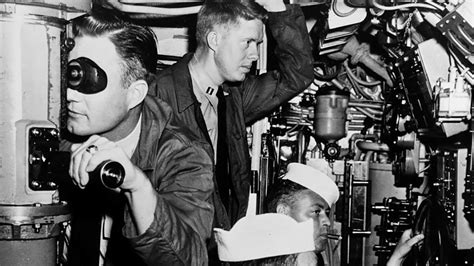
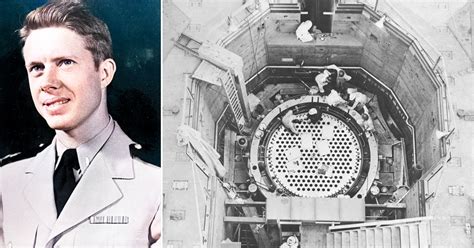
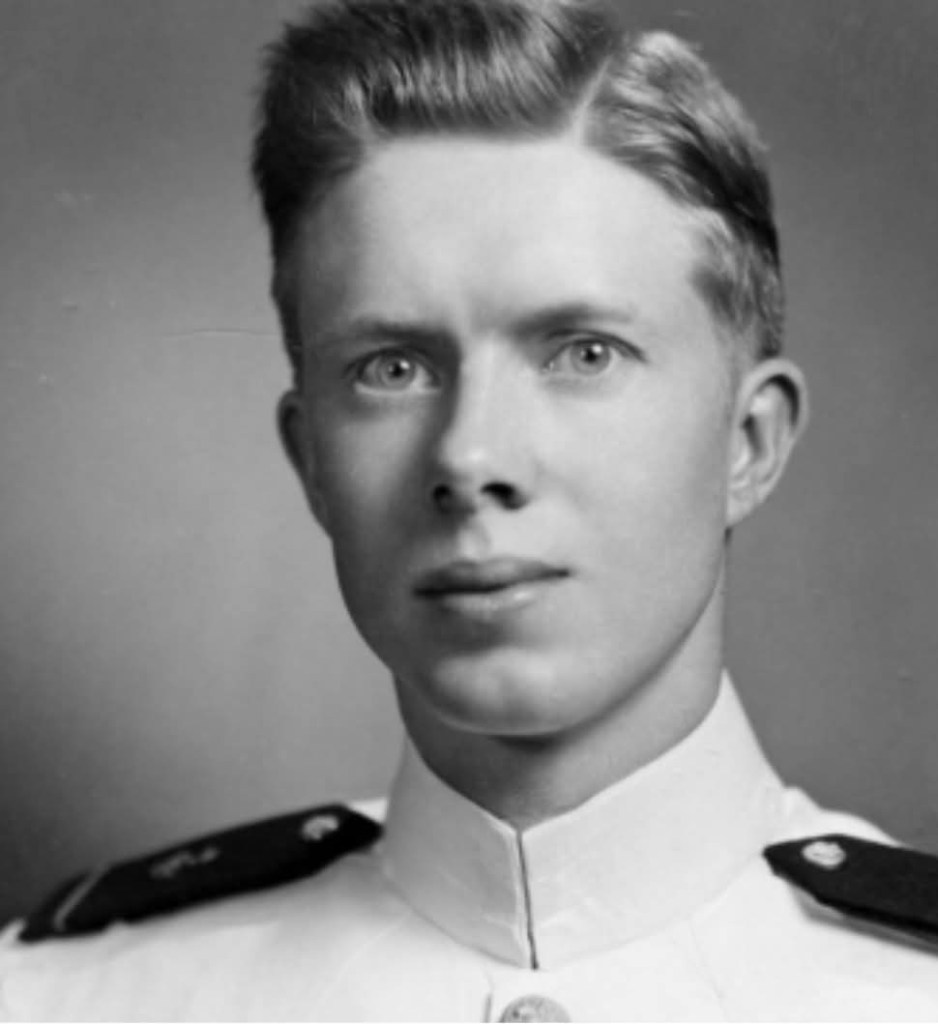
One of them was Lieutenant James Earl Carter Jr., a twenty-eight-year-old nuclear engineer from Plains, Georgia.
When Carter arrived at Chalk River, he understood at once how dangerous the job would be. The reactor core required manual disassembly, piece by piece. The environment was so radioactive that no one could stay inside for long.
They calculated the limit. Each person would have about ninety seconds before going beyond safe exposure levels.
Ninety seconds to go in, find the assigned part, remove it, and get out.
There was no room for mistakes. No second chances.
Carter and his team created a plan so careful it almost seemed unbelievable. First, they built a full-scale copy of the damaged reactor on a nearby tennis court. There, they practiced every movement in advance.
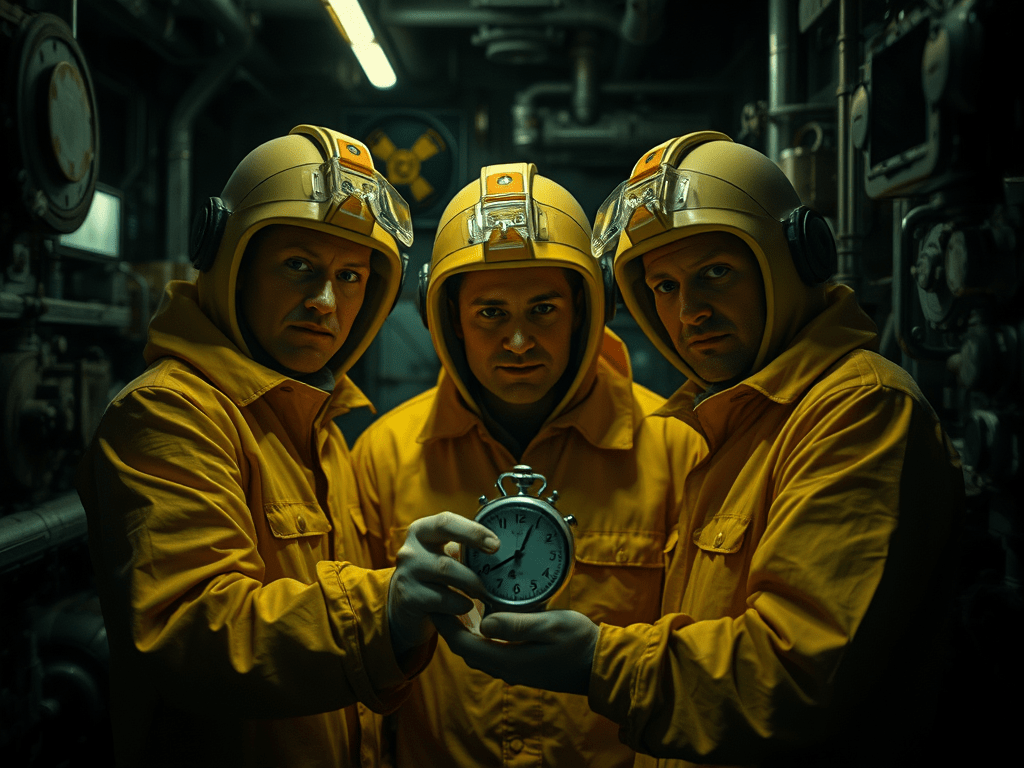
Then they divided the work into exact tasks, each one designed to be finished in less than ninety seconds. Every man practiced his role again and again until the motions became automatic.
Once inside the real reactor, in protective gear, dim light, and intense heat, there would be no time to stop and think.
Then the real work began.
One by one, the team members put on protective gear, received their assignments, and entered the reactor building. Carter not only directed the operation. He went in himself.
He crawled through tight spaces in the damaged facility. He worked in near darkness. He dismantled radioactive machinery piece by piece. He relied on training and a stopwatch to tell him when his ninety seconds were almost over.
Then he came out, and the next man went in.
Again and again, different team members made these short, dangerous entries. Each one took a small, measured dose of radiation so the work could continue.
The full operation took months to finish, but the immediate crisis was brought under control within weeks, largely because of the coordinated and dangerous work done by Carter’s team.
Years later, in his memoir Why Not the Best?, Carter described the experience:
“We went into the reactor itself. The radiation intensity meant that each person could spend only about ninety seconds in the contaminated area… For several months afterward, my urine was radioactive.”
Think about that for a moment. The future President of the United States absorbed enough radiation during this mission that his body remained measurably radioactive for months.
He knew the risk, and he volunteered anyway.
That was what leadership meant to Jimmy Carter. Not speeches from a safe distance, but stepping into danger when duty required it.
This was not his last encounter with nuclear danger. Carter later served in the nuclear submarine program under Admiral Hyman Rickover, who demanded technical excellence and moral discipline from his officers.
The experience shaped the way Carter thought about nuclear power, nuclear weapons, and leadership itself. When he became president in 1977, one of his major achievements was signing the SALT II nuclear arms control treaty with the Soviet Union.
He had seen radiation contamination up close. He had felt its effects in his own body.
But Chalk River was only the beginning of a life spent showing up when others would not.
After losing his 1980 re-election bid to Ronald Reagan, Carter could have retired in comfort. He could have given speeches and collected appearance fees, as many former presidents do. Instead, he spent the next four decades building homes with Habitat for Humanity. He continued even into his nineties. He monitored elections in developing countries. He fought disease in Africa through the Carter Center. He helped mediate international conflicts. He taught Sunday school in Plains, Georgia, week after week for decades.
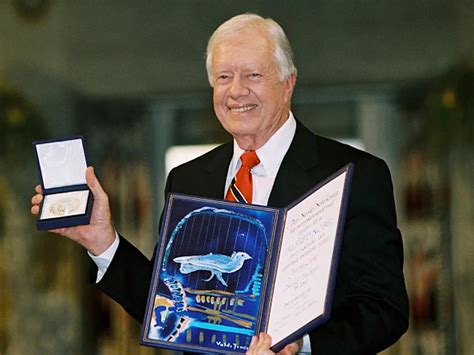
In 2002, he won the Nobel Peace Prize “for his decades of untiring effort to find peaceful solutions to international conflicts, to advance democracy and human rights, and to promote economic and social development.”
The Nobel Committee made clear that much of his most important work came after he left office. His greatest contributions were not based on political power, but on moral conviction.
He lived longer than any other U.S. president, dying in 2024 at age 100. Almost until the end, he kept working, kept showing up, and kept serving.
Critics sometimes said Jimmy Carter was too humble, too decent, and not political enough to be a truly effective president. Maybe they were right. Maybe he was not ruthless enough for politics.
But in 1952, when a nuclear reactor was badly damaged, and radiation was spreading through a facility, nobody wanted a politician. They wanted someone willing to walk into danger. They wanted someone who understood sacrifice not as a slogan, but as something physical and real.
They got Jimmy Carter.
The man who taught Sunday school for forty years learned early that faith means showing up in the dark, not knowing whether you will be safe, but knowing it is the right thing to do.
Most leaders speak about sacrifice from a distance, in carefully prepared words delivered from secure places. Jimmy Carter put on a radiation suit, set a stopwatch for ninety seconds, and crawled into a reactor area.
That was not political theater. That was not campaign language.
That was real leadership. The kind that does not need cameras or praise. The kind that asks only: What needs to be done, and who will do it?
And when the answer is dangerous, the leader goes first.
☆☆☆☆
To receive free email notification, when we post new articles like this, sign up below. Clever Journeys does & will not sell or share your information with anyone.
☆☆☆☆☆
IN GOD WE TRUST

Thanks for supporting independent true journalism with a small tip. Dodie & Jack


CLICK HERE for GREEN PASTURE BENEFITS

Use Code CLEVER10 for a 10% discount on Green Pasture products today!


☆☆☆☆☆


☆☆☆☆☆

By award-winning Texas author Cynthia Leal Massey.

 Clever Journeys
Another great PC of history. Thks for your gift of written communication
LikeLike
Carter and his team showed extraordinary courage. Surprisingly, despite a boatload of radiation exposure, he still lived to be a hundred! 🙂
LikeLiked by 1 person