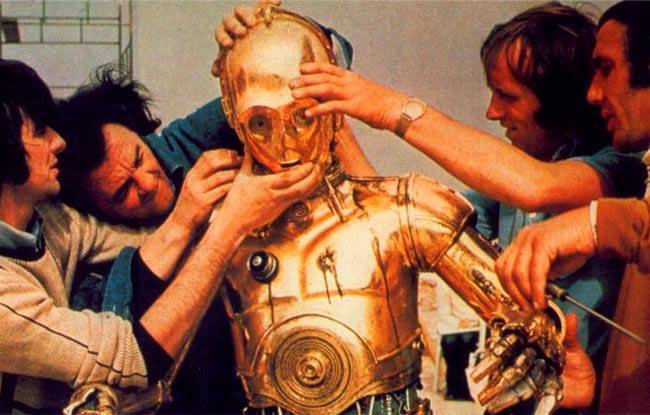
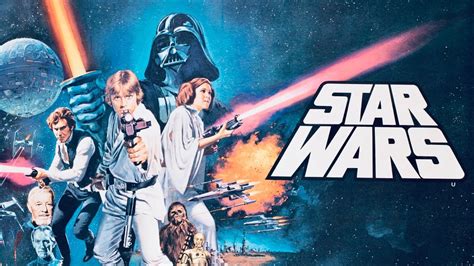
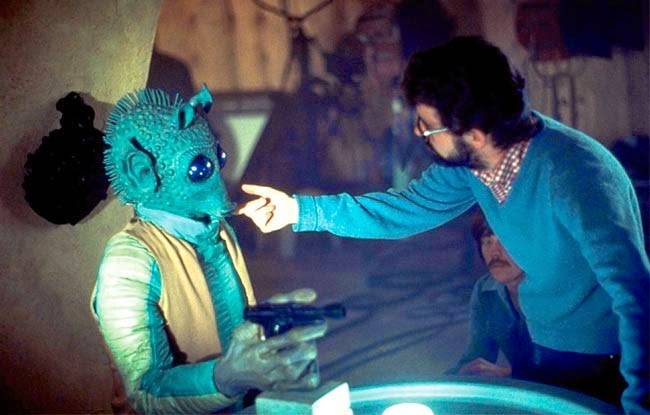
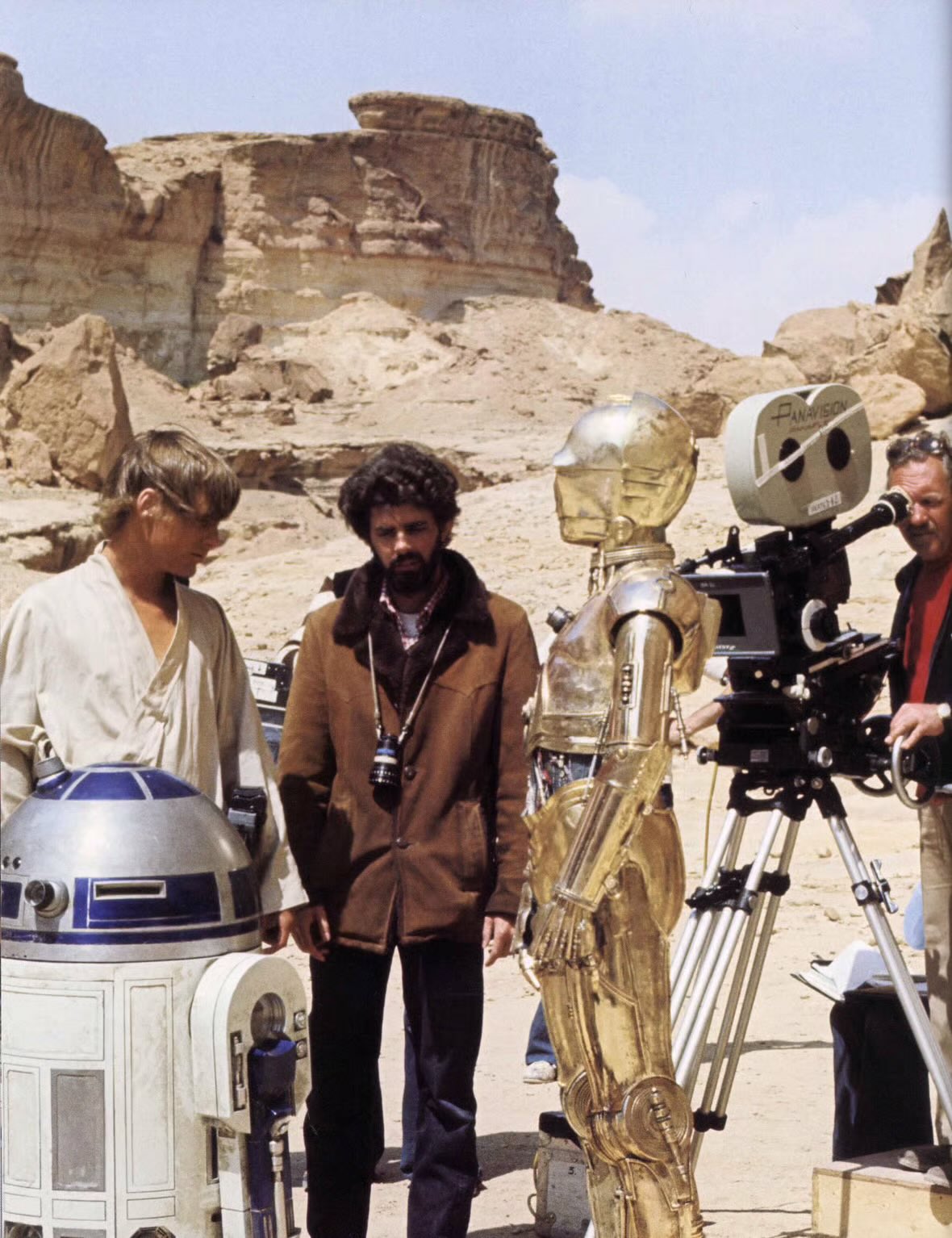
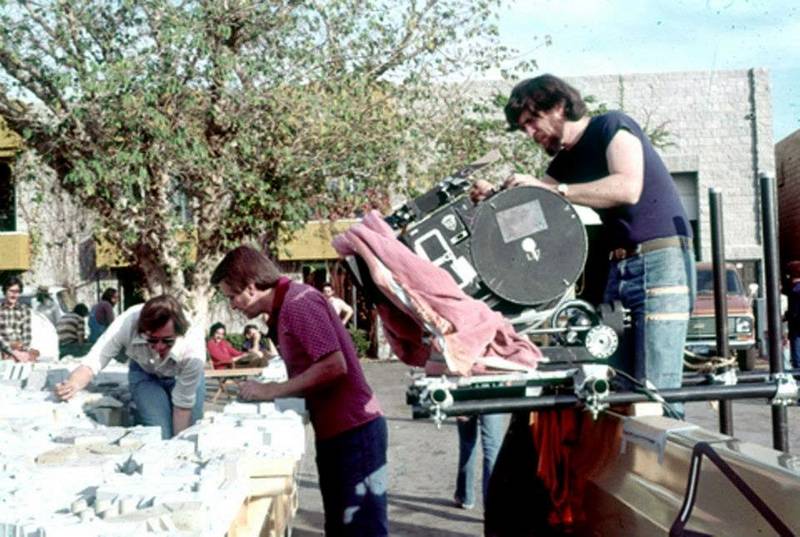
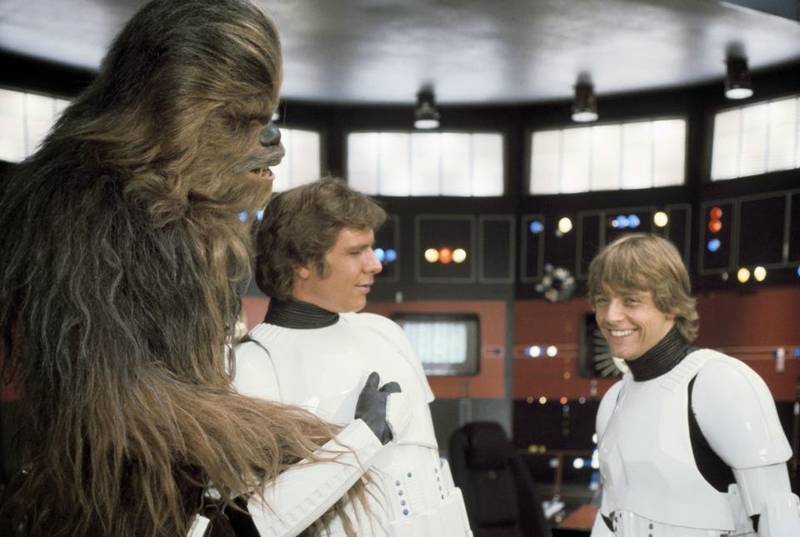
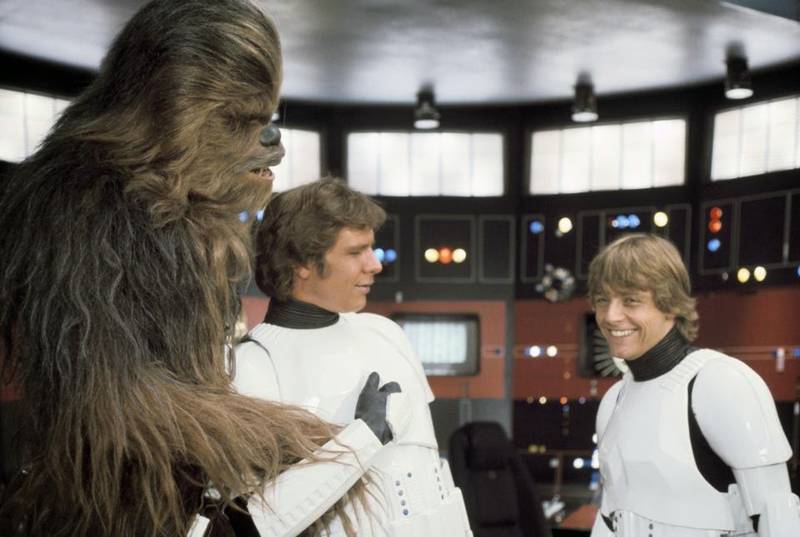
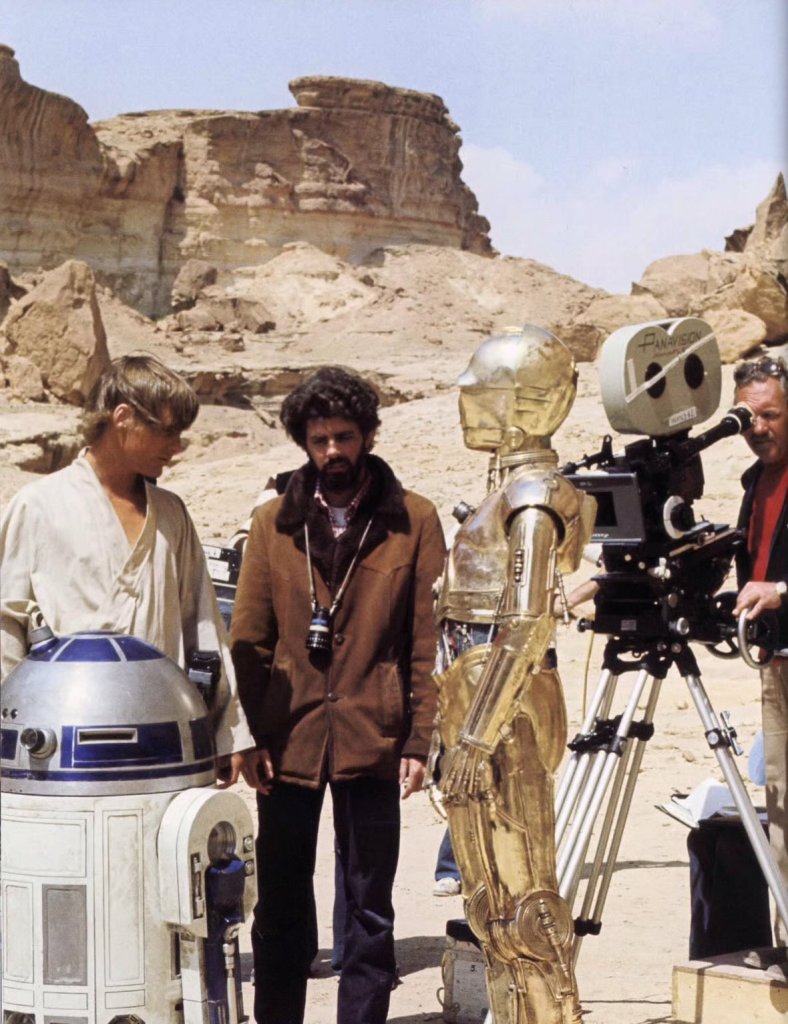
It was 50 years ago this week that filming finally began. Over 40 studios had already passed on his script, including Disney. Fox only greenlit the project because they wanted George Lucas for other films.
He made this first Star Wars film for children who had been through the Vietnam War and wanted an escape. He defended the tone of the prequels. He mentioned that fans who grew up after Star Wars could not appreciate a similar approach again.
Nobody at the studio expected to make money on a space opera with no stars. Lucas offered to cut his directing fee from $500,000 to $150,000. He wanted merchandising and sequel rights in exchange.
Fox said yes on the spot. Movie merchandise was a dead business. Fox had lost money on Doctor Dolittle lunchboxes a decade earlier. They thought they were getting the better deal.
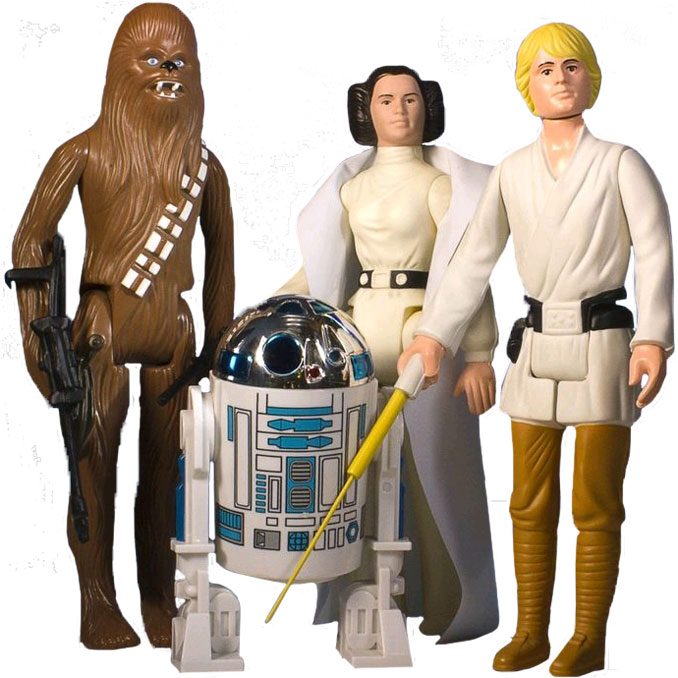
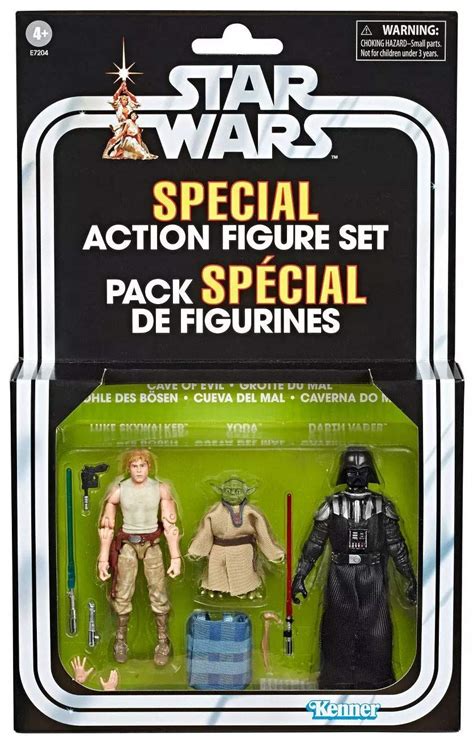
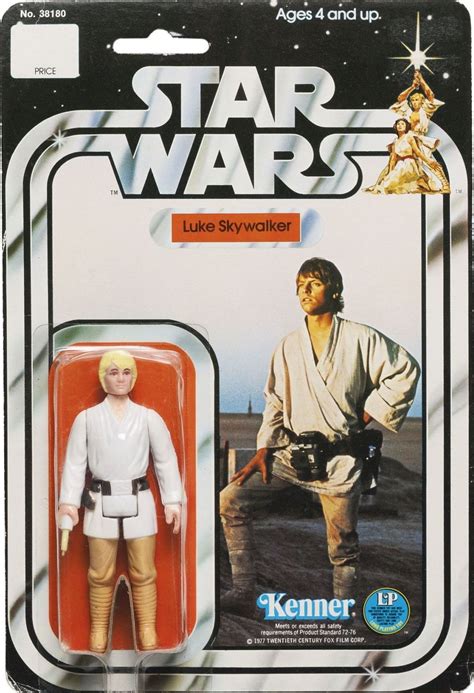
Lucas couldn’t even find a toy company that wanted in. Kenner, a division of cereal company General Foods, finally bought the licensing for a flat $100,000.
Then Star Wars opened. Between 1977 and 1978, Kenner sold $100 million worth of toys off that $100,000 investment.
They couldn’t make enough for Christmas ’77. So, they sold empty boxes with IOUs inside. They promised to mail the action figures later. Parents paid real money for cardboard and a promise.
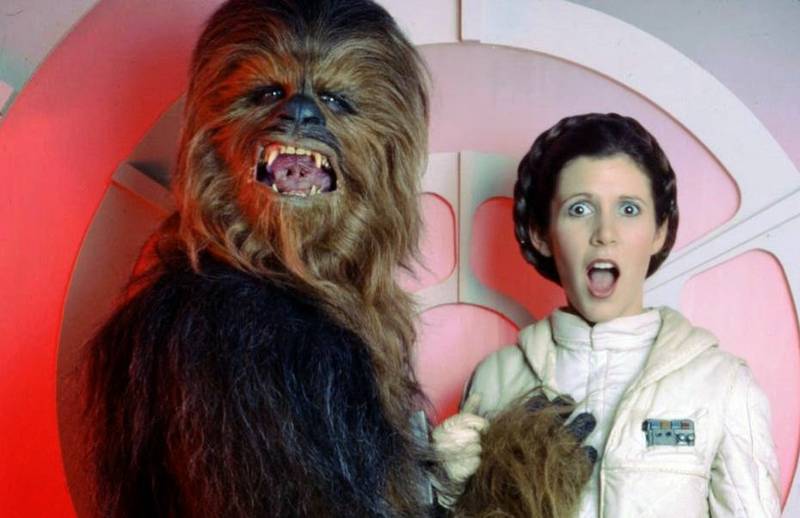
Nobody around the production saw any of this coming. Alec Guinness, who played Obi-Wan, privately called the script “fairy-tale rubbish.” But he was shrewd enough to negotiate 2.25% of royalties instead of a flat fee. About 20 minutes of total screen time earned his estate somewhere between $50 million and $100 million.
Lucas was certain the film would flop. He was so sure that he offered Spielberg a bet while visiting the Close Encounters set: swap 2.5% of each other’s profits. Spielberg took it. That handshake has paid him around $40 million.
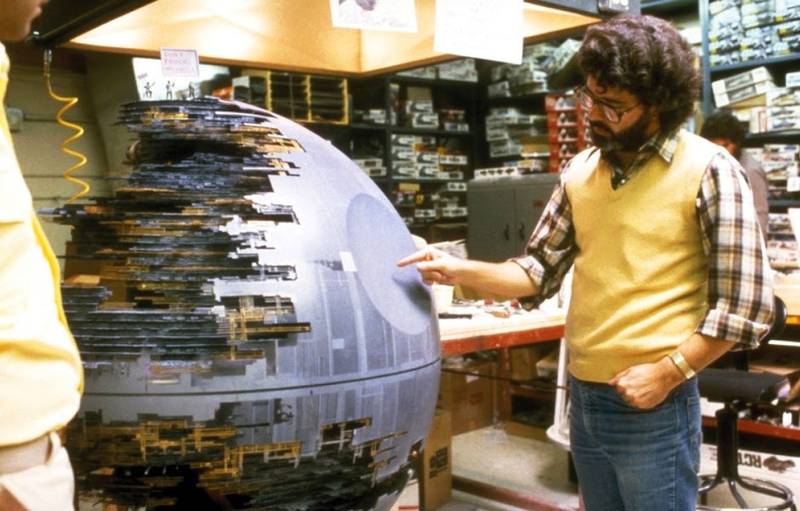
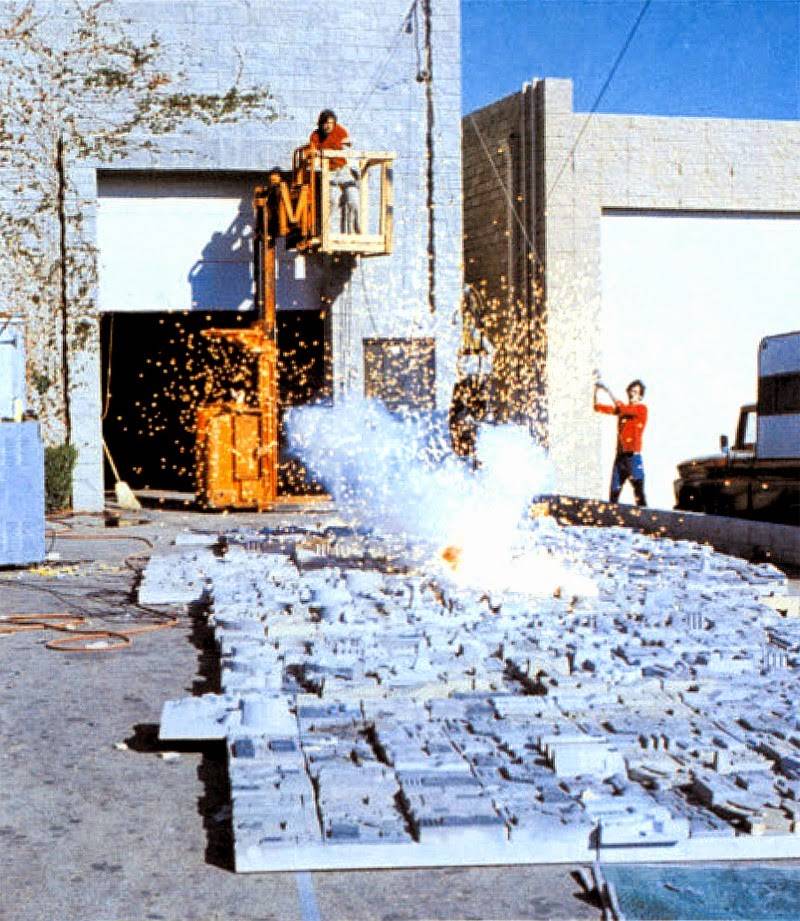
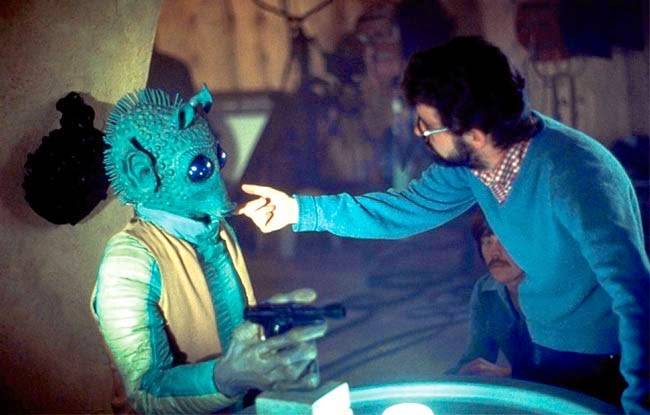
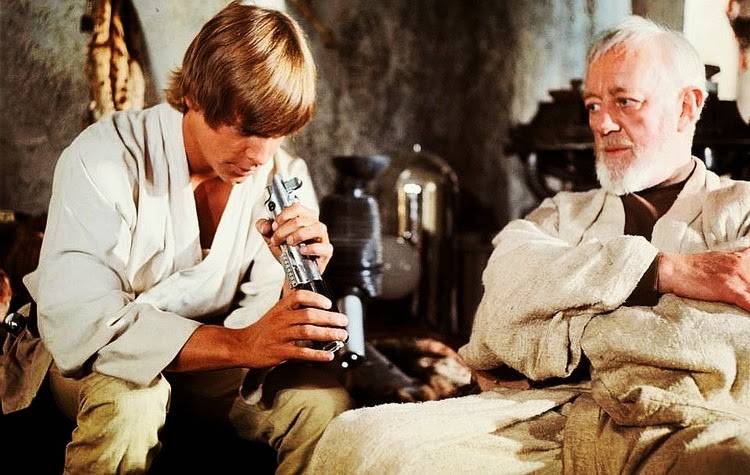
And then the money started compounding. Lucas poured his Star Wars profits into ILM, the effects house he’d built for the film. The computer graphics division became too expensive to maintain. Consequently, he sold it to Steve Jobs in 1986 for $10 million.
Jobs renamed it Pixar. Disney bought Pixar twenty years later for $7.4 billion. Then in 2012, Disney came back for the rest, buying Lucasfilm itself for $4.05 billion.
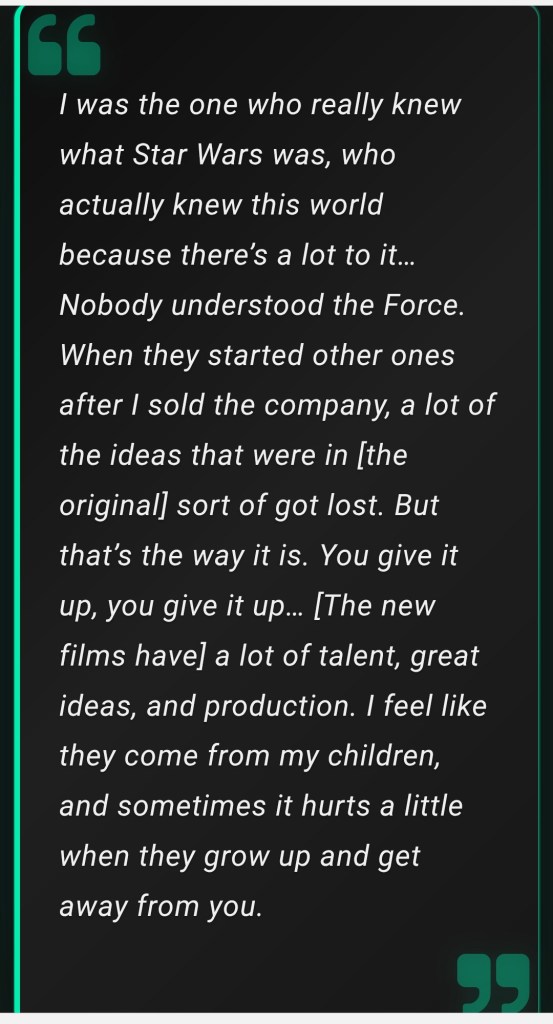
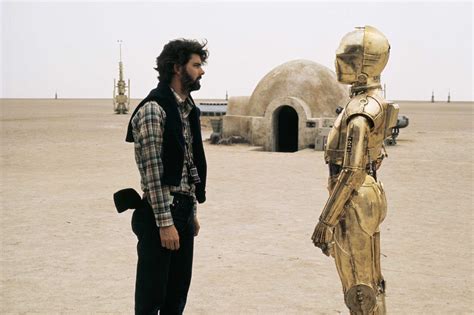
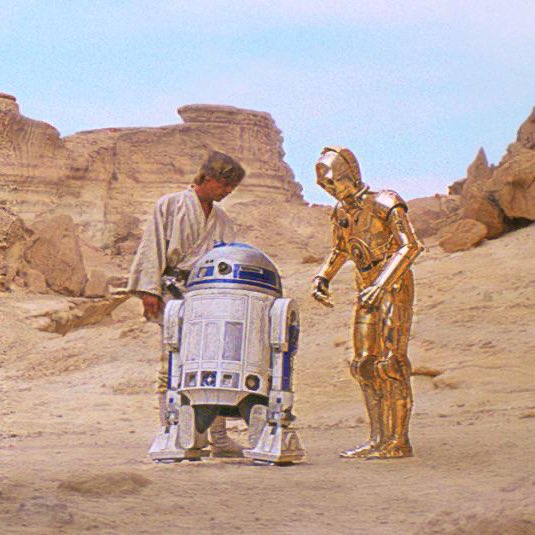
Total franchise revenue today sits around $46.7 billion, over $20 billion from merchandise alone. The filmmaker 40 studios passed on is now worth $5.3 billion according to Forbes. Fifty years ago this week, cameras rolled on a desert in Tunisia.
The $350,000 pay cut that made it all possible might be the best trade in business history.
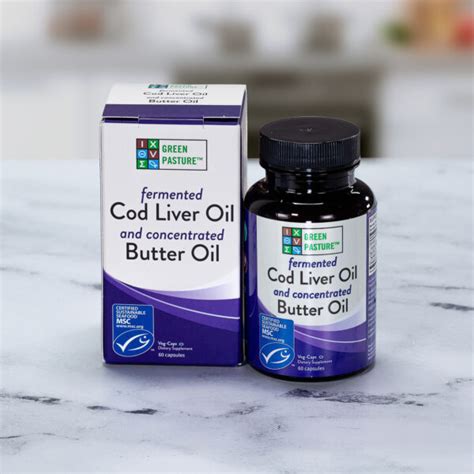
This article was brought to you by Green Pasture







To receive free email notification, when we post new articles like this, sign up below. Clever Journeys does & will not sell or share your information with anyone.
In God We Trust
______________
Please Support This Stellar American Owned Business
Get Your Natural Vitamins A & D from the Sea!



 Clever Journeys
That was a great read, y’all. I love everything Star Wars! FabGirl and I stood in line at a theater in San Diego in 1977 to see it the first movie the first time. Seen all the related movies, but it is hard to keep up with all the spinoff tv serieses.
LikeLike