
Resisting The Anxiety That Will Wreck Your Family, Destroy Your Church, and Run the World by Joe Rigney
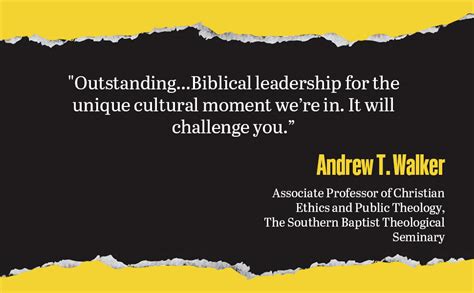
In difficult times, character, maturity, and identity can be far more important than institutionalized or mainstream leadership skills and strategies.
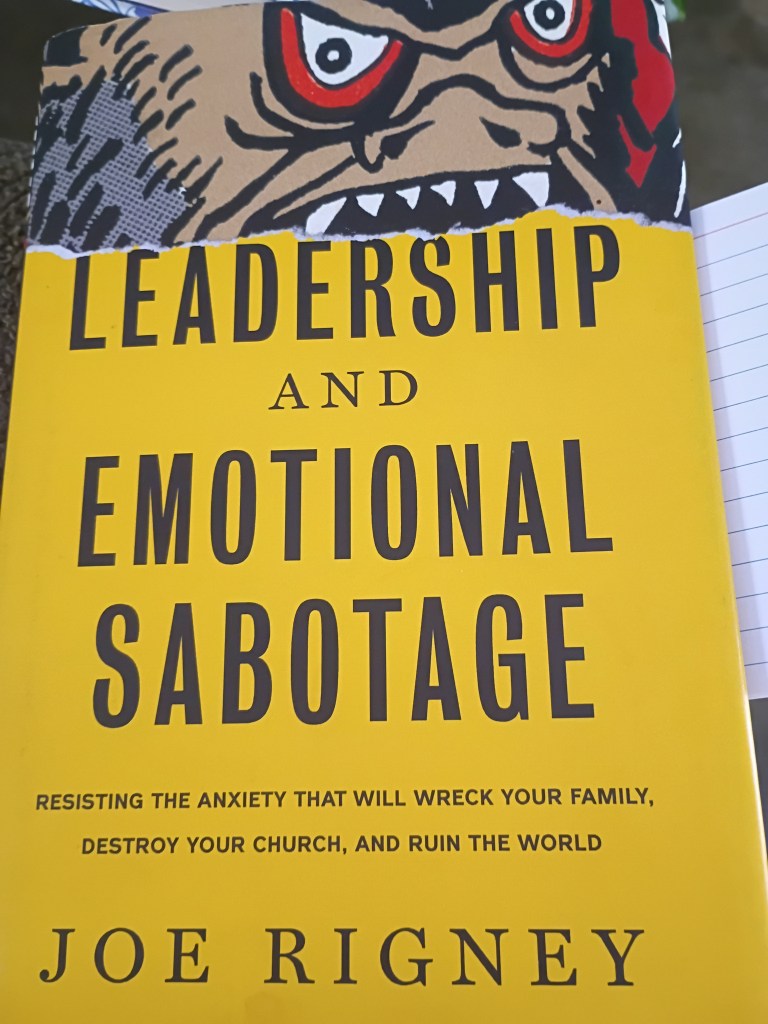
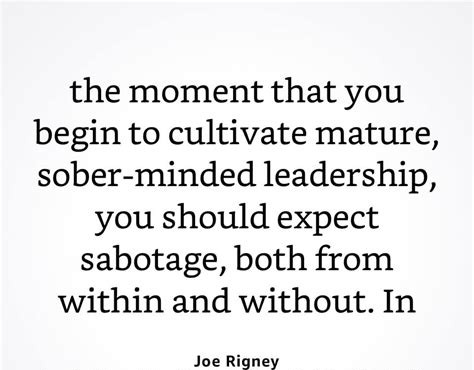
If we’re going to lead, especially in this day and age, we’re going to face sabotage. The loudest voices will try to control our agendas, organization, or even relationships.
The “mob” will come for us if we step out of line in their eyes. Society appears to be rapidly changing with a culmination of victimhood, cancel culture, and various other trends in our world.
Life after 2016, 2020, George Floyd, Covid, massive fires in Hawaii, plus California, and today’s organized violent protests feels very different than it did before.








Men who lead others should be aware of the power of vulnerability.
Author Joe Rigby argues that leaders should acknowledge their own fears and anxieties. This approach can create a culture of trust. It also fosters authenticity.
This is a good reason our church leaders should be open as a team. They should discuss the challenges we face. They should also encourage a supportive, transparent environment.
Weak leaders often fail due to a failure of nerve. They especially fear taking stands at the risk of displeasing people. They often unintentionally allow themselves to be manipulated by these highly anxious and immature people.
Those people with “chronic anxiety,” can cause them to emotionally sabotage leaders who strive to guide their followers with boldness and clarity. This has contributed to the recent waves of pastoral resignations.
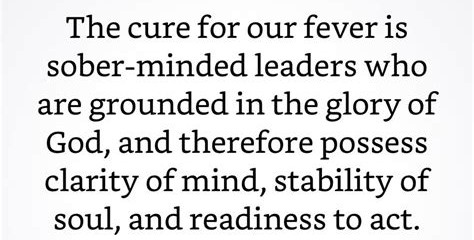
Good leaders have to be sober-minded in order to step out of the reactive stream of passion from anxious people. They must do the right thing–even when it angers emotionally reactive followers.
This means we should always align with Scripture. We must provide both the biblical support and practical application desperately needed. These are crucial in our therapeutic and hyper-emotional age.
Chapter 1 opens with a grim diagnosis of the current state of society. Politicians move from failure to failure. Social threads are fraying.
“Hardly anyone takes responsibility for themselves, their emotions, their actions, and their situation.”

Joe Rigney has a knack for using abstract concepts. He relabels them with memorable labels, like in the book’s title: “emotional sabotage.” Every leader can relate to that. He also uses labels like “social stampedes,” “steering,” and “the sin of empathy.” Forewarned is forearmed, for example.
Chapter 2 warns about the reactive sabotage that inevitably occurs with those they lead. The next three chapters apply biblical concepts in our homes, the church, and society. He doesn’t dwell so much on techniques and tools. He focuses on people and relationships. This is the one thing all leadership has in common.
Anxious people tend to “scapegoat” the leader for the problems that arise within. One of a leader’s greatest challenges is not merely his ability to get things done. It also includes solving problems. More importantly, it is how he handles other people’s attempts to soothe their own anxiety by sabotaging his leadership.
How he handles those situations is vital. “Antifragile” leadership begins within our own character, walk with God, sober-mindedness, self-control, and fruit of the Spirit.
Rigney bases part of his solution on the late therapist and rabbi Edwin H. Friedman’s bestseller A Failure of Nerve (2007), which he considers “an essential book for Christian leaders.”
Degree
Early on, he takes Friedman’s essential idea of “differentiation.” He expands on it with a reference to William Shakespeare’s play Troilus and Cressida and its notion of “Degree.”
Every society has important “relationships of difference.” In these relationships, a husband has authority over a wife. A parent has authority over a child. A pastor has authority over a congregation, and so on. He cautions not to stray from these bedrock “degrees,” and notes that pressure to do so will come from “those closest to you.”
Although he starts out with Friedman’s work, Rigney deals directly with biblical passages for solutions remedies. He notes about “Courage in the Home,” and condemns the notion of “acquiescing to one’s wife” and “gobbledygook.”
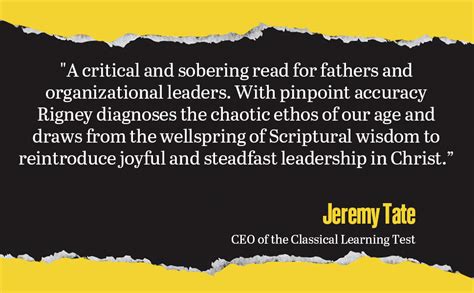
Be “cool as a cucumber” in your faith, “because we know that Christ is risen, reigning, and working for our good.”

As we consider all of this, I keep thinking about reporting on the Roman Catholic Church’s massive sexual abuse scandal a few years back.
Dodie and I have returned to churches we used to be members of (or visited on vacations). In some instances, we became somewhat startled to notice the proliferation of female (and in one case, a transgender) pastors on staff. Other times we felt like we were in a motivational conference rather than a church.
Key Ideas
1. The solution to organizational anxiety is sober-minded leadership.
2. Leaders are the immune system of the organization.
3. Good leaders get results; great leaders create an atmosphere of flourishing.
4. Courage means acting on principle, no matter the emotional sabotage.
Lesson I’ve Learned From Complainers
In my personal work experience as a retail facilities management executive, I listened and solved many various issues on a daily basis for decades.
I have even given speeches and taught classes on how to deal with chronic complainers. Here are key points I stress to anyone who deals with them.
- Assume they are right and thank them for calling it to our attention. Then verify.
2. If they say anything unfairly negative about you or your team, don’t necessarily believe them. Believe what God thinks of you.
Like the comedian who leaves the stage devastated because there was one person in the audience who didn’t laugh, it’s too easy for us to allow a single complainer to make us feel completely devalued.
3. Don’t talk behind their back.
It’s so tempting to want to complain about the complainers, but it’s a good idea to have only a few trusted people you can offload to.
Don’t allow such discussions to become character assassinations. Deal with the issue. Then move on.
Keep the moral high ground. Don’t let a complainer turn you into a gossip.
4. Admit mistakes
It may seem hard to admit mistakes to a complainer because we think it will add fuel to their fire. The opposite is almost always the case.
Sometimes the “chronic” part of the complaining is just persisting until they know you see the problem. Once you do, many stop complaining.
5. Always thank them, especially if they are right.
If someone puts the brakes on your bad idea, remember that we’ve all had our share of stinkers. They deserve to be thanked. And don’t worry. Thanking them won’t necessarily make them complain more.
Thankful leaders don’t get more complaints. They get fewer.
.
To receive free email notification, when we post new articles like this, sign up below. Clever Journeys does & will not sell or share your information with anyone.
IN GOD WE TRUST

Thanks for supporting independent true journalism with a small tip. Dodie & Jack

CLICK HERE for GREEN PASTURE BENEFITS



Use Code CLEVER10 for a 10% discount on Green Pasture products today!

☆☆☆☆☆



☆☆☆☆☆


 Clever Journeys
Really great insights in this. Also, I have learned from association with some who lead that insecurity can make some people afraid of strong people on their team, instead of welcoming them and working with them. I think that’s sad; you shouldn’t want mindless followers.
LikeLiked by 2 people
My pastor loaned me the book. So I thought I’d make double use of reading it by sharing some info from it. Thank you.
LikeLiked by 1 person
Thank you!
It got up to thirty-eight degrees today. We don’t know what to do with ourselves. It’s warm!
LikeLiked by 1 person