
In 1837, John Deere was drowning.
Not in water—in debt. He was 33 years old, running a failing blacksmith shop in Rutland, Vermont, with five hungry children at home and creditors pounding on his door.
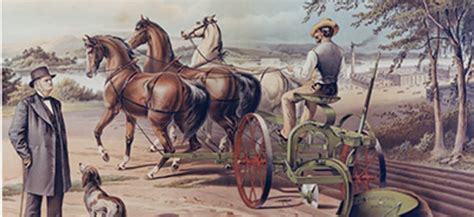
He abandoned Vermont and headed west to the wild American frontier. His destination: Grand Detour, Illinois—a tiny settlement of barely 100 people where land was cheap, settlers were flooding in, and a skilled blacksmith might actually have a chance.
He discovered something strange. The Midwest had a problem nobody could solve.
Beneath the endless prairie grass lay the richest, most fertile soil in North America. Dark, thick, packed with nutrients. It should have been a farmer’s paradise.
Instead, it was their nightmare.
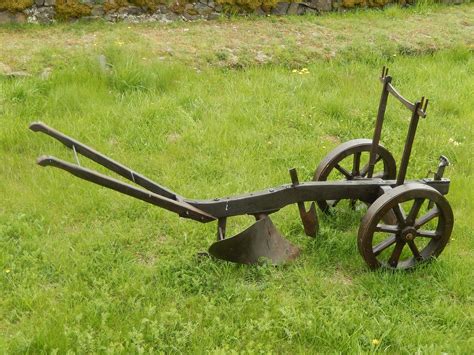
The prairie soil was completely different from the sandy earth back East. It was heavy, sticky, dense—like wet concrete. When farmers tried to plow it with traditional cast iron plows, the mud clung to the blade in thick clumps.
Every few feet, farmers had to stop and scrape the mud off manually. The iron plows would crack and break under the strain. Hours of backbreaking work barely produced a single furrow.
America’s best farmland was almost impossible to farm.
Farmers were ready to give up. Some were abandoning their claims and heading back East. The Great Plains—the heartland that would eventually feed the world—seemed unconquerable.
John Deere watched these struggling farmers, and something clicked in his mind.
He remembered the sawmills back in Vermont. The polished steel blades that sliced through wood without anything sticking to them. The steel stayed clean. Always. Self-cleaning.
What if he made a plow from steel instead of cast iron?
Everyone told him it was impossible. Steel was expensive. Steel was hard to shape. Steel plows had been tried before and failed.
John Deere didn’t care.
In 1837, he found a broken steel sawmill blade. He heated it in his forge until it glowed orange, then hammered it into the curved shape of a plow. He polished it until it gleamed like a mirror. He attached it to a wooden frame. Then he handed it to a local farmer and said: “Try this.”
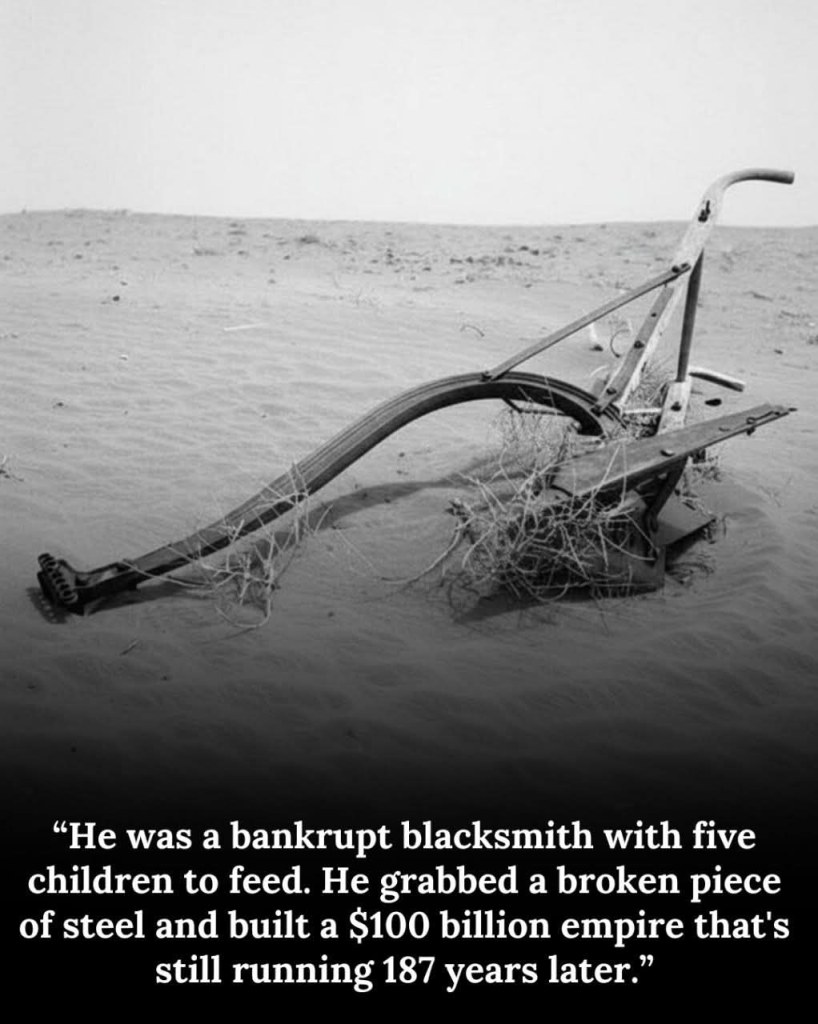

The farmer pushed the plow into the prairie soil.
It sliced through like a hot knife through butter.
The sticky, stubborn earth that had defeated every cast iron plow simply slid off the polished steel surface. No scraping. No stopping. No breaking.
The plow was self-cleaning, revolutionary and near perfect.
Word spread across the prairie like wildfire.
Farmers traveled for miles just to see this miraculous plow. They came with cash in hand, desperate to buy one. John Deere’s tiny blacksmith shop was suddenly the most important business in Illinois.
He sold 3 plows in 1838. Then 10. Then 40. Then 100 a year. Then 1,000. By 1857, he was producing 10,000 plows annually.
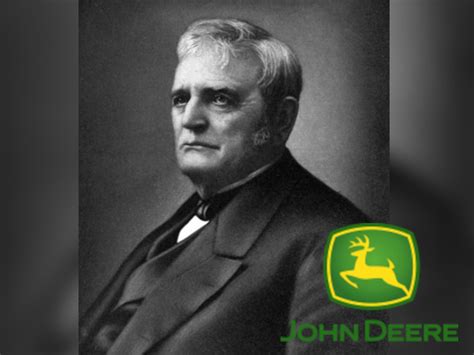
But here’s what separated John Deere from every other inventor who got lucky: he didn’t just sell plows. He built a religion around quality.
He personally inspected every single plow that left his shop. He constantly refined the design. He experimented endlessly with different steel grades, blade angles, and polish techniques.
And he stamped his name on every piece: JOHN DEERE.
His personal motto became the company’s foundation: “I will never put my name on a product that does not have in it the best that is in me.”
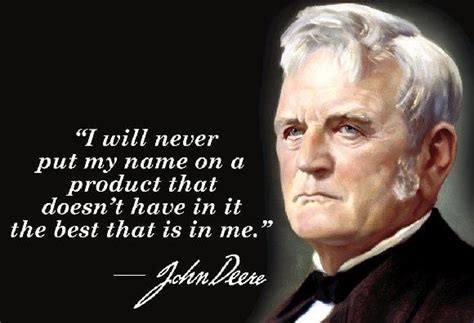
That wasn’t marketing. That was a promise. And John Deere kept it.
When a plow came back with a defect, he didn’t make excuses. He fixed it. When competitors started cutting corners to undercut his prices, he refused to compromise. When customers suggested changes, he listened and improved.
Farmers learned that “JOHN DEERE” stamped on a plow meant something.
That reputation of obsessive commitment to excellence transformed everything. The steel plow didn’t just help individual farmers. It unlocked an entire continent.
It made the Great Plains farmable. It enabled westward expansion. It turned subsistence farmers into commercial producers.
It helped transform America. The nation went from struggling to feed itself to becoming an agricultural superpower. Eventually, it would feed the world.
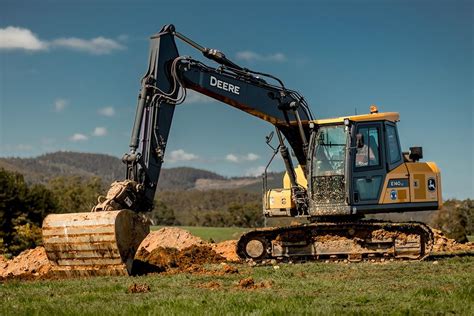
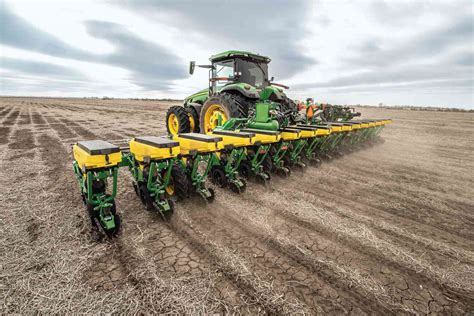
Historians rank the steel plow as one of the most transformative inventions of the 19th century. It stands alongside the cotton gin and the mechanical reaper.
In 1848, John Deere moved his growing operation from Grand Detour to Moline, Illinois, on the Mississippi River. This location offered better transportation and more space. It provided room to grow.
That’s where the company headquarters still stands today.
When Deere died in 1886 at age 82, he had transformed himself. He went from a bankrupt blacksmith who couldn’t feed his family into an industrial titan. His company produced tens of thousands of plows annually.
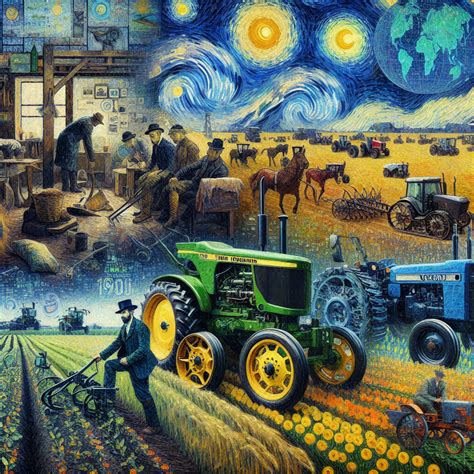
Today—187 years after that first steel plow—Deere & Company is worth over $100 billion. It employs more than 83,000 people worldwide. It generates over $50 billion in annual revenue.
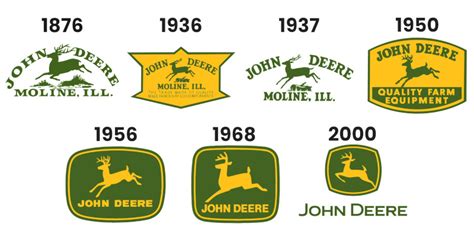
You will see that iconic leaping deer on every tractor and combine. Those two simple words, JOHN DEERE, appear on every piece of equipment.
To receive free email notification, when we post new articles like this, sign up below. Clever Journeys does & will not sell or share your information with anyone.
IN GOD WE TRUST


Thanks for supporting independent true journalism with a small tip. Dodie & Jack

CLICK HERE for GREEN PASTURE BENEFITS



Use Code CLEVER10 for a 10% discount on Green Pasture products today!

☆☆☆☆☆


☆☆☆☆☆


 Clever Journeys
Incredibly interesting bio. Thanks, Jack. 🙂
LikeLiked by 2 people
Awesome story. You think he would approve of Mexican made John Deere products?
LikeLiked by 2 people
I don’t think he would
LikeLike