
On January 17, 1920,
the 18th Amendment took effect at midnight, and suddenly, producing, selling, or transporting alcohol anywhere in the United States became illegal.
Bars closed. Breweries shut down. Distilleries went dark.
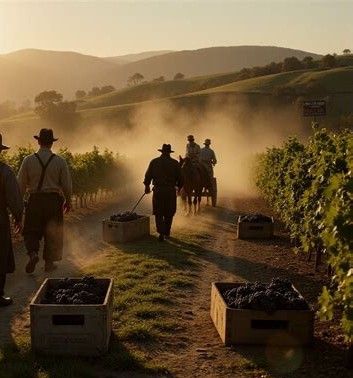
In California’s wine country, thousands of grape farmers faced financial ruin because
their vineyards supplied wine across America.
Farmers watched their vineyards—cultivated over generations—become worthless. Grapes rotted on the vines. Families who’d been in the wine business for decades faced bankruptcy.
Out of sheer desperation, some farmers tore out their vines and planted other crops. Others tried to pivot to table grapes or raisins, but the market was already saturated.

The government had destroyed an entire industry with a single amendment.
American farmers weren’t about to go down without a fight against the
Volstead Act. It was the law that enforced the 18th Amendment—banned the manufacture and sale of “intoxicating liquors.” They saw a potential loophole. Households could produce up to 200 gallons per year of “non-intoxicating fruit juice” for personal consumption.
The lawmakers meant this to allow families to make apple cider or grape juice. But some clever grape farmers in California read that exception and saw opportunity.
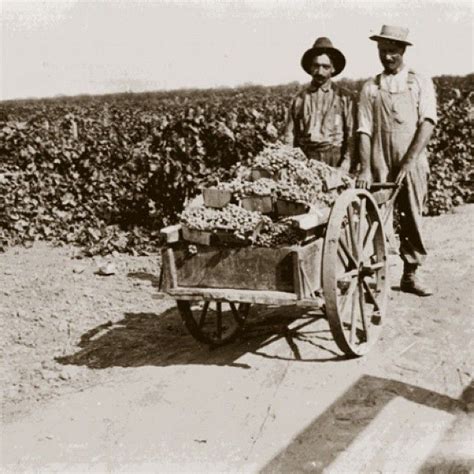
What if you sold concentrated grape juice that technically wasn’t wine? It could become wine if someone accidentally left it in their cupboard.
The Wine Brick
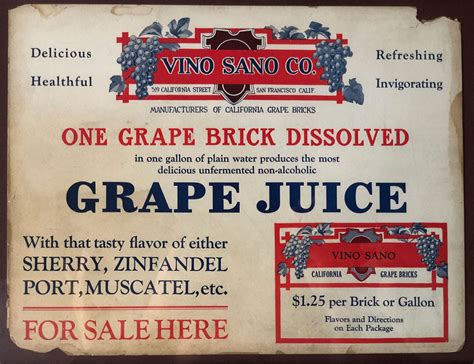
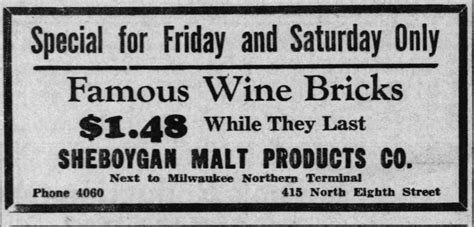
By 1921, California farmers had developed a product they called “wine bricks” or “grape bricks.”
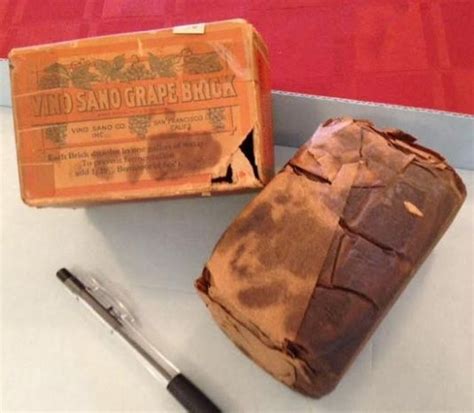
They took fresh grape juice and concentrate, compressed it, and formed it into a solid brick about the size of a pound of butter. The brick could be shipped and stored without refrigeration.
The instructions on the package said: “Dissolve this brick in one gallon of water to make grape juice.”
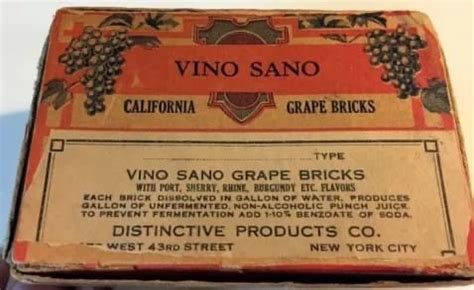
It was perfectly legal being just grape juice.
But then came the warning label—and this is where it was genius.
The label on the wine brick read something like this:
“WARNING: After dissolving the brick in a gallon of water, do NOT place the liquid in a jug away in the cupboard for twenty days, because then it would turn into wine.”
This “warning” was essentially thorough instructions for making wine.
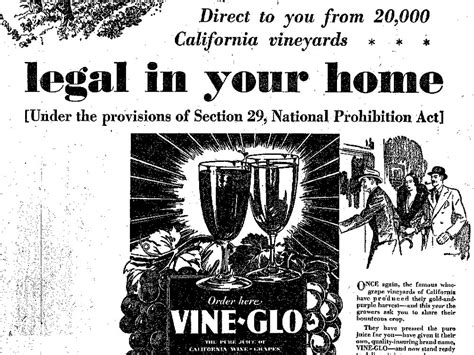
One company sold “Vine-Glo” kits that included not just the grape brick, but also:
• A jug (for NOT making wine in).
• A cork (for NOT sealing your definitely-not-wine).
• Detailed charts showing what temperature to NOT store it at.
• Warnings about what type of water to NOT use
Federal Prohibition agents knew exactly what was going on.
But what could they do?
The bricks weren’t alcohol and labels explicitly warned against making wine. Home fermentation was technically legal under the Volstead Act’s fruit juice exception.
They attempted to shut down manufacturers for “conspiracy to violate Prohibition laws,” but judges kept dismissing cases.
Selling grape concentrate wasn’t illegal. Warning people not to ferment it wasn’t illegal.
Meanwhile, Americans began making wine in their cupboards by the millions of gallons.
Prohibition was supposed to reduce alcohol consumption.
Instead, it turned an entire nation into amateur winemakers.
Soon, people were drinking more wine during Prohibition than before, thanks to wine bricks.
Prohibition lasted thirteen years—1920 to 1933. By the time it was repealed, most Americans agreed it had been a disaster.
It hadn’t stopped drinking. It had created organized crime. It had filled prisons with non-violent offenders. It had turned ordinary citizens into criminals.
And it had made grape farmers very creative.


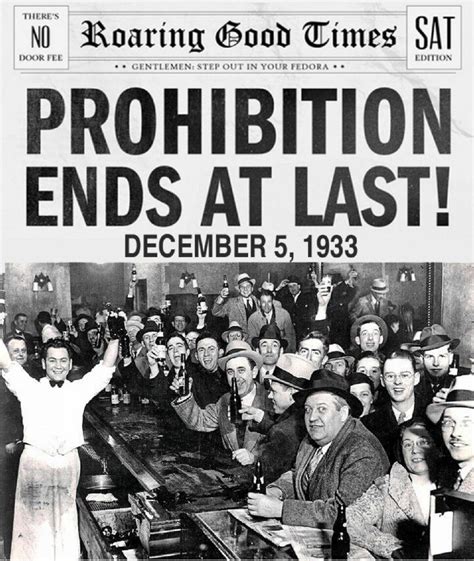
When the 21st Amendment repealed Prohibition in 1933, wine bricks disappeared almost immediately. Why ferment grape concentrate in your cupboard when you could just buy actual wine again?
To receive free email notification, when we post new articles like this, sign up below. Clever Journeys does & will not sell or share your information with anyone.
IN GOD WE TRUST
Thanks for supporting independent true journalism with a small tip. Dodie & Jack

CLICK HERE for GREEN PASTURE BENEFITS

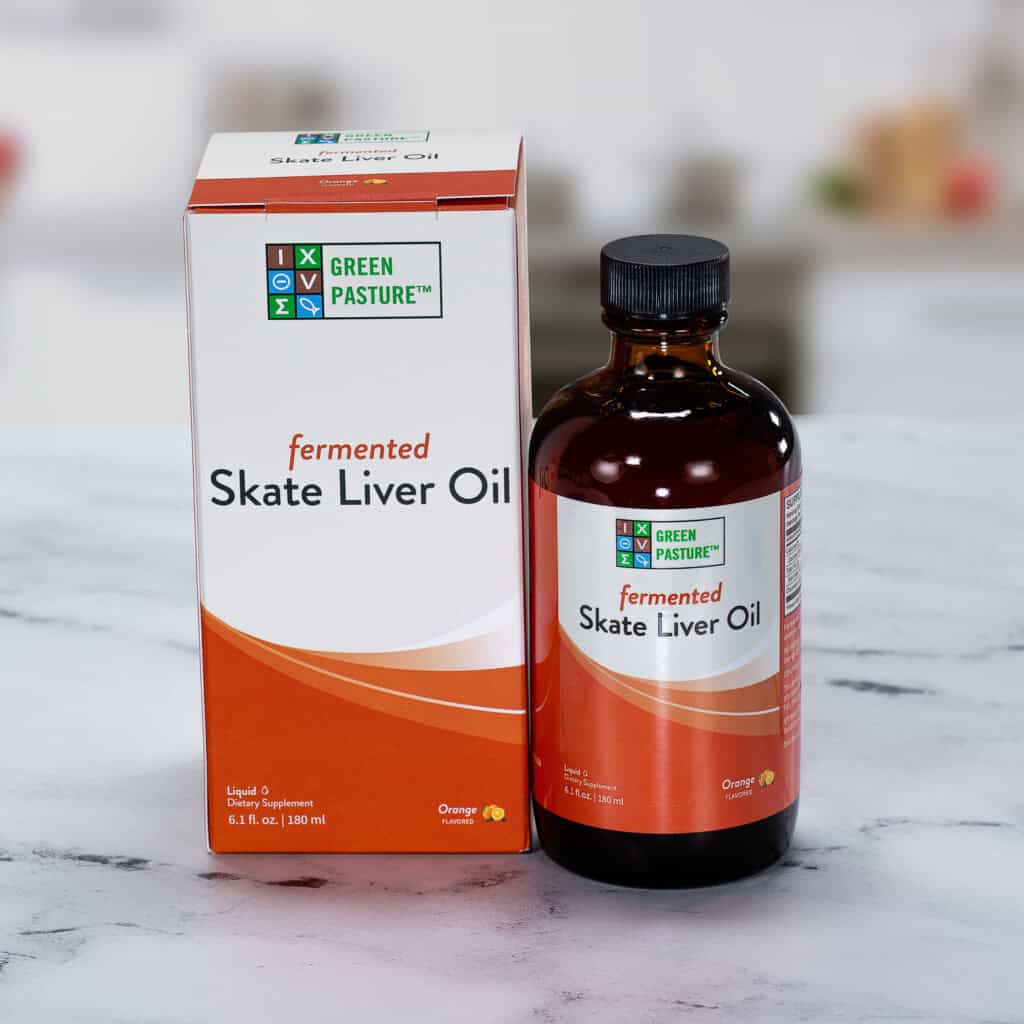

Use Code CLEVER10 for a 10% discount on Green Pasture products today!

☆☆☆☆☆


☆☆☆☆☆

Thank you for sharing this

 Clever Journeys
THE REAL HISTORY OF THE 18TH AMENDMENT
It was a war between Henry Ford/ Edison vs Rockeller
Ford was comming out with model T with goal ” the common man could afford to drive”. And Edison had a battery that could run 100 miles on a charge
The entire world was gearing up to service the automobile. There were no service stations.
Fords goal: Electric car. In the city, Service stations would be set up that you drive up, service station pulls battery out and puts new one in and recharges the battery. In the country the cars would run on alcohol. This would enrich the farmers and in turn they would buy the model T
Rockefeller fought back, on a single night Edisons battery plant of 8 concrete buildings in Orange New Jersey burned down in single night.. only clue found were gas cans left around. ( never be rebuilt)
And Rockefeller gave the league of women voters 4 million dollars ( today’s dollars maybe 100 million) for the sole purpose of making the the manufacturing of alcohol illegal.
After the world infrastructure to service the car was set up to use petroleum Rockfeller gave approval” go ahead, have your alcohol”.
side note; Ford and Edison were life long friends. Both with estates in Fort Myers FL. They both thought Rockefeller was pure evil.
LikeLiked by 1 person
If the goal was to have an electric car for city use, but an alcohol-driven car for country use — that would require two different engines. Further, the lead acid batteries developed at that time would hardly be enough to move a car around a small city.
LikeLike
The story written as paraphrased from book called ‘Combustion’ . The Model T had adjustable carburetor for alcohol or gasoline use. The battery plant was being geared toward the goal and ramping up production.
LikeLiked by 1 person
Love this report. Government overreach meets American ingenuity.
LikeLiked by 3 people
It was fascinating the way you explained the social impact of Prohibition. 🙂
LikeLiked by 2 people
Yep, genius.
LikeLike